
One naturally gluten-free whole grain delivers complex carbohydrates, plant-based protein, about 12 grams of fiber per cooked cup, and minerals like iron, magnesium, and zinc. It is one of the oldest cultivated cereals on Earth, originally domesticated in Africa thousands of years ago, and it has reappeared on grocery shelves as flour, popped kernels, and whole berries for cooks avoiding wheat or watching blood sugar. Because it thrives in hot, dry conditions, sorghum also carries one of the lightest water footprints of any major grain.
This article explores sorghum’s nutrition profile, evidence-based benefits, and potential side effects, then compares it to quinoa and brown rice for anyone shopping for a versatile gluten-free grain.
Sorghum as an Ancient Whole Grain Worth Knowing
Sorghum (Sorghum bicolor) is a true cereal grass in the same botanical family as millet and wheatgrass, not a seed or a pseudo-cereal like buckwheat. Archaeological traces place its domestication in northeastern Africa more than 5,000 years ago, and it has fed human populations across Asia and the American Midwest ever since. Today the United States produces it primarily in the Great Plains, where it ranks as the fifth most important cereal crop worldwide, trailing only corn, rice, wheat, and barley in global tonnage.
What sets sorghum apart from many modern staples is its tolerance for heat, drought, and poor soil. The plant grows on roughly half the water that rice requires, which is why agronomists at extension programs in Kansas and Texas keep promoting it as a climate-resilient alternative grain.
Why the Gluten-Free Label Holds Up
Sorghum contains no gluten-forming proteins, so it stays safe for people with celiac disease or non-celiac gluten sensitivity. Food chemists have confirmed that its storage proteins differ structurally from the prolamins in wheat, barley, and rye, which is why the Whole Grains Council lists it among grains that are naturally safe for these diets. That structural difference also makes sorghum useful as a flour extender in gluten-free baking, where it adds body and a mild, nutty background flavor.
Forms You Will Find in Stores
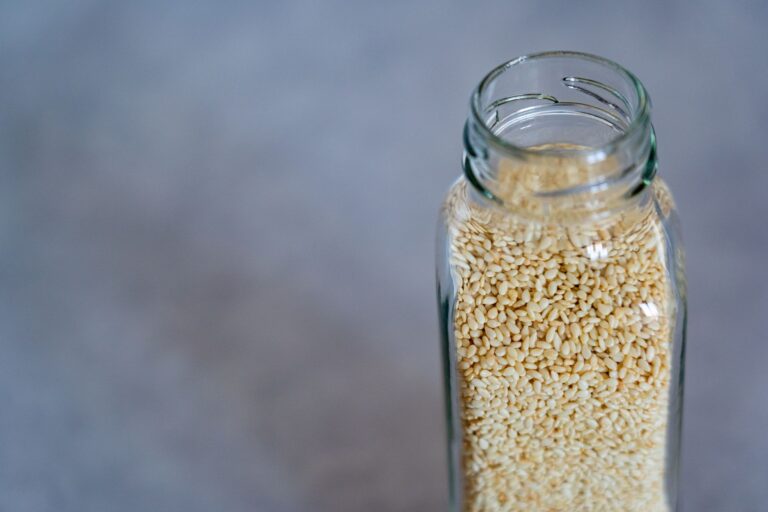
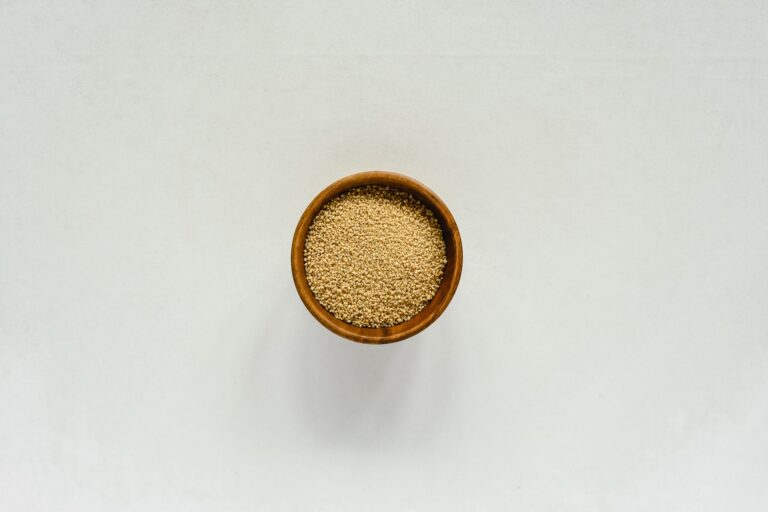
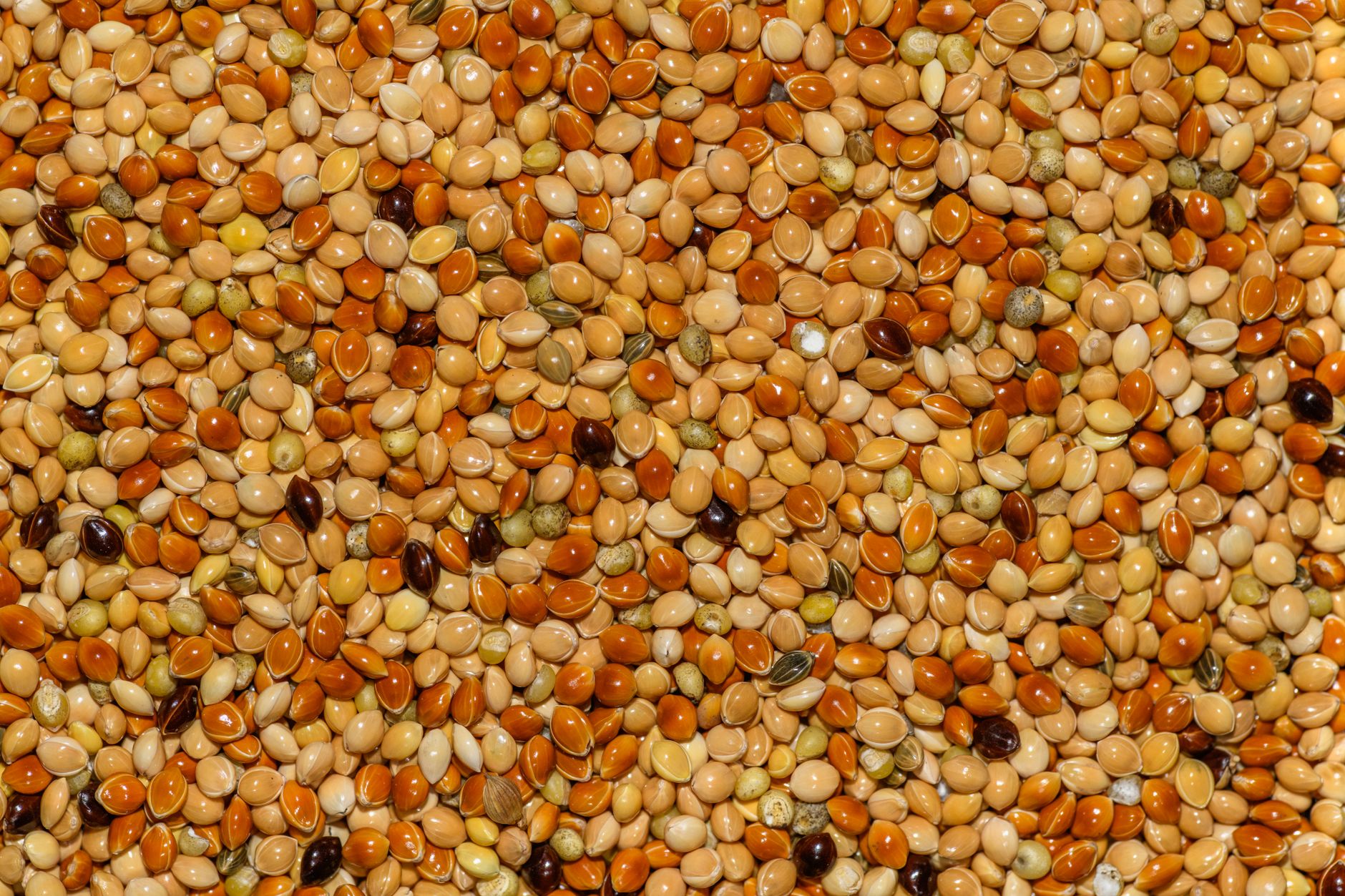
Four forms typically appear on shelves: whole berries (small, round, and pale tan to deep red), flour milled from those berries, rolled flakes, and popped kernels. Whole berries behave like a starchy rice or pearled barley, the flour behaves like a mild wheat flour, the flakes cook quickly like oatmeal, and the popped kernels act as a crunchy topping. Matching the form to the recipe is the first practical decision you will make when bringing sorghum home.
Choosing the right form only matters if the grain itself delivers, which is where its nutritional makeup becomes worth a closer look.
The Nutritional Profile Behind Sorghum’s Reputation
A cooked cup of whole sorghum (about 185 grams) lands near 200 calories and delivers roughly 6 grams of protein, 41 grams of carbohydrate, and under 2 grams of fat. Of those carbohydrates, about 12 grams arrive as dietary fiber, which puts sorghum near the top of the whole-grain fiber charts. The same cup also supplies a meaningful portion of the daily value for several minerals and B vitamins.
Macronutrients and Fiber
The protein in sorghum is plant-based and includes several essential amino acids, though it is not a complete protein on its own. Pairing it with legumes, dairy, or eggs easily fills any gaps, which matters for vegetarian and vegan eaters who want to rotate beyond quinoa. The fiber split leans toward insoluble types, which support stool bulk and regularity, alongside a smaller soluble fraction that slows glucose absorption in the small intestine.
Minerals, Vitamins, and Unique Compounds
Sorghum contributes iron, magnesium, phosphorus, zinc, and potassium, plus modest calcium. On the vitamin side you get thiamine, niacin, B6, vitamin K, and small amounts of folate. Sorghum also contains unusual phenolic compounds, including 3-deoxyanthocyanidins, that contribute to its antioxidant capacity and the slightly bitter notes in tannin-rich red varieties. Registered dietitians often recommend it as a nutrient-dense grain swap for these reasons.
| Nutrient (per 1 cup cooked, ~185 g) | Amount | Why It Matters |
|---|---|---|
| Calories | ~200 kcal | Energy baseline for meal planning |
| Protein | ~6 g | Plant-based source for vegetarian diets |
| Carbohydrate | ~41 g | Mostly complex, slow-digesting starch |
| Dietary fiber | ~12 g | Supports digestion and satiety |
| Iron | ~2.5 mg (≈14% DV) | Oxygen transport and energy metabolism |
| Magnesium | ~145 mg (≈34% DV) | Muscle and nerve function |
| Phosphorus | ~250 mg | Bone health and cell energy |
| Zinc | ~1.5 mg | Immune support and wound healing |
Evidence-Based Health Benefits of Eating Sorghum
Regularly swapping refined grains for whole sorghum tends to move several health markers in a favorable direction. The strongest evidence points to blood sugar control, cholesterol management, and antioxidant support, with weight management and sustainability as secondary wins.
Blood Sugar and Heart Health Markers
Sorghum carries a low glycemic index, often measured in the 50s, which means it produces a gentler post-meal glucose curve than white rice or instant oats. That slower digestion comes from the dense starch granules and the soluble fiber that traps glucose in the gut. Several small human studies, summarized in nutrition reviews indexed in USDA’s FoodData Central, show modest reductions in LDL cholesterol and post-meal blood sugar when people replace refined grains with whole sorghum for 8 to 12 weeks.
Antioxidant and Anti-Inflammatory Compounds
The 3-deoxyanthocyanidins in pigmented sorghum varieties behave like built-in antioxidants, scavenging free radicals that drive oxidative stress. Tannins, sometimes painted as antinutrients, also contribute protective effects at dietary levels by binding reactive metals and slowing starch digestion. Whole grains fit cleanly into heart-healthy eating patterns, and sorghum adds more antioxidant diversity than rice or wheat.
Yet even the most antioxidant-rich grain can cause problems for certain people, making those caveats worth examining before you stock up.
Tip: Choose tannin-rich red or black sorghum for the strongest antioxidant effect; choose white sorghum for a milder flavor that blends into pilafs and porridges.
Potential Side Effects and Who Should Be Cautious
Most healthy adults tolerate sorghum well, but a few scenarios deserve attention. Most issues come down to fiber load, antinutrients, or storage quality, not to anything unique about the grain itself.
Digestive Adjustment and Antinutrients
Tannins and phytic acid bind minerals like iron and zinc, which can mildly reduce absorption when sorghum dominates the diet. Soaking whole berries overnight, fermenting the batter, or popping the kernels lowers these compounds and improves mineral availability. Ramp up gradually to avoid the bloating and gas that often accompany a sudden fiber jump.
Allergies, Kidney Diets, and Mold Risk
People with grass or cereal allergies can occasionally cross-react with sorghum, so introduce it in small amounts the first time. Anyone managing chronic kidney disease should factor sorghum’s phosphorus and potassium into their daily totals, since both minerals accumulate when kidney function drops. Discard any sorghum that smells musty or looks discolored, because poor storage can allow mold strains that produce mycotoxins, a risk that applies to all cereal grains.
Warning: If you have celiac disease, confirm that packaged sorghum is labeled gluten-free and processed in a dedicated facility, since shared equipment with wheat is a common cross-contact risk.
Sorghum Compared to Quinoa, Brown Rice, and Other Grains
Side-by-side, sorghum holds its own against the grains most US shoppers already keep in the pantry. The table below uses cooked-cup values from USDA FoodData Central so the comparisons stay consistent.
| Grain (1 cup cooked) | Calories | Protein | Fiber | Gluten-Free |
|---|---|---|---|---|
| Sorghum | ~200 | ~6 g | ~12 g | Yes |
| Quinoa | ~220 | ~8 g | ~5 g | Yes |
| Brown rice | ~215 | ~5 g | ~4 g | Yes |
| Millet | ~205 | ~6 g | ~2 g | Yes |
| Whole wheat | ~215 | ~8 g | ~7 g | No |
Quinoa wins on complete protein and lysine content, which is useful for strict plant-based eaters. Brown rice offers a familiar texture and lower cost, but it falls behind on fiber and glycemic impact. Millet shares sorghum’s drought tolerance and gluten-free status, though sorghum’s wider range of cooking methods gives it more culinary reach. Whole wheat delivers more protein per cup but loses the gluten-free advantage, so the best pick depends on whether protein quality, blood sugar control, environmental footprint, or taste drives your decision.
With the trade-offs mapped, turning sorghum into meals that actually taste good is the natural next step.
Practical Ways to Cook and Use Sorghum at Home
Sorghum behaves like a starchy rice with a chewier bite, and that single trait drives most of the cooking methods. Treating it like rice, oats, or popcorn covers nearly every recipe you would want to make.
Whole Berries, Flakes, and Popped Kernels
Rinse one cup of whole berries, simmer in two and a half cups of salted water for 45 to 60 minutes, and drain any excess for grain bowls, salads, and side dishes. Rolled flakes cook in about five minutes, which makes them a fast hot breakfast porridge or a thickener for soups. To pop sorghum, dry the berries thoroughly, heat a heavy pan to medium-high, and shake a thin layer until they burst, then use the crisp puffs as a topping for yogurt, salads, or chili.
Flour in Baking and Binding
Replacing roughly 25 to 50 percent of the wheat flour in pancakes, muffins, and quick breads works well, and pairing it with xanthan gum or a binding flour like tapioca helps in gluten-free recipes. Cooked and cooled whole berries also work as a binder in veggie burgers, stuffings, and patties, where they add texture and stretch more expensive ingredients.
Storage and Pantry Rotation
Store uncooked whole berries and flour in airtight containers in a cool, dry cabinet for up to two years; refrigerate the flour in warm climates to slow rancidity. Label the container with the purchase date so you rotate older stock first, and keep popped kernels in a sealed jar for two to three weeks before they go stale.
Bottom Line
Sorghum earns its place as a nutrient-dense, gluten-free whole grain that supports steady blood sugar, heart health, and sustainable farming. Rotate it into your meals a few times a week, pair it with protein-rich foods, and you will pick up its fiber and antioxidant benefits without the digestive drama of a sudden switch.
FAQ
What are the nutritional benefits of sorghum?
Sorghum supplies complex carbohydrates, plant-based protein, around 12 grams of fiber per cooked cup, and minerals like iron, magnesium, phosphorus, and zinc. It also delivers unique phenolic antioxidants that help counter oxidative stress in everyday eating patterns.
Is sorghum safe to eat every day?
For most healthy adults, daily sorghum is safe and fits well within a balanced diet. Ramp up gradually if you are not used to high-fiber grains, and talk to a qualified healthcare professional before making it a daily staple if you take medication, are pregnant or nursing, or manage a chronic condition.
Does sorghum have any side effects?
The main issues are mild digestive adjustment (gas or bloating) when you suddenly add a lot of fiber, and modest reductions in iron and zinc absorption from tannins and phytic acid in very large servings. People with grass allergies or chronic kidney disease should introduce it carefully and account for its phosphorus and potassium.
Is sorghum better for you than wheat or rice?
On fiber and glycemic impact, this ancient grain outscores white rice, and its naturally gluten-free status gives it an edge over wheat. Whole wheat still wins on protein density, so the best pick depends on your dietary priorities and any gluten sensitivity.
Is sorghum good for people with diabetes?
Yes, its low glycemic index and high fiber help moderate post-meal blood sugar compared with refined grains. Always follow the eating plan your doctor or registered dietitian recommends, since individual responses to carbohydrates vary.
How much fiber and protein does sorghum contain?
One cooked cup of whole sorghum provides roughly 12 grams of fiber and 6 grams of plant-based protein, making it one of the higher-fiber whole grains per serving in a typical US pantry.