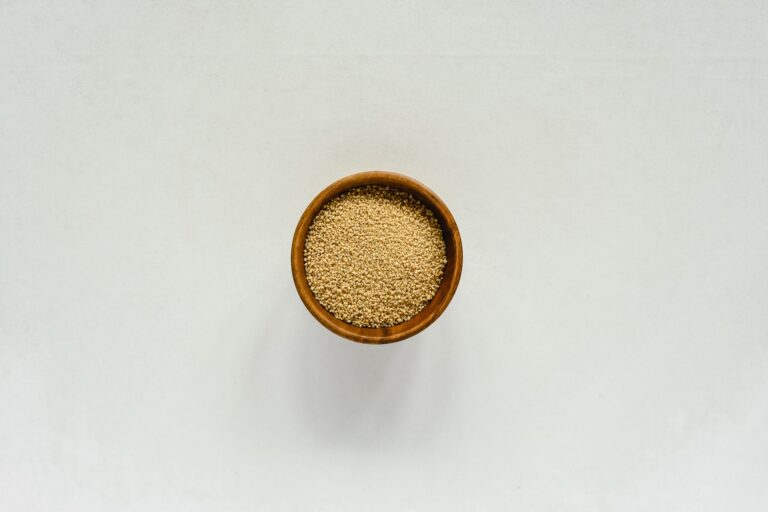
Sesame oil is a pressed oil from the seeds of Sesamum indicum, and it comes in two sharply different forms: a pale, neutral “light” oil for cooking and a dark, roasty “toasted” oil for finishing. That single distinction shapes nearly every decision you make with it, from smoke point to flavor to the actual antioxidant content sitting in the bottle. Sesame oil nutrition benefits and uses center on its fatty acid balance, its heat-stable lignans, and its place in both Asian and Mediterranean-style cooking.
This guide breaks down the real nutrition, science-backed benefits, and practical kitchen uses of sesame oil, from picking between toasted and light varieties to understanding its antioxidant lignans and potential allergy risks.
What Sesame Oil Actually Is and How It’s Made
Sesame seeds run roughly 50 percent fat by weight, which makes them unusually efficient for pressing. Once cleaned, the seeds can be processed two very different ways, and the result is the first big fork in the road.
Two extraction methods, two very different products
Cold-pressing squeezes the seeds mechanically without external heat. Friction inside the press warms the seed paste slightly, but temperatures stay low enough to preserve heat-sensitive compounds like sesamol and vitamin E. The trade-off is a lower yield and a shorter shelf life.
Refining uses chemical solvents, typically hexane, followed by bleaching and deodorizing at high heat. The payoff is a neutral-flavored oil with a higher smoke point and a longer shelf life. What gets stripped in the process is most of the bioactive lignans that make cold-pressed sesame oil nutritionally interesting.
Toasting creates an entirely different oil
Toasted sesame oil starts with seeds that have been dry-roasted before pressing, usually at 300 to 350°F for several minutes. The Maillard reaction between amino acids and sugars during that roast produces the deep amber color, the smoky aroma, and a set of flavor compounds that the untoasted version simply does not have.
Because the seeds are already roasted, the oil extracted from them carries that roasted character in concentrated form. The unrefined toasted oil is the bottle that most cooks picture when they hear “sesame oil” in an Asian recipe. Refined toasted oil exists too, but it loses much of what made the roast worth doing in the first place.
| Type | Color & Aroma | Best Used For |
|---|---|---|
| Cold-pressed untoasted | Light gold, mild nutty scent | Low-heat cooking, dressings, finishing |
| Refined light | Pale, nearly neutral | Sautéing, shallow frying, baking |
| Cold-pressed toasted | Dark amber, strong roasty aroma | Finishing, sauces, marinades |
| Refined toasted | Medium brown, milder aroma | Finishing when a subtler flavor is wanted |
The Nutritional Profile Beyond the Hype
One tablespoon of sesame oil contains about 120 calories and 14 grams of fat, which is roughly the same caloric load as olive, avocado, or canola oil. Where it differs is in the specific fatty acid mix and the antioxidant compounds that ride along with the fat.
Fatty acids lean balanced, not extreme
Sesame oil splits its fat almost evenly between monounsaturated oleic acid and polyunsaturated linoleic acid, with smaller amounts of palmitic and stearic acid. That ratio puts it in a useful middle zone: more polyunsaturated fat than olive oil, less than grapeseed or sunflower oil. For anyone tracking omega-6 intake, the linoleic acid content is real but not extreme by cooking-oil standards.
The lignans are the real story
The compounds that distinguish this oil are sesame lignans, primarily sesamin, sesamolin, and sesamol. They act as natural preservatives in the oil itself, which is why even ancient sesame oil resisted rancidity, and they have documented antioxidant activity once absorbed. Cold-pressed oil retains measurable sesamol; refining strips most of it. A label that boasts “antioxidant-rich” usually applies only to the unrefined, cold-pressed bottles.
Vitamin E shows up mainly as gamma-tocopherol rather than the alpha-tocopherol found in most other oils. Gamma-tocopherol behaves differently in the body and is the focus of active research on inflammation and cellular protection.
That distinct tocopherol mix shapes both its nutritional reputation and the clinical questions researchers have tried to answer.
Check the bottle before you trust the marketing. “Cold-pressed” and “unrefined” on the label are the two phrases that actually predict retained lignans.
What the Evidence Actually Shows About Health Benefits
The health claims around sesame oil are loud, but the evidence behind them is mixed and often modest. Sorting the signal from the noise matters because the actual effects are useful without being dramatic.
Blood pressure and cholesterol: real but modest
Several randomized trials in humans have tested daily sesame oil consumption in doses of roughly 30 to 40 ml, about two to three tablespoons, over periods of four to twelve weeks. The pattern that emerges is a small but consistent reduction in both systolic and diastolic blood pressure, with the proposed mechanism being sesamin’s effect on nitric oxide production, which helps blood vessels relax.
Studies in people with type 2 diabetes have also shown reductions in LDL cholesterol and triglycerides when sesame oil replaced a comparable amount of another cooking oil in the daily diet. These are not miracle numbers, but for a food swap rather than a drug, the effect size is meaningful.
Anti-inflammatory activity is real, human data is thin
Cell and animal studies show that sesamin and sesamol inhibit the NF-kB pathway, a central switch for inflammation in the body. That mechanistic evidence is solid, but dose-response data in humans remains limited. Realistic framing: the anti-inflammatory effect is plausible, possibly meaningful at consistent culinary doses, and not yet proven in the way pharmaceutical claims need to be.
Skin and topical use: traditional, not yet clinical
Topical sesame oil has a long history in Ayurvedic abhyanga massage, and small clinical studies suggest it can support skin barrier function and reduce staphylococcus colonization on the skin. The evidence here is preliminary. The skin benefits are real for many people anecdotally, but they are not the kind of claim a dermatologist would stake a treatment plan on.
Consistent daily use of unrefined oil as part of an overall dietary pattern is where benefits actually show up. A drizzle on takeout once a month changes nothing measurable.
Toasted Versus Light and Cold-Pressed: Choosing the Right Bottle
The form you choose changes the bottle you need, and smoke point is where that choice becomes concrete.
Smoke point sets the heat ceiling
Refined light sesame oil has a smoke point around 410°F, which genuinely makes it suitable for sautéing, roasting vegetables, and shallow frying. Cold-pressed sesame oil sits lower, around 350 to 375°F, which still handles gentle sautéing but punishes you if you let a pan go past that temperature. Toasted sesame oil, the dark aromatic one, smokes closer to 350°F and burns fast, which is why the bottle always tells you to use it at the end.
Flavor intensity is the other dividing line
Toasted sesame oil has a roasty, almost-burnt aroma that can overwhelm delicate dishes like a simple vinaigrette or a seafood broth. Light or refined sesame oil is neutral enough to disappear into any recipe, which is what you want for a weeknight stir-fry where the aromatics come from garlic and ginger rather than the oil itself.
The practical two-bottle setup
For most home cooks, the simplest working setup is a bottle of refined light sesame oil for general cooking and a small bottle of toasted oil kept strictly for finishing, dressings, and dipping sauces. The toasted bottle stays smaller because you use less of it, and smaller bottles go through it before the oil has a chance to go rancid.
Those quality advantages mean little, though, if the bottle poses problems for the person holding it.
Side Effects, Allergy Risks, and Who Should Be Cautious
Sesame is one of the most common food allergens in the United States, and the oil carries most of the same risk as the seed. Anyone with a diagnosed sesame allergy needs to treat sesame oil the same way they treat sesame seeds.
Allergy prevalence and the 2023 labeling change
Sesame became the ninth major food allergen required to be declared on U.S. packaged food labels in 2023, following a steady climb up the allergy charts over the previous decade. Among people with a sesame seed allergy, even tiny amounts of sesame protein can trigger reactions ranging from hives to anaphylaxis.
Highly refined sesame oil is occasionally tolerated by people with mild sesame seed allergies, because the refining process strips out most of the seed protein. Allergists still consider it unsafe without supervised testing, and the rule of thumb for anyone carrying an EpiPen is strict avoidance of all sesame-derived products.
Cross-reactivity with other seeds and nuts
Peanuts, tree nuts, and certain other seeds trigger cross-reactivity in a small share of people allergic to sesame. This complicates how and when sesame is introduced, especially for children with existing nut or seed allergies. Anyone in that category should introduce sesame only under medical guidance.
Omega-6 balance and calories
Sesame oil’s linoleic acid content is high enough that, in theory, very heavy daily consumption could push the overall omega-6 to omega-3 ratio toward pro-inflammatory territory. Realistic culinary quantities rarely cause this on their own. The bigger practical risk is caloric density: at 120 calories per tablespoon, sesame oil adds up fast in dressings, marinades, and finishing drizzles, and excess contributes to weight gain like any other oil.
Once you know the risks and calorie load, putting the oil to work in real recipes becomes far more straightforward.
Worth repeating because it matters: if sesame is on your allergy list, treat the oil the same as the seed. “Highly refined” on a label is not a free pass.
Cooking With Sesame Oil in a Modern Western Kitchen
A two-bottle setup removes nearly all the guesswork from cooking with sesame oil in a Western kitchen, letting the flavor do the heavy lifting.
Where light sesame oil earns its place
Light or refined sesame oil works anywhere a neutral cooking oil would, with a slightly richer mouthfeel. Use it for stir-fries, roasted vegetables at temperatures up to 400°F, seared salmon or chicken, and any baking application where olive oil feels too assertive. The neutral flavor means the aromatics in the dish still lead.
Where toasted sesame oil transforms a dish
A few drops added at the end of cooking is where toasted sesame oil earns its reputation as a finishing oil rather than a heat source. Drizzle it over finished soups, ramen, grain bowls, cold noodles, or roasted sweet potatoes. Whisk a small amount into a salad dressing with rice vinegar, soy sauce, ginger, and a touch of honey. Stir it into steamed greens just before serving. Anywhere its aroma can be smelled and tasted at the end of cooking is where it shines.
Building a simple sesame dressing
The base ratio is roughly three parts oil to one part acid, with a splash of soy sauce or tamari, a small spoon of grated ginger, and a touch of honey or maple syrup. Whisk it in a bowl or shake it in a jar. The same dressing works as a 30-minute marinade for tofu, chicken, or steak, and the toasted oil does the heavy lifting without needing a thick sauce.
Storage and shelf life after opening
Toasted sesame oil oxidizes faster than refined oil because of its unsaturation and the compounds created during toasting. Buy smaller bottles, store both kinds away from light and heat, and keep lids tightly closed. The clearest sign of rancidity is a paint-like or crayon-like smell; if the oil smells anything other than what it smelled like when new, replace it.
- Keep two bottles: one refined light for heat, one toasted for finishing.
- Add toasted oil at the end: so its aroma survives the heat of the pan.
- Build a 3:1 base: three parts oil to one part acid for dressings that also marinate.
- Replace off-smelling oil: paint-like, waxy, or crayon-like notes mean it’s gone.
- Buy smaller bottles: of toasted oil if you only use it occasionally.
FAQ
What are the side effects of sesame oil?
The main side effect is allergic reaction, which can range from mild itching to anaphylaxis in sensitive individuals. Otherwise, sesame oil’s side effects mirror those of any culinary oil: high caloric density and a small contribution to omega-6 intake if consumed in large daily amounts.
Is sesame oil good for high blood pressure?
Around 30 to 40 ml of sesame oil taken daily has lowered systolic and diastolic readings in clinical trials, probably because sesamin nudges nitric oxide upward. The effect is real but modest, and sesame oil works best as a food swap, not as a substitute for treatment your doctor has recommended.
How much sesame oil should you consume daily?
Most of the clinical research showing benefits uses 30 to 40 ml per day, roughly two to three tablespoons. For everyday cooking, one to two tablespoons of unrefined sesame oil as part of a balanced diet is a reasonable target without exceeding the calorie load.
What is the difference between toasted and regular sesame oil?
Toasted sesame oil is made from seeds that are roasted before pressing, which gives the oil a dark color and a strong, smoky aroma. Regular or light sesame oil comes from untoasted seeds, is pale and neutral, and has a higher smoke point suitable for cooking.
Can sesame oil help lower cholesterol?
In studies of people with type 2 diabetes, swapping another cooking oil for sesame oil over 8 to 12 weeks produced modest drops in LDL cholesterol and triglycerides. The effect is real but not large enough to replace any cholesterol management your doctor has already set up.
Is sesame oil safe for people with nut allergies?
Sesame is a seed, not a nut, but it does show cross-reactivity with peanuts and tree nuts in a minority of allergic individuals. Anyone with a known nut or seed allergy should consult an allergist before introducing sesame oil, and people with confirmed sesame allergy should avoid it entirely.