


Milled from durum wheat endosperm, this coarse flour delivers about 13 grams of protein per 100 grams and a steady stream of slow-release carbohydrates. A 100-gram serving delivers roughly 360 calories, 13 grams of protein, 70 grams of complex carbohydrates, plus B vitamins, iron, and magnesium in enriched versions. That same gluten-rich grind gives pasta its firm chew and couscous its springy texture.
This guide breaks down semolina’s nutritional strengths, body effects, comparisons to other flours, and cautions for anyone managing gluten sensitivity or watching their carb intake.
What Semolina Is and How Mills Produce It
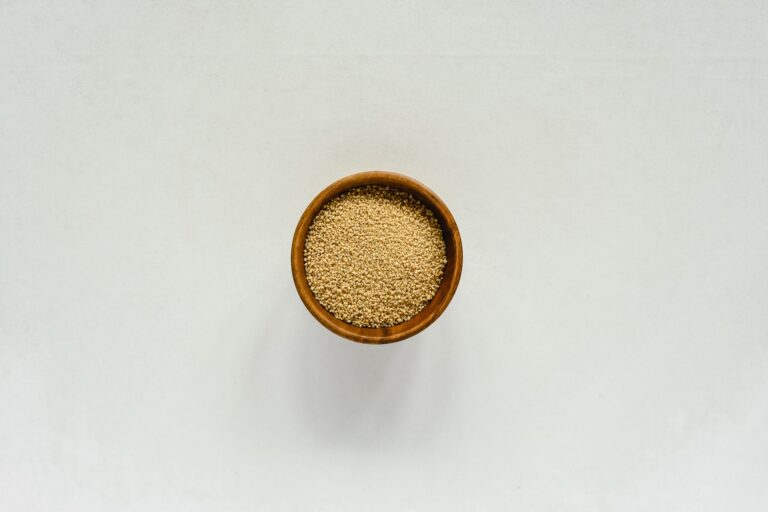
Semolina is the coarse, golden flour sifted from the purified endosperm of durum wheat (Triticum durum). The yellow color traces to carotenoid pigments, the same compounds that tint egg yolks, and the coarse texture comes from cracking the hard, glassy kernel rather than powdering it. Because mills strip away the bran and germ, semolina behaves differently from softer all-purpose flour in dough.
That granular grind absorbs liquid slowly and resists clumping, which is the engineering reason handmade pasta holds its bite, couscous stays separate, and sooji halwa develops its gritty chew. Durum wheat’s protein content typically lands between 12 and 15 percent, high enough to form a strong gluten network without added binders.
Forms You’ll See on the Shelf
Mills offer standard semolina (medium grind), coarse semolina, and finer durum flour from the same grain. Each grind changes water absorption and final texture, so the label matters when a recipe depends on chew. Standard semolina is the default in most Italian, North African, and South Asian cooking.
Semolina’s Nutritional Profile at a Glance
A 100-gram serving of refined semolina provides about 360 calories, 13 grams of protein, 70 grams of carbohydrates, and under 2 grams of fat, with no cholesterol. USDA FoodData Central lists semolina as a source of thiamine, folate, magnesium, and selenium; enriched versions add back iron, riboflavin, and folic acid lost during milling. The main trade-off is fiber, since plain semolina delivers less than 4 grams per 100 grams.
Whole-grain semolina keeps the bran and germ, lifting fiber toward 7 grams, doubling magnesium, and adding back zinc and antioxidants. The cooking behavior stays close to the refined version, so the swap is an easy upgrade when fiber matters more than color.
Macronutrients and Key Micronutrients Compared
| Nutrient (per 100 g cooked from ~200 g dry) | Refined Semolina | Whole-Grain Semolina |
|---|---|---|
| Calories | ~150 | ~150 |
| Protein | 5–6 g | 6–7 g |
| Carbohydrates | 30 g | 30 g |
| Fiber | 1–2 g | 4–5 g |
| Iron | 0.5–1 mg (enriched up to 2 mg) | 1.5–2 mg |
| Magnesium | ~20 mg | ~50 mg |
Tip: When a recipe calls for “semolina” without further detail, it usually means the refined, golden version. Choose whole-grain semolina when you want the fiber and micronutrient bump.
What Regular Semolina Consumption Can Do for the Body
Steady energy is the headline benefit. The complex carbohydrates in durum wheat break down more slowly than simple sugars, which helps avoid the sharp spike-and-crash cycle after a white-flour pastry. That same slow release supports endurance during long shifts or hard training sessions.
Protein quality is the quiet win. Durum wheat’s gluten proteins form an elastic network that traps air during kneading, so semolina pasta holds its shape and develops a signature chew without added binders. For a wheat-based food, that built-in structure is a practical bonus in the kitchen.
Micronutrients Worth Paying Attention To
Thiamine and folate drive energy metabolism and red blood cell formation, while added iron carries oxygen through the bloodstream and magnesium supports muscle recovery. Folate matters most during early pregnancy for neural-tube development, which is why enriched grains, including semolina, sit inside standard prenatal nutrition guidance from bodies such as the American College of Obstetricians and Gynecologists.
Enriched semolina can help close iron and folate gaps in populations prone to deficiency, including menstruating teens, pregnant people on restricted diets, and older adults who eat fewer animal proteins. Pairing it with vitamin C-rich foods, a squeeze of lemon or a side of bell peppers, improves non-heme iron absorption noticeably.
Semolina Compared to Whole Wheat, All-Purpose, and Durum Flour
All three flours start from wheat, yet they diverge in nutrition, texture, and best use. Whole-wheat flour keeps the bran and germ, so it carries more fiber, magnesium, and antioxidants than refined semolina, but it produces a denser crumb in cakes and a heavier bite in pasta. All-purpose flour is milled from softer wheat, has weaker gluten, and absorbs liquid faster, which makes it a versatile default for cookies, pancakes, and quick breads.
Semolina and durum flour come from the same kernel, so the semolina vs durum wheat comparison is mostly a question of grind. Semolina is the coarser cut, durum flour the finer one, and they swap into most pasta and bread recipes with little change in outcome. Nutritionally, refined semolina sits closer to white flour than to whole grain, and that ranking shapes how to balance it on the plate.
Because semolina is stripped during milling, comparing it head-to-head with the flours you’d actually choose clarifies what you’re gaining or losing.
How They Stack Up in the Pantry
| Flour Type | Best For | Protein (per 100 g) | Fiber (per 100 g) |
|---|---|---|---|
| Semolina (refined) | Pasta, couscous, halva, firm breads | ~13 g | ~3 g |
| Whole-wheat flour | Hearty breads, pancakes, rustic baked goods | ~13 g | ~10 g |
| All-purpose flour | Cakes, cookies, quick breads, general use | ~10 g | ~3 g |
| Durum flour | Fine pasta, breads where smooth texture matters | ~13 g | ~3 g |
Tip: For homemade pasta, blend 70 percent semolina with 30 percent all-purpose flour. The semolina provides chew and color, while the softer flour keeps the dough easy to roll.
Side Effects and Who Should Approach Semolina With Caution
Semolina’s high glycemic index is the first practical concern. A plain semolina porridge can raise blood sugar as quickly as white bread does, which makes it a poor standalone choice for people managing diabetes without medical guidance. Pairing it with protein, fat, and fiber-rich foods slows that spike considerably.
Gluten is the harder line. Semolina contains gliadin and glutenin, the two proteins that form wheat gluten, so it is unsafe for anyone with celiac disease, a diagnosed wheat allergy, or non-celiac gluten sensitivity. Whole-grain and organic versions still contain gluten; semolina is not a substitute for rice, buckwheat, millet, or certified gluten-free oats.
Less Obvious Issues to Watch For
- Low fiber content: Refined semolina delivers under 4 grams of fiber per 100 grams, so relying on it as a daily staple can contribute to constipation when it displaces whole grains.
- Calorie density: Semolina puddings, halva, and fried preparations pack 250 to 400 calories per modest serving, which can quietly work against weight-management goals.
- Phytic acid: Like all wheat, semolina contains phytic acid, which can modestly reduce absorption of iron, zinc, and calcium. Soaking, fermenting, or pairing with vitamin C-rich foods helps offset this effect.
- Cross-contamination risk: Semolina milled in shared facilities can pick up traces of soy, rye, or barley. People with severe allergies should look for dedicated allergen-control labeling.
Putting Semolina to Work in a Balanced Kitchen
Treat semolina as a specialist flour, not a daily replacement for whole grains. A 50-gram portion of dry semolina in homemade pasta or a bowl of upma delivers satisfying texture and a meaningful protein bump without crowding out fiber-rich foods elsewhere in your day.
For blood-sugar control, build the plate around semolina rather than letting it stand alone. Combine a small serving with vegetables, legumes, or a protein source like eggs, paneer, or chicken. The fiber and fat from those partners blunt the post-meal glucose rise and make the meal more filling.
Five Practical Kitchen Moves
- Boost pasta texture: Swap 30 to 50 percent of all-purpose flour for semolina in homemade pasta, gnocchi, and rustic breads for a chewier, more golden crumb.
- Make a balanced breakfast: Cook semolina as a savory upma or rava dosa with mixed vegetables, mustard seeds, and a side of yogurt for protein.
- Pair with legumes: Serve semolina dishes alongside lentils, chickpeas, or beans to slow digestion and add plant protein.
- Choose enriched or whole-grain versions: Pick fortified semolina for iron and folate, or whole-grain semolina when fiber is the goal.
- Use as a thickener: Toast semolina in butter for a nutty roux-style base in soups, stews, and savory puddings instead of cornstarch or white flour.
Bottom Line
Semolina earns its place in the pantry because of texture, not raw nutrition density. The flour delivers solid protein, useful B vitamins, and steady energy, and the gluten network it forms is hard to replicate with softer wheats. Reach for it when pasta, couscous, or a rustic bread is on the menu, then build the rest of the meal around vegetables, proteins, and whole grains to keep blood sugar and fiber in balance.
FAQ
What is semolina and what is it made from?
Semolina is the coarse, golden flour milled from the purified endosperm of durum wheat (Triticum durum). Mills crack the hard kernel, sift out the bran and germ, and grade the grind from coarse semolina to finer durum flour. Because the bran and germ are removed, semolina behaves differently from softer all-purpose flour in dough.
Is semolina healthy or unhealthy?
In sensible portions, enriched or whole-grain semolina pairs well with protein, vegetables, and healthy fats to support a balanced diet. Plain refined semolina is low in fiber and has a high glycemic index, so large portions on their own can spike blood sugar and displace more nutrient-dense whole grains.
What are the main nutritional benefits of semolina?
Semolina delivers plant-based protein (about 13 grams per 100 grams dry), complex carbohydrates for steady energy, and B vitamins like thiamine and folate. Enriched versions add iron and folic acid, while whole-grain semolina lifts fiber, magnesium, and zinc noticeably. The strong gluten network also gives baked goods a texture that softer flours struggle to match.
Does semolina contain gluten and is it safe for celiac disease?
Yes, semolina contains the gliadin and glutenin proteins that form wheat gluten. It is not safe for anyone with celiac disease, a diagnosed wheat allergy, or non-celiac gluten sensitivity. Rice, millet, buckwheat, or certified gluten-free oat flour make safer pasta and porridge alternatives.
What are the side effects of eating semolina?
Eating large amounts of refined semolina can drive blood-sugar spikes, crowd out fiber, and slowly add calories from dense preparations like halwa or creamy puddings. Semolina can also trigger symptoms in anyone with celiac disease, wheat allergy, or non-celiac gluten sensitivity, and phytic acid may modestly reduce mineral absorption when it dominates the diet.
How does semolina differ from regular flour?
Hard durum wheat yields the coarse, golden granules of semolina, while softer wheat produces the fine, powdery texture of all-purpose flour. Semolina has more protein (about 13 grams per 100 grams versus 10 grams), a stronger gluten network, and a golden color from carotenoid pigments. The two flours behave differently in dough and are not always interchangeable.