
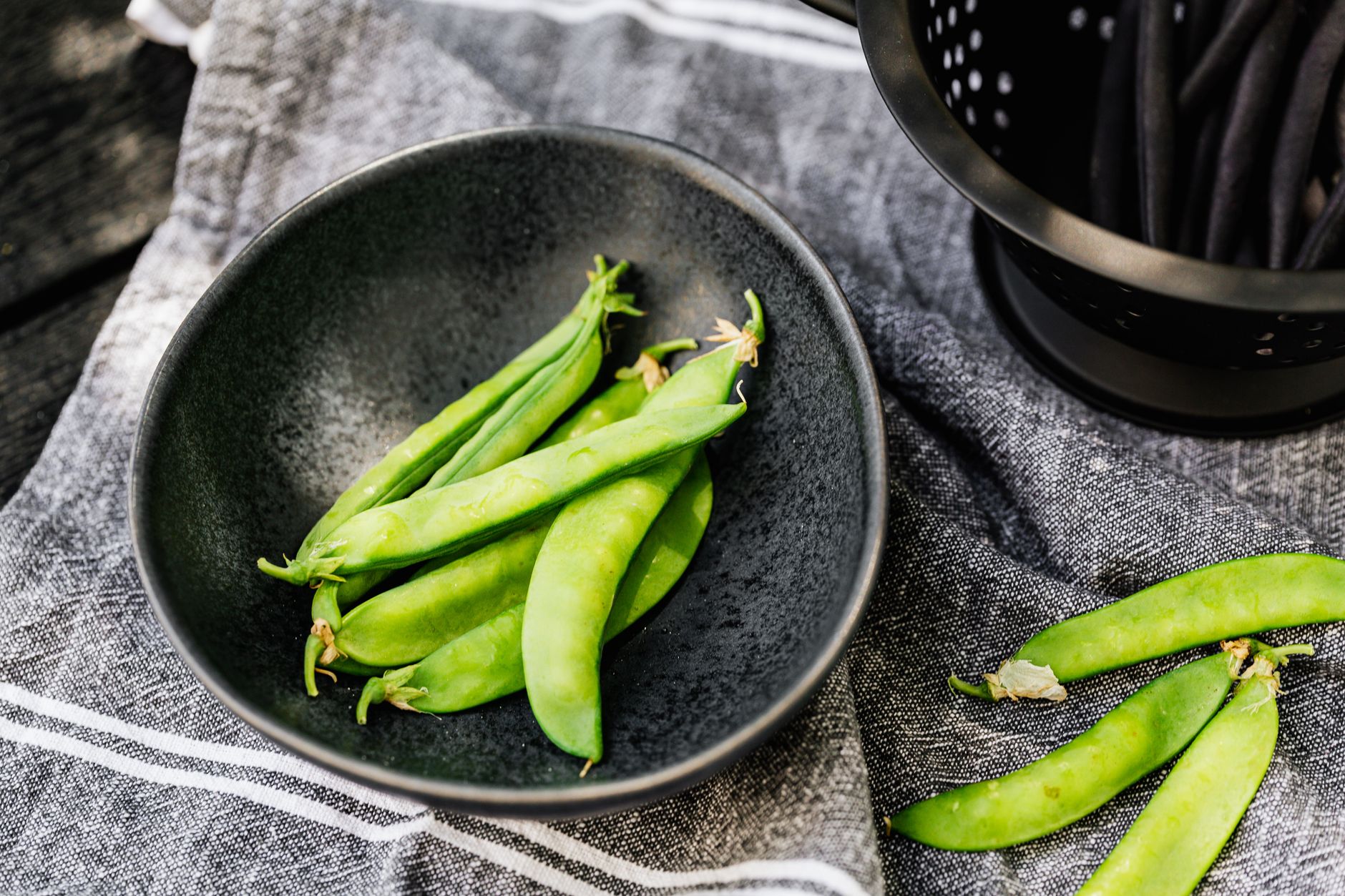

Flat-podded peas (Pisum sativum var. macrocarpon) deliver a nutrient profile rich in vitamin C, vitamin K, and dietary fiber per 100 grams. macrocarpon) harvested young and eaten whole, pod and all. A 100-gram raw serving delivers roughly 42 calories, about 2.6 grams of fiber, and notable amounts of vitamin C, vitamin K, and folate, making them one of the lightest legumes in a typical kitchen.
You will get a practical look at the key nutrients, the snow peas health benefits tied to those nutrients, possible snow peas side effects worth knowing, and the cooking moves that keep flavor and crunch intact.
What Sets Snow Peas Apart From Other Peas
Pick a snow pea before the seeds inside fully swell, and the pod stays flat, thin, and tender enough to eat without shelling. That harvest window is the single biggest difference between snow peas (also called mangetout in British and French markets) and the round, starchy garden peas you find in frozen bags.
Snow peas vs. snap peas vs. garden peas
| Feature | Snow Peas | Sugar Snap Peas | Green Garden Peas |
|---|---|---|---|
| Pod shape | Flat, thin | Rounded, plump | Filled, fibrous |
| Edible pod | Yes, whole | Yes, whole | No, shelled only |
| Texture when raw | Crisp, delicate | Crunchy, juicy | Starchy, firm |
| Typical use | Stir-fries, salads | Snacking, blanching | Soups, sides |
| Harvest stage | Very young | Young but swelling | Mature |
Sugar snap peas are a hybrid of snow peas and garden peas, so they share the edible-pod trait with snow peas but carry plumper peas inside. Garden peas are the starchy classic you find frozen or canned, and only the round seeds inside are eaten. The flat, edible pod is what gives snow peas their signature crunch and low calorie density.
Common names and what they tell you
You may see snow peas labeled as “mangetout” in British and French markets, or “Chinese pea pods” in older American cookbooks. All three names point to the same flat-podded legume in the Leguminosae family. When a recipe calls for any of these, you can substitute them one-for-one in stir-fries, salads, and noodle dishes.
A Practical Nutritional Breakdown of Snow Peas
Eating the whole pod means snow peas deliver more fiber per bite than shelled garden peas. The macronutrients stay light: low calorie, low fat, modest protein, steady carbohydrates, and almost no natural sugar.
Calories, protein, and fiber per serving
| Nutrient | Per 100 g (raw) | Per 1 cup (raw, ~63 g) |
|---|---|---|
| Calories | ~42 kcal | ~26 kcal |
| Protein | ~2.8 g | ~1.8 g |
| Carbohydrates | ~7.5 g | ~4.7 g |
| Fiber | ~2.6 g | ~1.6 g |
| Fat | ~0.2 g | ~0.1 g |
| Sodium | ~4 mg | ~2.5 mg |
Numbers reflect the standard raw entry published by the USDA FoodData Central. A one-cup serving lands well under 30 calories, which makes snow peas an easy way to bulk up a plate without crowding out other nutrients.
Key vitamins and minerals
The same 100-gram raw serving provides strong amounts of vitamin C (around 60 mg), vitamin K (around 25 mcg), and folate. Manganese, iron, and potassium show up in smaller but useful doses. Vitamin C supports immune function and collagen synthesis. Vitamin K plays a role in blood clotting and bone health. Folate matters for DNA synthesis, cell division, and pregnancy nutrition.
Because snow peas are low in sodium and fat, they slot cleanly into heart-healthy patterns like the DASH and Mediterranean approaches without bumping up your salt budget for the day. That combination of low sodium plus potassium is one reason nutritionists keep recommending them in blood-pressure-friendly meals.
The blood-pressure case is one example of a broader pattern worth examining more closely.
Evidence-Based Health Benefits of Eating Snow Peas
The benefits trace directly back to the snow peas nutritional value listed above. Fiber, vitamin C, vitamin K, folate, and plant-based iron each carry their own track record, and snow peas deliver them in one crunchy package.
Immune, skin, and antioxidant support
Vitamin C acts as a cofactor in collagen production, which keeps skin, blood vessels, and connective tissue resilient. The same vitamin scavenges free radicals and supports white blood cell activity. Snow peas also carry carotenoids and flavonoid antioxidants, which some studies suggest help counter oxidative stress, though research on dietary antioxidants always talks in terms of “may support” rather than proof of disease prevention.
Digestive health, satiety, and weight management
Soluble and insoluble fiber together slow gastric emptying, feed gut microbes, and add bulk to stool. A 100-gram serving gives you roughly 2.6 g of fiber for about 42 calories, a ratio that helps with portion satisfaction. Combined with the very low fat content, snow peas can be a strong choice when you want volume and crunch without a calorie spike, which is part of why they appear in so many weight-management plans. That fiber-to-calorie ratio is also why snow peas for weight loss come up so often in nutrition searches.
Bone strength, blood clotting, and steady energy
Vitamin K works with manganese to support bone mineralization, and the two are quietly abundant in snow peas relative to their calorie load. Plant-based iron contributes to oxygen transport in red blood cells, which matters for vegetarians, vegans, and endurance athletes trying to keep energy levels steady. The carbohydrate profile is low glycemic, so a stir-fry with snow peas is less likely to spike blood sugar than a rice-heavy meal of equal size.
Potential Side Effects, Allergies, and Sensitivities
For most adults, snow peas are gentle on the system. A few specific situations deserve a closer look before you make them a daily habit.
Legume allergy and cross-reactivity
Anyone with a known legume allergy, especially to peas, lentils, or peanuts, can react to snow peas. Cross-reactivity happens because proteins in the Leguminosae family share structural similarities. Symptoms can range from itching and hives around the mouth to more serious respiratory or digestive reactions. Stop eating them and consult a qualified clinician if a reaction shows up.
Gas, bloating, and lectin-related complaints
Raw or undercooked peas contain lectins and oligosaccharides that ferment in the large intestine. Sensitive stomachs can experience gas, cramping, or bloating, particularly when intake jumps suddenly. Brief cooking, such as a 60- to 90-second blanch or a quick stir-fry, softens lectins and tends to settle the gut. Gradual portion increases help your microbiome adapt.
Vitamin K and blood-thinning medication
Vitamin K plays a direct role in clotting, so a sudden jump in vitamin K foods can interfere with warfarin and similar medications. Snow peas are not exceptionally high in vitamin K compared with leafy greens, but consistency matters more than avoidance. Keep your weekly intake steady and discuss any dietary changes with the prescribing clinician.
Pesticide residue and washing
Rinse snow peas under cool running water, rub the pods gently with your fingers, and trim the stem end before cooking.
The Environmental Protection Agency tracks pesticide residue on conventional produce, and peas sometimes appear on the higher-residue lists. Buying organic, sourcing from a trusted farm, or growing your own reduces that exposure. If you go conventional, thorough washing plus snapping off the tough stem end is a sensible baseline.
Cooking Snow Peas to Preserve Nutrients and Crunch
Heat-sensitive vitamin C starts to break down quickly, and overcooked snow peas turn limp and grassy. The goal is to keep the pod bright green, slightly snappy, and just heated through.
Brief heat methods that work best
- Blanch for 60 to 90 seconds. Drop pods into boiling water, then shock in ice water to lock in color and crunch.
- Stir-fry on high heat for 2 to 3 minutes. Add them last so they stay vibrant instead of soggy.
- Steam for 2 minutes. Preserves more vitamin C than boiling because no nutrients leach into water.
- Eat raw when the pod is thin. Younger pods taste sweet and need no cooking at all.
Raw vs. cooked trade-offs
Raw snow peas retain the most vitamin C, but a brief steam makes some antioxidants, like beta-carotene, easier for your body to absorb. Fiber content stays nearly identical in either case. If your gut is sensitive, cooked snow peas usually sit better than raw.
Choosing raw or cooked is mostly a personal-comfort call once nutrient losses are minor.
Smart Ways to Add Snow Peas to a Weekly Diet
Snow peas earn their place in a balanced diet because they cook in under three minutes, forgive a busy cook, and pair with almost any protein or grain. A few habits make them easier to keep on hand.
Quick weeknight applications
- Stir-fry base. Toss snow peas with garlic, ginger, soy sauce, and chicken, shrimp, or tofu over rice.
- Pasta brightener. Add blanched pods to lemon-butter pasta for color and snap.
- Salad topper. Raw or lightly steamed pods give leafy salads a sweet crunch.
- Grain bowl mix-in. Layer them into quinoa or farro bowls with sesame dressing.
Storage and selection cues
Look for flat, bright green pods that snap cleanly when bent. Avoid limp, yellowing, or bloated pods. Store unwashed snow peas in a perforated plastic bag in the crisper drawer, where they hold quality for 5 to 7 days. Wash only right before cooking to prevent moisture damage.
How they fit into specific eating patterns
Because the carb count is modest and the fiber is high, snow peas work in low-carb and diabetic-friendly meals. They are not zero-carb, so strict keto eaters should keep portions small. A standard serving is generally well tolerated on a low-FODMAP plan when eaten in moderate amounts, though individual tolerance varies. For vegetarians and vegans, the combination of plant iron and vitamin C is especially useful, since vitamin C improves non-heme iron absorption.
Trade-Offs, Limits, and Your Next Step
Snow peas are a smart add-on, not a complete nutritional solution. The protein content is modest at roughly 2.8 g per 100 g, so pair them with beans, tofu, eggs, fish, or meat when you need a fuller amino acid profile. Iron is plant-based and less bioavailable than heme iron from animal sources, so combining snow peas with a vitamin C source (lemon, bell pepper, citrus dressing) gives you better absorption in the same meal.
People taking blood thinners, those with a legume allergy, and anyone with a sensitive gut should moderate their intake and prioritize consistency over quantity. The most common mistake in home cooking is overcooking, which destroys vitamin C and turns the pods olive-drab. A two-minute stir-fry or a 60-second blanch keeps both color and nutrition intact.
Try one new snow pea recipe this week: a quick garlic-ginger stir-fry with your usual protein, served over rice or noodles. Buy a small bag, store it in the crisper drawer, and snap a pod in half at the store to check freshness before you commit.
FAQ
Are snow peas good for weight loss?
A full cup of these pods adds only about 26 calories and roughly 1 gram of protein to a weight-loss plate.6 g of fiber, which supports fullness without adding much energy density. Pair them with lean protein and whole grains for a balanced plate.
Can you eat snow peas raw?
Yes, when the pods are young and tender. Rinse them well, snap off the stem end, and add them raw to salads or dip platters. Cooking makes them easier to digest if you have a sensitive gut.
Do snow peas cause gas or bloating?
Lectins and fermentable oligosaccharides in these pods can trigger gas and bloating in sensitive digestive systems. Brief cooking and gradually increasing your serving size usually reduces these effects.
How do snow peas compare to sugar snap peas?
Flat, edible pods with tiny undeveloped seeds define snow peas, while plumper pods with rounded peas inside mark their sugar snap cousins. Snap peas tend to be slightly sweeter and more filling, but both deliver similar vitamin C, fiber, and low calories.
Are snow peas safe during pregnancy?
That a useful source of folate, which supports fetal development, and they are generally safe when washed well and cooked briefly. Speak with a prenatal care provider about any specific dietary concerns.
Do snow peas interfere with blood thinners?
Snow peas contain vitamin K, which plays a role in clotting. Consistency in your usual intake matters more than avoidance, and any major diet change should be discussed with the prescribing clinician.