


Safflower oil is a neutral-flavored, plant-based fat pressed from the seeds of Carthamus tinctorius, a thistle-like flower once grown for red and yellow dye. One tablespoon delivers about 120 calories and 14 g of fat, no cholesterol, and roughly 70–80% monounsaturated oleic acid in the high-oleic version, the form most common on US shelves. That oleic profile gives the oil a smoke point near 250 °C (about 475 °F), so it handles searing and deep frying far better than butter or extra-virgin olive oil.
This practical walkthrough breaks down the nutrition, benefits, and drawbacks of safflower oil for home cooks weighing whether it deserves a spot in their pantry.
What Safflower Oil Actually Is and Where It Comes From
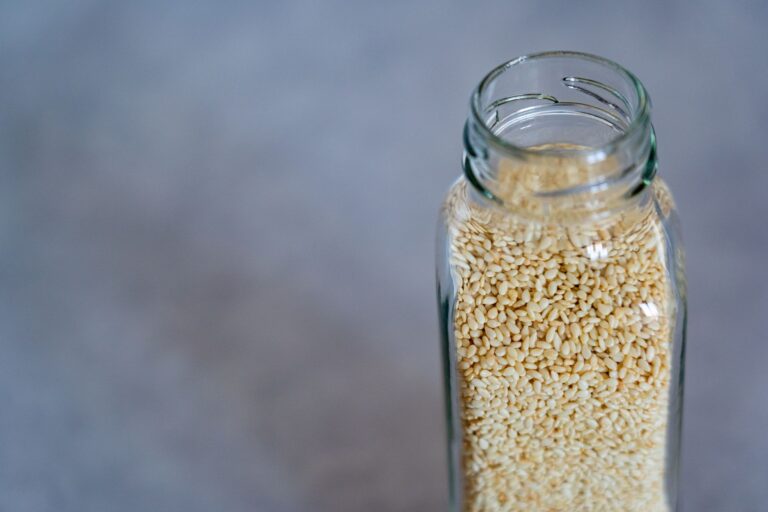
Carthamus tinctorius has been cultivated for roughly 4,000 years, first in the Middle East for its vivid yellow and red pigments and later for the oil stored inside its small, white seeds. By the mid-twentieth century, plant breeders had developed two commercial types, one high in linoleic acid (a polyunsaturated omega-6) and one high in oleic acid (a monounsaturated omega-9).
Modern refining removes color, odor, and free fatty acids through bleaching and deodorizing, producing the clear, neutral oil you find in most bottles. Cold-pressing skips those steps and keeps more of the seed’s natural flavor, but it also shortens shelf life and lowers the smoke point. Either way, the oil is pressed from a dedicated oilseed, not extracted as a byproduct of another industry.
The Nutritional Profile and Fatty Acid Breakdown
One tablespoon of refined safflower oil weighs in at about 120 calories, 14 g of total fat, 0 g of carbohydrates, 0 g of protein, and no cholesterol. It contributes around 1.6–4.6 mg of vitamin E per tablespoon, mostly as alpha-tocopherol, depending on the variety, covering roughly 10–30% of your daily target according to the USDA FoodData Central database.
Fat quality is where the two varieties diverge sharply. The high-linoleic version runs about 70–75% linoleic acid with only trace amounts of oleic acid, while the high-oleic version flips that ratio to roughly 70–80% oleic acid and just 10–15% linoleic acid. Both are free of trans fat in their refined form, but the oleic profile behaves more like olive or avocado oil in a hot pan, holding its structure instead of breaking down into off-flavors.
| Nutrient (per 1 Tbsp / ~14 g) | High-Oleic Safflower Oil | High-Linoleic Safflower Oil |
|---|---|---|
| Calories | ~120 | ~120 |
| Total Fat | 14 g | 14 g |
| Oleic Acid (MUFA) | 70–80% | 10–15% |
| Linoleic Acid (PUFA, omega-6) | 10–15% | 70–75% |
| Vitamin E (alpha-tocopherol) | ~1.6–4.6 mg | ~1.6–4.6 mg |
| Cholesterol | 0 mg | 0 mg |
High-Oleic Versus High-Linoleic: Choosing the Right Type
The oleic variety was bred for oxidative stability, meaning the oil resists breaking down when heated. That single trait reshaped the American cooking-oil market because it lets the oil sit on a restaurant fryer line for hours without smoking or turning rancid. Most bottles in the supermarket cold case today carry the high-oleic label, though you have to read the front of the package carefully, since “100% safflower oil” can technically refer to either type.
The linoleic variety remains more of a specialty product, common in natural-food stores and some bulk bins. It has a faintly nuttier taste and a smoke point closer to 225 °C (about 440 °F), so it works well in salad dressings, quick sautés, and homemade mayonnaise, but it breaks down faster in a screaming-hot pan. Reaching for the right one depends on what you’re cooking: high heat calls for the oleic bottle, while cold applications let the linoleic version’s flavor and fatty acid mix shine.
Once you’ve matched the variety to the pan, it helps to know what those fatty acids actually deliver beyond the skillet.
Check the front label, not the back. “High-oleic” should be printed clearly, often with a “heart-healthy” or “heat-friendly” callout. If the bottle only says “safflower oil” without a variety, assume linoleic unless you spot a fatty acid breakdown on the side panel.
Evidence-Based Health Benefits Worth Knowing
Replacing saturated fats, like butter, lard, or palm oil, with unsaturated oils has been linked in multiple clinical trials to lower LDL cholesterol and a better overall lipid profile. Swapping solid cooking fats for liquid unsaturated oils to reduce heart disease risk has been a long-standing recommendation from the American Heart Association, and safflower fits squarely inside that guidance. A well-cited Australian trial found that adults who used high-oleic safflower oil in their daily cooking saw a drop in LDL without lowering HDL, often called the “good” cholesterol.
The vitamin E content does double duty as an antioxidant, helping neutralize free radicals that build up during normal metabolism. For blood sugar control and inflammation, the evidence is mixed: the high-oleic variety behaves more like olive oil and shows neutral-to-favorable effects, while pouring large amounts of the linoleic version onto a diet already heavy in processed food can tip the omega-6 to omega-3 ratio in the wrong direction. The dose, and what it replaces, matters more than the oil itself.
What the Research Actually Shows
Most of the positive cardiometabolic data comes from studies where participants swapped a saturated fat for safflower oil rather than adding it on top of an existing diet. That detail is easy to miss in the headlines, but it changes the meaning of the result: the benefit comes from displacement, not from the oil working in isolation. In head-to-head trials against other unsaturated oils, the high-oleic version performs similarly to sunflower and canola oil on LDL reduction, while the high-linoleic version sometimes nudges HDL slightly higher.
Potential Side Effects, Risks, and Common Concerns
Linoleic acid itself is not dangerous, but the modern Western diet already delivers far more omega-6 than omega-3, and dumping more of it onto an imbalanced plate can keep that ratio tilted in the wrong direction. Some researchers associate a high omega-6 to omega-3 ratio with low-grade chronic inflammation, though the picture is complicated by genetics, overall diet, and the rest of the fatty acids in your meals. If you already cook with several omega-6-rich oils, switching to the high-oleic version is the safer call.
Refining strips most of the plant’s natural phytochemicals away, so you lose the minor compounds found in whole safflower seeds. Allergic reactions to the oil itself are rare but documented, mostly in people with known sensitivity to plants in the Asteraceae family, the same group that includes ragweed, daisies, and chrysanthemums. As a calorie-dense fat, overconsumption can also add up fast, since oils provide no fiber and only modest satiety for the calories they bring.
Those same dense calories that make the oil energy-rich also explain why portion control matters more than people expect.
Cooking Performance, Smoke Point, and Kitchen Comparisons
Refined high-oleic it reaches a smoke point near 250 °C (about 475 °F), high enough for deep frying, stir-frying, and searing a thick steak without the oil breaking down into acrid smoke. That stability comes from the molecular structure of oleic acid, which has a single double bond rather than the two bonds found in linoleic acid. Heat-resistant doesn’t mean indestructible, though: an oil that darkens fast or smells sharp has passed its safe window and should be tossed.
The neutral flavor is a quiet asset. A delicate vanilla cake batter or a bright vinaigrette won’t pick up grassy or peppery notes, which is why the high-oleic version has become a workhorse in commercial kitchens and packaged baked goods. Against extra-virgin olive oil, it gives up polyphenols and Mediterranean character but gains heat tolerance. Against sunflower and canola, it holds its own nutritionally, though it often costs a little more and shows up in fewer brands.
Choosing the Right Oil for the Job
- Deep frying or searing: High-oleic safflower handles 250 °C cleanly and outlasts most vegetable oils.
- Salad dressings and marinades: Either variety works; cold-pressed linoleic adds a subtle nutty note.
- Baking and gentle sautés: High-oleic gives a clean backdrop without adding flavor or color.
- Replacing butter or coconut oil: Use it as a 1:1 swap for saturated fats in most recipes to lower LDL.
- Rotating with other unsaturated oils: Pair it with olive, avocado, or nut oils to broaden the fatty acid mix.
Bottom Line
The high-oleic version of this oil earns its place on your shelf: heat-stable, neutral, cholesterol-free, and rich in monounsaturated fat that supports better lipid numbers when it replaces saturated fats in cooking. The high-linoleic variety still has a role in cold applications but can overshoot omega-6 intake on a modern American diet. Choose the oleic bottle for the pan, save the linoleic one for the dressing, and let it displace a saturated fat rather than stack on top of an already fatty meal.
FAQ
What is safflower oil and how is it made?
It’s a neutral plant oil pressed from the seeds of Carthamus tinctorius, a thistle-like annual flower. Refined versions are bleached and deodorized for a clean taste, while cold-pressed bottles keep more of the seed’s natural flavor at the cost of a lower smoke point and shorter shelf life.
What are the nutritional facts of safflower oil?
One tablespoon (about 14 g) of refined it contains roughly 120 calories, 14 g of fat, 0 mg of cholesterol, and 1.6–4.6 mg of vitamin E. The exact fatty acid split depends on the variety, with high-oleic bottles running 70–80% oleic acid and high-linoleic bottles running 70–75% linoleic acid.
Is safflower oil good or bad for you?
It can be either, depending on which variety you buy and what it replaces. The high-oleic version is a heart-friendlier swap for butter, lard, or palm oil, while heavy use of the high-linoleic version can push an already omega-6-heavy diet further out of balance.
What are the proven health benefits of safflower oil?
The strongest evidence points to lower LDL cholesterol when it replaces saturated fats in everyday cooking. Vitamin E adds a modest antioxidant boost, and the high-oleic variety behaves like olive oil on blood lipids; claims about blood sugar or inflammation remain mixed.
Does safflower oil help with cholesterol or heart health?
Yes, when it displaces saturated fat. Trials show LDL drops without HDL falling, especially with the high-oleic version, and large reviews of unsaturated oils back up that lipid pattern.
What are the side effects or risks of safflower oil?
Most people tolerate it well, but the high-linoleic version can push omega-6 intake very high in large amounts. Rare allergic reactions show up in people sensitive to Asteraceae plants like ragweed and daisies, and the calories add up quickly if you pour liberally.