

Brassica napobrassica, a cool-season cruciferous root, delivers a dense matrix of vitamins, minerals, and fiber in every serving. A cooked cup delivers roughly 50% of the daily vitamin C target, about 3 grams of fiber, and only 36 to 40 calories per 100 grams, making it a nutrient-dense swap for heavier starches. You’ll also find meaningful potassium, magnesium, folate, and glucosinolates in every serving.
Below you’ll find the full nutrition breakdown, the rutabaga health benefits tied to current research, the side effects worth knowing, and the kitchen basics for buying, storing, and cooking rutabaga at home.
Rutabaga’s Place in the Root Vegetable Family
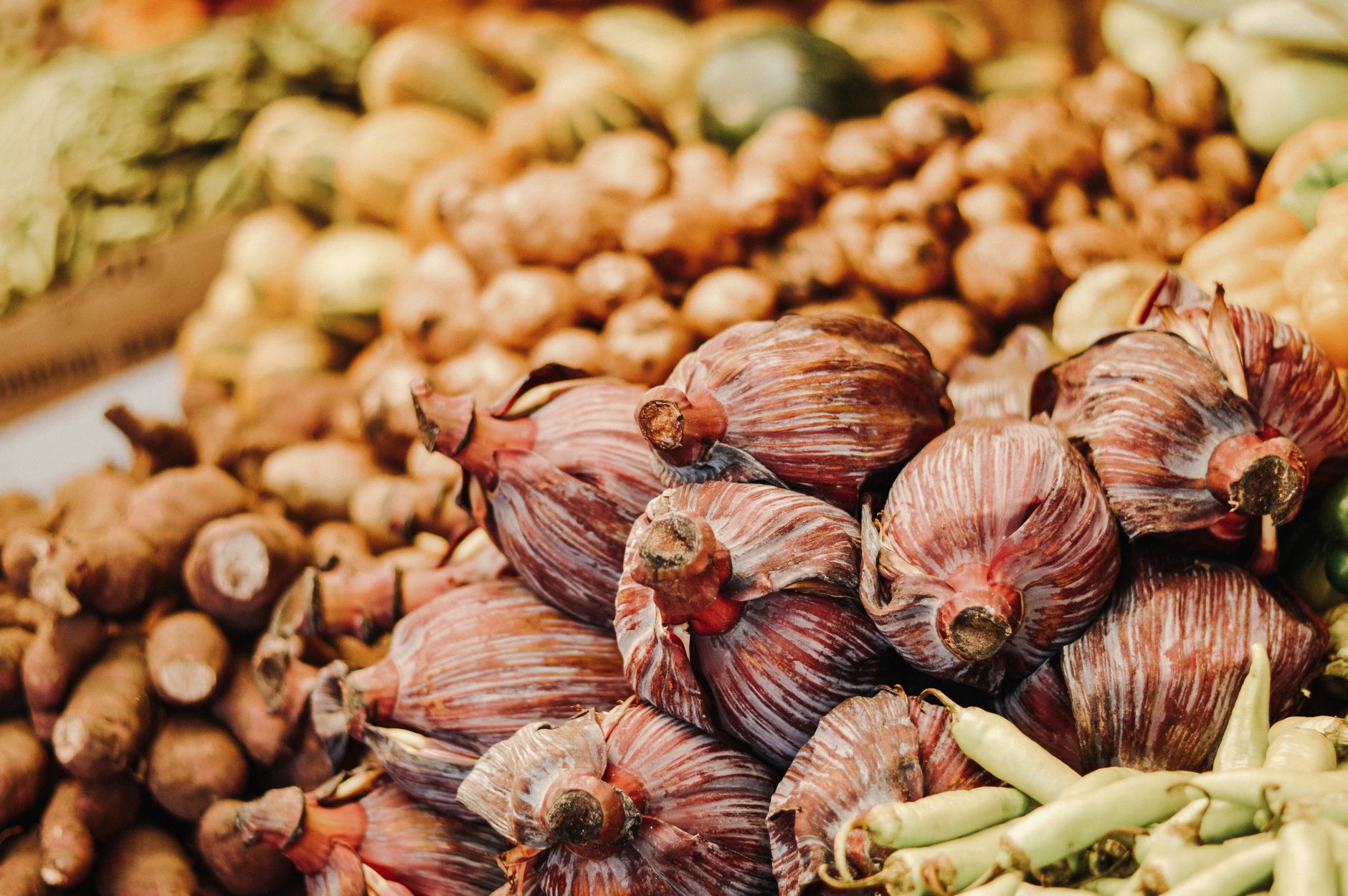
Picture a vegetable that looks like a turnip in a purple coat, with butter-yellow flesh underneath. Rutabaga belongs to the cruciferous family, a group that includes broccoli, kale, and Brussels sprouts, so it shares the same sulfur-based compounds those vegetables are famous for.
Its origin story is short and practical. Rutabaga appeared in Scandinavia during the 17th century as a natural cross between a turnip and a cabbage, which is why British and Irish cooks still call it a swede. In Scotland and northern England the same root shows up as a neep, mashed and served with haggis on Burns Night.
How Rutabaga Differs from Its Cousins
At the grocery store, the easiest tell is size and color. Rutabagas run larger than turnips, usually 4 to 6 inches across, with a dull purple crown fading into cream-colored skin. Turnips stay smaller, whiter, and sharper in flavor.
The flesh is the real giveaway. A cut rutabaga glows pale yellow and smells faintly of cabbage, while a turnip stays bright white and tastes peppery raw. That yellow flesh is the visual cue that you’re holding a cruciferous root, not a starchy tuber.
| Trait | Rutabaga | Turnip | Potato |
|---|---|---|---|
| Family | Cruciferous (Brassica) | Cruciferous (Brassica) | Nightshade (Solanaceae) |
| Typical color of flesh | Pale yellow | White | White to yellow |
| Flavor when raw | Mild, slightly sweet | Peppery, sharp | Starchy, bland |
| Best cooking method | Roast, mash, stew | Roast, pickle | Bake, fry, mash |
A Calorie-Conscious Nutrient Profile
Built around high volume and a robust vitamin load, the profile delivers substantial nourishment for remarkably few calories. A 100-gram serving lands at roughly 36 to 40 calories, with about 6 grams of net carbohydrates and nearly 3 grams of fiber per cooked cup, according to USDA FoodData Central.
That combination fills a plate without flooding your bloodstream with glucose. The fiber slows digestion, and the water-heavy flesh adds bulk to soups, mashes, and roasted vegetable trays without much caloric cost.
Key Micronutrients Per Cooked Cup
One cup of cooked, cubed rutabaga, around 170 grams, supplies a meaningful share of several daily targets. Vitamin C leads the list at roughly 50% of the daily value, with potassium close behind at about 12%.
- Vitamin C: Roughly 50% of daily needs per cup, supporting collagen and immune function.
- Potassium: Around 12% of the daily target, helping regulate fluid balance and blood pressure.
- Magnesium: Roughly 8% of daily needs, useful for muscle and nerve signaling.
- Folate: About 6% of the daily target, especially relevant for cell repair.
- Vitamin K and lutein: Present in smaller amounts, both tied to long-term eye and bone health.
What the Research Shows About Health Benefits
The rutabaga health benefits cluster around four mechanisms: antioxidant protection, gut health, blood sugar control, and cardiovascular support. Each ties back to a specific compound in the root.
Cruciferous vegetables as a group link to lower risks of several chronic conditions in large reviews, and rutabaga belongs to that family.
Glucosinolates and Cellular Protection
Rutabaga contains glucosinolates, sulfur-rich compounds that break down during chewing and cooking into substances such as sulforaphane. In laboratory models, those breakdown products have been studied for their potential to slow the growth of cancer cells, though results in humans are still being mapped.
Cooking reduces the glucosinolate content, so a mix of raw slaw and roasted cubes gives the broadest exposure. Light steaming for under 10 minutes preserves more of these compounds than boiling for 30.
Antioxidants for Eye and Skin Health
Beta-carotene and lutein give rutabaga its pale orange tint near the skin. Both are carotenoid antioxidants that concentrate in the retina, where they filter blue light and may reduce age-related eye stress over time. Eating the vegetable with a little fat, olive oil or butter, improves how much you actually absorb.
Fiber, Gut Bacteria, and Blood Sugar
Soluble fiber in rutabaga feeds the beneficial bacteria in your colon and slows glucose absorption in the small intestine. That double action supports steadier blood sugar after meals and a more diverse gut microbiome, which researchers now link to broader immune and metabolic health.
For people asking is rutabaga good for you on a diabetic or low-glycemic plan, the answer is generally yes in moderate portions, since the fiber blunts the glucose response compared with white potato.
Potassium and Cardiovascular Support
A cup of cooked rutabaga delivers more potassium than a medium banana does, gram for gram. Higher potassium intake is associated with lower blood pressure in population studies, particularly when paired with reduced sodium.
Combined with the fiber and antioxidants, that potassium makes rutabaga a practical addition to a heart-conscious diet without adding cholesterol or saturated fat.
Side Effects, Goitrogens, and Who Should Be Cautious
Eating rutabaga is safe for most people, but a few compounds deserve attention, especially for anyone with thyroid or kidney conditions. Rutabaga side effects are mostly tied to goitrogens, vitamin K, and potassium load.
Goitrogens and Thyroid Function
Rutabaga contains goitrogenic compounds, natural substances that can interfere with thyroid hormone synthesis when eaten raw and in very large amounts. Cooking reduces this effect substantially, which is why most recipes call for at least a light roast or simmer.
People with existing hypothyroidism or low iodine intake should moderate raw portions and discuss serving sizes with a clinician familiar with their case.
Vitamin K and Blood Thinners
Even modest portions of crucifers like this supply vitamin K, the same compound that enables blood to clot properly. Those on blood-thinning medication may need to keep vitamin K intake steady rather than spike it suddenly, though normal cooked portions of rutabaga are usually safe within a balanced week.
Potassium and Kidney Conditions
People restricting potassium for chronic kidney disease need to factor in each serving, since this root delivers a meaningful dose per portion. A single cup is unlikely to cause trouble, but multiple servings layered with other high-potassium foods can add up fast.
Cook rutabaga before eating it in large amounts. Heat cuts goitrogen activity and softens fiber, which makes the root easier to digest for sensitive stomachs.
Rutabaga vs Turnip vs Potato
Choosing among these three roots comes down to what you want from the dish: nutrient density, mild flavor, or familiar comfort. Rutabaga sits between turnip and potato in almost every category, leaning toward the turnip in micronutrients and toward the potato in cooking behavior.
| Per 100 g cooked | Rutabaga | Turnip | White Potato |
|---|---|---|---|
| Calories | 36–40 | 28–32 | 85–90 |
| Net carbs | ~6 g | ~5 g | ~20 g |
| Fiber | ~2.5 g | ~2 g | ~1.5 g |
| Vitamin C (% DV) | ~25% | ~15% | ~10% |
| Potassium | ~320 mg | ~190 mg | ~300 mg |
For a low-carb plan, rutabaga offers fewer net carbs than potato but more than cauliflower, placing it as a middle-ground starch alternative that still mashes and roasts convincingly.
Cooking, Storing, and Fitting Rutabaga Into a Weekly Diet
The simplest path from store to plate is a 30-minute roast at 400°F, which caramelizes the natural sugars and crisps the edges. A weekly meal plan that pairs one roasted-vegetable night with one soup night covers most of what rutabaga does well.
Cooking Methods That Work
- Roast in cubes: Toss 1-inch pieces with olive oil, salt, and pepper; roast at 400°F for 30–35 minutes until the edges brown.
- Mash as a potato substitute: Boil cubed rutabaga for 20 minutes, drain, and mash with butter, garlic, and a splash of cream.
- Add to soups and stews: Stir diced rutabaga in during the last 20 minutes so it holds its shape and doesn’t turn to mush.
- Shred raw for slaw: Use a box grater to shred peeled rutabaga with carrot and apple for a crunchy, vitamin-C-rich side.
Storage and Selection
Whole rutabagas keep for 3 to 4 weeks in a cool, dark pantry, longer than most root vegetables. Once cut, wrap the remainder tightly and refrigerate, then use it within 7 days for the best texture and flavor. Choose roots that feel heavy for their size, with smooth skin and no soft spots, since weight is a better indicator of moisture than surface appearance.
For a quick weeknight swap, replace half the potatoes in any mash with rutabaga. The fiber goes up, the calories drop, and the butter-yellow color looks striking on the plate.
Bottom Line
Rutabaga earns its place in a weekly rotation because it delivers vitamin C, fiber, potassium, and glucosinolates in a low-calorie, low-cost package that holds up to almost any cooking method. Treat it as a starchy crucifer in your own kitchen, and you’ll get more nutrition per fork than a white potato delivers, with fewer blood sugar spikes and a broader range of protective compounds.
FAQ
Is rutabaga healthier than a potato?
Per serving, this root cuts calories and net carbs while delivering more vitamin C and fiber than an equal portion of white potato. For most people, it works as a more nutrient-dense substitute in roasts and mashes.
Can eating too much rutabaga be harmful?
Eating very large raw amounts may stress the thyroid because of goitrogenic compounds, and the high potassium content can matter for people on restricted diets. Cooking and normal portion sizes, around half a cup to a full cup per meal, keep rutabaga side effects minimal for most adults.
Is rutabaga safe for people with thyroid problems?
Cooked rutabaga in normal portions is generally safe, though anyone with hypothyroidism or iodine deficiency should discuss serving sizes with a qualified healthcare professional and avoid very large raw intakes. Cooking substantially reduces goitrogenic activity in cruciferous vegetables.
Does rutabaga help with weight loss?
Few calories and abundant fiber make this root a practical ally in a balanced weight-loss plan, where fullness and steady blood sugar matter most. It works best as a replacement for higher-calorie starches rather than as a standalone solution.
How many calories are in a rutabaga?
Around 140 to 160 calories sit inside a medium raw root of roughly 400 grams, while a 100-gram cooked portion drops to about 36 to 40. Exact numbers vary slightly with size and preparation method.