

Runner beans (Phaseolus coccineus) are a nutrient-dense legume with a distinctive combination of plant-based protein, dietary fiber, folate, vitamin K, and antioxidants that support digestion, bone health, and blood sugar regulation. The runner beans nutrition benefits side effects picture includes real upside for most people, alongside a few specific risks tied to undercooking and gut sensitivity that proper preparation resolves. Fresh pods, dried seeds, and shelled beans each bring slightly different nutrients to the plate.
Below, you will find what runner beans deliver per cup, how they compare to common beans, where the side effects come from, and how to cook them safely so the benefits outweigh the drawbacks.
What Sets Runner Beans Apart From Other Legumes
Runner beans climb rather than bush out, and that single habit shapes much of their identity in the kitchen. Vines can reach 10 feet or more on a sturdy trellis, twining upward in spirals, producing broad leaves and bright scarlet, white, or bicolored flowers before setting pods. That growth pattern separates them from the bush-style common bean (Phaseolus vulgaris) that fills most grocery store shelves.
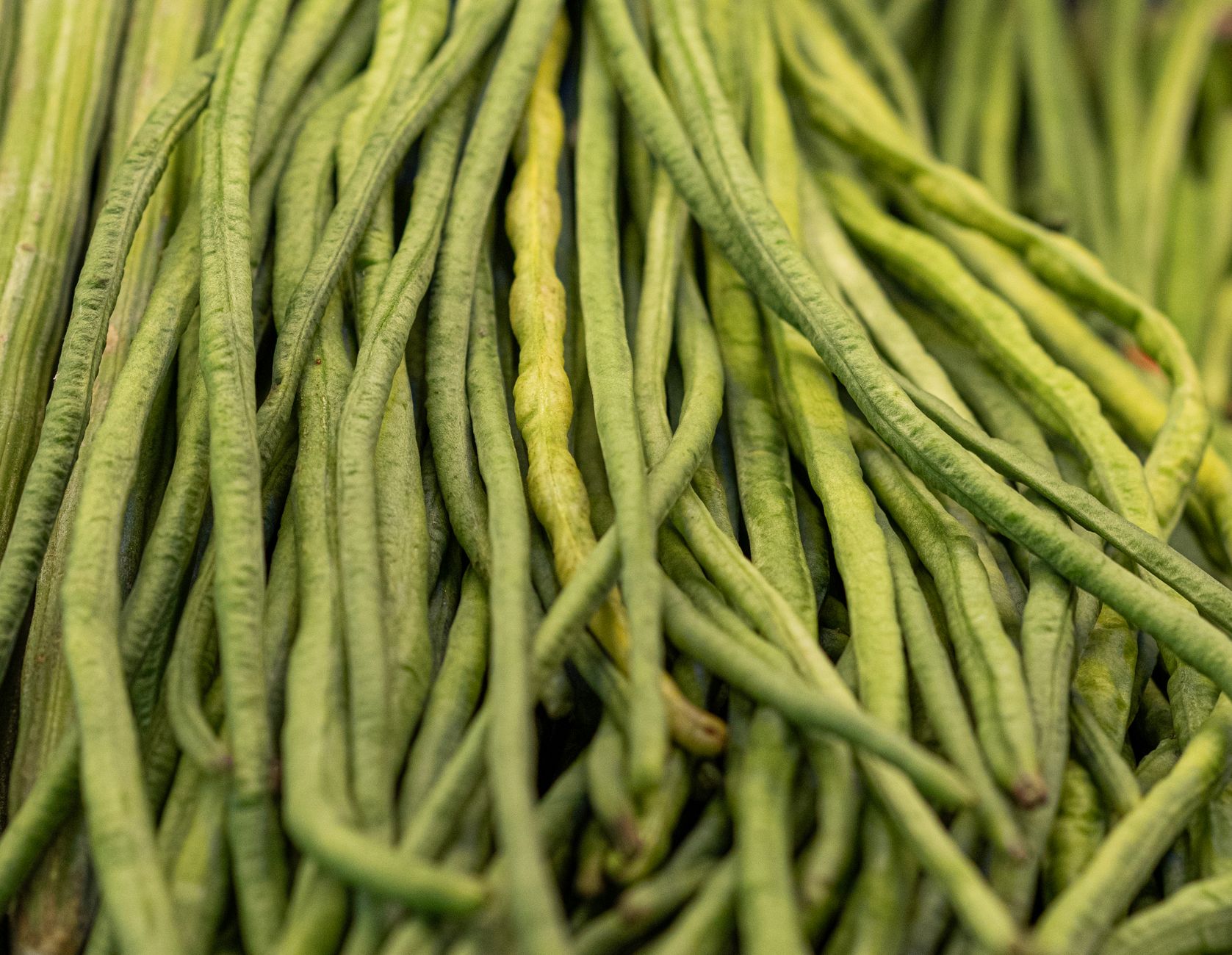
Size and texture are the easiest visual cues. A mature runner bean pod can stretch 12 inches long, far longer than a typical green bean, and the seeds inside grow large enough to be shelled and dried for winter storage. The pods feel slightly rougher on the outside, and the seeds carry a floury texture that holds shape after cooking, making them useful in stews, casseroles, and purées.
Edible at Every Stage
Young pods, picked at 6 to 8 inches, snap cleanly and cook in minutes, similar to a standard green bean. Leaving them longer produces pods with bulging seeds, and those seeds can be removed, dried, and stored like kidney or pinto beans. This dual-purpose quality is one trait that sets runner beans apart in a home kitchen.
The Nutritional Profile of Runner Beans in Detail
A single cup of cooked, shelled runner beans delivers roughly 200 calories, around 15 grams of protein, and 7 to 9 grams of dietary fiber, according to data published by USDA FoodData Central. The same portion provides complex carbohydrates with very little fat, and the glycemic load stays low compared to starchy staples like white rice or potatoes.
Macronutrients and Calories
Cooked runner beans are calorie-light per gram of protein, which makes them useful in meals built around volume and satiety. The protein contains most essential amino acids, though like most legumes, methionine is the limiting one, which is why pairing runner beans with grains creates a complete protein. Carbohydrates arrive slowly, mostly as resistant starch and soluble fiber rather than quick-digesting sugars.
Key Micronutrients and Antioxidants
| Nutrient | Approx. Amount per Cup (Cooked) | Why It Matters |
|---|---|---|
| Folate (B9) | 120–150 mcg | Supports red blood cell formation and DNA repair |
| Vitamin K | 25–35 mcg | Aids blood clotting and bone health |
| Iron | 3–4 mg | Carries oxygen in red blood cells |
| Magnesium | 60–70 mg | Helps muscle and nerve function |
| Polyphenols | Varies by cultivar | Plant compounds with antioxidant activity |
Alongside those, runner beans carry several B vitamins, manganese, and potassium in smaller amounts, plus antioxidant compounds that help neutralize free radicals, unstable molecules that can damage cells over time.
Evidence-Based Health Benefits Worth Knowing
The nutrients in runner beans translate into several well-documented health effects when beans feature regularly in the diet. Fiber alone delivers benefits that ripple through digestion, blood sugar control, and cardiovascular markers.
Blood Sugar and Digestive Support
Soluble fiber in runner beans slows the absorption of glucose in the small intestine, smoothing out blood sugar spikes after meals. Insoluble fiber adds bulk to stool and supports regular bowel movements, lowering the risk of constipation. Some studies suggest that people who eat legumes several times per week have a lower risk of type 2 diabetes, though the effect varies with the rest of the diet.
Heart, Bone, and Inflammatory Markers
Folate helps regulate homocysteine, an amino acid linked to heart disease when levels climb too high. Vitamin K works alongside vitamin D to direct calcium into bones rather than soft tissue, supporting skeletal strength. Polyphenols and other antioxidants reduce markers of oxidative stress, a process that contributes to chronic inflammation, joint stiffness, and cellular aging.
Satiety and Weight Management
Because protein and fiber both take longer to digest, a meal built around runner beans tends to keep you full for hours, naturally curbing snacking. The low calorie density means you can eat a generous portion without overloading your energy budget, a pattern that tends to support gradual weight loss when paired with overall calorie awareness.
The same appetite-friendly calorie profile, however, carries caveats that deserve honest attention before you make them a daily staple.
Side Effects, Risks, and Who Should Be Cautious
For most healthy people, properly cooked runner beans are safe and nutritious, but a few real risks deserve attention before adding them to every meal.
Lectins and the Danger of Undercooking
Raw and undercooked runner beans contain phytohaemagglutinin, the same lectin toxin found in red kidney beans. Ingesting even a few raw beans can trigger severe nausea, vomiting, and abdominal cramps within hours. Heat destroys this compound quickly, and a rolling boil of at least 10 minutes renders the beans safe, a practice backed by food-safety guidance from the National Institutes of Health.
Gas, Bloating, and FODMAP Sensitivity
Runner beans contain oligosaccharides, a type of carbohydrate that gut bacteria ferment, producing gas as a byproduct. People unaccustomed to legumes often experience bloating during the first few servings, though the body usually adapts within a week or two. Anyone with a diagnosed FODMAP intolerance or irritable bowel syndrome may need to keep portions small or stick to well-cooked, thoroughly drained beans.
Other Considerations
Purine content is moderate, so people managing gout may want to moderate intake and drink extra water. Those on blood-thinning medication such as warfarin should keep vitamin K intake consistent day to day rather than swinging high or low, since sudden changes can interfere with dosing. A small number of people carry a true legume allergy and should avoid runner beans entirely.
Boil dried runner beans for at least 10 minutes at a full rolling boil, then simmer until tender, to destroy lectins safely.
How Runner Beans Compare to Other Common Beans
Runner beans sit comfortably alongside familiar pantry staples, but a few numbers highlight where they stand out and where they blend in with the rest of the legume family.
| Bean (1 cup cooked) | Calories | Protein (g) | Fiber (g) | Vitamin K (mcg) |
|---|---|---|---|---|
| Runner beans | ~200 | 15 | 8 | 25–35 |
| Kidney beans | ~215 | 15 | 11 | 10 |
| Black beans | ~225 | 15 | 15 | 5 |
| Pinto beans | ~245 | 15 | 15 | 5 |
Protein and calorie counts track closely across varieties, and fiber ranges from solid to excellent, but runner beans deliver a higher dose of vitamin K and folate than most canned options. Fresh pods also bring a tender, edible container that kidney and pinto beans lack entirely. The glycemic index of cooked beans clusters in the low-to-moderate range, all well below refined grains.
Those distinctions help explain why a little extra care in the kitchen pays off with this particular bean.
Preparing Runner Beans Safely and Using Them Well
Cooking methods matter as much as the recipe itself, because a poorly prepared batch can leave lectins intact or make oligosaccharides harder on your gut than necessary.
Soaking, Boiling, and Storage
- Soak dried beans overnight: Cover with plenty of water and discard the soaking liquid to leach out some of the oligosaccharides that cause gas.
- Boil vigorously for 10+ minutes: Bring water to a full rolling boil before reducing to a simmer, since slow simmering does not reliably destroy all lectins.
- Simmer until tender: Most dried runner beans finish in 45 to 60 minutes after the initial boil.
- Refrigerate fresh pods promptly: Whole pods keep for 5 to 7 days in the crisper drawer; dried beans store up to a year in a sealed jar in a cool, dark place.
Pairing Runner Beans in Everyday Meals
Toss warm shelled beans with olive oil, lemon, and fresh herbs as a side dish, or stir them into a grain bowl with brown rice, roasted peppers, and feta. Sliced young pods work in stir-fries, curries, and casseroles much like green beans, and they hold up well to quick grilling with a brush of oil and sea salt. For a traditional British preparation, simmer the shelled beans briefly and serve on toasted sourdough with a drizzle of good olive oil, a nod to their popularity in allotment cooking.
Practical Bottom Line on Runner Beans
Real benefits come from eating runner beans regularly and cooking them correctly, not from the occasional serving, and even the best preparation cannot overcome a body that simply does not tolerate legumes well. A varied, plant-forward rotation that includes runner beans a few times per week tends to work better than leaning on any single food for nutrition. Start with recipes you already enjoy, adjust portions to match your digestion, and treat the bean as one useful ingredient among many.
FAQ
Are runner beans safe to eat raw?
No. Raw or undercooked runner beans contain phytohaemagglutinin, a lectin toxin that can cause severe nausea, vomiting, and cramping. A full rolling boil for at least 10 minutes destroys the toxin and makes them safe to eat.
Do runner beans cause gas or bloating?
They can, especially in the first few servings, because oligosaccharides ferment in the large intestine. Soaking dried beans overnight and discarding the water reduces this effect, and most people find the discomfort fades as their gut adapts.
Can runner beans help with weight loss?
They support weight management as part of a calorie-controlled diet. The protein and fiber combination promotes fullness, and the low calorie density lets you eat satisfying portions without overloading your energy intake.
How do runner beans compare to green beans?
Pods harvested at roughly 15 to 20 cm cook and taste much like green beans, but runner beans can grow past 30 cm and yield large, shelled seeds at maturity. The shelled seeds are starchier and higher in protein and fiber than the pod alone.
Are runner beans suitable for a low-FODMAP diet?
They are generally considered a higher-FODMAP food, so anyone managing IBS or following an elimination diet may need to limit portions or choose a different legume while reintroducing foods systematically.