
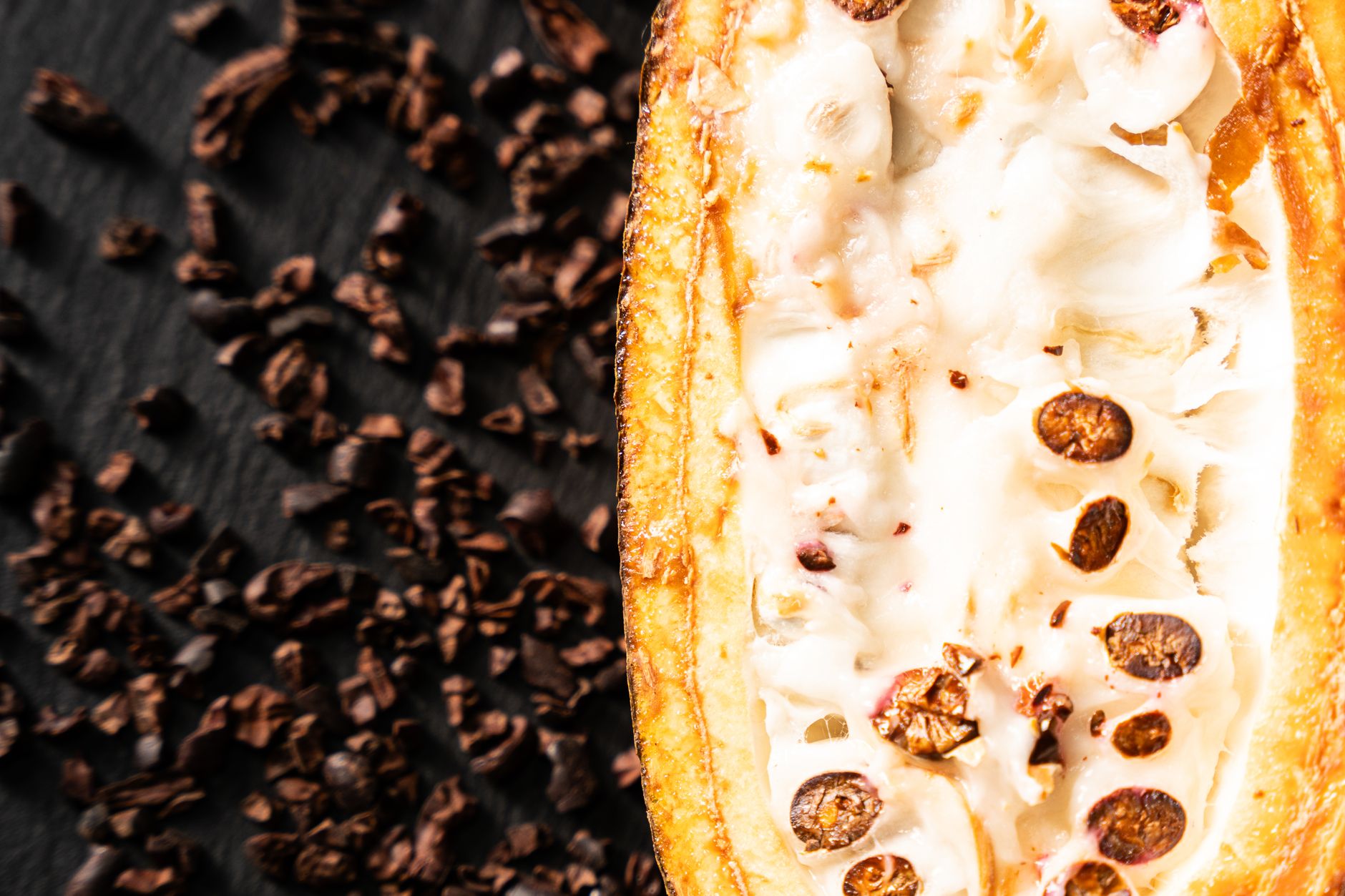

A 2017 launch by Barry Callebaut introduced a naturally pink confection crafted from specially processed ruby cacao beans, earning attention for its unusual color. It contains cocoa solids, cocoa butter, sugar, and milk, so its calorie and sugar load looks a lot like standard milk chocolate, with about 220 to 240 calories and 20 to 25 grams of sugar in a 40-gram serving. The pink hue and berry-like flavor come from the beans themselves, not from food dye, which is the part that catches most people off guard the first time they try a square.
This guide explores ruby chocolate’s unique origins, ingredients, and nutrition so curious foodies and chocolate lovers can decide whether the pink newcomer deserves a spot in their snack rotation.
The Origin and Identity of Ruby Chocolate
Behind every pink square sits a decade of research and a very specific bean. Barry Callebaut, the world’s largest chocolate manufacturer, unveiled ruby chocolate in September 2017 at a trade event in Shanghai, after more than ten years of work mapping flavor and color compounds in cacao. The variety earned the right to be called the fourth official category of chocolate, joining dark, milk, and white under international standards.
The RB1 Bean and Why It Looks Pink
The color trace starts in the field. Ruby cacao comes from a specific genetic fingerprint known as RB1, grown in Ecuador, Brazil, and Ivory Coast. The pink pigment, called anthocyanin, develops during a tightly controlled fermentation and alkalization process that activates compounds already present in the bean. No strawberry flavoring, no red dye, no beet juice, just the bean revealing a color most people assumed didn’t exist in cacao.
Where It Fits Legally
Regulators have spent the years since 2017 debating how to classify it. The European Food Safety Authority and FDA treat it as a distinct category, while Codex Alimentarius is still finalizing wording. In practical terms, ruby sits somewhere between milk and dark chocolate on the cocoa-solid spectrum, and labeling rules vary by country, so the percentage on the front of the bar doesn’t always tell the full story.
What Goes Into a Bar and How It Is Made
Most of the ingredients on a ruby bar are familiar. The differences from milk chocolate show up in how the beans are handled, not in what’s added later.
From Bean to Pink Liquor
After harvest, ruby cacao beans go through a specialized fermentation that is shorter and cooler than the fermentation used for standard cacao. The beans are then gently alkalized, a step that reduces bitterness and locks in the pink tone. Conching, the slow mixing that smooths the chocolate, runs at carefully controlled temperatures so the fruity aroma survives. Too much heat, and the volatile esters that give ruby its berry character cook off.
The Ingredient List
A standard ruby bar contains cocoa solids (around 30 to 40 percent), cocoa butter, sugar, milk powder, and a small amount of soy lecithin as an emulsifier, plus vanilla in some formulations. That milk powder and soy lecithin matter for anyone with allergies, since cross-contamination on shared production lines is common in factories that also run milk, nut, or wheat products.
Nutritional Profile of Ruby Chocolate
Nutrient labels tell the real story, and ruby chocolate’s numbers don’t position it as a health food. A 40-gram serving, roughly the size of a small bar, delivers around 220 to 240 calories, 13 to 15 grams of fat (most of it saturated), and 20 to 25 grams of sugar. Protein lands near 2 to 3 grams, and carbohydrates sit around 25 grams total. Caffeine runs about 5 to 10 milligrams per serving, similar to milk chocolate and well below a square of dark. Theobromine, a related stimulant, clocks in at roughly 50 to 75 milligrams.
| Nutrient (per 40 g) | Ruby | Milk | Dark (70%) |
|---|---|---|---|
| Calories | 220–240 | 220–230 | 200–220 |
| Total fat | 13–15 g | 12–14 g | 13–15 g |
| Saturated fat | 7–9 g | 7–8 g | 8–10 g |
| Sugar | 20–25 g | 18–22 g | 8–12 g |
| Fiber | 1–2 g | 1–2 g | 3–5 g |
| Caffeine | 5–10 mg | 5–10 mg | 40–50 mg |
| Theobromine | 50–75 mg | 50–80 mg | 400–500 mg |
Those numbers explain why ruby fits the milk-chocolate family for nutrition purposes, even though it carries the prestige of a fourth category. If you’re managing blood sugar or counting macros, the sugar load is the headline.
Antioxidant Content and Potential Health Benefits
Cacao carries flavanols and polyphenols, plant compounds linked in broader research to cardiovascular and cognitive support. Ruby chocolate retains some of these, but the processing that locks in the pink hue also trims flavanol concentration. Independent lab analysis has found it holds roughly half the antioxidant capacity of a 70 percent dark bar.
What the Science Actually Supports
No peer-reviewed studies have yet identified a health benefit unique to ruby chocolate. The benefits you can reasonably expect mirror what you’d get from a piece of milk chocolate: a small mood lift from theobromine and trace tryptophan, plus modest antioxidant intake. Cocoa polyphenols in general are associated with improved blood flow and lower inflammation, but those effects are dose-dependent, and ruby doesn’t deliver a high enough dose to stand on its own.
The Palatability Trade-Off
For someone who finds dark chocolate too bitter to eat regularly, ruby offers a way to consume a small amount of cocoa-derived compounds without grimacing. The berry notes and lower bitterness make it easier to enjoy a square mindfully, which is its own kind of win.
Think of ruby as a sensory experience first and a nutrient source second. The flavanols are a bonus, not a reason to reach for it.
Side Effects, Allergens, and Dietary Considerations
Most of the downsides are the same ones attached to any sugar-rich, dairy-based treat. A few are specific to ruby’s ingredient list and how it’s made.
Allergens and Intolerances
it contains milk, so it isn’t suitable for vegans, and people with lactose intolerance may experience bloating or digestive discomfort. Soy lecithin shows up in nearly every bar, and shared production equipment creates real cross-contamination risk for anyone with a severe nut, peanut, or wheat allergy. Reading the “may contain” line on the back of the wrapper is worth the five seconds.
Sugar, Weight, and Blood Sugar
Each serving delivers roughly 20 to 25 grams of sugar, a figure that demands attention from anyone tracking weight, type 2 diabetes, or insulin resistance. A standard square or two is unlikely to spike glucose dramatically, but a full bar on an empty stomach will. Frequent consumption also raises the cumulative risk of dental decay, since the sugar feeds the bacteria that erode enamel.
Caffeine and Theobromine Sensitivity
Caffeine levels stay modest, yet theobromine runs higher, a compound dogs and other pets metabolize painfully slowly. A small square left on a counter can land a medium-sized dog at the emergency vet. Pregnant individuals should also keep portions modest, since theobromine crosses the placenta. Migraine sufferers sensitive to tyramine or phenylethylamine should treat ruby with the same caution they’d give milk chocolate.
How Ruby Chocolate Stacks Up Against Dark and Milk
The comparison table above gives the raw numbers, but the practical differences come down to three things: sugar, flavanols, and flavor.
Where Dark Still Wins
Dark chocolate, especially at 70 percent cocoa or higher, carries more fiber, more magnesium and iron, and far less sugar. The flavanol content is roughly double ruby’s, and the blood-sugar response is gentler. For anyone eating chocolate for a real health reason, dark remains the evidence-based pick.
Where Ruby Holds Its Ground
Ruby’s advantage is sensory. The natural berry notes, the lower bitterness, and the visual novelty make it appealing in a way dark rarely manages. It also serves as a useful bridge for people transitioning from milk to dark, since the flavor complexity is higher than milk without the astringency dark can carry. Price, however, runs 20 to 50 percent above comparable milk chocolate bars at most retailers, mostly because of licensing fees and limited bean supply.
Buying, Baking, and Making Smart Choices
Buying real it matters, because plenty of pink “ruby-style” products on the market are just white chocolate tinted with beet or strawberry. Authentic ruby only comes from manufacturers licensed through Barry Callebaut, including Callebaut itself, Nestlé (look for KitKat Ruby), and select craft producers.
Practical Tips Before You Buy
- Check the label for licensing. Authentic ruby will list “ruby cacao” or “it” in the ingredients, not “color added.”
- Expect a premium price. A 100-gram ruby bar typically runs $4 to $7 in US grocery stores, compared to $2 to $4 for milk.
- Pair it with tart fruit. Raspberry, passion fruit, and citrus sharpen the berry notes; vanilla and white chocolate round them out for baking.
- Treat it as an occasional indulgence. A square or two after dinner fits a balanced pattern; a bar a day turns into real sugar load fast.
- Skip the “vegan ruby” claim. Genuine vegan ruby is rare in 2025. Some specialty makers offer plant-based versions, but they use different cocoa processing and taste noticeably different.
Storage and Baking Notes
it melts at roughly 28 to 30°C, a few degrees lower than dark, so tempering matters. Use a gentle double boiler and avoid overheating, since the pink color fades above 45°C. In ganache, it pairs naturally with cream and a splash of raspberry liqueur. In bark, scatter freeze-dried raspberries on top before the chocolate sets for a clean visual contrast.
Final Thoughts
it is a real, distinct category built on a specific bean and a proprietary process, and that novelty is worth the price of a single bar to experience. It is not, however, a nutritional upgrade over dark chocolate, and the sugar content places it firmly in the indulgence category. The smartest way to enjoy it is as a sensory treat, sized to one or two squares, alongside the dark and milk varieties that earn their own place in a balanced pattern.
FAQ
What is ruby chocolate and how is it made?
it is the fourth official category of chocolate, introduced by Barry Callebaut in 2017. It is made from specially fermented and alkalized ruby cacao beans, which develop a natural pink color and berry-like flavor without added dyes or flavorings.
Is ruby chocolate healthier than dark chocolate?
No. it contains less fiber, fewer minerals, and roughly twice the sugar of a 70 percent dark bar. It also retains fewer flavanols due to processing, so dark chocolate remains the more evidence-based choice for antioxidant intake.
How much sugar is in ruby chocolate?
A 40-gram serving of it typically contains 20 to 25 grams of sugar, which is comparable to standard milk chocolate and noticeably higher than dark varieties. People managing blood sugar or weight should treat it as an occasional treat.
Does ruby chocolate contain caffeine?
Yes, but only a small amount. A 40-gram serving contains about 5 to 10 milligrams of caffeine, similar to milk chocolate and well below dark chocolate. Theobromine content is higher, around 50 to 75 milligrams, which matters for pets and caffeine-sensitive individuals.
What are the side effects of eating ruby chocolate?
Common side effects include blood sugar spikes, weight gain, and dental decay from the high sugar content, plus digestive issues for people with lactose intolerance. It also contains milk and soy, so anyone with severe dairy or legume allergies should read labels carefully.
Why is ruby chocolate pink?
Anthocyanins, natural pigments tucked inside the ruby cacao bean, produce the signature pink hue once controlled fermentation and alkalization unlock them. No artificial coloring is added, which is what separates authentic ruby from pink “ruby-style” chocolates that use beet or strawberry color.