
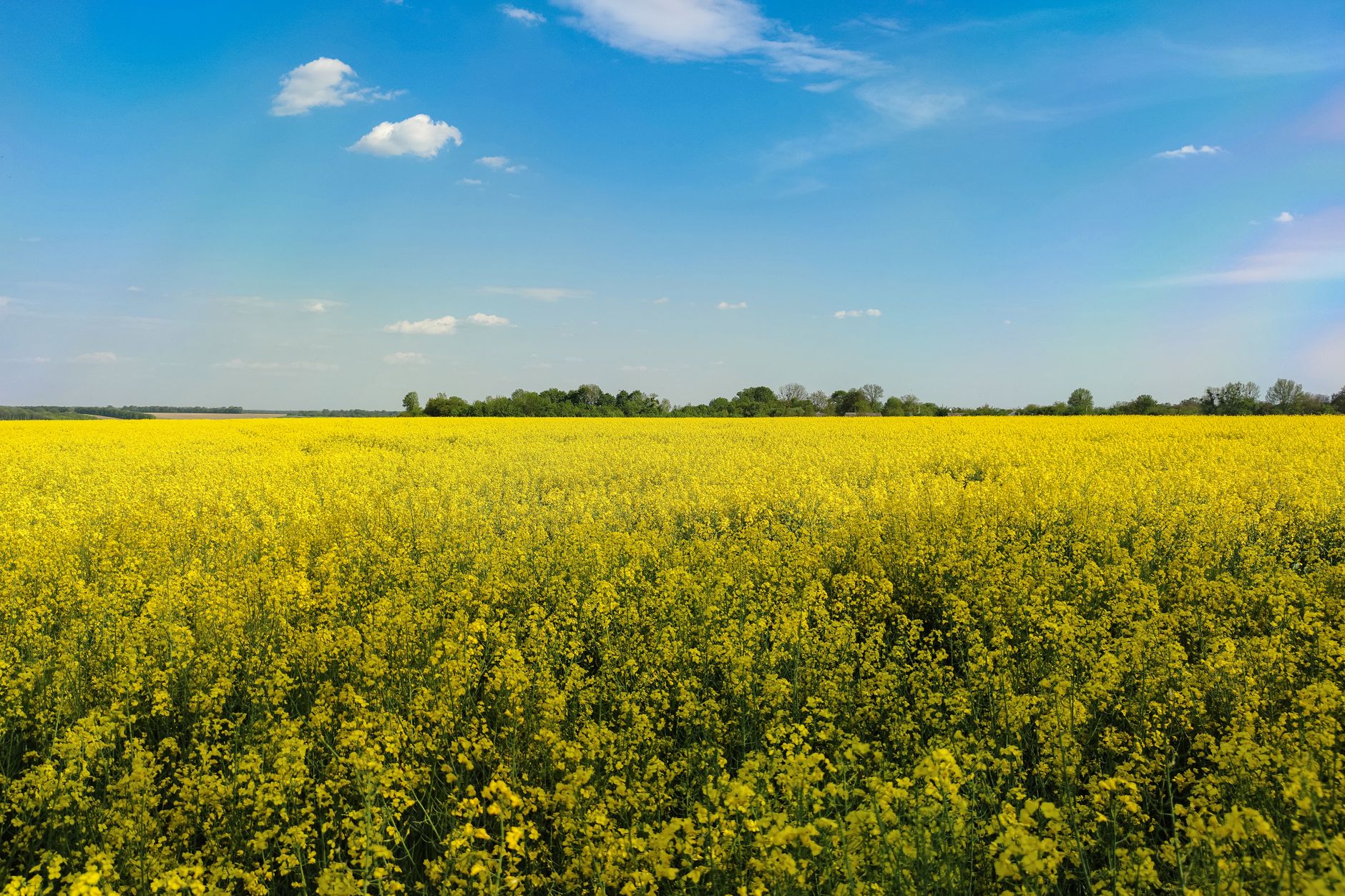

Rapeseed oil is a yellow-flowering seed oil pressed from Brassica napus, a member of the mustard family grown widely across the UK, Europe, Canada, and Australia. In North America the same oil is sold as canola oil, a name derived from “Canadian oil, low acid,” and the two are nutritionally near-identical in their modern, low-erucic forms. Its signature trait is a fat profile that leans heavily on monounsaturated oleic acid while still delivering a meaningful dose of plant-based omega-3, a combination few other common cooking oils can match.
This practical walkthrough covers rapeseed oil’s nutritional makeup, evidence-backed benefits, potential side effects, and how refined, cold-pressed, and organic versions compare for home cooks weighing their cooking-oil options.
What Sets Rapeseed Oil Apart From Other Cooking Oils
Modern rapeseed has been selectively bred since the 1970s to slash erucic acid and glucosinolate levels, two compounds that made older varieties unsafe and unpalatable. The result is a kitchen oil with the lowest saturated-fat content of any mainstream cooking oil and a smoke point high enough for weeknight frying. That dual identity, a “healthy” oil that also behaves like a workhorse, is what separates it from coconut, palm, or olive oil on the shelf.
The UK and EU regulatory ceiling for erucic acid in food oils sits at 5 percent, though most modern cultivars sold in supermarkets run well under 2 percent. The FDA grants rapeseed oil GRAS (Generally Recognized As Safe) status, the same category as olive and sunflower oil. So the “is it safe” worry, often inherited from older health scares, is no longer relevant to bottles on today’s shelves, including any product labelled simply as canola oil in the US.
Why the Canola Confusion Exists
Canola is a trademarked name created in the 1970s by Canadian plant breeders to market low-erucic-acid rapeseed oil. The plant itself is still Brassica napus, and the nutritional breakdown is essentially identical. If you spot “it” in a British shop and “canola oil” in an American one, you’re looking at the same fat profile, same smoke point, and the same fatty-acid mix. Geography and marketing drove the split, not nutrition.
A shared fat profile makes the distinction puzzling, so the nutrients themselves deserve a closer look.
The Nutritional Profile of Rapeseed Oil, Decoded
One tablespoon, about 14 grams, supplies roughly 124 calories and 14 grams of fat, with saturated fat sitting at around 7 percent of the total. That figure is the lowest of any mainstream cooking oil, including olive, sunflower, and generic vegetable blends. Around 60 percent of the fat is monounsaturated oleic acid, the same heart-friendly fat that dominates extra-virgin olive oil.
Beyond monounsaturated fat, rapeseed oil carries a roughly 2:1 ratio of omega-6 linoleic acid to omega-3 alpha-linolenic acid (ALA), noticeably better balanced than sunflower, corn, or generic vegetable oil, which often tip toward 10:1 or worse. It also contributes vitamin E (mainly alpha-tocopherol) and smaller amounts of vitamin K, both functioning as antioxidants that protect the oil itself and the body from oxidative damage.
| Nutrient (per tablespoon, 14 g) | Amount |
|---|---|
| Calories | ~124 kcal |
| Total fat | 14 g |
| Saturated fat | ~1 g (7%) |
| Monounsaturated (oleic) | ~8 g (~60%) |
| Polyunsaturated (omega-6 + omega-3) | ~4 g |
| Omega-3 ALA | ~1.3 g |
| Omega-6 LA | ~2.6 g |
| Vitamin E (alpha-tocopherol) | ~2.4 mg (~16% DV) |
| Smoke point (refined) | ~220–230°C / 425–450°F |
Refined vs. Cold-Pressed: What Changes
Cold-pressed varieties retain more of their natural vitamin E and plant sterols, with a nutty, peppery taste and a greenish-gold colour. Refined versions trade some nutrient density for a cleaner flavour and a higher smoke point. The omega-3 ALA content is largely preserved across both methods, so the fatty-acid backbone holds up regardless of processing.
Watch the bottle for “cold-pressed,” “extra-virgin,” or “unrefined” on the label if you want more micronutrients; choose “refined” for high-heat cooking like roasting or stir-frying.
The Evidence Behind Rapeseed Oil’s Health Benefits
Replacing saturated fats such as butter, lard, and palm oil with rapeseed oil has been shown in controlled trials to lower LDL cholesterol without dragging down HDL, an effect largely credited to the monounsaturated and omega-3 content. The same substitution is linked in longer-term cohort studies to a reduced risk of coronary heart disease, which is why the British Heart Foundation and several European heart associations recommend it as a default cooking oil.
The omega-3 ALA in rapeseed converts in small amounts to EPA and DHA, the longer-chain fatty acids associated with anti-inflammatory balance, cardiovascular function, and brain health. While the conversion rate is modest (around 5–10 percent for EPA and even less for DHA), the baseline ALA intake still nudges the dietary ratio in a healthier direction, especially when the oil replaces omega-6-dominant sunflower or corn oil.
Skin, Insulin, and Inflammation
Topical use of cold-pressed rapeseed oil has been trialled in skin barrier studies, where its oleic-to-linoleic balance appears to support hydration in adults with dry skin, similar to the effect seen with sunflower oil. Emerging research also suggests modest benefits for insulin sensitivity when the oil replaces higher-saturated-fat options in a person’s usual routine, though the evidence is still early. The antioxidant vitamins (E and K) help neutralise free radicals formed during cooking, and that stability translates into fewer oxidation by-products reaching your food.
Those benefits sound appealing, yet they only hold if the oil itself is safe to use regularly.
Side Effects, Safety Concerns, and the Erucic Acid Question
Modern cultivars sold in the UK and EU contain less than 2 percent erucic acid, well under the 5 percent regulatory ceiling set by EFSA, the European Food Safety Authority, and comfortably below the FDA’s GRAS threshold. The historical rat-study fears that once made this oil controversial no longer apply to anything on today’s shelves. The “is it bad for you” question that lingers online almost always traces back to pre-1970s cultivars, not the oil you’re buying now.
That said, three practical risks deserve attention, particularly for heavy home cooks.
- Allergic reactions: Uncommon but real, especially in people sensitive to mustard or other Brassica seeds. Treat it with the same caution as any new cooking fat if you have a known mustard allergy.
- Oxidation from overheating: Like all polyunsaturated oils, it oxidises when overheated or stored poorly. Reheating it repeatedly can generate aldehydes and other compounds linked to inflammation.
- Hidden hydrogenated blends: Refined and partially hydrogenated its sold in the UK and EU are nearly free of trans fats, but always scan the label for any hydrogenated ingredient line, particularly on cheaper blended products from discount shelves.
Pregnant women and young children can safely consume modern low-erucic-acid it as part of a balanced diet, according to current NHS and EFSA guidance. If you have a specific medical condition or take medication that affects fat absorption, follow the recommendations of an appropriate specialist doctor for your situation.
Refined, Cold-Pressed, and Organic Rapeseed Oil Compared
Choosing between types comes down to three trade-offs: flavour, smoke point, and processing method. Each has a clear best-use case in a normal kitchen.
| Type | Flavour | Smoke point | Best for |
|---|---|---|---|
| Refined | Neutral | ~220–230°C / 425–450°F | Roasting, stir-frying, shallow frying, baking |
| Cold-pressed | Nutty, peppery | ~190°C / 375°F | Dressings, drizzling, low-heat sautéing |
| Organic | Depends on processing | Matches its refined or cold-pressed profile | When pesticide residue or non-GMO certification matters to you |
Organic it addresses pesticide and GMO concerns, though nutritionally it sits close to its conventional counterpart. The real choice is processing method, not farming system. A quick decision rule: refined for everyday high-heat cooking, cold-pressed for finishing and flavour, and organic when sourcing matters to you.
Storage and Rancidity Cues
Store both refined and cold-pressed bottles in a cool, dark cupboard, keep the cap tight, and use opened bottles within three to six months. A stale, crayon-like, or paint-like smell is the clearest sign of rancidity. If the oil looks cloudy, thick, or has darkened noticeably beyond its original colour, it’s time to replace it. Cold-pressed versions go off faster because they retain more of the compounds that oxidise over time.
Once you know which processing method suits you, comparing it to the oils already in your pantry sharpens the choice.
How Rapeseed Oil Stacks Up Against Olive, Sunflower, and Vegetable Oil
Side-by-side with extra-virgin olive oil, it matches it on monounsaturated fat but wins on omega-3 content, neutral flavour, and a higher smoke point. Olive oil retains the edge on polyphenols and on the robust evidence behind Mediterranean-diet benefits, which is why most cooks keep both: olive for dressings and finishing, rapeseed for the stove.
Against sunflower oil, rapeseed holds far less saturated fat, a better omega-3 to omega-6 ratio, and more vitamin E. High-oleic sunflower oil narrows the gap on monounsaturated content, but it still lacks meaningful ALA. Against generic vegetable oil, which is often a blend of soybean, rapeseed, and palm, it alone offers a cleaner, more transparent fat profile and a better balance of essential fatty acids, without the saturated-fat hit that palm brings.
The Practical Takeaway
For an all-purpose, affordable, everyday cooking oil with strong evidence behind it, it is the most defensible default on the UK and European market. Cold-pressed olive oil earns its place in dressings and finishing, where flavour matters most. Sunflower and generic vegetable blends make sense as backups, but neither matches rapeseed’s combined low saturated fat, balanced omega ratio, and high smoke point.
Bottom line, it is a low-saturated-fat, omega-3-balanced cooking oil that earns its place on a UK or US shelf when you choose refined for heat and cold-pressed for flavour, store it properly, and use it within a few months of opening.
FAQ
What is rapeseed oil and how is it made?
it is pressed from the seeds of Brassica napus, a yellow-flowering crop in the mustard family. Seeds are cleaned, crushed, and either cold-pressed (for a nutty, unrefined oil) or solvent-extracted and refined (for a neutral, high-smoke-point product). The same plant produces canola oil in North America.
Is rapeseed oil good for you?
Yes, for most people. It’s the lowest-saturated-fat mainstream cooking oil, rich in monounsaturated oleic acid, and supplies plant-based omega-3 ALA along with vitamin E. Evidence links its use, in place of butter or palm oil, to lower LDL cholesterol and reduced coronary heart disease risk.
What are the side effects of eating rapeseed oil?
Side effects are uncommon. Watch for allergic reactions if you’re sensitive to mustard or other Brassica seeds, and avoid repeatedly reheating it to high temperatures, which generates oxidation compounds. Modern low-erucic-acid varieties sold in the UK, EU, and US are considered safe for general consumption.
Can rapeseed oil cause inflammation?
No strong evidence links moderate culinary use to inflammation. Its 2:1 omega-6 to omega-3 ratio and high monounsaturated content are generally considered anti-inflammatory, especially compared to oils heavier in omega-6. Reheating any polyunsaturated oil to the point of smoking is a separate inflammation risk.
What is the difference between rapeseed oil and canola oil?
Essentially the same oil. Canola is the trademarked North American name for low-erucic-acid rapeseed, derived from “Canadian oil, low acid.” The plant, fatty-acid profile, and cooking properties are nutritionally identical in their modern forms.
Is rapeseed oil safe to cook with?
Yes. Refined it has a smoke point around 220–230°C, making it suitable for roasting, stir-frying, and shallow frying. Cold-pressed versions suit dressings and low-heat cooking. Both are stable on the shelf if stored away from light and heat.