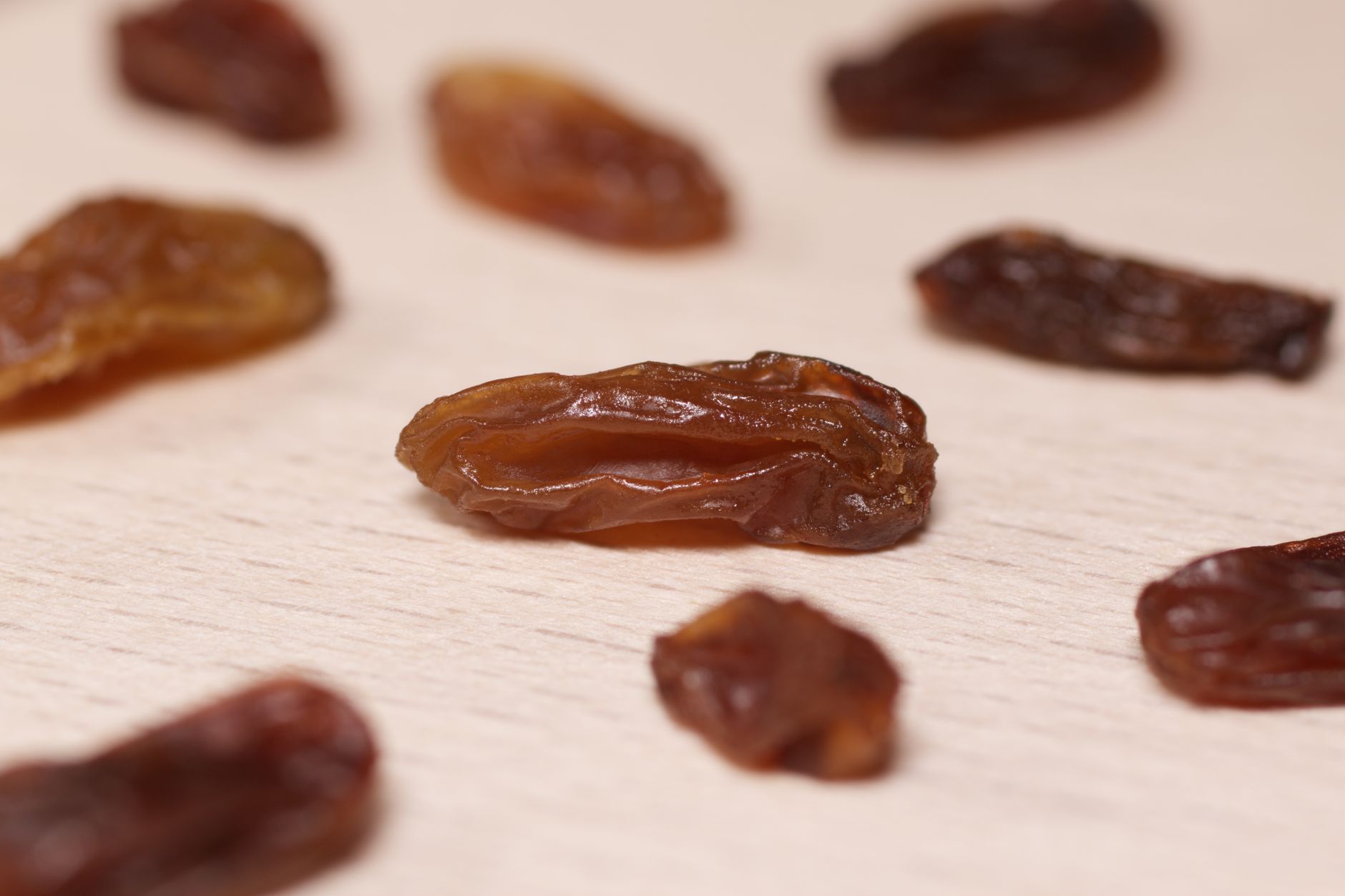

Dried grapes pack roughly 60% of their fresh weight into concentrated sugars, fiber, and trace minerals, which is why a single ounce delivers around 85 calories. A 100-gram serving delivers roughly 299 calories, about 82 grams of carbohydrates, 3.7 grams of fiber, 749 mg of potassium, and 1.9 mg of iron, alongside polyphenols like resveratrol. That density explains why a modest handful often satisfies more than the same calories from candy, and why portion control decides whether the snack helps or hinders your goals.
This practical walkthrough breaks down the nutritional makeup of raisins, the research-backed health benefits, potential side effects, smart daily portions for specific goals, and what to consider when picking a variety at the store.
What Raisins Actually Contain Nutritionally
Pull the water out of a grape and everything left behind gets denser, including the sugar. A 100-gram portion of raisins lands near 299 kcal, with carbohydrates driving roughly 82 grams of that weight. Protein sits around 3 grams, and fat stays close to 0.5 grams, so the food reads as a near-pure carb source with extra micronutrients riding along.
Fiber lands at about 3.7 grams per 100 grams, a meaningful amount for a fruit that fits in your palm. The fiber splits between soluble types, which slow digestion, and insoluble types, which add bulk and keep things moving. The blend matters more than the number, because the soluble fraction is part of why a small portion feels more filling than the same calories from juice.
Micronutrients That Punch Above Their Weight
The mineral profile is where raisins quietly outperform many dried snacks. Iron sits near 1.9 mg per 100 grams, potassium reaches about 749 mg, and you get smaller but useful amounts of calcium, magnesium, and trace boron. Boron is the sleeper nutrient, because research links it to bone metabolism and to how your body handles other minerals like calcium and magnesium.
Polyphenols and antioxidant compounds, including resveratrol, give raisins a defense profile refined sugar cannot match. Data from USDA FoodData Central confirms that golden and dark varieties both carry meaningful polyphenol density, with the skin contributing most of the color-linked compounds. That antioxidant layer is one of the cleanest reasons to choose raisins over candy when your sweet tooth calls.
That clean antioxidant story is exactly what modern trials have started to test in humans, with results that are more measured than the marketing implies.
| Nutrient (per 100 g) | Approximate Amount | Why It Matters |
|---|---|---|
| Calories | ~299 kcal | Concentrated energy from natural sugars |
| Carbohydrates | ~82 g | Mostly glucose and fructose |
| Fiber | ~3.7 g | Supports satiety and gut motility |
| Potassium | ~749 mg | Blood pressure and muscle function |
| Iron | ~1.9 mg | Oxygen transport and energy |
| Calcium | ~50 mg | Bone structure and signaling |
| Magnesium | ~32 mg | Muscle and nerve function |
The Health Benefits of Raisins Backed by Current Research
Antioxidant activity sits at the top of the list, and it is the cleanest reason to keep raisins in rotation. Polyphenols in dried grapes reduce markers of oxidative stress in several human studies, and the effect shows up even at modest serving sizes. Lower oxidative stress supports long-term cellular health in ways refined sugar cannot.
Bone strength is a quieter but real benefit, driven by calcium, magnesium, and the trace mineral boron working together. Boron influences how your body uses vitamin D and estrogen, both relevant to bone density. Raisins are not a calcium powerhouse on their own, but they contribute to the broader mineral pattern your skeleton needs.
Blood Pressure, Digestion, and Iron
Potassium content near 750 mg per 100 grams helps offset sodium in the rest of your diet, which is the basic mechanism behind blood pressure benefits. The American Heart Association flags potassium as a key mineral for vascular health, and raisins offer it in a package people actually enjoy. Pair them with lower-sodium meals and the effect adds up.
Digestive relief comes from both fiber types working in sequence. Insoluble fiber adds bulk and speeds transit, while soluble fiber feeds gut bacteria and softens stool. Eating 40 to 50 grams a day is enough for many people to notice more regular bowel movements within a week. The iron contribution matters most for menstruating women, vegetarians, and endurance athletes who lose iron through sweat and foot-strike hemolysis.
Tip: a small handful of raisins plus a source of vitamin C, like a few strawberries, increases the iron your gut actually absorbs.
Where Raisins Pose Real Risks and Side Effects
Blood sugar impact is the headline risk, because a moderate glycemic index between 49 and 64 is not low. Eat raisins alone on an empty stomach and your glucose can climb faster than the same calories from a whole apple with skin. The fruit is not dangerous, but the speed of absorption catches people off guard.
Weight gain risk appears when servings drift past 40 to 50 grams per sitting. The calories are real, the portion is small, and it is easy to finish a full cup while watching a show. Sticking to a pre-measured serving or pairing raisins with protein prevents the slow-creep calorie surplus that shows up on the scale a month later.
Dental, Allergic, and Digestive Concerns
Dental concerns come from sticky texture and residual sugar adhering to enamel. Bacteria ferment that sugar into acid, and the stickiness keeps the contact time long. Rinsing with water after a serving or brushing within 30 minutes protects enamel, and crunchy pairings like nuts help scrape the surface clean as you chew.
Sulfite sensitivity affects a small slice of the population, mostly people with asthma. Many commercial golden raisins are treated with sulfur dioxide to preserve color, and sensitive individuals can react with wheezing or hives. Sulfite-free and unsulfured options solve the problem without changing the nutrition story. Digestive discomfort, including bloating and gas, shows up when fiber loads jump too fast, so a gradual ramp from 20 grams upward over a week lets your gut microbiome adjust.
Once those fiber-related limits are clear, the practical question becomes how to translate the research into a daily portion that actually fits your routine.
How Many Raisins to Eat Per Day by Goal
A standard healthy adult serving sits at about 1 ounce, or 40 to 50 grams, which delivers a useful mineral and fiber dose without overloading sugar. That amount works as a daily ceiling for most people who are not training hard or managing a specific iron goal. It is the baseline from which every other recommendation branches.
Weight management calls for a tighter target of 20 to 30 grams paired with protein, because smaller portions keep calories in check while the protein blunts the insulin spike. A tablespoon of peanut butter or a small handful of almonds next to two tablespoons of raisins is a calibrated snack. The combination costs under 200 calories and stays with you for hours.
Calibrated Doses for Specific Goals
Iron-boosting intake sits at roughly 50 to 60 grams for menstruating women, vegetarians, and anyone with documented low ferritin. Pair that serving with a vitamin C source to triple absorption efficiency. Skip the coffee or tea at the same meal, because tannins can block iron uptake by more than half.
Athletic fueling pushes higher, to 60 to 80 grams before or during prolonged endurance efforts. Long-distance runners and cyclists use raisins as a cheap, fructose-glucose blend that sits well on the stomach during hours of work. After exercise, drop back to the standard 40 to 50 gram range and pair with protein for recovery.
| Goal | Daily Amount | Best Pairing |
|---|---|---|
| General health | 40 to 50 g | Almonds or Greek yogurt |
| Weight management | 20 to 30 g | Protein source (cottage cheese, nut butter) |
| Iron boost | 50 to 60 g | Vitamin C fruit (orange, berries) |
| Endurance fueling | 60 to 80 g | During or right before long sessions |
Variety Differences and Buying Considerations
Golden raisins, black raisins, sultanas, and Zante currants look similar in the bag, but they differ in sugar, moisture, and antioxidant content. Black raisins, often sun-dried Thompson seedless grapes, retain the most polyphenols because the dark skins stay intact. Golden raisins are typically treated with sulfur dioxide for color, and sultanas share a similar profile but with a plumper texture from the Sultanina variety. Zante currants run smaller and sweeter, with a slightly higher sugar concentration per gram.
Organic versus conventional sourcing comes down to pesticide residue, and independent testing shows conventionally grown raisins occasionally carry traces of orchard sprays. California Raisin Administrative Committee data shows that domestic production follows strict residue limits, and rinsing before eating reduces surface residue further. Organic options are worth it if you eat raisins daily or buy in bulk.
Labels, Storage, and Smart Selection
Reading labels protects you from added sugar, oils, and preservative coatings that some brands spray on to keep fruit from clumping. Look for the ingredient line to read only one word: raisins. Anything longer usually means added sweetener, sunflower oil for shine, or sulfites for shelf stability.
Storage practices prevent mold and moisture reabsorption, both of which degrade quality fast. Keep raisins in a cool, dry place inside a sealed container, or refrigerate them in humid climates. Properly stored, they last six months at room temperature and up to a year in the fridge without losing meaningful nutrient value.
Smart Ways to Add Raisins Without Spiking Blood Sugar
Rehydrating raisins in warm water for 10 minutes increases satiety per gram consumed, because the swollen fruit fills more stomach volume. Drop them into oatmeal, salads, or yogurt after soaking, and you will feel satisfied with fewer calories. The rehydration also reduces the sticky texture that pulls sugar into tight contact with teeth.
Pairing strategies using fat and protein slow carbohydrate absorption enough to flatten the glucose curve. Greek yogurt with raisins and walnuts is the classic combination, and cottage cheese works the same way. The protein triggers a steady insulin response instead of the sharp spike you get from eating dried fruit alone.
Timing, Chewing, and Daily Integration
Pre-workout versus post-workout timing matters because glycemic demand changes by phase. Before a long run or hard lift, eat raisins 30 to 60 minutes out for quick fuel. After training, combine them with protein within an hour so the sugar supports recovery glycogen without flooding an empty system.
Chewing duration affects how quickly sugar hits your bloodstream, because mechanical breakdown starts the digestion process in your mouth. Chewing each bite 20 to 30 times increases perceived sweetness and slows your eating pace, both of which lower the post-meal glucose response. Daily integration works best when raisins are ingredients, not the main event: overnight oats with cinnamon, trail mix portioned into small bags, leafy salads with feta, or savory tagines where the sweetness balances spice.
All of that portioning and pairing works only if the raisins in your cupboard are the right kind, properly stored, and worth the calories they cost.
The Bottom Line
Raisins deliver real nutrition, but the dose makes the difference. Stay near 40 to 50 grams a day, pair them with protein or fat, and you get fiber, iron, potassium, and polyphenols without paying the full sugar price. Skip the portion discipline and the same snack becomes a calorie creep that works against your goals.
FAQ
How many raisins should you eat a day?
Most healthy adults do well with about 40 to 50 grams, or roughly one ounce, which delivers fiber, iron, and potassium without overloading natural sugars. People targeting iron boosts or endurance fueling can go higher, while those managing weight or blood sugar should stay near the lower end.
Are raisins healthier than fresh grapes?
Raisins are more concentrated in calories, sugar, fiber, and most micronutrients because the water is gone, so a small portion delivers more nutrition per gram. Fresh grapes win on hydration and volume per calorie, while raisins win on convenience, shelf life, and the ability to add concentrated minerals to meals that need them.
Do raisins raise blood sugar?
A glycemic index reading between 49 and 64 means these dried fruits can spike glucose more quickly than most whole fruits, particularly when eaten alone first thing in the morning. Pairing them with protein, fat, or fiber-rich foods slows the glucose response and keeps energy steady for hours.
Can eating raisins help with constipation?
Raisins can help, because both soluble and insoluble fiber add bulk, soften stool, and feed gut bacteria. A daily 40 to 50 gram serving combined with adequate water often improves regularity within a week, especially for people who do not eat much fiber from other sources.
What are the negative effects of eating too many raisins?
Eating too many raises blood sugar, adds excess calories that can drive weight gain, increases digestive discomfort like bloating and gas, and raises cavity risk because sticky sugar stays on teeth. Sulfite-sensitive individuals may also react to preservatives used on some golden varieties.
Are raisins a good source of iron?
Raisins contribute meaningful iron for a plant food, with about 1.9 mg per 100 grams, and they pair well with vitamin C to boost absorption. They are not as iron-dense as red meat or lentils, but they help fill the gap for vegetarians, menstruating women, and athletes who lose iron through sweat and foot-strike hemolysis.