
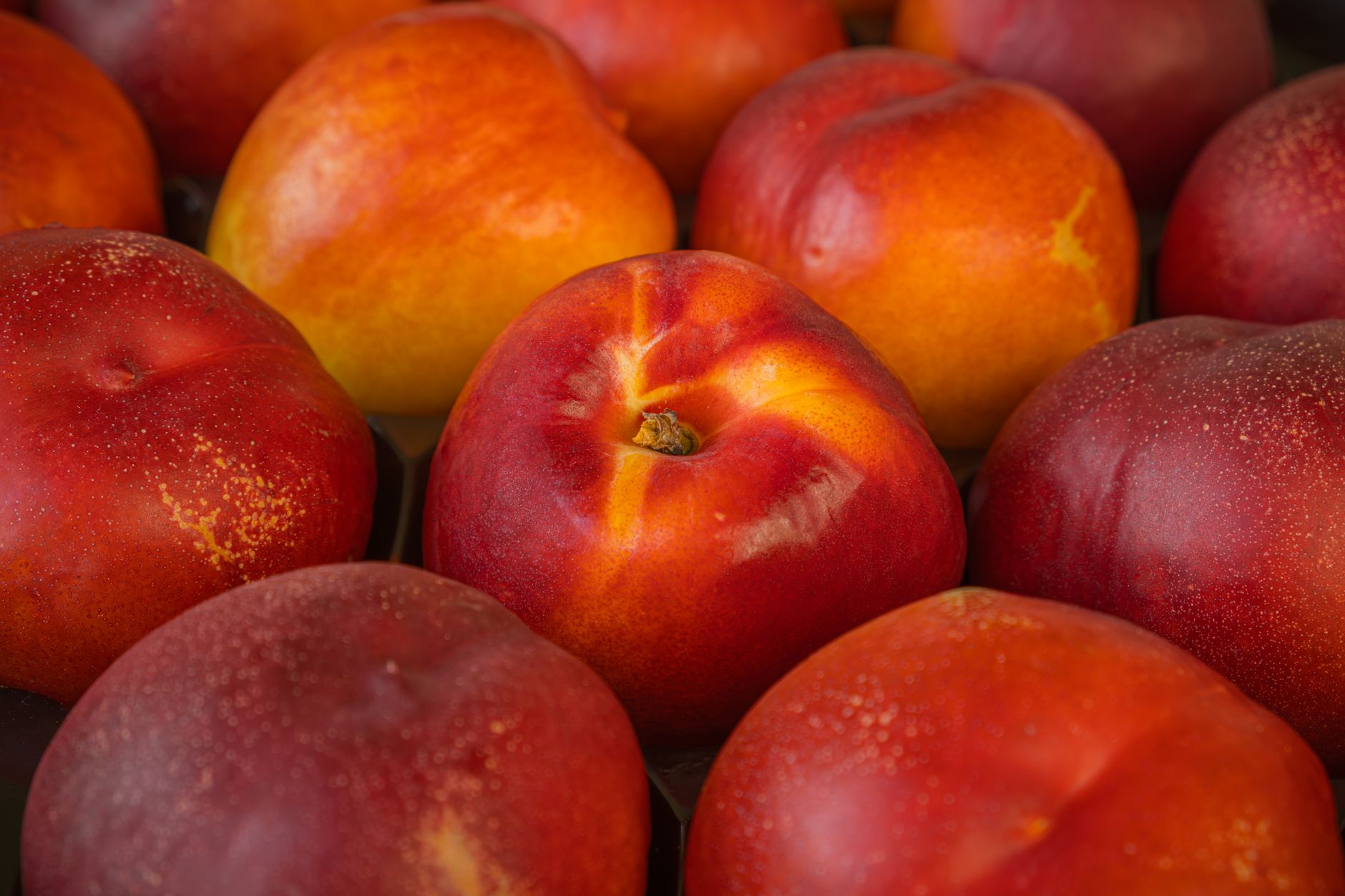

Nectarines are smooth-skinned stone fruits in the same species as peaches (Prunus persica), and the fuzzless skin traces to a single recessive gene. A medium fruit delivers around 60 calories, about 2 grams of fiber, and a full day’s worth of vitamin C, alongside potassium, beta-carotene, and protective polyphenols. The fruit’s water-and-fiber matrix fills the stomach quickly, while its low glycemic load keeps blood sugar response relatively gentle compared with refined sweets.
This guide covers how nectarines differ from peaches, the full nutritional breakdown, the evidence behind the health benefits, and the side effects worth knowing. You will also get a ripeness checklist, a storage plan, and recipe ideas that go beyond the fruit bowl.
Nectarines and Peaches Are Closer Than Most People Think
Both fruits share the botanical name Prunus persica, and the only meaningful difference is skin texture. A nectarine carries a recessive gene variant that produces that smooth, almost waxy surface, while a peach carries the dominant allele and grows the familiar fuzz. Because the trait is governed by one gene, a single peach tree can produce nectarines and vice versa, and natural genetic recombination keeps both forms showing up in the same orchard.
Where the Two Fruits Actually Diverge
Nutritionally, the overlap is nearly total. Calorie counts, fiber, sugar, and vitamin levels fall within a few percentage points of each other. The small differences trace back to the skin itself, which carries most of the fruit’s antioxidant load. A peach’s fuzzy skin holds slightly more phenolic compounds in some studies, but the gap is narrow and depends heavily on variety, ripeness, and growing conditions.
Choosing Between Them in the Kitchen
The real decision usually comes down to texture and how you plan to eat the fruit. Peaches tend to feel softer and messier, while nectarines hold their shape better on a cutting board, which makes them a favorite for grilling, roasting, or slicing into salads. For snacking out of hand, the choice is mostly about personal preference.
| Trait | Nectarine | Peach |
|---|---|---|
| Species | Prunus persica var. nucipersina | Prunus persica |
| Skin | Smooth, fuzz-free | Fuzzy, downy |
| Calories (medium fruit) | ~60 | ~60 |
| Fiber (medium fruit) | ~2 g | ~2 g |
| Vitamin C (% Daily Value) | ~13–15% | ~10–15% |
| Best culinary use | Grilling, roasting, salads | Sauces, baking, jam |
That table is the honest answer to the most common question: there’s no health-driven reason to favor one over the other. Buy whichever you enjoy more and plan your recipes around how each holds up to heat.
A Medium Nectarine Delivers More Than Just Sweetness
One medium fruit (about 142 grams) contains roughly 60 calories, 14 grams of total carbohydrate, 2 grams of fiber, and a surprisingly strong dose of vitamin C, often meeting 13 to 15 percent of daily needs. The same fruit also delivers potassium, vitamin A precursors, and small but meaningful amounts of niacin, copper, and manganese, according to USDA FoodData Central.
What the Micronutrients Actually Do
Beta-carotene, lutein, and zeaxanthin are carotenoid pigments that concentrate in the skin and orange flesh. In the body, beta-carotene converts to vitamin A, which supports night vision and skin cell turnover, while lutein and zeaxanthin filter high-energy light in the macula of the eye, the small spot at the back of the retina responsible for sharp central vision. The potassium content, around 200 milligrams per fruit, helps balance sodium intake and supports healthy blood pressure regulation.
Why the Glycemic Index Matters Here
Nectarines land at roughly 41 on the glycemic index, a number that ranks how fast a food raises blood sugar compared with pure glucose. That puts them in the low-GI category, especially when eaten whole with the skin. The water and fiber slow glucose absorption, so a medium nectarine produces a far gentler blood sugar curve than the same calories from juice or a pastry.
The fiber and water in a whole nectarine fill the stomach quickly, which is why stone fruit often earns a place in appetite-control snack plans. A nectarine leaves you satisfied in a way that fruit-flavored candy never does.
Why Regular Nectarine Eating Pays Off for Long-Term Health
The health case for nectarines rests on four pillars: antioxidant density, vitamin C for skin and immune function, soluble fiber for the gut and heart, and a low glycemic load that fits diabetes-friendly eating patterns. None of these benefits requires eating exotic amounts. Two to three medium fruits per week cover the meaningful contribution it make within a varied Mediterranean-style diet.
Antioxidants and Skin Integrity
it carry chlorogenic acid, quercetin, and anthocyanins in measurable amounts, compounds that help neutralize reactive oxygen species, unstable molecules the body produces during normal metabolism. Less oxidative stress means less wear on collagen, the structural protein that keeps skin firm, and on blood vessel walls. Vitamin C drives collagen synthesis directly, so the same fruit feeds the protein and shields it from damage.
Fiber, the Gut, and Cholesterol
A teaspoon of the fruit’s soluble fiber swells into a slippery gel in the gut, latching onto bile acids that the body had built from circulating cholesterol. The liver then pulls more cholesterol from the bloodstream to make new bile, which can lower LDL numbers modestly over weeks. That same fiber also feeds beneficial gut bacteria, which ferment it into short-chain fatty acids linked to metabolic resilience and steadier appetite signaling.
Polyphenols and Blood Sugar Control
Studies on stone-fruit polyphenols suggest they slow carbohydrate absorption in the small intestine, blunting the post-meal glucose spike. For people managing type 2 diabetes, the practical implication is that a medium nectarine paired with protein or fat, such as Greek yogurt or a handful of almonds, fits comfortably into a balanced plate. Portion size still matters, but the fruit’s built-in fiber makes a single serving behave very differently from a glass of sweetened juice.
- Antioxidant support: Chlorogenic acid and anthocyanins help counter oxidative stress tied to cardiovascular aging.
- Collagen and immunity: Vitamin C drives collagen production and supports white blood cell function during seasonal challenges.
- Cholesterol management: Soluble fiber binds bile acids and helps lower LDL cholesterol over time.
- Gut microbiome: Fermentable fiber feeds beneficial bacteria linked to metabolic and immune health.
- Diabetes-friendly profile: Low glycemic index and high water content keep blood sugar response gentle in moderate portions.
Side Effects, Allergies, and the Sugar Question Answered Honestly
it are safe for most adults, but a few real risks deserve plain talk. Natural sugar, oral allergy syndrome, and the cyanogenic seed inside the pit each carry specific warnings that have nothing to do with the fruit’s reputation as a healthy snack.
The Sugar Question, Settled
A medium nectarine contains about 11 grams of naturally occurring sugar, the kind packaged inside cells alongside fiber, water, and micronutrients. The American Heart Association distinguishes this from added sugar, the refined sweeteners manufacturers add during processing. Whole fruit sugar behaves differently in the body because the fiber slows absorption and the small portion size caps the total dose. The concern with sugar applies to beverages and ultra-processed foods, not to a single nectarine on a summer afternoon.
Oral Allergy Syndrome and Birch Pollen
Birch-pollen sufferers often notice a quick prickle on the lips or tongue minutes after biting into a raw stone fruit, a cross-reaction doctors call oral allergy syndrome. Cooking the fruit usually breaks down the triggering proteins, so a grilled or roasted nectarine often sits well when a raw one doesn’t. Severe reactions, including swelling or trouble breathing, require immediate medical attention from a qualified healthcare professional.
The Seed Inside the Stone
Tucked inside the woody pit lies a single seed packed with amygdalin, a cyanogenic sugar that digestive enzymes can break down into fast-acting hydrogen cyanide. Accidentally swallowing a whole pit passes through the digestive tract intact, but intentionally cracking and eating the seed is dangerous and should be avoided. Keep pits away from children and pets, especially dogs, where even small amounts can be toxic.
Heads up: the nectarine skin carries more pesticide residue than many other fruits, according to the Environmental Working Group’s annual Shopper’s Guide. A quick rinse under running water or a brief baking-soda soak cuts surface residues significantly, and choosing organic makes sense if you eat it several times a week.
Picking, Storing, and Washing Nectarines the Right Way
Color alone is a poor ripeness signal because varieties range from pale yellow to deep red. The best indicators are smell and touch: a ripe nectarine yields slightly at the stem and smells fragrant, almost perfumed, near the blossom end. Hard, flat-smelling fruit needs a day or two on the counter before it’s ready.
Ripening and Refrigeration Timing
Leave firm it on the counter at room temperature until the flesh softens near the stem. Once ripe, move them to the refrigerator, where they’ll hold texture and flavor for three to five days. Refrigerating before ripening produces dry, mealy flesh because the cold interrupts the natural starch-to-sugar conversion the fruit is trying to complete.
Washing Without Losing the Good Stuff
Rinse under cool running water just before eating or cutting, since moisture speeds spoilage and the skin holds most of the fruit’s antioxidants. A 12-to-15-minute soak in a teaspoon of baking soda per cup of water removes more surface pesticide than water alone. Skip the store-bought produce washes; they don’t outperform plain water for it, and peeling sacrifices the very nutrients that make the fruit worth eating.
- Check the stem: Gentle give under your thumb means the fruit is ripe or nearly so.
- Smell the blossom end: A sweet, floral aroma signals ready-to-eat.
- Skip the soaking bath: Running water beats a bowl, which can pull flavor out through the skin.
- Ripen on the counter, then chill: Three to five days of refrigerator life after ripening.
- Use overripe fruit fast: Soft it belong in a smoothie, sauce, or quick bread within 24 hours.
Savory and Sweet Ways to Use Nectarines Beyond the Fruit Bowl
it shine in places peaches rarely get invited, from charred grill slices alongside grilled chicken to a quick salsa spooned over fish tacos. The fruit’s firm flesh holds up to heat, and the sugar caramelizes in ways that turn a side dish into the star of the plate.
Heat-Forward Preparations
Grilling concentrates the natural sugars and creates a thin caramelized crust that pairs with creamy, salty, or smoky elements. A hot grill, two minutes per side, and a brush of olive oil is all it takes. Roasted nectarine halves bake at 400°F for about 12 minutes and collapse into a compote for yogurt, oatmeal, or pork tenderloin without any extra sweetener.
Cold Dishes and Snacks
Thin nectarine slices add crunch to grain salads built on arugula, farro, almonds, and a citrus vinaigrette. Blended into a salsa with minced jalapeño, lime juice, and cilantro, the fruit upgrades grilled fish, tacos, or a summer flatbread with a sweet heat that takes a few minutes to build. For snacks, dipping nectarine wedges in Greek yogurt with a sprinkle of granola delivers protein, fiber, and a satisfying crunch in a single bite.
Salvaging Overripe Fruit
Soft, bruised it are not waste. A quick bread, a simple syrup for cocktails, or a stone-fruit shrub for sparkling water gives overripe fruit a second life. To make a shrub, macerate chopped it with sugar for an hour, stir in apple cider vinegar, and strain. A splash in cold seltzer makes a non-alcoholic refresher, while a jigger in a gin and tonic adds bright, fruity depth.
- Grilled and savory: Pair with burrata, prosciutto, or grilled chicken for a high-impact summer plate.
- Roasted for breakfast: 12 minutes at 400°F turns halves into a yogurt or oatmeal topping.
- Salad crunch: Thin slices add texture to grain bowls with arugula, almonds, and citrus.
- Stone-fruit salsa: Combine with jalapeño, lime, and cilantro for tacos or grilled fish.
- Overripe rescue: Quick breads, simple syrups, and shrubs put soft fruit to work.
Bottom Line
it are a nutrient-dense, low-calorie fruit that earns its place in a balanced diet, especially when eaten whole, with the skin, and paired with protein or fat to slow any blood sugar impact. The peach comparison matters mostly for texture and cooking, not for measurable health gains. Treat the stone pit as toxic, rinse the skin well, and let a fragrant aroma guide your selection at the market.
FAQ
Are nectarines good for you?
Yes. A medium nectarine delivers about 60 calories, 2 grams of fiber, and a strong dose of vitamin C, along with potassium, beta-carotene, and protective polyphenols. Regular intake supports skin health, gut microbiome balance, and cardiovascular markers when part of a varied diet.
Do nectarines have more sugar than peaches?
No, the sugar content is essentially identical. Both fruits sit near 11 grams of natural sugar in a medium piece. it and peaches share the same species, so sugar levels depend more on variety, ripeness, and growing conditions than on skin texture.
Can you eat nectarine skin?
Yes, and you should. The skin concentrates the fruit’s antioxidants, including anthocyanins and chlorogenic acid, and provides most of the fiber. A quick rinse under running water or a short baking-soda soak removes surface residues without stripping those nutrients.
Are nectarines safe for people with diabetes?
In moderate portions, yes. it have a low glycemic index around 41, and the fiber and water slow glucose absorption. Pairing a nectarine with protein or fat, such as nuts or Greek yogurt, blunts the post-meal blood sugar response further. Always follow the guidance of your healthcare professional for personalized dietary advice.
What is the difference between a nectarine and a peach?
The only meaningful difference is skin texture. it carry a recessive gene that produces smooth skin, while peaches carry the dominant allele and grow fuzz. Both fruits are Prunus persica, share nearly identical nutrition, and grow interchangeably on the same species of tree.
How many calories are in one nectarine?
A medium nectarine weighing around 142 grams contains roughly 60 calories, 14 grams of carbohydrate, and about 11 grams of naturally occurring sugar. The numbers vary slightly by variety, but most medium fruit fall in the 55-to-65 calorie range.