
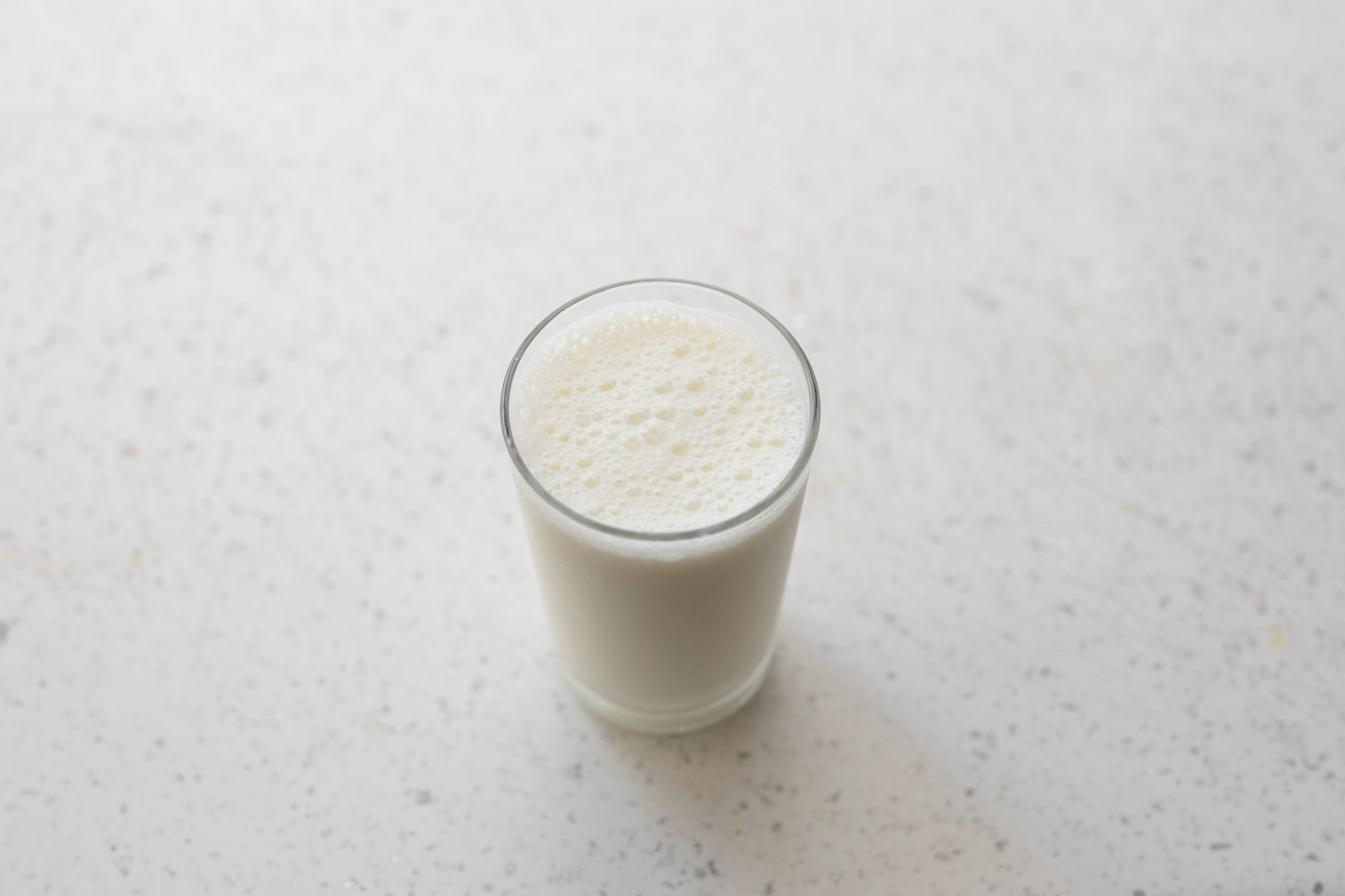

Makhana milk is a traditional Indian drink made by blending roasted fox nut (Euryale ferox) powder with warm milk, often lightly sweetened. A 250 ml glass prepared with cow’s milk delivers roughly 180 to 220 calories, 7 to 9 grams of protein, and meaningful amounts of calcium, magnesium, and phosphorus. The drink is naturally gluten-free, low on the glycemic index, and shows up in Ayurvedic kitchens as a cooling evening tonic, even though most of its modern reputation comes from social media rather than clinical trials.
Below, the actual contents of a glass, the benefits that hold up to scrutiny, the side effects that catch people off guard, and how the drink compares to almond, soy, oat, and regular dairy are laid out so you can judge the fit for your own routine.
What Makhana Milk Actually Is and Where It Comes From
Makhana, also called phool makhana, fox nut, or lotus seed, is the popped kernel of the Euryale ferox water lily. The plant grows in low-lying ponds across Bihar and the Mithila region, where India produces most of the world’s supply. Workers harvest the seeds, sun-dry them, then roast and pop them so the hard outer shell cracks open into a puffy white pearl. That popped seed is what gets ground into powder for milk.
The drink itself is simple in principle. Roasted makhana powder gets blended with warm milk (dairy or plant-based), strained, and sweetened to taste. The flavor lands somewhere between a roasted nut and a soft corn note, and the texture stays thin unless you load up on the powder. In Ayurveda, the preparation goes back centuries as a cooling, sattvic drink meant to balance pitta dosha, support restful sleep, and nourish reproductive tissue. Modern wellness culture rediscovered it as a plant-leaning alternative to sugary lattes.
Forms You Will Find It In
- Homemade: Roast raw makhana on low heat, blend into a fine powder, simmer with milk, and strain. Highest control over sugar and ingredients.
- Instant premix sachets: Powdered makhana with milk solids, sugar, and flavoring. Just add hot water. Shelf-stable for months.
- Bottled or tetra-pack versions: Ready-to-drink cartons sold in Indian grocery aisles and increasingly online. Check the label for added sugar and emulsifiers.
- Cafés and cloud kitchens: Reheated and frothed versions marketed as makhana lattes, usually with jaggery or dates as the sweetener.
The Nutritional Profile of a Standard Glass
Numbers shift depending on whether you use cow’s milk, almond milk, or soy milk, plus how much makhana powder goes in. The table below uses a typical homemade recipe: 30 grams of makhana powder whisked into 250 ml of liquid, no added sugar.
| Nutrient (per 250 ml glass) | With Cow’s Milk | With Almond Milk | With Soy Milk |
|---|---|---|---|
| Calories | ~200 kcal | ~110 kcal | ~150 kcal |
| Protein | 8 g | 4 g | 9 g |
| Carbohydrates | 20 g | 8 g | 10 g |
| Fat | 8 g | 6 g | 6 g |
| Calcium | ~280 mg | ~180 mg | ~250 mg |
| Magnesium | ~55 mg | ~50 mg | ~45 mg |
| Phosphorus | ~220 mg | ~90 mg | ~180 mg |
| Potassium | ~310 mg | ~160 mg | ~290 mg |
The mineral density comes almost entirely from the makhana itself. A 30-gram serving of fox nuts contributes roughly 60 mg of calcium, 20 mg of magnesium, and 90 mg of phosphorus before the milk even enters the picture. Add the milk, and the calcium number climbs sharply, especially with cow’s milk.
Antioxidants and the Glycemic Index
Makhana carries flavonoids and other phytonutrients, including gallic acid and chlorogenic acid, that show anti-inflammatory properties in lab studies. Roasting does reduce some of these compounds, but a standard stovetop toast at low heat preserves most of the antioxidant activity. The glycemic index of plain makhana sits around 45 to 50, which qualifies it as a low-GI food and explains why the finished drink does not spike blood sugar the way a sweetened oat latte can.
Watch what you stir in, though. A premix sachet can push the glycemic load far higher than homemade versions, and flavored bottled options frequently contain 12 to 18 grams of added sugar per serving. The base ingredient is gentle on glucose. The toppings are not.
That sugar load complicates the health halo, and the research helps separate what’s real from marketing.
Evidence-Based Benefits Worth Paying Attention To
Makhana milk pulls in a small but growing body of research on fox nuts themselves, plus a much larger body of evidence on the nutrients the drink delivers. The benefits that hold up best are the boring ones, the kind rooted in calcium, protein, and fiber rather than miracle claims.
Bone, Muscle, and Recovery Support
One glass made with cow’s milk gives you close to 30% of your daily calcium needs alongside a respectable 8 grams of protein. That combination matters for anyone focused on bone density, post-workout recovery, or simply closing nutrient gaps on a busy week. Magnesium and phosphorus round out the bone-building trio, and potassium helps regulate the muscle contractions that follow a training session. The soy milk version is the strongest alternative here, with nearly as much protein and comparable mineral density.
Blood Sugar and Satiety
Resistant starch is the quiet hero of fox nuts. A meaningful portion of the carbohydrate in makhana resists digestion in the small intestine and ferments in the colon, feeding beneficial gut bacteria and slowing glucose absorption. Combined with the drink’s low glycemic index, that means a moderate serving won’t send post-meal blood sugar on a rollercoaster. The fiber and protein also extend satiety, which is why people aiming for weight management often swap an evening chips habit for a warm glass of makhana milk. Using makhana milk for weight loss works best as a replacement, not an addition, to your usual routine.
Traditional Claims: Kidney, Reproductive, and Sleep
Ayurvedic texts position makhana as a cooling, vata-pacifying food that supports the kidneys and reproductive system. Modern science has not run large human trials on these specific outcomes, so treat them as plausible but unproven. What does have evidence is the drink’s role before bed. Warm milk with tryptophan and a small carbohydrate load can support sleep onset, and makhana’s magnesium content adds another nudge toward relaxation. Skip the caffeine, skip the heavy sugar, and the evening glass becomes a reasonable wind-down ritual.
Those benefits depend on serving size and preparation, which is where individual risk starts to matter.
Side Effects, Allergies, and Who Should Be Cautious
Most people tolerate makhana milk without issue, especially in normal serving sizes around 250 ml. Problems tend to show up when the portion creeps higher, the preparation changes, or an underlying sensitivity gets ignored.
Digestive Reactions
Fiber and phytic acid both concentrate in makhana, and a large glass can mean 3 to 4 grams of fiber arriving at once. For some guts, that translates to bloating, gas, or loose stools within a few hours. Phytic acid can also bind minerals like iron and zinc, blunting absorption when makhana dominates the diet. Soaking the seeds overnight and discarding the water before blending reduces phytic acid noticeably. People with IBS or a FODMAP sensitivity may want to test a small portion first; the resistant starch behaves like a fermentable fiber and can aggravate symptoms in sensitive individuals.
Oxalates and Kidney Stone Risk
Makhana contains oxalates, the same compounds that make spinach and almonds a concern for people prone to calcium oxalate kidney stones. A single glass is unlikely to push anyone over a daily limit, but if your doctor has advised a low-oxalate diet, treat makhana milk as an occasional choice rather than a daily habit. The cow’s milk in the glass does provide calcium that binds oxalate in the gut, which offers a small protective effect.
Allergy and Cross-Reactivity
True fox nut allergy is rare but documented. Because makhana is a seed, anyone with a known seed or nut allergy should introduce it cautiously, perhaps a teaspoon of the powder first, and watch for hives, itching, or swelling. People on blood thinners should know that makhana carries a small amount of vitamin K, though not enough to matter in a normal portion. Pregnant women and young children can safely consume homemade versions in moderation, but always check ingredients and preparation hygiene with a qualified healthcare professional if you have specific concerns.
How Makhana Milk Stacks Up Against Almond, Soy, Oat, and Cow’s Milk
The honest answer to whether makhana milk beats almond milk is that it depends on what you’re optimizing for. Each option wins somewhere and loses somewhere, and the matrix below makes the trade-offs concrete.
| Per 100 ml (unsweetened) | Calories | Protein | Calcium | Sugar | GI |
|---|---|---|---|---|---|
| Makhana Milk (cow’s milk base) | 80 | 3.2 g | 110 mg | 4 g | ~45 |
| Almond Milk | 17 | 0.6 g | 45 mg | 0 g | ~25 |
| Soy Milk | 55 | 3.5 g | 95 mg | 0.5 g | ~30 |
| Oat Milk | 48 | 1.0 g | 15 mg | 4 g | ~60 |
| Cow’s Milk (whole) | 60 | 3.2 g | 120 mg | 4.5 g | ~40 |
Where Each Option Wins
Makhana milk leads on mineral density, particularly calcium, magnesium, and phosphorus, while staying low on the glycemic index. Almond milk wins on calorie control and suits keto or low-carb plans. Soy milk matches cow’s milk on protein and carries the strongest evidence base for heart and bone health. Oat milk tastes closest to dairy and pours well in coffee, but its higher glycemic index rules it out for strict blood sugar management. Cow’s milk remains the protein-and-calcium benchmark, and the one most clinical research uses as a reference point.
Those comparisons clarify where makhana fits in your kitchen, making the practical question of how to actually make it more useful.
Condition-Specific Verdicts
- Diabetes: Homemade makhana milk with cow’s or soy milk scores well. Skip sweetened premixes and flavored cartons, which can contain 15+ grams of added sugar per serving.
- PCOS: The low-GI base and protein content support stable insulin response, but pair it with unsweetened plant milk and watch the total daily carbohydrate load.
- Thyroid: Soy milk versions need attention because soy isoflavones can affect thyroid medication absorption. Wait at least four hours between soy milk and levothyroxine. Plain makhana powder itself contains no goitrogenic compounds at meaningful levels.
- Pregnancy: Homemade makhana milk is generally safe, but always consult a qualified healthcare professional about specific dietary additions, especially in the first trimester.
- Lactose intolerance: Use almond, soy, or oat milk as the base. Makhana powder is naturally dairy-free.
Making Makhana Milk at Home and Using It Well
Homemade makhana milk takes about 15 minutes from start to finish, costs a fraction of bottled versions, and lets you control every ingredient. The basic method below makes two glasses.
Basic Recipe and Step-by-Step Method
- Roast the makhana: Heat 60 grams of raw fox nuts in a dry pan over low flame for 5 to 7 minutes, stirring often, until they crisp and turn lightly golden.
- Cool and grind: Let them cool for 2 minutes, then pulse in a blender until you get a coarse powder. A few small bits are fine.
- Warm the milk: Pour 500 ml of your chosen milk into a saucepan and bring it to a gentle simmer. Avoid boiling, which can scorch plant milks.
- Whisk in the powder: Add the makhana powder slowly while whisking to prevent clumping. Simmer 3 to 4 minutes.
- Sweeten and strain: Stir in 1 to 2 teaspoons of jaggery, honey, or dates. Strain through a fine mesh if you want a smoother texture.
- Serve warm: A pinch of cardamom or saffron adds a traditional touch without extra sugar.
Variations and Smart Swaps
Almond milk cuts calories by nearly half, oat milk gives the creamiest mouthfeel, and soy milk pushes protein highest. For a vegan version, stick with almond or soy and use maple syrup instead of honey. A teaspoon of cocoa powder turns it into a kid-friendly evening drink. Adding a spoon of ghee or a few soaked almonds is a traditional Ayurvedic move that bumps the fat content for cold climates or active recovery days.
When and How Often to Drink It
Most healthy adults tolerate one glass a day, around 250 ml, without trouble. Drinking it in the evening supports the sleep-friendly warm-milk ritual, while a morning glass pairs well with breakfast for sustained energy. Post-workout, the protein and mineral profile helps with recovery, especially when made with soy or cow’s milk. Skip the second or third glass unless your caloric and fiber needs call for it, because side effects of drinking makhana milk daily in excess are real, and gas or constipation will show up before any benefit scales further.
Homemade vs. Commercial: What Changes
Commercial premixes save time but trade control for convenience. A typical sachet contains maltodextrin, sugar, milk solids, and emulsifiers alongside the makhana powder, and a single serving can carry 12 to 18 grams of added sugar. Bottled versions last longer but sit in the same range. Homemade batches keep for 24 hours in the fridge, taste fresher, and let you adjust sweetness to your health goals. If you buy commercial, read the label for total sugar, milk source, and any FSSAI certification, which signals baseline food safety compliance in India.
Tip: Soak the makhana in warm water for 20 minutes before roasting if you find the powder too gritty. The seeds absorb moisture, soften, and blend into a smoother paste without losing the crispness after toasting.
Putting It Together
Makhana milk earns a real place in a balanced diet because of its mineral density, low glycemic load, and versatility across dairy and plant bases. The strongest case is bone health, blood sugar stability, and an evening routine that supports sleep without spiking calories. The honest limits are the lack of large clinical trials on makhana-specific benefits, the oxalate and phytic acid content in large servings, and the fact that commercial versions often hide sugar behind traditional branding. Make it at home when you can, keep portions around one glass a day, and treat the Ayurvedic claims as plausible tradition rather than proven therapy.
FAQ
What are the side effects of drinking makhana milk daily?
Most adults tolerate one 250 ml glass a day without issue, but larger servings can cause bloating, gas, or constipation from fiber and phytic acid. People prone to oxalate kidney stones should keep portions modest, and anyone with a seed or nut allergy should introduce it cautiously with a small test amount first.
Is makhana milk better than almond milk?
A single glass of makhana milk supplies noticeably more calcium, magnesium, and phosphorus than the same serving of almond milk, though almond milk still leads on calorie control. For bone health and mineral density, makhana milk is stronger. For low-carb or keto plans, unsweetened almond milk is the leaner pick.
Can diabetics drink makhana milk?
Yes, especially homemade versions with no added sugar. Makhana’s low glycemic index and resistant starch content support stable blood sugar. Avoid sweetened premixes and flavored cartons, which can add 12 to 18 grams of sugar per serving and undo the benefit.
When is the best time to drink makhana milk?
Evening suits most people because the warm milk and magnesium support relaxation and sleep. Morning works well for sustained energy at breakfast, and post-workout timing helps with protein-driven recovery. Avoid late-night large servings if fiber tends to disrupt your sleep.
Does makhana milk help with weight loss?
It can, when used as a replacement for higher-calorie or sugary drinks. The protein, fiber, and low calorie density support satiety and reduce evening snacking. Weight loss still depends on total daily calories and activity, so the drink alone won’t drive results.
Is makhana milk safe for babies?
Homemade makhana milk made without added sugar is usually fine for toddlers over one year, while infants under twelve months should continue with breast milk or formula unless a qualified healthcare professional recommends otherwise. Always check for allergies with a small first serving, and avoid honey-sweetened versions for children under one.