


Modest support for sexual desire, sperm quality, and menopausal comfort has been reported in small human trials of the plant. The Andean root delivers meaningful plant protein, fiber, vitamin C, copper, iron, and potassium per tablespoon, alongside unique compounds called macamides and glucosinolates. Evidence for energy, mood, and hormonal balance is thinner than supplement marketing implies, so a measured approach serves you best.
This guide breaks down the nutrition, active compounds, and clinical evidence behind maca so anyone eyeing the Andean root can weigh its real benefits against the hype, plus practical notes on forms, dosing, and safety.
The Andean Root Behind a Modern Supplement
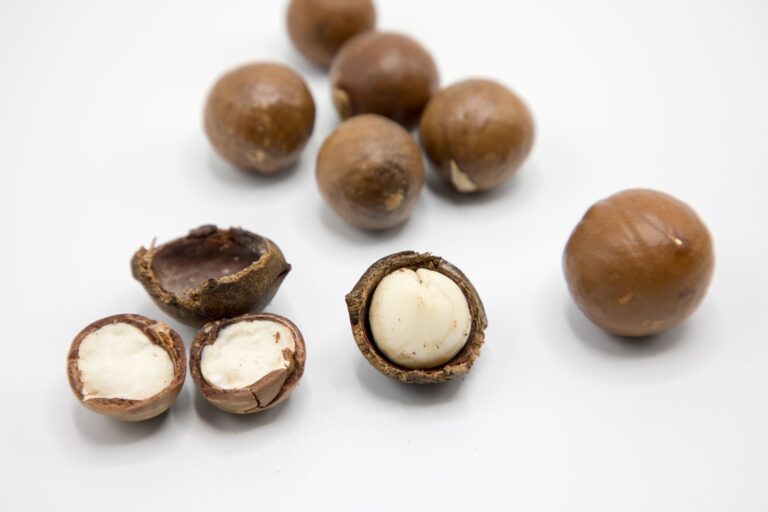
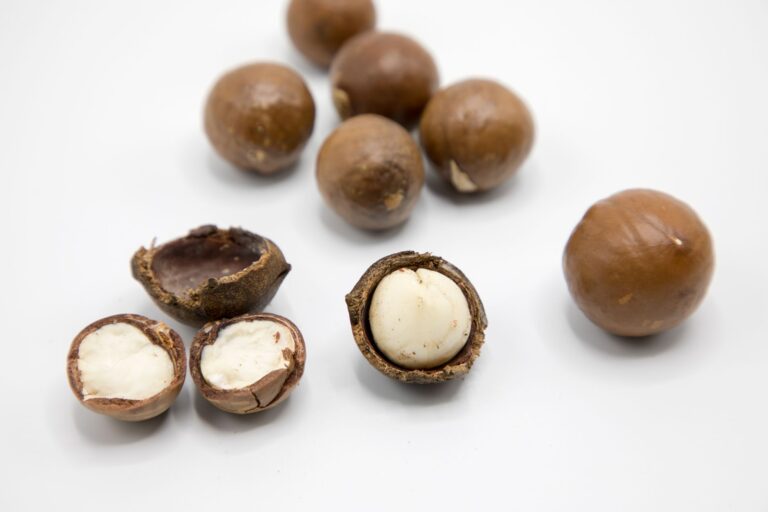
Lepidium meyenii is a cruciferous root cultivated on the high-altitude plateaus of the Peruvian Andes for an estimated 2,000 to 3,000 years. Inca communities harvested it as a staple food, often drying and cooking the root to make it easier to store through long winters at altitudes above 13,000 feet. That traditional preparation still shapes how the root is processed for supplement use today.
Three Colors, Slightly Different Profiles
Three primary color varieties are sold commercially, each carrying a slightly different mix of plant compounds.
- Yellow maca is the most common and the mildest in flavor, often used as a general-purpose supplement.
- Red maca tends to run higher in certain antioxidants and is traditionally associated with bone and prostate health in folk use.
- Black maca is the rarest and is most often linked in animal studies to effects on sperm production and endurance.
Most powders on store shelves blend all three colors, so the differences matter more for targeted research than for everyday use. After entering global wellness markets in the late 1990s, Peruvian maca now shows up in powders, capsules, liquid extracts, and baked goods across the United States.
Nutritional Profile and Active Compounds
A single tablespoon of maca powder delivers roughly 20 calories, 4 grams of carbohydrate, 1 gram of plant protein, and 1 gram of dietary fiber, along with meaningful amounts of vitamin C, copper, iron, and potassium. Because the root is calorie-dense and starchy, most people treat it as a functional ingredient rather than a standalone food. These maca root nutrition facts explain why the powder blends well into smoothies and oatmeal without disrupting macronutrient balance.
What Makes Maca Biologically Active
Beyond basic nutrition, maca contains a small group of unique compounds that researchers have singled out:
- Macamides are fatty-acid derivatives found almost exclusively in maca and are thought to drive much of its biological activity.
- Glucosinolates are sulfur-containing phytonutrients shared with broccoli and other cruciferous vegetables, linked to antioxidant and anti-inflammatory effects.
- Alkaloids and polyphenols round out the root’s antioxidant capacity, though at lower levels than berries or green tea.
The macamides matter most because they appear to influence the nervous system in ways that may explain the libido and mood effects seen in small trials. The absolute amounts in a daily dose are modest, which helps explain why the effects tend to be subtle rather than dramatic across most users.
What the Research Actually Shows
Human studies on maca are small, short, and often funded by supplement makers, so conclusions need to land gently. Libido and sperm quality show the most consistent signal, while energy, athletic performance, and thyroid support rest on weaker ground. A 2010 review in Current Urology Reports and a 2011 systematic review in BMC Complementary Medicine both found consistent but modest support for sexual desire improvements in men and postmenopausal women. Sperm count and motility also improved in a handful of trials, particularly among men with mild dysfunction.
Where the Evidence Stays Thin
Claims about energy, athletic performance, and thyroid support outpace the published data. Endurance studies in cyclists and runners have produced mixed results, with some showing no change in VO2 max or time-to-exhaustion. Findings on menopausal symptoms, including hot flashes and mood swings, are promising but limited by short trial windows of 6 to 12 weeks and sample sizes under 50 participants.
Compared with ashwagandha, ginseng, or rhodiola, maca has fewer rigorous trials but a comparable safety profile in short-term use. That balance matters for anyone deciding between adaptogens, because maca is not a stronger or weaker option. It is a different one, with a distinct set of evidence behind it.
Forms, Dosage, and Practical Use
Powder made from dried root is the most versatile form and blends easily into smoothies, oatmeal, and baked goods. Gelatinized maca is predigested with heat and pressure, which removes most of the starch and makes it gentler on sensitive stomachs. Capsules and liquid extracts offer convenience and more precise dosing for anyone who dislikes the earthy, malty taste that the powder carries.
How Much to Take and When
Most published studies use 1,500 to 3,000 mg of dried maca root daily, typically split into two doses taken with breakfast and lunch. Starting with a lower amount of around 500 to 1,000 mg for one to two weeks lets you assess tolerance before increasing. Maca dosage and safety data show that many people report feeling the first changes around week two or three, which lines up with the trial timelines showing measurable effects at four to eight weeks.
- Start low: 500 to 1,000 mg daily for the first 7 to 14 days.
- Build gradually: Increase to 1,500 to 3,000 mg split across two doses.
- Take with food: Reduces the jittery feeling some users notice on an empty stomach.
- Cycle if needed: Some users take 5 days on, 2 days off, though no clinical data require this.
Tip: Track energy, mood, and sleep in a simple journal for two to three weeks. Subjective feedback is more useful than chasing short-term effects.
Side Effects, Interactions, and Who Should Avoid It
Most people tolerate maca well at standard doses, but a few patterns show up often enough to mention. Digestive upset, mild insomnia, and occasional shifts in menstrual cycle timing are the most common complaints. These effects usually fade within a week of consistent use or after lowering the dose. Maca root side effects remain mild for most adults who follow standard dosing.
Thyroid, Hormones, and Medications
Raw maca contains goitrogens, which are compounds that can interfere with thyroid function when consumed in large amounts. Cooking or gelatinizing the root substantially reduces this concern, which is why most commercial powders are heat-processed. Anyone with an existing thyroid condition should still check with a clinician before adding maca to a daily routine.
Because maca may influence estrogen-sensitive pathways, anyone with a hormone-driven condition such as estrogen-receptor-positive breast cancer should consult a physician before use. Maca may also interact with blood-thinning medications and certain thyroid drugs, making medical guidance essential for those populations. Pregnant or breastfeeding women generally lack safety data and should avoid supplementation unless a provider specifically approves it.
Most healthy adults tolerate maca well, which is why so many simply stir it into their morning routine and forget about the caveats entirely.
- Digestive upset: Bloating or gas, often resolved by switching to gelatinized maca.
- Insomnia: Most common when doses are taken late in the day.
- Menstrual shifts: Cycle length may shorten or lengthen by a few days in some users.
- Drug interactions: Possible effects on blood thinners and thyroid medications.
How Maca Fits Into a Daily Routine
Pairing maca with a balanced breakfast and consistent hydration tends to reduce the jittery feeling some users report when taking it on an empty stomach. Many people blend a teaspoon of powder into a morning smoothie with banana, oat milk, and a tablespoon of nut butter, which softens the earthy flavor while adding protein and healthy fats. Capsules fit more cleanly into a supplement stack if you already take other nutrients at the same time of day.
Honest Expectations and Practical Limits
The fairest takeaway: maca is a nutritionally interesting root with selective evidence for libido support, but it is not a substitute for sleep, exercise, or medical care. Energy claims tend to rest on anecdote more than controlled data, and mood effects show up inconsistently across study designs. Choosing a third-party tested product and giving yourself a realistic trial window of six to eight weeks helps separate real results from placebo response.
Anyone managing thyroid, fertility, or hormone-related conditions should loop in their clinician before layering maca onto existing treatments. A short conversation about dosage and timing is often enough to avoid interactions and keep your routine running smoothly.
Final Thoughts
Maca earns its place as a moderately useful supplement, not a miracle. The strongest evidence points to modest improvements in sexual desire and sperm quality, while the rest of the claimed benefits remain a mix of tradition, anecdote, and early science. Treat it as one tool in a larger routine that includes sleep, movement, and real food, and you will set yourself up for the most honest results.
FAQ
What are the proven benefits of maca root?
Human trials support modest improvements in sexual desire and sperm quality, particularly in men with mild dysfunction and postmenopausal women. Other claims, including energy and thyroid support, lack consistent evidence and should be viewed with measured skepticism.
Is maca safe to take daily?
Most adults tolerate 1,500 to 3,000 mg of dried maca daily for up to several months without serious issues. Long-term safety data are limited, and people on blood thinners, thyroid medication, or hormone-sensitive conditions should consult a clinician first.
Can maca help with menopause symptoms?
Small studies suggest maca may reduce hot flashes and improve mood in some postmenopausal women, but the evidence is constrained by short trial durations and small sample sizes. It is not a replacement for medical treatment, but it may offer mild support for some people.
Does maca actually boost energy and libido?
Libido support is the most consistent finding across trials, with several studies showing modest increases in sexual desire within 4 to 12 weeks. Energy and stamina claims are largely anecdotal, and athletic performance studies have produced mixed results. Maca for energy and libido shows clearer results on the desire side than on raw stamina.
What are the side effects of maca supplements?
The most common complaints include digestive upset, mild insomnia, and occasional shifts in menstrual cycle timing. Raw maca contains goitrogens that may affect thyroid function, so cooked or gelatinized forms are generally considered safer for regular use.
How much maca should you take per day?
Most published studies use 1,500 to 3,000 mg of dried maca root daily, split into two doses with meals. New users should start with 500 to 1,000 mg for one to two weeks to assess tolerance before increasing.