

Roughly 20 grams of plant protein, 19 grams of fiber, and a generous hit of folate hide inside every cooked cup of these small white legumes. One cooked cup (about 182 g) delivers roughly 255 calories, 15 g of protein, 19 g of fiber, and 47 g of slow-digesting carbohydrates, plus more than 60% of the daily value for folate. You also get iron, magnesium, potassium, and manganese in meaningful amounts, which is why nutrition researchers keep putting this legume in the spotlight.
If you’ve been wondering what makes this humble pantry staple so widely studied, this guide walks you through navy beans’ full nutrition profile, proven health perks, potential digestive pitfalls, and safe soaking and storage methods.
What Navy Beans Are and Where They Come From
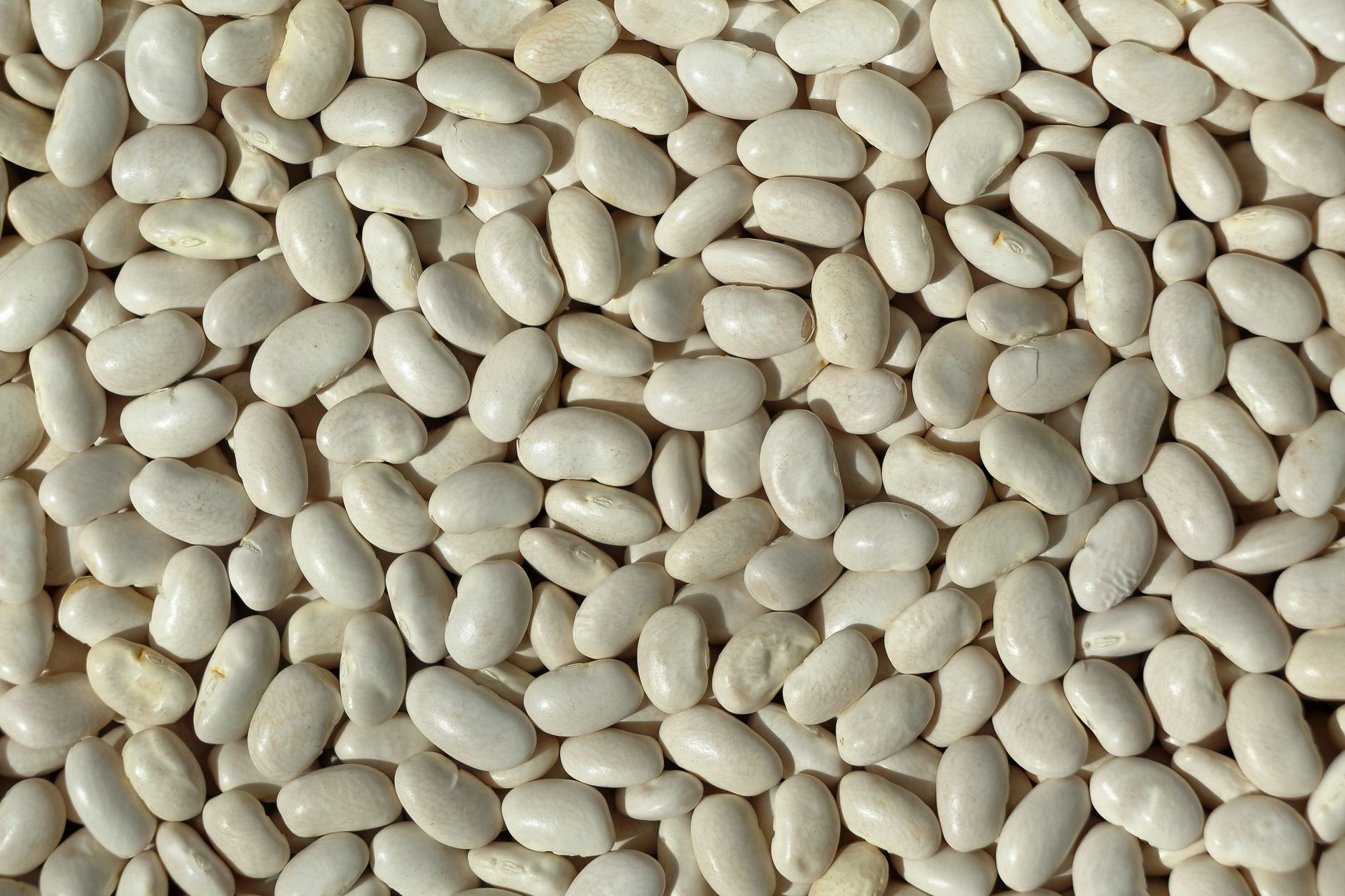
Small, creamy-white, and oval-shaped, navy beans are a variety of Phaseolus vulgaris, the same species that gives you black, pinto, and kidney beans. Cooked navy beans carry a mild, slightly nutty flavor and a soft, almost porridge-like texture that absorbs whatever you cook them in. In British and French kitchens, the same legume often goes by the name haricot bean.
Archaeological evidence places their domestication in Central and South America more than 7,000 years ago, with cultivation spreading north through Indigenous trade networks long before European contact. By the 19th century, the U.S. Navy adopted them as a staple aboard ships, which is where the name stuck. The United States and Canada now produce most of the commercial crop, and canned versions line nearly every grocery shelf.
How Navy Beans Differ From Other White Beans
Three white beans usually sit side by side in the bulk section, and the right pick depends on what your recipe needs. Navy beans are the smallest and starchiest, cannellini are the largest with a meatier bite, and great northern beans fall in between on both size and starch. Because navy beans soften faster and break down more readily, they remain the traditional choice for puréed soups, baked beans, and thickening stews.
| Bean Type | Size | Texture When Cooked | Best For |
|---|---|---|---|
| Navy | Smallest | Soft, creamy, breaks down easily | Baked beans, puréed soups, thick stews |
| Great Northern | Medium | Smooth, holds shape | Cassoulet, salads, side dishes |
| Cannellini | Largest | Firm, meaty | Italian minestrone, cold salads, dips |
All three are sold dried, canned, and pre-cooked in pouches. Dried beans cost the least and let you control sodium, but they require soaking and at least an hour of cooking. Canned beans are ready in minutes, and the main trade-off is added salt, usually 300 to 500 mg per half-cup, though no-salt-added versions are widely available.
The Nutritional Profile of Cooked Navy Beans
A single cooked cup delivers around 255 calories, 15 grams of protein, and 19 grams of fiber without a trace of fat or cholesterol. One cup provides roughly 255 calories, 15 g of plant protein, 19 g of fiber, and 47 g of slow-digesting carbohydrates. Fat stays under 1 g per cup, with most of it coming from heart-healthy polyunsaturated and monounsaturated sources. The protein-to-calorie ratio is unusually high for any whole food, and the fiber alone covers about 70% of the daily value most nutrition authorities recommend.
Micronutrients are where navy beans really pull their weight. A single cooked cup supplies more than 60% of the daily value for folate, a B-vitamin critical for DNA synthesis and especially important during pregnancy. The same cup delivers around 24% of the daily value for iron, 22% for magnesium, 21% for potassium, and 38% for manganese, a trace mineral that supports bone formation and antioxidant enzymes.
Bioactive Compounds Beyond Basic Vitamins
Most bean articles stop at fiber and protein, yet navy beans contain specific plant compounds with measurable effects in your body. Resistant starch, a fraction that resists digestion in the small intestine, reaches the colon intact and feeds beneficial bacteria, producing short-chain fatty acids like butyrate that support colon health. Saponins, the same compounds that make soap foam, appear in navy beans at meaningful levels and have shown cholesterol-lowering activity in animal studies.
Polyphenols in navy beans, including flavonoids and phenolic acids, contribute to the antioxidant capacity reported in laboratory analyses. These compounds differ from generic vitamin C or vitamin E activity and aren’t directly comparable to antioxidants in supplement form. The Academy of Nutrition and Dietetics and the British Dietetic Association both recognize pulses as a category with consistent cardiometabolic benefits, and the U.S. Dietary Guidelines for Americans recommend about 1.5 cups of cooked beans per week as part of a balanced pattern.
Glycemic behavior adds another practical layer. Navy beans score around 30 to 40 on the glycemic index, which qualifies as low, and the glycemic load of a typical serving stays under 10. That makes them a useful carbohydrate for blood sugar regulation, especially when you swap them in for refined starches like white rice or white bread.
That steady release of energy is exactly why researchers have put navy beans under the microscope for broader health outcomes.
Evidence-Based Health Benefits Worth Knowing
Regular navy bean intake has been linked to measurable improvements in four areas: cholesterol, blood sugar control, weight management, and gut health. The evidence draws on clinical trials, observational studies, and mechanistic research on the compounds covered above, and the strength varies by outcome.
Cholesterol and Cardiovascular Markers
Soluble fiber binds bile acids in the gut, forcing the liver to pull cholesterol from the bloodstream to make more bile, which lowers circulating LDL. Navy beans deliver a high proportion of soluble fiber compared to other beans, and clinical studies on whole navy bean intake have shown LDL reductions of 5 to 10% over 8 to 12 weeks. Phytosterols, plant compounds that compete with cholesterol for absorption, contribute a smaller but additive effect on top of that.
Folate, magnesium, and potassium round out the cardiovascular case. Folate helps regulate homocysteine, an amino acid linked to arterial damage when elevated. Magnesium supports normal blood pressure and vascular relaxation, and potassium helps offset the blood-pressure effects of sodium. The American Heart Association routinely lists beans and legumes among the foods to include for a heart-healthy dietary pattern, alongside vegetables, fruits, whole grains, and fish.
Blood Sugar and Satiety
The low glycemic index combined with high fiber and protein produces a slow, steady release of glucose into the bloodstream. Studies on bean-rich meals show improved post-meal insulin response and reduced blood sugar spikes compared to matched carbohydrate portions of rice or pasta. For people managing type 2 diabetes, navy beans can be a useful swap within a balanced plate that includes vegetables and a modest portion of lean protein.
Satiety tends to run high after a bean-rich meal. Both fiber and protein stretch the stomach and slow gastric emptying, and legumes as a category have been highlighted by researchers at the Harvard T.H. Chan School of Public Health as supporting weight management through these mechanisms. A cup of navy beans at lunch can carry you comfortably to dinner without a mid-afternoon snack.
Gut Microbiome and Resistant Starch
Resistant starch and the oligosaccharides in navy beans act as prebiotics, feeding Bifidobacteria and other beneficial species. A more diverse gut microbiome is associated with stronger immune function and lower inflammation markers in observational research. A 2017 controlled feeding study published in the American Journal of Clinical Nutrition found that diets high in beans increased microbial diversity and raised short-chain fatty acid production within a few weeks. Navy beans weren’t the only bean studied, but they fit the same pattern.
Tip: Pair navy beans with whole grains like brown rice or barley for a complete protein and a broader range of prebiotic fibers.
Side Effects, Digestive Issues, and Who Should Be Cautious
Most of the downsides from navy beans come down to two issues: digestive gas from oligosaccharides and a real but rare toxin risk from undercooking. A smaller number of people need to watch portion sizes for other reasons, including gout and sodium sensitivity.
Gas, Bloating, and the Oligosaccharide Problem
Raffinose and stachyose are short-chain carbohydrates that your small intestine lacks the enzyme to break down. They pass intact to the colon, where bacteria ferment them and produce hydrogen, methane, and carbon dioxide. Soaking dried beans, discarding the soak water, and gradually increasing your portion size all reduce the effect. Adding a strip of kombu seaweed to the cooking water is a traditional tactic with some anecdotal support, and digestive enzyme supplements like alpha-galactosidase, sold over the counter under the brand name Beano, can break down raffinose before it reaches the colon.
Start with a half-cup serving if you haven’t eaten beans in a while, and let your gut adapt over a week or two. For most people, tolerance builds quickly because the bacteria that ferment oligosaccharides actually increase with regular exposure.
Phytohemagglutinin: A Real Toxin
Raw or undercooked kidney beans, including navy beans, contain phytohemagglutinin, a lectin that can cause severe nausea, vomiting, and diarrhea within hours of ingestion. The toxin is destroyed by boiling. Boil soaked beans at a full rolling boil for at least 10 minutes, then reduce to a simmer. Slow cookers that never reach a hard boil don’t reliably destroy the toxin, and slow-cooking without pre-boiling has been linked to outbreaks. Canned beans are pre-cooked, so the toxin is already neutralized.
Other Considerations
Purines, natural compounds that break down into uric acid, sit at a moderate level in navy beans. People with a history of gout may need to watch portion sizes, though most modern guidelines no longer place all beans on a strict avoid list. Low-FODMAP diets, often used to manage irritable bowel syndrome, restrict navy beans because of the same oligosaccharides that cause gas.
Canned navy beans can carry 300 to 500 mg of sodium per half-cup unless you choose no-salt-added versions. Some cans also use linings that contain bisphenol A (BPA), a chemical that has raised health concerns over the past decade. Look for cans labeled BPA-free or shift to dried or boxed beans if either issue matters for your situation.
Canned beans sidestep the soaking step, but that convenience has stirred its own share of safety questions.
How to Soak, Cook, and Store Navy Beans Safely
Proper preparation is the difference between creamy, digestible beans and a plateful of regret. Three variables matter most: soaking method, cook time and temperature, and how you store the finished product.
Soak, Quick-Soak, or Skip the Soak
Cover dried beans with at least three times their volume of water and let them sit on the counter for 8 to 12 hours, then drain and rinse before cooking. This rehydrates the beans evenly and leaches out a portion of the oligosaccharides that cause gas. A quick-soak method boils the beans for 2 minutes, removes them from heat, covers the pot, and lets them sit for 1 hour, which shortens the timeline when you forget to plan ahead.
Soaking isn’t strictly required for nutrition, but it shortens cook time by 30 to 45 minutes and improves texture. If you skip the soak, plan for 90 minutes to 2 hours of simmering, and make sure the water reaches a full rolling boil for the first 10 minutes to neutralize phytohemagglutinin.
Cooking and Storage
Salt the cooking water lightly, simmer gently with the lid slightly ajar, and skim any foam that rises in the first few minutes. The foam is mostly proteins and starches, harmless but unappetizing, and skimming it off results in a clearer broth. Cook until the beans mash easily with a fork, usually 45 to 90 minutes depending on soak time and bean age.
Reserve the cooking liquid. It is essentially a free, starchy, mineral-rich broth that thickens soups and adds body to grains. Strain it into a jar and stir it into rice, polenta, or bread doughs.
- Refrigerate cooked beans in a sealed container for up to 4 days, or 5 to 6 days if you simmered them for more than 10 minutes.
- Freeze in portion-sized containers for up to 6 months, leaving 1 inch of headspace because the liquid expands.
- Never store cooked beans at room temperature for more than 2 hours, since bacterial growth accelerates in the starchy liquid.
- Discard any batch that smells sour, develops a slimy texture, or shows surface mold.
Practical Ways to Cook With Navy Beans Every Week
Most people default to baked beans, and for good reason, but navy beans are far more flexible than that. A base ratio of about 2 parts cooked beans to 1 part flavorful liquid handles a wide range of dishes, from puréed soups to hearty grain bowls.
Beyond Baked Beans
Purée a cup of cooked navy beans with olive oil, lemon juice, garlic, and salt for a quick white bean hummus that pairs with vegetables and pita. Stir them into minestrone, Italian wedding soup, or a Tuscan-style ribollita, where their starchiness thickens the broth naturally. Toss them cold into salads with chopped herbs, red onion, and a vinaigrette, where their soft texture contrasts with crunchy vegetables.
Navy beans also blend into baked goods. Replace a quarter of the flour in pancakes, muffins, or quick breads with puréed beans, and you’ll add protein and fiber without changing the flavor much. Chocolate-based baked goods hide beans especially well.
Build a Base Recipe Framework
For a weeknight soup that scales easily, sauté an onion and a few cloves of garlic in olive oil, add 4 cups of cooked navy beans, 6 cups of stock or water, a bay leaf, and any vegetables you have on hand, then simmer until the vegetables are tender. Purée half the pot for a creamier texture, or leave it chunky for a heartier bowl. Finish with acid, a squeeze of lemon or a splash of vinegar, to brighten the flavor.
Canned beans win for speed, and you can keep two or three cans in the pantry for last-minute meals. Dried beans win for batch cooking, sodium control, and better texture in long-simmered dishes like cassoulet or slow-baked beans. Both have a place in a working kitchen.
With the groundwork laid, the real payoff comes from building them into meals you already make.
Tip: Combine navy beans with a grain (rice, barley, or quinoa), a green vegetable, and a source of vitamin C (tomatoes, peppers, lemon) for a meal that supplies complete protein, complex carbohydrates, and improved iron absorption in one bowl.
Key Takeaway
Navy beans deliver more protein and fiber per calorie than almost any other pantry staple, and the science behind their heart, blood sugar, and gut benefits is stronger than most people realize. The two practical barriers, gas and the undercooking risk, both have well-tested fixes: soak, boil hard for at least 10 minutes, and build up your portions slowly. Once you’ve nailed the cook method, the recipe list opens up well beyond the can.
FAQ
What are the main nutritional facts of navy beans?
One cooked cup of navy beans contains roughly 255 calories, 15 g of plant protein, 19 g of fiber, and 47 g of carbohydrates, plus more than 60% of the daily value for folate, along with iron, magnesium, potassium, and manganese. They are naturally low in fat and contain no cholesterol, so you get a dense nutrient package without the saturated fat load of many protein sources.
Do navy beans help lower cholesterol?
Clinical trials show that the soluble fiber and phytosterols in navy beans can lower LDL cholesterol by 5 to 10% over 8 to 12 weeks of regular intake. Combining navy beans with an overall heart-healthy dietary pattern amplifies the effect, so you can think of them as one piece of a broader cholesterol-management plan rather than a standalone fix.
Can navy beans cause gas or digestive issues?
Gas and bloating are common, especially when you first add beans to your diet, because navy beans contain oligosaccharides that gut bacteria ferment. Soaking, discarding soak water, gradually increasing portions, and using a digestive enzyme like alpha-galactosidase all reduce the problem, and your tolerance typically builds over one to two weeks of consistent intake.
Are canned navy beans as nutritious as dried?
Protein, fiber, and most micronutrients stay nearly identical between canned and dried navy beans, so reaching for the can costs you very little nutritional value. The two main trade-offs are sodium, which can run 300 to 500 mg per half-cup in regular canned versions, and the can lining, which may contain BPA. No-salt-added and BPA-free options address both concerns for your pantry.
How much protein is in navy beans compared to other beans?
At around 15 grams per cooked cup, navy beans edge out black beans (13 to 14 g) and roughly match pinto beans (14 to 15 g). Cannellini and great northern beans sit close behind, making white beans as a group the most protein-dense common bean category, which is worth knowing if you rely on plant proteins to hit your daily targets.
Who should avoid eating navy beans?
People with severe irritable bowel syndrome on a strict low-FODMAP diet, those with rare bean allergies, and individuals advised by a doctor to limit purine intake may need to restrict or avoid navy beans. For everyone else, portion control and proper preparation make them a safe staple, and you can usually reintroduce small amounts under guidance if your condition later changes.