
A navel orange is a seedless, easy-to-peel variety of sweet orange, botanically Citrus sinensis, that originated from a single spontaneous mutation on a Brazilian plantation around 1820. The signature “navel” at the blossom end is a tiny underdeveloped twin fruit, harmless and a built-in marker for the variety. One medium fruit delivers about 60 to 70 calories, roughly 3 grams of fiber, and a vitamin C load that covers over 90 percent of your daily target.
This guide covers the nutrition, standout benefits, and potential side effects of navel oranges, helping anyone curious about adding this seedless citrus to their diet make an informed choice.
What Sets Navel Oranges Apart From Other Citrus
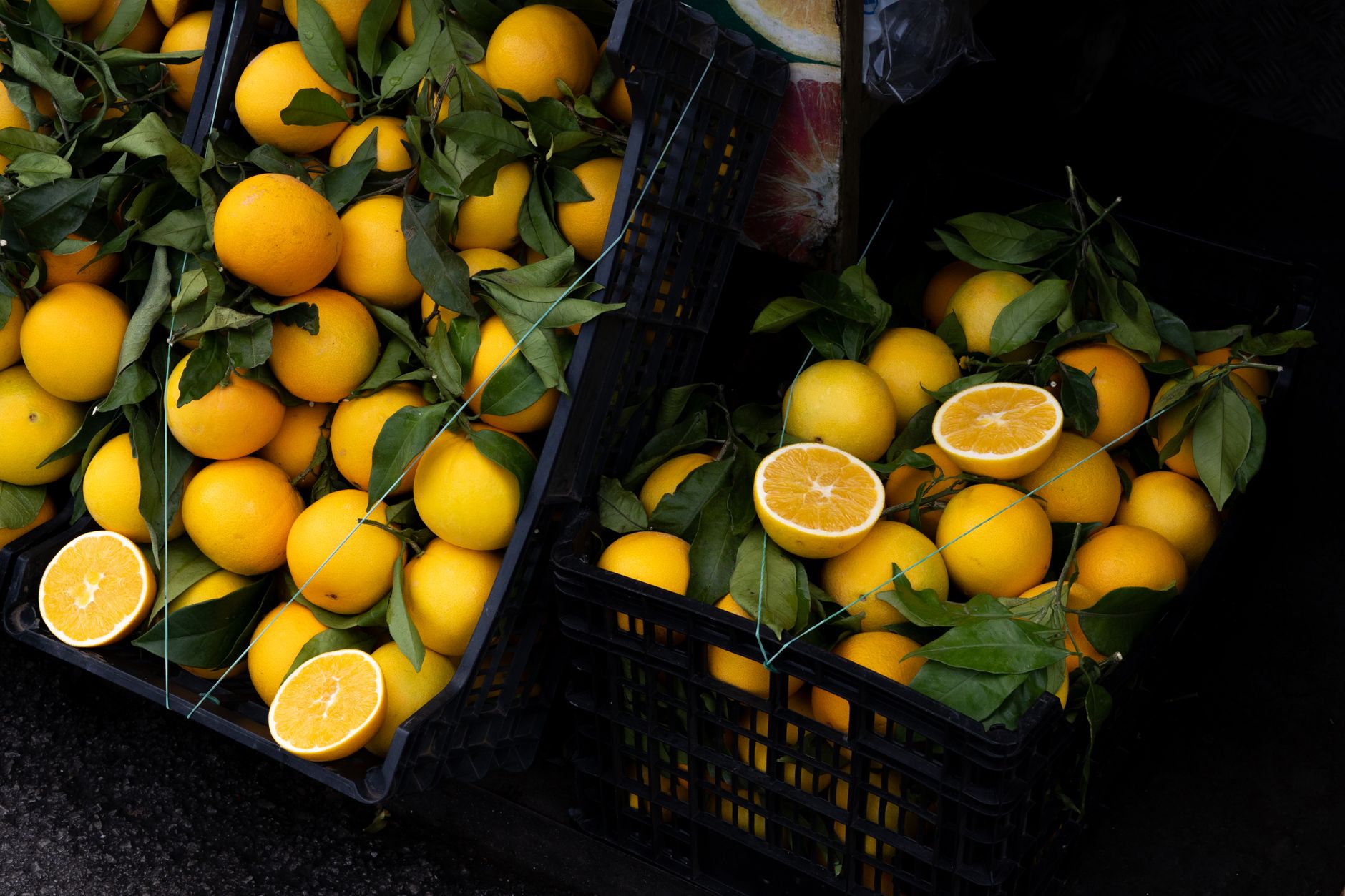
Walk into a U.S. grocery store in January and the round, bright-orange fruit stacked in pyramids is almost always a navel. The variety traces back to a single tree in Bahia, Brazil, around 1820, and arrived in the United States in 1870 through the work of botanist William Saunders and his wife Eliza, who planted twelve cuttings at the U.S. Department of Agriculture in Washington, D.C. The Washington Navel, as it became known, anchors California and Arizona production today.
That little belly-button formation at the base is the giveaway. It’s a small, undeveloped secondary fruit formed when the original blossom produced a twin that never matured, which is also why navel oranges are reliably seedless. The thick, pebbly rind peels cleanly in segments, and the interior separates into neat wedges without releasing much juice onto your fingers. Compared to a Valencia, a navel holds less liquid per fruit and carries a touch more acid, which is the trade-off that makes it an eating orange rather than a juicing orange.
Why the November-to-March Window Matters
Sugar, juice content, and shelf price all peak together during the November-through-March stretch, which is why growers and shoppers alike watch that window so closely. Florida Department of Citrus data and California Citrus Mutual harvest reports show the heaviest picking volume in December and January, with fruit often selling at its lowest seasonal price then. Off-season navels are usually imported, stored longer, and noticeably drier, so the calendar genuinely changes what lands in your kitchen.
The Nutrition Profile of a Medium Navel Orange
Pull up a medium navel on the scale (roughly 140 grams) and you get about 62 to 70 calories, 15 grams of natural sugar, 3 grams of dietary fiber, and a full day’s worth of vitamin C in a single piece of fruit. Folate lands around 40 micrograms, potassium near 240 milligrams, and the calorie-to-nutrient ratio is unusually generous for something that tastes like dessert.
USDA FoodData Central values confirm the pattern across multiple harvests, so the numbers don’t shift dramatically by region. The fiber splits roughly evenly between soluble and insoluble types, with pectin doing most of the soluble work. That pectin is also why the fruit feels filling relative to its calorie count.
What the Micronutrients Actually Do
Vitamin C is the headline nutrient, and a single navel covers more than 90 percent of the daily value set by federal nutrition guidance. Beyond that, the fruit carries meaningful amounts of folate, which matters for red blood cell formation, and potassium, which supports healthy blood pressure when consumed as part of a balanced pattern of eating. Two compounds show up consistently in the nutrition literature on citrus: hesperidin, a flavonoid concentrated in the white pith and membranes, and beta-cryptoxanthin, a carotenoid pigment that gives the flesh its orange hue.
How Sugar and Fiber Interact
Roughly 15 grams of natural sugar sit inside a single fruit, yet the 3 grams of fiber alongside it slow absorption so effectively that the whole fruit lands at a moderate glycemic index of 40 to 50, far below bread or most breakfast cereals. Juice strips the fiber and concentrates the fructose, which is why a glass of orange juice behaves like a different food than the whole fruit it came from.
| Nutrient | Amount per medium navel (140 g) | Percent of daily value |
|---|---|---|
| Calories | 62–70 | 3% |
| Total sugar | ~15 g | , |
| Dietary fiber | ~3 g | 11% |
| Vitamin C | ~82 mg | 91% |
| Folate | ~40 µg | 10% |
| Potassium | ~240 mg | 5% |
Evidence-Based Benefits Backed by Those Nutrients
Eating navel oranges is associated with several measurable outcomes in nutrition research, though the strength of evidence varies by benefit. The clearest wins are for immune function, skin collagen production, and digestive regularity, where the vitamin C and fiber content do direct, well-documented work. Heart and circulation benefits look promising but rely more on population studies than clinical trials.
What follows isn’t a list of promises. It’s a plain accounting of what those specific nutrients in this specific fruit appear to do in the human body, based on the best available evidence.
Immune Function and Skin Resilience
Vitamin C plays a documented role in white blood cell function, collagen synthesis, and the protection of cells from oxidative damage. The 90-plus percent of the daily value you get from one navel is enough to keep tissue stores saturated in most adults, and the small amounts of beta-cryptoxanthin and hesperidin add modest antioxidant support on top of that. The result is healthier skin structure, faster wound healing, and a baseline of immune readiness that doesn’t require supplements.
Heart Health and Circulation
Hesperidin has been studied for its effects on blood vessel function, with some research suggesting improvements in endothelial performance and modest reductions in blood pressure when consumed regularly. Potassium contributes to the same picture by counterbalancing sodium, and the soluble fiber (pectin) binds cholesterol in the gut before it reaches the bloodstream. None of this means a daily orange replaces prescribed heart medications, but as part of a balanced pattern, the fruit pulls in the right direction.
Pregnancy Support and Red Blood Cell Formation
Folate is essential during early pregnancy for neural tube development, and the roughly 40 micrograms per navel adds up across a day of varied eating. For non-pregnant adults, folate supports red blood cell formation and DNA repair, both of which run continuously in the body.
Digestive Regularity and Satiety
The 3 grams of fiber, plus the roughly 85 percent water content, makes a medium navel surprisingly filling for its calorie count. That combination supports regular bowel movements and helps you feel satisfied between meals, which is one reason whole fruit tends to outperform juice for appetite control.
How Navel Oranges Compare to Valencia, Blood, and Mandarin Varieties
Most “oranges” at the store are interchangeable in a recipe, but the nutritional and culinary differences are real once you look closely. Valencia oranges pack more juice per fruit, blood oranges add a unique antioxidant, and mandarins are smaller and easier to section. Navels win on vitamin C density, size, and the seedless, peelable convenience that made them the default eating orange in the first place.
| Variety | Calories (per fruit) | Vitamin C | Distinct feature |
|---|---|---|---|
| Navel | ~65 (medium, 140 g) | ~82 mg | Seedless, thick rind, high vitamin C density |
| Valencia | ~60 (medium, 130 g) | ~71 mg | Juicier, fewer acids, ideal for juicing |
| Blood orange | ~70 (medium, 140 g) | ~75 mg | Anthocyanin pigments, berry-like notes |
| Mandarin | ~45 (small, 90 g) | ~32 mg | Loose skin, easy to section, kid-friendly |
Valencia oranges are the workhorse of the juice industry, partly because they hold more liquid per fruit and partly because their lower acid content gives a sweeter glass. Blood oranges (often labeled as Moro or Tarocco) get their crimson flesh from anthocyanins, the same pigment family found in blueberries, which adds a distinct antioxidant edge to their nutrition profile. Mandarins and clementines are smaller, easier to peel for kids, and modestly lower in calories per piece. Across all four, the vitamin C numbers stay impressive, but the navel tends to edge out the others on density per gram.
Side Effects, Sensitivities, and Medication Interactions to Know
For most adults, eating navel oranges is a net positive. That said, a handful of situations can turn this healthy habit into a problem, and they’re worth knowing before you start eating three or four a day. The big categories are acid-related symptoms, blood sugar swings from juice, a small set of drug interactions, true citrus allergies, and pesticide residue on conventional fruit.
Heads up: If you’re on a statin, certain antihistamines, or some blood pressure medications, check with your pharmacist before stacking citrus into your daily routine. A short conversation can prevent a real interaction.
Acid Reflux, Heartburn, and Canker Sores
Citric acid is the trigger here, and sensitivity varies widely. Some people feel heartburn after a single orange, while others can eat three without noticing anything. Canker sores sometimes flare in people prone to them, particularly when citrus intake jumps suddenly. The practical threshold is personal: if symptoms appear, scale back to half a fruit per serving and see whether the issue resolves.
Blood Sugar and Diabetes
Eaten intact with their fiber still wrapped around each segment, these fruits post a moderate glycemic index and fit comfortably into most eating patterns designed to keep blood sugar steady. Juice is a different story, since the fiber gets removed and the fructose concentrates. People managing diabetes generally tolerate one to two whole fruits per day fine, but juice can spike glucose quickly, and large quantities of whole fruit (four or more) can also add up.
Drug Interactions Worth Checking
Citrus compounds can affect the enzymes that metabolize certain medications. Statins like simvastatin and atorvastatin are the most commonly cited examples, along with some antihistamines (particularly fexofenadine), certain calcium channel blockers, and a few antibiotics. A pharmacist or your prescribing clinician can tell you in a minute whether your specific prescriptions interact with citrus.
Citrus Allergies and Oral Allergy Syndrome
Only a small fraction of the population reacts to citrus at all, yet among those who do, oral allergy syndrome trips up people whose immune systems mistake citrus proteins for birch or grass pollen. The result is itching or tingling in the mouth after eating raw fruit, usually mild and short-lived. Cooking the fruit generally eliminates the reaction, so marmalade and baked dishes can stay on the menu even when raw segments don’t.
Pesticide Residue on Conventional Fruit
Year after year, conventionally grown citrus lands on the Environmental Working Group’s “Dirty Dozen” roster, which tracks produce carrying the highest pesticide residue in the produce aisle. A 30-second scrub under running water with a dedicated brush removes most surface residue, and going certified organic eliminates the question entirely. Peeling also works, though you lose some of the pith-layer flavonoids in the process.
How Many Navel Oranges to Eat and How to Get the Most From Them
For most adults without reflux, blood sugar, or medication concerns, one to two medium it per day is a sweet spot. That amount delivers meaningful vitamin C, folate, and fiber without overloading natural sugars or acid. Three or four per day is where most people start to notice symptoms or see blood sugar numbers creep up.
| Daily amount | Calories | Sugar | Fiber | Vitamin C |
|---|---|---|---|---|
| 1 medium navel | ~65 | ~15 g | ~3 g | ~82 mg |
| 2 medium navels | ~130 | ~30 g | ~6 g | ~164 mg |
| 3 medium navels | ~195 | ~45 g | ~9 g | ~246 mg |
| 4 medium navels | ~260 | ~60 g | ~12 g | ~328 mg |
Choosing a Sweet, Juicy Fruit at the Store
Heavy-for-size is the single best indicator of juice content. A medium navel should feel weighty for its dimensions, and the skin should be firm with fine pores rather than coarse and puffy. A fresh green tinge around the stem area is a good sign of recent harvest, while a dried-out or mushy stem end usually means the fruit has been sitting for a while. Soft spots, mold at the navel, and spongy texture are all reasons to put the fruit back.
Storage That Preserves Flavor
Room temperature on the counter keeps a navel at peak flavor for about a week, and the refrigerator extends that to two or three weeks. Avoid sealing warm fruit in plastic bags, since trapped moisture accelerates mold. Cut segments last three to four days refrigerated in a covered container.
Everyday Ways to Use Them Beyond Snacking
Segmenting a navel over a salad adds color, sweetness, and a vitamin C boost that helps your body absorb iron from leafy greens. The zest carries concentrated oils that lift vinaigrettes, marinades, and roasted vegetables. A few practical uses worth trying:
- Segment into grain salads: Toss with quinoa, fennel, and olives for a bright lunch.
- Zest into dressings: Whisk zest with olive oil, vinegar, and a touch of honey.
- Roast with vegetables: Caramelize wedges alongside carrots or butternut squash.
- Freeze for smoothies: Peel and freeze segments in a single layer before bagging.
- Simmer into a quick sauce: Reduce juice with a splash of vinegar for a glaze on pork or duck.
Putting It Together
The most useful frame is simple: it are a nutrient-dense, moderately sweet whole food that fits comfortably into a balanced pattern of eating at one to two per day. Their vitamin C density is unusually high, their fiber and water content make them filling, and their flavonoid profile adds modest cardiovascular support. The flip side is that acid, sugar concentration in juice, and a few drug interactions can trip you up if you overdo it. Pick heavy fruit, store it cool, and treat it as a daily habit rather than a limitless snack.
FAQ
Are navel oranges good for weight loss?
Whole it are a strong fit for weight management because the fiber and water content make a single medium fruit filling for about 65 calories. Juice removes that advantage and tends to leave you hungrier an hour later, so stick to the whole fruit when you’re watching your intake.
Can people with diabetes eat navel oranges?
Most people managing blood sugar can eat one to two whole it per day without issue, since the fiber slows absorption and keeps the glycemic response moderate. Juice is a different story, and large portions (three or more whole fruits) can push glucose higher than intended.
Do navel oranges have more vitamin C than other oranges?
Per gram of fruit, it tend to edge out Valencia and mandarin varieties on vitamin C content, which is one reason a single medium navel can cover over 90 percent of the daily value. Blood oranges are close behind, while mandarins and clementines are lower because the fruit itself is smaller.
What happens if you eat too many navel oranges?
Eating four or more per day can trigger heartburn or acid reflux in sensitive people, raise blood sugar more than expected, and in rare cases contribute to carotenemia (a harmless yellowing of the skin) from excess beta-cryptoxanthin intake. Sticking to one or two per day avoids all of these issues for the vast majority of adults.
Do navel oranges interact with statins or blood pressure medications?
Citrus compounds can interfere with the enzymes that break down certain statins, antihistamines, and some blood pressure drugs, so a quick check with a pharmacist is worth the effort. One or two whole oranges per day is usually fine, but a pharmacist can confirm based on your specific prescriptions.