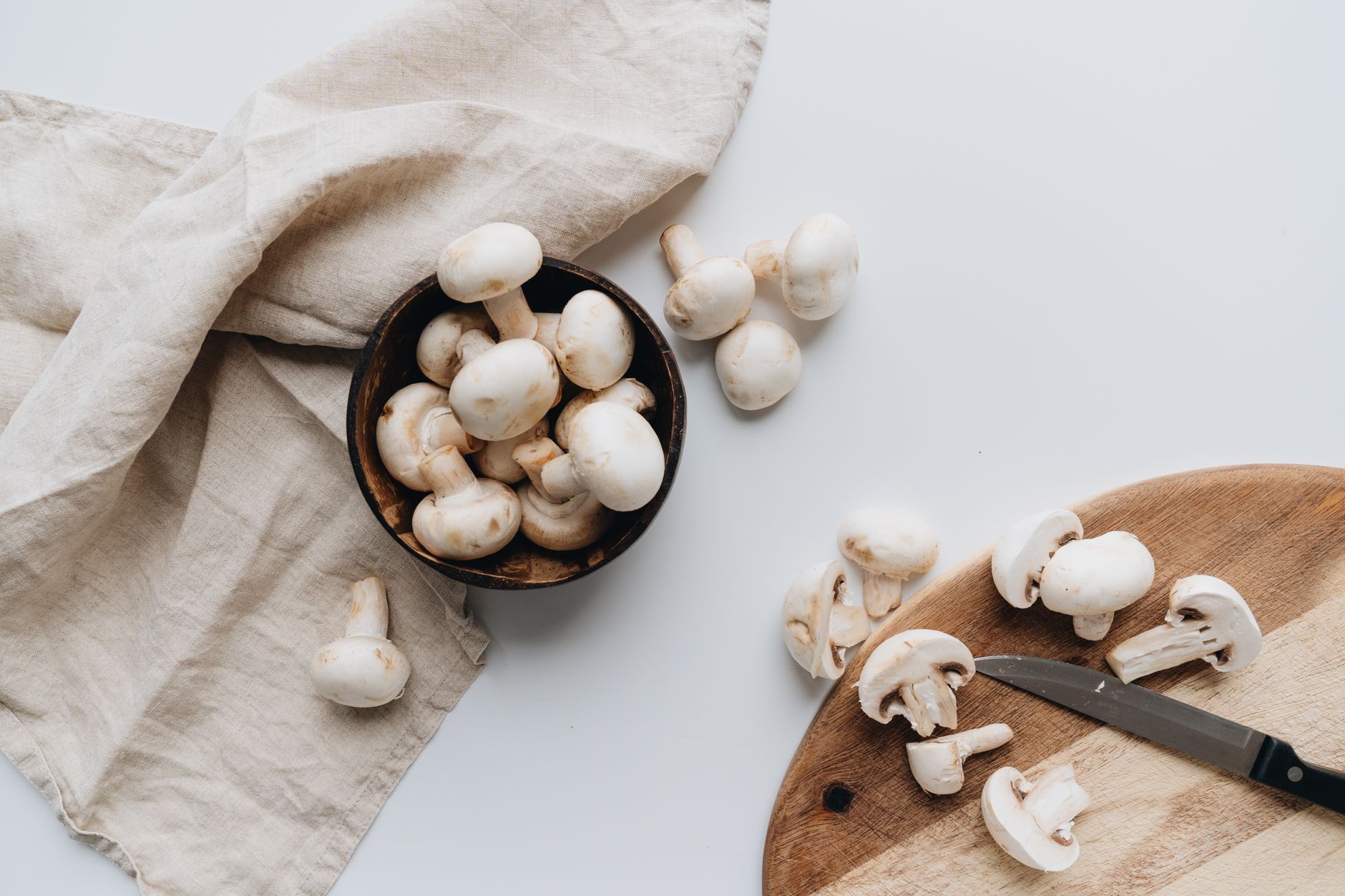

Fifteen to twenty-two calories barely register for 100 grams of fresh white buttons, yet that same portion supplies B vitamins, selenium, beta-glucans, and ergothioneine in unusually dense amounts. They remain the only natural, non-fortified plant food recognized by the USDA as a source of vitamin D, with content climbing sharply after UV exposure.
This practical walkthrough unpacks the nutrition behind common and exotic mushrooms, the benefits research actually supports, and how cooking choices can preserve or even boost their key compounds before covering who should be cautious.
The Nutritional Profile That Sets Mushrooms Apart
At roughly 15 to 22 kcal per 100 grams of fresh white button mushrooms, the calorie cost is almost negligible. Most of those calories come from protein and fiber rather than fat, which makes mushrooms one of the most nutrient-dense ingredients per gram in the produce aisle.
B Vitamins and the Mineral Edge
Mushrooms contribute meaningful amounts of riboflavin (B2), niacin (B3), and pantothenic acid (B5), often rivaling vegetables and some animal products per serving. White mushrooms deliver 9 to 12 mcg of selenium per 100 grams, meeting or exceeding the daily target for most adults. Add copper, potassium, and a small amount of dietary fiber, and the mineral side becomes hard to match at that calorie load.
The Plant-Based Vitamin D Exception
The USDA FoodData Central database recognizes just one natural, non-fortified plant food as a source of vitamin D, and that distinction goes to fungi in the genus Agaricus and its relatives. Wild mushrooms and UV-exposed cultivated ones convert ergosterol in their cell walls into vitamin D2, sometimes reaching 400 to 600 IU in a single 100-gram serving. Beta-glucans and ergothioneine, a sulfur-containing antioxidant the human body cannot produce, round out the profile in ways almost no other produce item does.
| Nutrient (per 100g, raw white button) | Amount | % of Daily Target (Adult) |
|---|---|---|
| Calories | 15–22 kcal | <2% |
| Selenium | 9–12 mcg | 16–22% |
| Riboflavin (B2) | 0.3–0.4 mg | 23–31% |
| Niacin (B3) | 3–4 mg | 19–25% |
| Pantothenic acid (B5) | 1.0–1.5 mg | 20–30% |
| Vitamin D (UV-exposed) | up to 400–600 IU | 67–100% |
| Copper | 0.3–0.5 mg | 33–55% |
Health Benefits Supported by Current Research
The strongest evidence points to immune modulation, antioxidant support, and modest cardiovascular improvements, with cognitive and gut-health findings still emerging.
Immune Modulation and Antioxidant Action
Beta-glucans activate macrophages and natural killer cells, a mechanism documented in both lab work and small human trials. Ergothioneine accumulates preferentially in tissues under oxidative stress, acting as a targeted antioxidant the body cannot manufacture on its own. Together, these two compounds separate mushrooms from most vegetables in ways that show up in the lab long before they show up in clinical claims.
Cardiovascular, Cognitive, and Gut Findings
Observational studies link regular mushroom intake with lower blood pressure and better lipid profiles, though causation remains unproven. Anti-inflammatory effects appear when extracts are added to controlled diets, but typical kitchen servings vary. Population data also suggests frequent mushroom consumers report better cognitive function, with researchers testing niacin and ergothioneine pathways rather than any psychedelic angle. Chitin and beta-glucan fibers feed beneficial gut bacteria, though the effect depends on cooking method and quantity.
The compounds identified above matter most when matched to specific species, and the everyday varieties outperform several pricier options on a per-serving basis.
Beta-glucans and ergothioneine are the two compounds that genuinely separate mushrooms from the rest of the produce aisle, and they do most of the heavy lifting in current benefit research.
Comparing Common and Exotic Varieties by Nutrition and Value
Variety matters less than marketers suggest for everyday B vitamins and selenium, but specialty mushrooms win decisively on beta-glucan and ergothioneine density.
Common Cultivated Types
White button, cremini, and portobello are all Agaricus bisporus at different maturity stages, with nutrient differences smaller than packaging implies. Shiitake (Lentinula edodes), oyster (Pleurotus ostreatus), and maitake often carry three to five times the beta-glucan and ergothioneine of white buttons. Rotating these three into weekly meals delivers a clear nutritional upgrade without changing the recipe much.
Exotic and Wild Options
Lion’s mane, reishi, and chaga offer unique bioactive profiles, but they arrive mostly as powders or extracts with wildly variable actual content. Wild-foraged species sometimes outperform cultivated ones on specific nutrients, yet identification errors and contamination risks outweigh the gain for nearly everyone outside experienced foragers. UV-exposed cultivated mushrooms, whether left in sunlight post-harvest or grown under UV lamps, remain the most reliable everyday source of vitamin D.
| Variety | Beta-Glucan Level | Best Use Case |
|---|---|---|
| White button / cremini / portobello | Baseline | Everyday B vitamins, selenium, budget value |
| Shiitake | 3–5x higher | Immune-supporting meals, dried for umami |
| Oyster | 3–5x higher | Quick sautés, tender texture |
| Maitake | 3–5x higher | Roasted whole, immune-focused dishes |
| Lion’s mane / reishi / chaga | Variable (extracts) | Targeted supplementation, specific compounds |
Cooking Methods That Preserve and Sometimes Boost Mushroom Nutrients
How you cook mushrooms changes their nutritional value more than most people realize, and a few techniques can actually increase specific compounds.
Dry-Heat Methods
Sautéing and roasting break down tough chitin cell walls, improving the bioavailability of beta-glucans that would otherwise pass through undigested. Microwaving retains the most B vitamins and selenium because no nutrients leach into water, though the texture often limits whole-dish use. Across dry-heat methods, expect minimal nutrient loss and, in some cases, a measurable jump in antioxidant activity.
Wet-Heat Methods and UV Exposure
Boiling causes 20 to 40% losses of potassium and B vitamins when the cooking liquid is poured out, making brothy or sauce-friendly applications the better choice. UV exposure before or after cooking dramatically raises vitamin D2 content, and that boost survives heat. Rehydrating dried mushrooms concentrates ergothioneine in the soaking liquid, which then carries that benefit into soups and pan sauces.
Heat and water reshape these nutritional gains, so the next step is weighing how preparation methods shift what actually reaches the plate.
Light cooking reduces agaritine levels by 80 to 90%, so a quick sauté addresses the most common raw-mushroom concern without destroying the nutrients you actually want.
Side Effects, Allergies, and Safety Considerations
Most mushroom risks are mild or easy to manage, but wild-mushroom misidentification remains the single serious danger on this list.
Digestive and Allergic Reactions
Chitin and fungal fiber can cause bloating, gas, or loose stools when intake jumps suddenly, with symptoms usually fading over one to two weeks as gut bacteria adapt. Allergic responses range from mild oral itching to, rarely, anaphylaxis, and people sensitive to molds or yeasts sometimes react to cooked mushrooms as well. Start at 30 to 50 grams cooked per serving and scale up gradually, giving the microbiome time to adjust.
Raw Mushrooms, Wild Foraging, and Drug Interactions
Agaritine in raw mushrooms drops to negligible levels through normal cooking, and current evidence does not flag toxicity at typical dietary intake, though very high raw consumption is still unwise. Wild-mushroom misidentification causes real liver failure and deaths every year, so unidentified specimens never go in the pan. Drug interactions are uncommon but documented, including potential effects on MAOI-class antidepressants and blood thinners at very large or concentrated intakes. A reasonable daily range for most adults lands between 50 and 150 grams of cooked mushrooms, enough to deliver meaningful nutrients without overloading purines.
| Risk | Realistic Likelihood | Smart Response |
|---|---|---|
| Digestive upset from chitin | Common when intake jumps | Start at 30–50g cooked, increase gradually |
| Allergic reaction | Uncommon, sometimes serious | Try a small portion first, skip with known mold sensitivity |
| Agaritine concern | Negligible after cooking | Cook normally, avoid high raw intake |
| Wild-mushroom toxicity | Severe when misidentified | Never eat unidentified specimens |
| Drug interactions (MAOIs, blood thinners) | Rare at dietary amounts | Talk with a doctor before very large intakes |
Smart Choices for Everyday Eating
Mushrooms reward simple habits more than exotic purchases, and a few targeted moves cover most of the nutritional upside.
- For vitamin D: Choose UV-exposed fresh mushrooms or set store-bought caps in direct sunlight for 15 to 30 minutes before cooking.
- For immune-supporting compounds: Rotate shiitake, oyster, and maitake into weekly meals rather than relying on white buttons alone.
- For nutrient retention: Sauté or roast instead of boiling, and pour rehydrating liquid from dried mushrooms into the finished dish.
- For budget value: Common cultivated varieties deliver most of the benefit at a fraction of specialty prices, making them the rational default.
- For new eaters: Start with 30 to 50 grams cooked per serving, then scale up as your gut adapts.
- For plant-based diets: Mushrooms fill the vitamin D, selenium, and umami gap that animal products usually cover in a balanced plate.
For most adults, 50 to 150 grams of cooked mushrooms per day, rotated across varieties and cooked dry, is a sensible target that supports intake without inviting the digestive or purine concerns that high raw consumption can trigger.
Bottom Line
Mushrooms earn a steady place in a balanced diet because they deliver selenium, B vitamins, beta-glucans, ergothioneine, and the only plant-based vitamin D in remarkably few calories. Cook them dry, rotate the varieties, and respect the daily range, and they pay back more nutrition per dollar than almost any other ingredient in the produce aisle.
FAQ
What are the nutritional benefits of eating mushrooms?
Mushrooms supply B vitamins, selenium, copper, potassium, beta-glucans, and ergothioneine at a very low calorie cost. UV-exposed mushrooms also provide vitamin D, making them the only natural plant-based food source of that nutrient.
Can eating mushrooms cause any side effects?
Yes. Sudden increases can cause gas or bloating from chitin fiber, and a small number of people experience allergic reactions ranging from oral itching to rare anaphylaxis. Cooking breaks down most agaritine, and digestive symptoms usually fade as gut bacteria adapt within a couple of weeks.
Which mushroom has the highest nutritional value?
Shiitake, oyster, and maitake lead on beta-glucan and ergothioneine, often at three to five times the level of white buttons. For vitamin D specifically, UV-exposed cultivated mushrooms or wild-grown chanterelles and morels deliver the largest amounts per serving.
How many calories and nutrients are in mushrooms?
Fresh white button mushrooms contain roughly 15 to 22 kcal per 100 grams, along with 9 to 12 mcg of selenium, 3 to 4 mg of niacin, and meaningful B2 and B5. UV-exposed varieties can add several hundred IU of vitamin D2 to that same serving.
Are mushrooms safe to eat every day?
For most adults, 50 to 150 grams of cooked mushrooms daily fits comfortably within safe intake, provided they are properly identified and cooked. People on MAOI antidepressants or blood thinners should talk with a doctor before consuming very large or concentrated amounts, since rare interactions have been reported.
Do mushrooms provide vitamin D?
Yes, but only when exposed to UV light. Wild mushrooms and UV-treated cultivated ones can supply a full day’s vitamin D requirement in a 100-gram serving, and you can boost store-bought caps by leaving them in direct sunlight for 15 to 30 minutes before cooking.