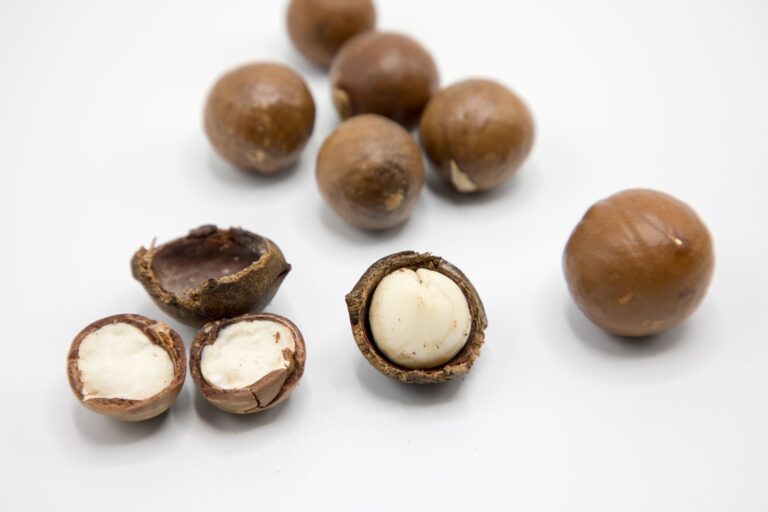

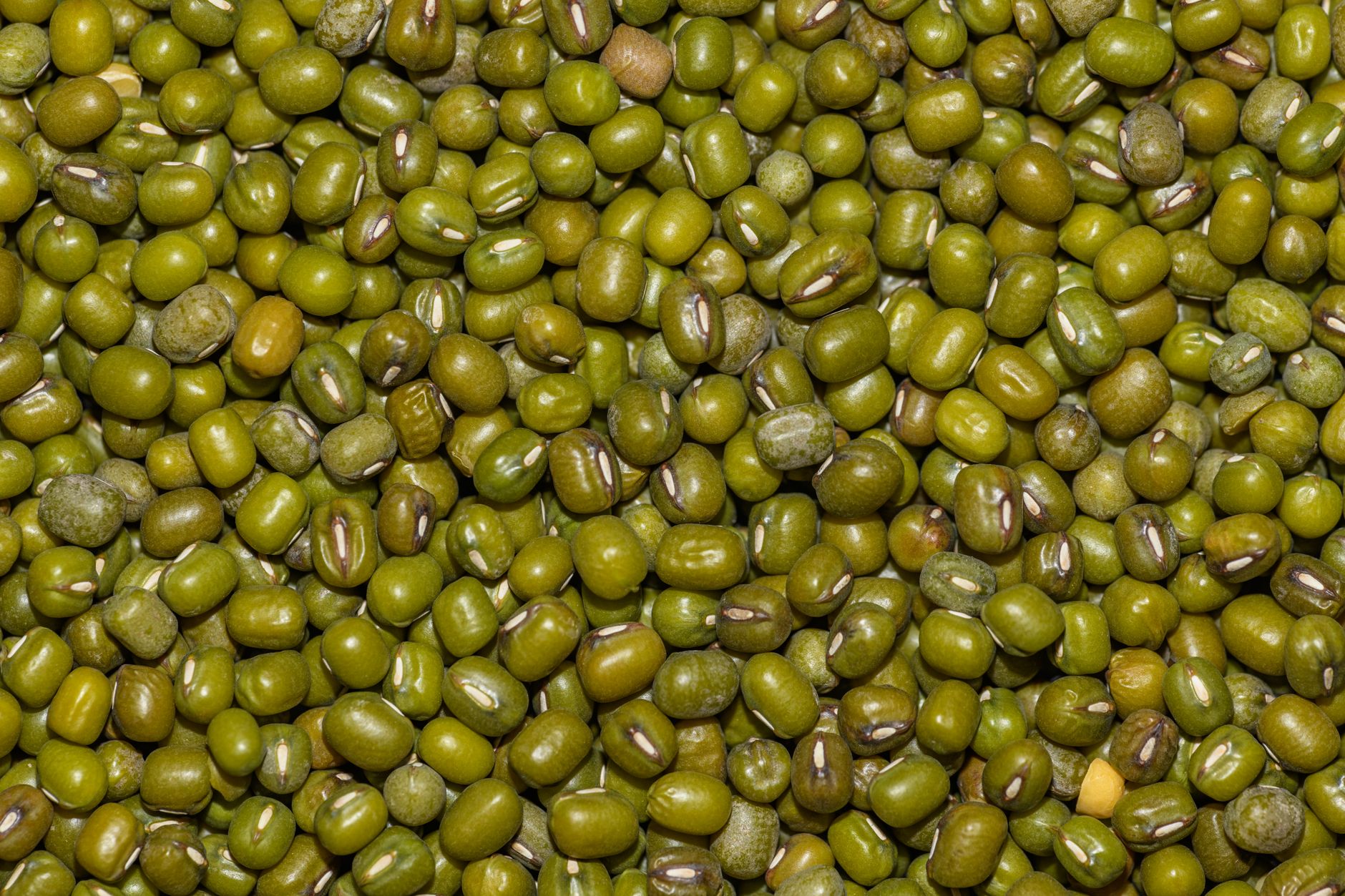

Moth beans nutrition centers on a drought-resistant pulse, the dried seeds of Vigna aconitifolia, that delivers roughly 22 grams of protein, 6 grams of fiber, and about 330 calories per 100 grams cooked, along with folate, iron, magnesium, and potassium. Known as matki across Maharashtra and Rajasthan, they sit in the same legume family as moong and urad but stay firmer in the pot and carry a low glycemic index, which suits blood-sugar-conscious plates.
This walkthrough explores what moth beans bring to South Asian kitchens, from their protein and fiber content to evidence-based benefits, possible antinutrient drawbacks, and the soaking and sprouting steps that make them easier on digestion.
Where Moth Beans Sit Among South Asian Legumes
Moth beans come from a small, sprawling plant first domesticated in the arid plains of the Indian subcontinent, and farmers in Rajasthan, Gujarat, and parts of Maharashtra still grow them as a kharif crop because the roots tolerate poor soil and dry stretches that would punish other pulses. The dried seeds look like tiny brownish-yellow pebbles with a faint ridge, and once cooked they hold their shape with a faintly nutty bite, which is why they turn up in stir-fries, curries, and one-pot rice dishes rather than smooth purées.
The name changes with the form. Whole dried seeds are called moth beans or matki. Once hulled and split, they become matki dal, a faster-cooking option with a softer mouthfeel. Sprouted moth beans, often sold fresh in South Asian markets or grown at home on a damp cloth, add crunch and a clean flavor that works cold in salads or lightly tempered with mustard seeds. Each form fills a different kitchen role, and the moth beans nutrition profile shifts with the preparation you choose.
How They Compare to Moong, Urad, and Black Gram
Three close relatives anchor most comparisons. Moong (whole green gram) cooks faster and tastes milder. Urad dal (split black gram) turns sticky when ground and carries more fat. Whole black gram holds its shape better in slow-cooked dals. Moth beans land between moong and urad on cooking time and texture, while usually edging both on fiber per cooked cup and on glycemic steadiness.
In the kitchen, that balance means moth beans work where you want a bean that stays distinct in a dish, the way black beans do in a burrito bowl. Reach for moong or urad when you want a dal that dissolves into creaminess instead.
Nutritional Profile of Moth Beans Per 100 Grams
About 22 grams of protein, 6 grams of dietary fiber, and roughly 330 calories land in every 100 grams of cooked moth beans, with most of that energy coming from complex carbohydrates. Fat stays low, generally under 1.5 grams per 100 grams cooked, which is typical for whole pulses. A single cooked cup of about 175 grams lands near 38 grams of protein and 11 grams of fiber, placing these beans squarely in the high-protein, high-fiber category that supports satiety and steady blood sugar.
Micronutrient density strengthens the case for regular rotation. A 100-gram cooked serving contributes meaningful amounts of folate, iron, magnesium, phosphorus, and potassium. Folate supports red blood cell formation, especially during pregnancy or recovery. Iron and B-vitamins feed energy metabolism, and magnesium and potassium help regulate blood pressure and muscle contraction. Sprouting pushes vitamin C up and shifts several B-vitamin levels, which is why traditional Indian cooking often starts with the sprouted form.
How They Stack Up Against Moong, Urad, and Black Beans
The table below compares the cooked nutritional profile of moth beans with three common comparators, all measured per 100 grams cooked.
| Legume (per 100 g cooked) | Protein | Fiber | Iron | Folate |
|---|---|---|---|---|
| Moth beans (matki) | ~22 g | ~6 g | ~3.5 mg | ~150 µg |
| Whole moong | ~21 g | ~7 g | ~2.7 mg | ~160 µg |
| Urad dal | ~21 g | ~5 g | ~3.0 mg | ~140 µg |
| Black beans | ~21 g | ~8 g | ~2.1 mg | ~150 µg |
USDA FoodData Central lists the macros and key micronutrients of comparable pulses in cooked form, which makes it a useful cross-check when you want to anchor specific numbers. The differences in the table are small, but they matter when you are trying to hit a specific fiber or iron target through food.
Evidence-Based Health Benefits Worth Noting
The benefits of moth beans track closely with what legume research says about pulses in general, plus a few details specific to this seed. The most consistently cited outcomes are weight management support, blood sugar regulation, heart and bone contributions, and antioxidant and iron density in the sprouted form.
Weight Management and Satiety
High-protein, high-fiber foods extend the feeling of fullness after a meal, and moth beans sit in that category with conviction. A cooked cup delivers around 38 grams of protein and 11 grams of fiber, which is a meaningful load for a single ingredient. Swapping refined grains for a pulse-forward base at one or two meals a day tends to lower the calorie total at the next snack, simply because hunger stays quieter for longer.
The fiber also slows gastric emptying, which is part of why moth bean salads and sprout-based dishes show up often in Indian diet traditions aimed at weight control. The benefit is gradual rather than dramatic, but it stacks up across weeks.
Blood Sugar Regulation
Slowly raising blood sugar after a meal is what pulses with a low glycemic index do best, making them a useful tool for people managing type 2 diabetes or insulin resistance. Moth beans fall in that low-GI range, similar to moong and most other whole dals. The combination of fiber and slowly digested starch blunts the post-meal glucose spike that refined carbohydrates cause.
Build a plate around blood sugar control by pairing cooked moth beans with a whole grain like brown rice or millets, adding a non-starchy vegetable, and including a small amount of fat from oil, ghee, or seeds. The full plate then moves even more slowly through digestion.
Heart, Bone, and Folate Contributions
Potassium and magnesium from moth beans support blood pressure regulation and muscle function, while the folate contribution matters for red blood cell synthesis and for anyone with higher folate needs. Regular inclusion of folate-rich pulses has been associated in observational studies with lower cardiovascular risk markers, though the effect is not unique to moth beans.
Phosphorus, working alongside magnesium, also supports bone maintenance. None of this turns moth beans into a medicine, but it is part of why regularly eating a variety of pulses is associated with better long-term cardiometabolic markers.
Antioxidant and Iron Density in Sprouts
Sprouting changes the nutritional profile in ways that matter for iron status and antioxidant intake. Vitamin C rises sharply during sprouting, and vitamin C improves the absorption of non-heme iron, the type found in plant foods. That makes sprouted moth beans a particularly useful food for anyone working to raise iron intake through plant sources, including vegetarians and vegans.
The sprouting process also reduces phytic acid, an antinutrient that binds minerals and limits their absorption. The net effect is more usable iron and more accessible micronutrients per bite.
For better iron absorption, pair sprouted moth beans with a source of vitamin C such as lemon juice, tomatoes, or raw bell pepper. Avoid tea or coffee within an hour of the meal, since tannins reduce iron uptake.
Side Effects, Antinutrients, and Who Should Limit Intake
Most people tolerate moth beans well when they are prepared properly, but a few recurring issues deserve honest mention. Digestive gas and bloating sit at the top of the list, followed by antinutrient load and a handful of medical situations where portion control matters.
Digestive Discomfort From Oligosaccharides
Legumes contain oligosaccharides, including raffinose and stachyose, that the small intestine cannot fully break down. They pass into the large intestine, where bacteria ferment them and produce gas. Sensitive individuals can experience noticeable bloating, cramping, or flatulence after a large serving. Soaking, sprouting, and rinsing away the cooking water all help reduce this load.
Starting with a smaller portion, perhaps a quarter cup of cooked beans, and scaling up over a few weeks gives the gut microbiome time to adapt. Most people find the symptoms drop sharply after the first two or three exposures.
Antinutrients: Phytic Acid and Lectins
Phytic acid binds minerals like iron, zinc, and calcium and can reduce their absorption. Lectins, another class of plant defense compounds, can interfere with nutrient uptake and cause gut irritation when beans are eaten raw or undercooked. Both are reduced by soaking for several hours, by sprouting, and especially by thorough cooking, particularly in a pressure cooker.
The levels of these compounds in properly prepared moth beans are not dangerous, and the mineral reductions are modest, but the reduction steps are worth following for anyone relying on plant-based iron or zinc as a primary source.
Who Should Watch Portion Size
Several groups should keep an eye on how much and how often they eat moth beans:
- Gout history: pulses add a moderate purine load, so people with gout may need to cap serving size and frequency.
- Chronic kidney disease: track potassium and phosphorus with your care team, since moth beans deliver meaningful amounts of both.
- Legume allergy: treat moth beans the same way you would treat any other pulse, and keep portions small on first exposure.
- IBS or sensitive gut: start at a quarter cup of cooked beans and build up over two to three weeks to let the microbiome adapt.
A reasonable upper range for most healthy adults is around one to one and a half cups of cooked moth beans per day, several days a week. Larger amounts are tolerated by many people, but there is little nutritional reason to push past that range, and digestive comfort usually drops if you do.
Soaking, Sprouting, and Cooking Moth Beans Properly
Good preparation is the difference between moth beans that sit heavy in the stomach and moth beans that feel like a clean, grounding protein. Three steps matter most: timed soaking, optional sprouting, and thorough cooking. Skip any one of them and you lose a meaningful fraction of the benefit.
Timed Soaking Protocol
Sort through the dried beans to remove any grit, stones, or shriveled seeds, then rinse well under running water. Cover with at least three times their volume of fresh water and let them soak for 6 to 8 hours, or overnight at room temperature. The beans should roughly double in size. Drain and rinse again before cooking.
For a faster soak, bring the beans and water to a boil, remove from heat, cover, and let them stand for 1 to 2 hours. The longer overnight soak is more effective at reducing phytic acid, but the quick version still shortens cooking time and improves digestibility.
Sprouting Method
After soaking overnight, drain the beans thoroughly and spread them in a thin layer in a colander, a sprouting jar, or a tray lined with a clean cloth. Cover loosely and rinse twice a day with fresh water. Within 24 to 36 hours at room temperature, small white tails about half an inch long will emerge. At that point the sprouts are ready to use raw in salads, lightly stir-fried, or cooked briefly in traditional recipes.
Sprouting cuts phytic acid further, raises vitamin C, and reduces cooking time for any later step. The trade-off is that sprouts spoil faster than dried beans and should be refrigerated and used within two to three days.
Cooking Methods and Traditional Preparations
For stovetop cooking, cover soaked beans with fresh water and simmer for 35 to 45 minutes, until tender. In a pressure cooker, 3 to 4 whistles on medium heat, about 12 to 15 minutes, will do the job faster and break down more of the remaining lectins. Add salt and any acidic ingredients like tomatoes near the end of cooking, since acid slows bean softening.
Three traditional dishes show how the different forms are used:
Once you know how to prepare them well, the practical question becomes where to find them and how to keep them fresh enough to use regularly.
- Matki usal: a Maharashtrian stir-fry of sprouted moth beans tempered with mustard seeds, curry leaves, chopped onion, and tomato, often eaten as a breakfast or snack with bread.
- Sprouted sundal: a South Indian temple-style dish where sprouted beans are briefly sautéed with mustard seeds, grated coconut, and green chili, served as a snack or light meal.
- Matki dal: a thinner dal made from split, hulled moth beans cooked with turmeric, garlic, and a tarka of cumin and asafoetida, typically served over rice or with flatbread.
Sourcing, Storing, and Fitting Moth Beans Into a Weekly Diet
Outside South Asia, the easiest source is any Indian or South Asian grocery, where whole dried matki and split matki dal are usually stocked. Health-focused bulk stores and online retailers also carry them, though pricing tends to run higher. Look for whole beans that are uniform in color, free of dust and broken pieces, and without any musty smell. Fresh dried beans should feel hard and dense; softness or chalkiness usually means the stock is old.
Storage matters because improperly stored pulses can develop mold and, in warm humid conditions, aflatoxin contamination. Keep dried beans in an airtight container in a cool, dry, dark place. For longer storage, the refrigerator or freezer extends shelf life to over a year. Discard any beans that smell off, look discolored, or show signs of moisture inside the container.
Meal Planning and Pairing for Complete Protein
Pulses run lower in methionine and higher in lysine, while grains show the opposite pattern, so combining them gives a more complete amino acid profile. Practical pairings include moth beans with brown rice, with whole wheat roti, or with millets like jowar or bajra, which are the traditional combinations in Maharashtra and Rajasthan. Adding a small amount of dairy, such as yogurt on the side, also rounds out the protein.
For a weekly rotation, aim for two to three pulse-based meals that vary the legume, moth beans one week, chana another, moong the next, which keeps the diet interesting and balances the antinutrient load across sources.
Troubleshooting Common Issues
Hard texture after cooking usually means the soak was too short, the beans were old, or salt was added too early. Always soak overnight, use beans within a year of purchase, and salt near the end of cooking. Bitter taste sometimes appears in beans that have been stored too long or in poorly ventilated containers, and the batch should be discarded.
Persistent digestive upset despite proper preparation may signal that the portion is too large for your current tolerance. Drop back to a quarter cup of cooked beans per meal, increase gradually over two to three weeks, and stay well hydrated. If symptoms continue or are severe, a registered dietitian can help you build a personalized pulse-forward plan that respects your gut.
Bottom Line
Moth beans earn their place in a healthy kitchen through a dense mix of protein, fiber, folate, iron, magnesium, and potassium, paired with a low glycemic load that supports steady blood sugar. Soaking, sprouting, and pressure-cooking them well turns a traditional South Asian ingredient into a versatile addition to modern weekly meals, especially when paired with whole grains and iron absorption helpers like vitamin C.
FAQ
Are moth beans good for weight loss?
Yes, when eaten in reasonable portions as part of a balanced diet. The high protein and fiber content of moth beans promotes fullness, which often leads to a lower overall calorie intake across the day. Combine them with vegetables and a whole grain for the most satisfying plate.
Do moth beans cause gas or bloating?
They can, especially when eaten in large amounts without preparation. Soaking for several hours, sprouting, and discarding the soak water all reduce the oligosaccharides that cause gas. Starting with a smaller portion and scaling up over a few weeks helps your gut adapt.
How much protein is in moth beans?
Roughly 22 grams of protein sit inside every 100 grams of cooked moth beans, working out to about 38 grams per cooked cup. That puts them alongside or above most other pulses, including moong and urad, on a protein-per-serving basis.
What is the difference between moth beans and matki dal?
They are the same plant. Moth beans refers to the whole dried seed, while matki dal is the split, hulled form that cooks faster and has a softer texture. Sprouted moth beans are whole seeds that have been germinated, and they are usually eaten fresh or lightly cooked.
Are moth beans safe for people with diabetes?
Generally yes, because of their low glycemic index and high fiber content. Both help moderate post-meal blood sugar spikes. Pairing them with a whole grain and a source of healthy fat slows digestion even further, which is useful for blood sugar control.
How do you cook moth beans quickly?
After an overnight soak, pressure-cook them for 12 to 15 minutes, or about 3 to 4 whistles, until tender. Without a pressure cooker, simmer soaked beans for 35 to 45 minutes. Add salt and any tomatoes only in the last 5 minutes, since acid slows the softening.