
Miracle fruit is a red berry from the West African shrub Synsepalum dulcificum, and its pulp contains a glycoprotein called miraculin that latches onto your sweet taste receptors. When acids from foods like lemons, limes, or vinegar touch your tongue, the bound miraculin shifts shape and fires those receptors, so sour foods taste sweet for 30 minutes to 2 hours with no added sugar or calories. The effect is temporary, reversible, and dose-dependent.
Below, we walk through how this West African berry rewires your taste buds, what nutrients it offers, and where the science holds up versus where it overpromises for curious eaters and diabetes-conscious cooks.
The West African Berry That Turns Sour Into Sweet
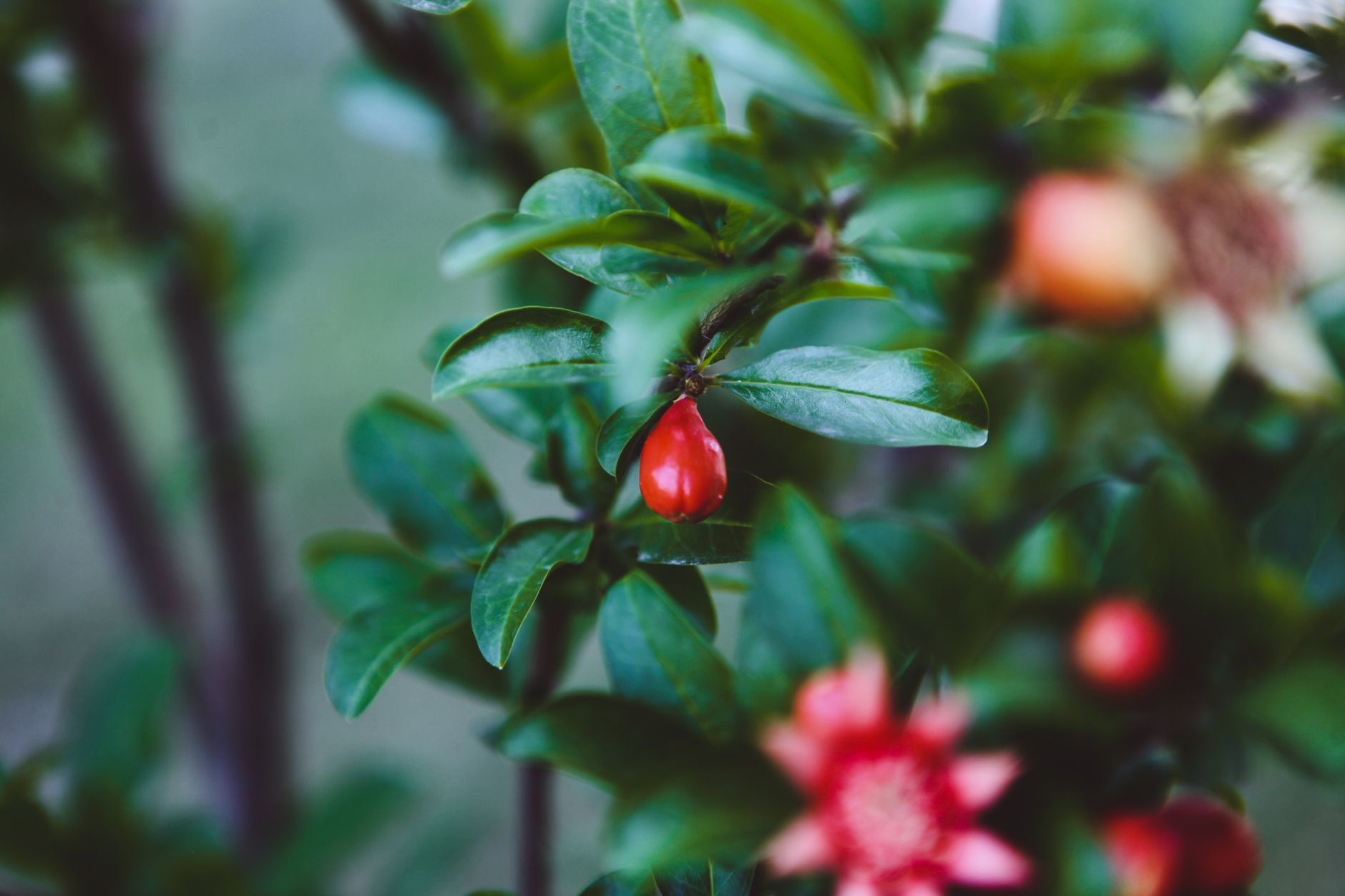
The shrub grows about the size of a coffee plant, with glossy leaves and clusters of bright red, oblong berries across Ghana, Nigeria, and parts of the Congo basin. Local communities have eaten the fruit for generations, often before meals as a palate sweetener, long before “flavor-tripping” parties in the 2000s brought the berry to Western audiences.
Each berry is mild on its own, slightly sweet, with a single large seed inside the red pulp. What made the plant famous is the glycoprotein in that pulp, called miraculin, and its ability to alter how your taste buds interpret acids. Traditional West African uses long predated the modern curiosity around the so-called miracle berry.
Why the Mechanism Is Unusual
Unlike sugar or artificial sweeteners, this berry adds no sweetness of its own to the foods you eat. It changes how your body perceives them, which separates it from sugar alcohols, artificial sweeteners like aspartame, and natural options like stevia. Those alternatives deliver a sweet signal directly. The African tropical fruit borrows your existing sweet receptors and tricks them into firing at the wrong moment, only when acids show up.
That context sets the stage for why timing, dose, and the specific acids you consume all shape your experience. The effect is dose-dependent, and it becomes tunable once you know the rules.
How Miraculin Hijacks Your Sweet Taste Receptors
Miraculin is a glycoprotein, a protein with sugar chains attached, and it clings to sweet receptor cells on the surface of your tongue. On its own, it barely activates those receptors. When acid such as citric acid from a lemon or tartaric acid from grapes washes over your tongue, the bound miraculin shifts shape and fires the sweet receptor as if real sugar had arrived.
That shift is why a slice of lime tastes like lemonade, and a shot of vinegar can taste like sweet candy. Your brain receives a genuine sweet signal with no added sugar, no carbohydrates, and essentially no calories attached.
Timing, Dose, and What Changes the Effect
Most people feel the shift within 2 to 5 minutes of letting the pulp dissolve on their tongue, and the effect runs about 30 minutes to 2 hours. The window depends on how much you ate, how ripe the fruit was, and your own taste receptor density. A larger dose, a fully ripe berry, or a tablet with concentrated pulp pushes you toward the longer end.
Food temperature also shapes the illusion. Very hot foods can sharpen the sweet effect in some people, while very cold or very fatty foods such as cream, cheese, and oily dressings can blunt it. Your saliva gradually washes the protein away, and your taste cells turn over every 10 to 14 days, so the effect cannot build up over time.
Since the effect is fleeting and self-limiting, you might wonder what, if anything, the fruit itself leaves behind nutritionally.
Tip: For a clean first test, try a plain slice of lemon or a spoonful of plain Greek yogurt with a squeeze of lime. Skip chocolate, coffee, and spicy foods until you know your personal response curve.
What Miracle Fruit Actually Provides in Nutrients
The berry is low in calories, with most of its modest nutritional value coming from vitamin C, vitamin A precursors, and a range of polyphenol antioxidants. You also get small amounts of dietary fiber and trace minerals such as potassium and magnesium. It is not a meaningful source of protein, fat, or carbohydrates for dietary purposes, so treat it as a flavor tool rather than a food group.
Antioxidant content is the most studied nutritional angle. The red pulp carries anthocyanins and other polyphenols that show up in lab assays, and freeze-dried tablets retain most of these compounds through processing. The volatile aromatic compounds that contribute subtle flavor nuances in the fresh fruit are the part processing tends to lose.
Comparing the Forms You Can Buy
| Form | Miraculin Strength | Shelf Life | Best For |
|---|---|---|---|
| Fresh whole berry | Highest (when fully ripe) | 2 to 4 days refrigerated | Maximum taste effect, rare outside West Africa |
| Freeze-dried tablet | Consistent, lab-measured dose | 6 to 12 months sealed | Reliable daily use, travel, clinical trials |
| Powder or pulp sachet | Varies by supplier | 3 to 6 months | Mixing into recipes, smoothies |
| Flavored “trip packs” | Lower, often diluted | 6 to 12 months | Gift sets, sampling different acids |
For most people reading this in the US, freeze-dried tablets (brands like mBerry, often sold as mystery fruit tablets) offer the best balance of potency, cost, and convenience. Powder and pulp products vary widely because the FDA does not require standardized miraculin content, so the dose per scoop can swing a lot between suppliers.
Where the Evidence Is Strong and Where the Hype Begins
Clinical interest in this berry has focused on two specific groups: people undergoing chemotherapy who experience taste distortion, and people with diabetes who want to cut added sugar. The research is real but small, and the gap between what studies have shown and what wellness blogs claim is significant.
Former New York State Health Commissioner Richard F. Daines championed the fruit for chemotherapy patients after seeing how taste loss destroyed appetite during treatment. Researcher Anthony Atala, working in regenerative medicine, helped push the topic into mainstream oncology conversations. Their advocacy led to small pilot studies where patients reported improved taste perception, better food intake, and modest weight stabilization during chemo cycles.
What the Studies Actually Showed
For chemotherapy-related taste distortion, the consistent finding is that miracle fruit can improve taste function and food enjoyment in a subset of patients. Sample sizes in published work have been small, often under 50 participants, and the studies have not all been randomized, so the evidence is promising but not definitive.
For diabetes, the picture is narrower. The fruit does not lower blood sugar on its own. It may reduce the amount of added sugar someone needs to make food palatable, which over time can help with overall carbohydrate load. Anyone managing diabetes should still track their blood glucose normally and follow the guidance of their treating clinician, because the fruit is a perception changer, not a glucose regulator.
Weight loss, cancer cure, and “detox” claims circulating on wellness sites are not supported by peer-reviewed research. The fruit has no documented effect on metabolism, fat oxidation, or toxin clearance. Treat any such claim as marketing, not science.
The science stops at taste, yet pills, diets, and detox protocols keep making broader claims worth scrutinizing.
Important: Miracle fruit changes taste. It does not treat, cure, or prevent any disease. People with diabetes, kidney disease, or active cancer treatment should talk with their healthcare team before adding it to their routine.
Side Effects, Safety, and Who Should Be Cautious
The FDA classifies whole miracle fruit as generally recognized as safe (GRAS) as a food, a status granted in 1974. That classification covers the fruit and its basic preparations, not the isolated glycoprotein as a commercial sweetener, which has never received separate FDA approval. The practical takeaway is that eating the fruit or freeze-dried tablets is treated like eating any other food, but concentrated extracts fall into a different regulatory gray zone.
Most people who try the berry experience nothing more than a curious taste shift. The side effects that do appear are usually tied to the foods you eat while the effect is active, rather than to the fruit itself.
Specific Groups Who Should Be Cautious
- Dialysis and kidney patients: The fruit contains naturally occurring lactic acid and meaningful potassium, and people on dialysis or with advanced kidney disease cannot clear these compounds efficiently.
- People with acid-sensitive teeth: Citrus and other sour foods during the effect window can cause temporary tooth sensitivity or enamel wear, so rinsing with water after tasting sessions helps.
- Anyone on taste-altering medications: Certain blood pressure drugs, chemotherapy agents, and some antibiotics already distort taste, and adding the fruit can compound the effect unpredictably.
- People with berry or tropical fruit allergies: Allergic reactions are rare but possible, especially in anyone sensitive to related plants in the Sapotaceae family.
- Pregnant or nursing individuals: No specific harm is documented, but the absence of safety data in these groups means a conversation with a healthcare provider is the right move.
None of these warnings suggest the fruit is dangerous for healthy adults in normal amounts. They reflect the difference between “generally safe as a food” and “appropriate for everyone in every medical situation.”
Practical Ways to Try Miracle Fruit Without Wasting Money
Fresh berries offer the strongest effect but spoil within days, and outside West Africa they are nearly impossible to source at retail. Most people in the US end up using freeze-dried tablets because they deliver a consistent dose, last for months in a cool dry place, and cost less per session than chasing fresh imports.
Powder and pulp products are the wild card of the category. Miraculin content varies because no regulator requires standardization, so a cheap tub and a premium jar can deliver very different experiences. If you want predictable results, tablets win. If you want to mix the fruit into recipes or smoothies, accept that you’ll need to experiment with your dose.
A First-Time Protocol That Actually Works
- Start with one tablet or about half a small fresh berry, and let it dissolve on your tongue rather than chewing it.
- Wait 5 to 10 minutes for the protein to bind to your taste receptors before tasting anything acidic.
- Begin with a mild acid like a slice of kiwi or a squeeze of lime in water, not straight lemon juice.
- Track your window by noting when the effect starts, when it peaks, and when it fades, so future sessions match your schedule.
- Have plain water nearby in case the effect feels overwhelming, since rinsing can shorten the window by washing miraculin off the tongue.
Build a small list of foods you enjoy during the effect and another of foods that underwhelm. Many first-timers are surprised that dark chocolate, coffee, and very fatty foods taste muted, while citrus, Greek yogurt, sauerkraut juice, and even pickles become the stars of the session. Knowing your personal hit list turns a novelty into a useful kitchen tool.
With a clear sense of what it does and doesn’t do, the real question becomes how to use it wisely.
Bottom Line
A documented West African berry does exactly what its reputation claims: the glycoprotein miraculin binds sweet receptors and turns acids into sugar-like flavors for roughly two hours. Its strongest evidence supports use in chemotherapy-related taste distortion, with secondary interest for people managing added sugar intake. Skip the weight loss and detox claims, and if you have kidney disease, take taste-altering medications, or are pregnant, talk with your clinician before trying it.
FAQ
What is miracle fruit and where does it grow?
it is the berry of Synsepalum dulcificum, a shrub native to West Africa, especially Ghana, Nigeria, and parts of the Congo basin. The plant grows in tropical lowland forests and is now cultivated in small commercial plots across the Caribbean, Southeast Asia, and Florida.
How does miracle fruit change the taste of sour foods?
The glycoprotein miraculin in the pulp binds to sweet taste receptors on your tongue. When acids touch those receptors, miraculin activates them and sends a sweet signal to your brain, even though no sugar is present. The effect lasts 30 minutes to 2 hours.
What does miracle fruit actually provide nutritionally?
The berry is low in calories and modest in vitamin C, vitamin A precursors, and polyphenol antioxidants. It also offers small amounts of dietary fiber and trace minerals like potassium and magnesium, but it is not a meaningful source of protein, fat, or carbohydrates.
Is miracle fruit safe for people with diabetes?
it does not lower blood sugar on its own, but it may help reduce added sugar use by making acidic foods taste sweet. People with diabetes should still monitor their glucose normally and follow the guidance of their treating clinician before adding it to their routine.
Are there side effects from eating miracle berries?
Most people experience no issues beyond the taste shift. Possible side effects include temporary tooth sensitivity from acidic foods eaten during the effect, and rare allergic reactions in people sensitive to berries or tropical fruits. Dialysis patients should avoid the fruit because of its potassium and natural lactic acid content.
Where can you buy miracle fruit in the US?
Fresh berries are rarely available outside specialty importers. Most US buyers use freeze-dried tablets or powder sold online, with tablet brands like mBerry offering the most consistent dose. Check storage dates and supplier reputation, since miraculin content is not standardized across products.