


Marula oil is a cold-pressed carrier oil drawn from the kernels of the Sclerocarya birrea tree, a fruit-bearing species native to southern and sub-Saharan Africa. Its composition leans heavily toward oleic acid, with smaller amounts of palmitic, stearic, and linoleic acids, plus natural tocopherols that slow spoilage. You will find it in high-end serums, body butters, hair oils, and traditional kitchens across Namibia, Botswana, and South Africa, where the fruit has fed communities for generations.
This page explains where the oil comes from, what sits inside the bottle, what the evidence says about skin and hair, and how to choose and use it without the usual trial and error.
Where Marula Oil Comes From and How It Is Made
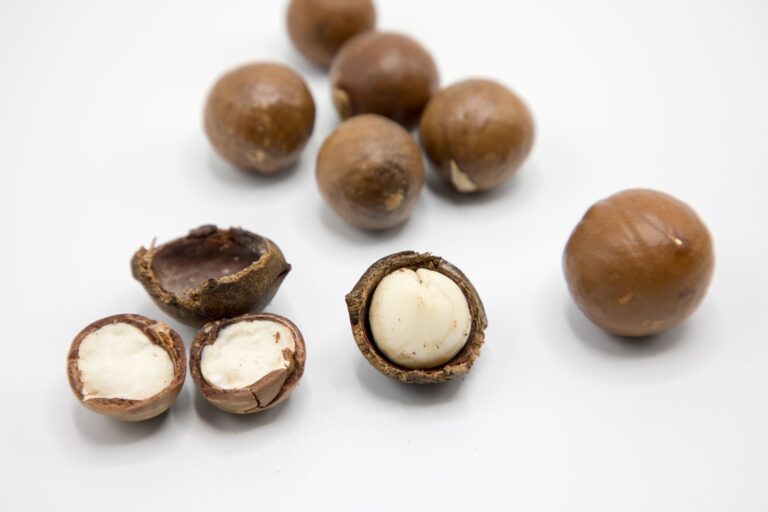
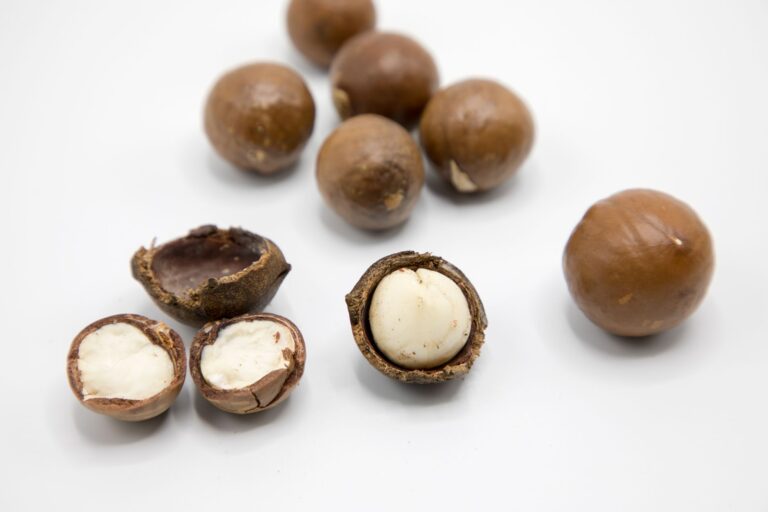
Harvest season in the lowveld runs from January through March, when pale yellow marula fruit drops from the canopy and the kernels inside are cracked open by hand. Rural cooperatives in Namibia, Botswana, and South Africa have gathered these kernels for centuries, pressing them for cooking oil, skin balms, and ceremonial use. The kernels themselves look like small almonds, and a single tree can produce several kilograms of fruit in a good year.
Modern production splits into two camps. Cold-pressing, the traditional approach, presses kernels at low temperatures without chemical solvents, preserving heat-sensitive tocopherols and flavonoids that give the oil its characteristic pale-gold color and mild nutty scent. Refining strips color, scent, and a meaningful share of those native nutrients in exchange for a longer shelf life and a neutral profile that formulators can blend into almost anything.
- Virgin or unrefined: mechanically pressed, lightly filtered, retains most native antioxidants and the natural scent.
- Refined: bleached and deodorized, neutral scent, longer shelf life, lower antioxidant content.
- Single-origin: sourced from one region or cooperative, often paired with fair-trade certification.
- Wild-harvested: kernels gathered from natural forests rather than plantations, supporting traditional livelihoods.
Reading the label matters more than the brand name. A bottle marked “cold-pressed” and “unrefined” carries the fatty acid and vitamin E profile that gives marula oil its reputation. A product labeled simply “it” with no processing notes may be a refined blend, and the difference shows up on your skin within a few applications.
Tip: Look for a dark glass bottle and a harvest or press date on the label. Air and light degrade the tocopherols that make cold-pressed oil worth the premium.
The Fatty Acid and Antioxidant Profile Behind the Hype
What separates this carrier oil from a dozen others on the shelf is its unusual ratio of fatty acids. Oleic acid, the same monounsaturated fat that makes olive oil heart-friendly, dominates at roughly 70–78% of the total lipid content. Palmitic acid contributes about 12–18%, stearic acid sits near 5–8%, and linoleic acid, an omega-6 essential fatty acid your skin cannot make on its own, rounds out the profile at 4–7%.
Why the Ratio Matters on Skin
High oleic content translates into oxidative stability, meaning the oil resists going rancid on the shelf and on your face. It also creates a light, fast-absorbing texture that sinks in without leaving the greasy film common to richer oils. Palmitic and stearic acids give the oil its emollient quality, filling in the gaps between skin cells to soften rough patches and support the lipid barrier that keeps moisture in and irritants out.
Antioxidant Content Beyond Vitamin E
Tocopherols, the vitamin E compounds found in many plant oils, appear at roughly 30–80 mg per 100 g in cold-pressed marula, with alpha-tocopherol as the dominant form. Tocotrienols, a less common but more potent subgroup, also show up in trace amounts. Add the flavonoids and phenolic compounds preserved by gentle pressing, and you get a lipid that neutralizes free radicals on contact, which matters because oxidative stress is one of the main drivers of visible skin aging.
| Component | Approximate Share | What It Does |
|---|---|---|
| Oleic acid (omega-9) | 70–78% | Fast absorption, oxidative stability, barrier support |
| Palmitic acid | 12–18% | Emollient feel, occlusive layer over skin |
| Stearic acid | 5–8% | Thickening, softening rough texture |
| Linoleic acid (omega-6) | 4–7% | Barrier repair, supports cell turnover |
| Tocopherols (vitamin E) | 30–80 mg/100 g | Antioxidant protection against free radicals |
Each fatty acid behaves differently once it hits your face. Oleic acid reinforces the lipid layer without suffocating pores. Linoleic acid, even at low percentages, supports ceramide production that keeps dry, flaky skin in check. The antioxidant layer does quiet work all day, mopping up UV-induced free radicals before they can break down collagen.
What Marula Oil Does for Skin and Hair
Emollient is the word formulators reach for, and it fits: the oil softens, smooths, and seals in moisture by filling the spaces between skin cells. On dry or mature skin, that translates into immediate plumping and a noticeable reduction in rough patches within a few days of consistent use. On hair, the same occlusive quality coats the cuticle, which is the source of most frizz and split-end drama.
Skin Benefits Worth Expecting
Moisturization is the headline result, backed by the high oleic and palmitic content reinforcing the skin’s natural lipid barrier. Anti-aging claims deserve nuance: the tocopherols and flavonoids may help defend against oxidative stress, but the oil does not erase wrinkles, increase collagen, or replace retinoids and sunscreen in any proven way. What it can do, in practical terms, is leave skin feeling more elastic and looking more even-toned after several weeks of twice-daily use, mostly because a well-hydrated surface reflects light more uniformly.
Hair Benefits That Hold Up
Smoother cuticles are the most reliable result. A few drops warmed between the palms and pressed onto damp ends before drying will cut frizz noticeably, and a pre-wash treatment of marula oil on dry lengths can reduce breakage from detangling. Heat-style protection is modest but real; the oil forms a thin barrier that slows moisture loss when you run a flat iron through your hair at moderate temperatures.
Where the Evidence Stops
Clinical trials on marula oil specifically remain limited, and most of the marketed claims ride on the broader antioxidant and fatty acid science. Set realistic expectations: the oil supports healthy skin function, softens hair, and feels pleasant to use. It does not grow new hair, erase scars, or serve as a substitute for targeted treatments your dermatologist may recommend for specific conditions.
Knowing what it can and cannot do makes it easier to match the right formulation to your skin type.
Choosing and Using Marula Oil by Skin Type
The right amount and timing depend entirely on what your skin already does. A dry face in January and an oily T-zone in July call for opposite approaches, and the oil is flexible enough to handle both when you adjust the dose.
Dry and Mature Skin
Layering works best here. Apply a humectant serum like hyaluronic acid to damp skin, then seal it with three to four drops of marula oil pressed in with the pads of your fingers. The oil locks the water-based hydration underneath while adding its own fatty acids to reinforce the barrier. Morning and night is fine, and a richer application before bed often pays off by morning.
Oily and Combination Skin
Less is more. Two drops, no more, warmed between the palms and pressed into damp skin at night keeps the barrier supported without overwhelming active sebum production. Skip daytime layering under sunscreen or foundation, where the extra slip can cause makeup to slide, and instead treat marula as your evening seal after actives like retinoids or exfoliating acids.
Acne-Prone Skin
Patch-test first, then proceed cautiously. High-oleic oils can be hit or miss on skin that breaks out easily, and individual responses vary widely. Prefer formulations that blend marula with non-comedogenic carriers like squalane or jojoba, and stop if you see new congestion within two weeks of consistent use.
Sensitive and Eczema-Prone Skin
Cold-pressed, fragrance-free versions with no added essential oils give the safest experience. The tocopherols and oleic acid can soothe compromised barriers, but any botanical additives raise the risk of irritation on already-reactive skin. Store the bottle away from heat and sunlight to keep the antioxidant activity stable.
Side Effects, Allergies, and Who Should Patch-Test First
Reactions are uncommon, but they are not impossible. The oil comes from a tree nut relative, which means anyone with documented tree nut allergies or a history of contact dermatitis should approach with caution. A reaction typically shows up as redness, itching, or small bumps within 24–48 hours of application.
The Comedogenicity Question
Scales circulating online frequently rate the oil between 0 and 1, a range that has cemented its reputation as a non-comedogenic option in skincare circles. That number is a flawed shorthand: real breakout risk depends on the full formulation, the percentage of marula in the product, the other ingredients, and your own skin’s behavior. A pure oil rated 0–1 can still trigger congestion in someone whose pores react to any occlusive layer, and a 5% dilution in a lightweight serum may stay clear on the same person.
Warning: Cosmetic-grade and food-grade it are not interchangeable. A topical product may contain fragrance, preservatives, or stabilizers that are not safe to ingest, and an edible oil has not been screened for cosmetic contaminants. Never eat a product meant for your face.
How to Patch-Test the Right Way
Dab a small amount on the inner forearm, cover with a bandage, and leave it for 48 hours without washing the area. Any redness, itching, or swelling during that window means the oil is not for you. Always read the full ingredient list for added essential oils or botanical extracts, which are a more common source of reactions than the marula itself.
How Marula Oil Compares to Argan, Jojoba, and Rosehip
The carrier oil shelf gets crowded fast, and each option pulls ahead in a different category. Picking the right one means matching the oil’s behavior to your actual goal, not chasing whichever has the loudest marketing.
| Oil | Dominant Fatty Acid | Texture & Finish | Best For |
|---|---|---|---|
| Marula | Oleic (~75%) | Light, fast-absorbing, semi-matte | Antioxidant defense, daily moisture, all skin types |
| Argan | Oleic (~45–55%) | Medium weight, rich finish | Very dry skin, hair conditioning, nighttime use |
| Jojoba | Wax ester, mimics sebum | Balancing, non-greasy | Acne-prone skin, sebum regulation, daily wear |
| Rosehip | Linoleic (~40–55%) | Dry, absorbs slowly, slightly pungent | Hyperpigmentation, targeted renewal, short-term treatments |
Versus argan oil, both share oleic dominance, but marula absorbs faster and leaves a lighter finish, while argan sits a bit richer on very dry skin. Versus jojoba, jojoba wins for acne-prone users because its wax-ester structure mimics human sebum almost exactly, while marula carries more antioxidant density. Versus rosehip, rosehip delivers higher linoleic acid and pro-retinoid compounds suited to fading dark spots, whereas marula focuses on barrier repair and general antioxidant support.
Pick marula for fast absorption and daily antioxidant defense, jojoba for sebum balance and acne-prone routines, argan for rich nighttime conditioning, and rosehip when hyperpigmentation is the main concern.
Picking the right oil is only half the equation; where and how it was harvested shapes what ends up in the bottle.
Sourcing, Sustainability, and Smart Buying Decisions
The supply chain behind a bottle of it tells you more about quality than the price tag alone. Wild-harvested kernels from women-led cooperatives in Namibia, Botswana, and South Africa typically yield a fresher, more nutrient-dense oil than plantation stock, and the money flows back to the communities that have managed these forests for generations.
What to Look for on the Label
- Region of origin: Namibia, Botswana, or South Africa suggests authentic wild harvest.
- Processing method: cold-pressed and unrefined preserve the most native nutrients.
- Harvest or press date: fresher oil has higher tocopherol activity.
- Certifications: fair-trade or cooperative-backed sourcing signals ethical supply chains.
Reading the Price Signal
Ultra-cheap it is often refined, blended with cheaper carrier oils, or pressed from older kernels that have lost much of their antioxidant punch. A realistic price for genuine cold-pressed, single-origin oil runs higher than generic drugstore options, and the difference shows up in scent, color, and performance. Storage matters just as much: keep the bottle in a cool, dark place and aim to finish it within six to twelve months of opening to preserve the activity that makes the oil worth the premium.
The smartest move is buying from brands that publish their harvest region, pressing method, and cooperative partnerships. Transparency at the label level usually tracks with quality at the bottle level.
Bottom Line
it earns its reputation through a specific combination: a high-oleic fatty acid profile, a meaningful dose of natural tocopherols, and a light texture that suits most skin types without clogging pores. It will not replace sunscreen, retinoids, or targeted treatments, but it will reinforce your skin’s barrier, soften hair, and add an antioxidant layer to your routine when you choose a cold-pressed, single-origin product and apply it in doses that match your skin type.
FAQ
Is marula oil good for your skin?
it is a well-tolerated emollient for most skin types, with a high oleic acid content that supports the lipid barrier and natural tocopherols that offer antioxidant protection. It works best as a moisturizer or occlusive layer over a hydrating serum, not as a replacement for proven anti-aging ingredients like sunscreen or retinoids.
What are the side effects of marula oil?
Side effects are uncommon but can include allergic reactions, especially in people with tree nut sensitivities, and breakouts in acne-prone users. A 48-hour patch test on the inner forearm helps identify any reaction before broader use, and stopping at the first sign of irritation prevents most issues.
Can marula oil be used for hair growth?
it does not stimulate new hair growth, but it can reduce breakage and split ends by smoothing the cuticle and sealing in moisture. Use a few drops on damp ends before drying or as a pre-wash treatment on dry lengths to see the most reliable improvement in texture and manageability.
What does marula oil contain?
Cold-pressed it is roughly 70–78% oleic acid, 12–18% palmitic acid, 5–8% stearic acid, and 4–7% linoleic acid, plus 30–80 mg of tocopherols per 100 g. The exact ratios shift based on region, harvest timing, and whether the oil is refined or left unrefined.
Is marula oil better than argan oil?
Neither oil is universally better. Marula absorbs faster and feels lighter, which suits oily or combination skin and daytime layering, while argan offers a richer finish that works well for very dry skin and deep nighttime conditioning. Choosing between them depends on your skin type and what finish you prefer.