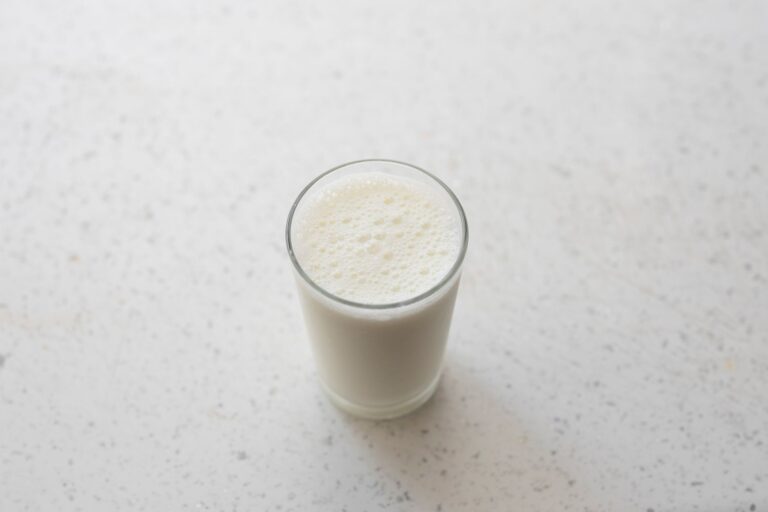
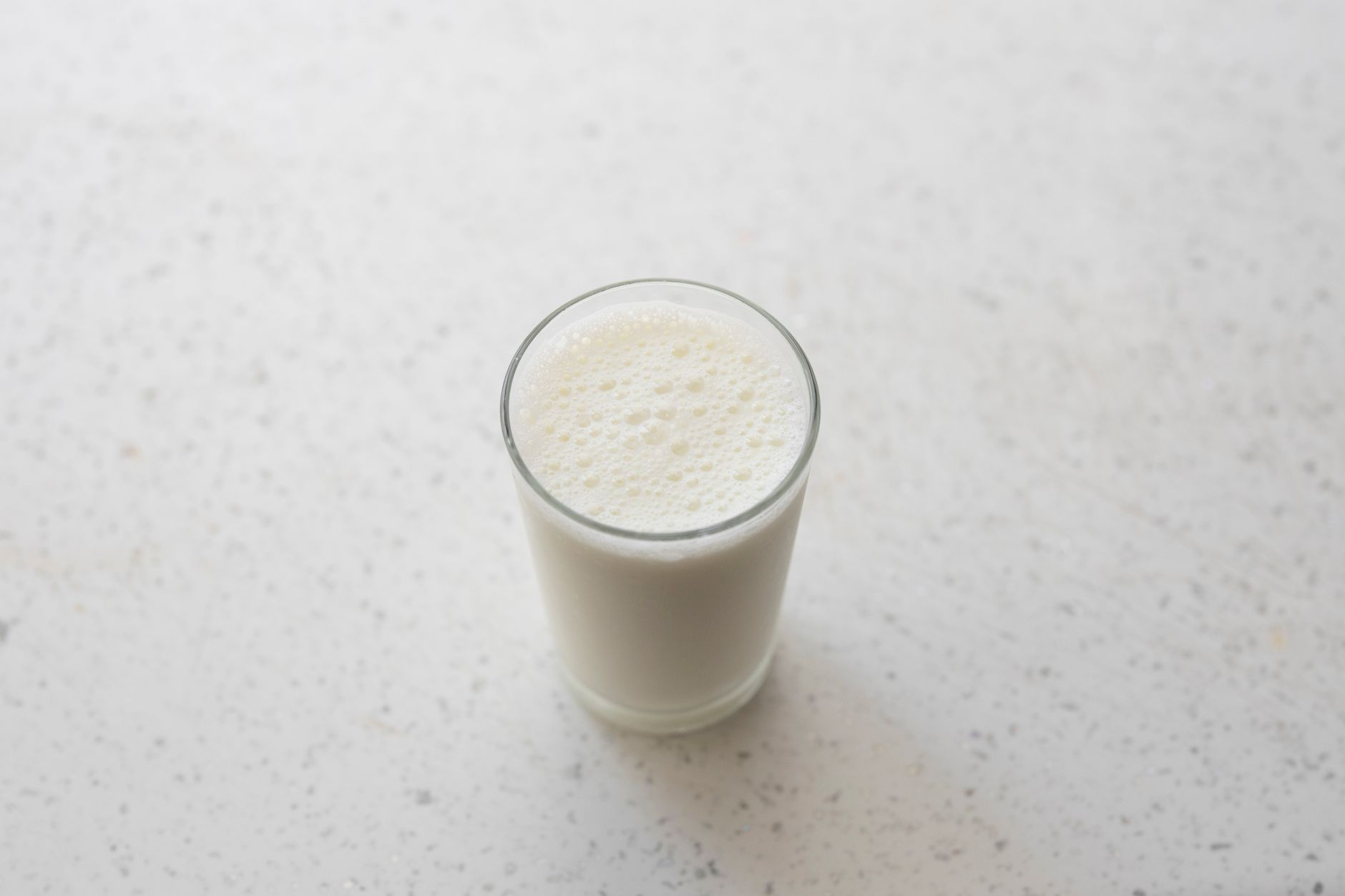

Female horses in Mongolia, Kazakhstan, Kyrgyzstan, and parts of Russia supply most of the milk used by pastoral nomadic herders, producing a pale, slightly sweet liquid that resembles skim cow’s milk in appearance. Slightly sweet, pale, and lower in fat than cow’s milk, it has been consumed for at least three to five thousand years, mainly as a fermented drink. Today, allergy-conscious consumers and fermentation enthusiasts in Western markets are rediscovering it for its unusual nutrient balance and its role in traditional Central Asian diets.
This guide covers what makes mare milk nutritionally distinctive, how it compares to cow and goat milk, where the evidence on benefits and risks actually stands, and who should think twice before trying it.
Mare Milk and Its Place in Human Food History
Horses were domesticated on the Eurasian steppe roughly 5,500 years ago, and milking them became practical almost immediately. Open grasslands with no grain-farming tradition made cattle dairying awkward, while mares could be milked alongside herding duties. The result was a regional dairy culture built on horse milk rather than cow milk, passed down through generations of nomadic families.
Fresh mare milk spoils quickly in warm weather, so nearly every traditional preparation ferments it. Kumis (or koumiss) dominates Turkic-speaking regions of Kazakhstan, Kyrgyzstan, and parts of Russia. Airag is the Mongolian name, often served at Naadam celebrations. Chigee appears among some Siberian groups who ferment the milk in birch bark or leather containers.
Understanding this history matters for a practical reason: almost every health claim, recipe, and clinical study centers on fermented forms, not raw milk. When researchers report benefits for gut health or skin conditions, the subjects are usually drinking kumis or airag, not sipping fresh mare milk straight from a pail.
Why fermentation changed everything
Lactose, the natural sugar in milk, becomes food for lactic acid bacteria during fermentation. Over 24 to 72 hours, those bacteria convert much of the lactose into lactic acid, which preserves the milk, gives it a tangy flavor, and produces the mild alcohol content (often 0.5 to 2.5 percent) that defines traditional kumis. The same process also generates B vitamins, bioactive peptides, and live probiotic cultures, three categories of compounds that researchers credit for many of the drink’s reported effects.
Those compounds are worth examining alongside a simpler question: what, at the level of basic composition, separates mare milk from the dairy most readers already know?
How Mare Milk Differs From Cow, Goat, and Human Milk
Compared with cow and goat milk, this equine option is lower in fat, higher in lactose, and closer in composition to human breast milk, with roughly 1.5 to 2 percent fat versus 3.5 percent in cow’s milk. That structural similarity is the single most important reason researchers keep studying it as a possible alternative for people who struggle with bovine dairy.
| Component | Mare milk | Cow milk | Goat milk | Human milk |
|---|---|---|---|---|
| Lactose | ~6.0% | ~4.7% | ~4.1% | ~6.9% |
| Total fat | 1–2% | ~3.5% | ~3.5% | ~4.0% |
| Casein-to-whey ratio | ~1:1 | ~80:20 | ~75:25 | ~40:60 |
| Vitamin C (mg/L) | ~130 | ~15 | ~20 | ~45 |
| Lysozyme activity | High | Low | Low | High |
The 1:1 casein-to-whey ratio is the headline number. Cow’s milk is dominated by casein, the protein that forms tough curds in the stomach. Mare milk, like human milk, leans toward whey, which digests faster and is often tolerated more easily. Combined with smaller fat globules and a lactose level close to breast milk, this profile is what makes it a frequent talking point in allergy and pediatric nutrition research.
Vitamin C and antimicrobial proteins
it delivers roughly 130 mg of vitamin C per liter, about eight times the concentration in cow’s milk. That density is credited with preventing scurvy among Central Asian nomads long before the nutrient had a name. Lysozyme, an enzyme that breaks down bacterial cell walls, runs roughly 100 times higher than in cow’s milk, with lactoferrin and immunoglobulins also elevated. These compounds are why laboratory studies consistently show antibacterial and anti-inflammatory activity in fresh and fermented samples.
That composition matters less in a chart than in a glass, so the practical nutritional case deserves a closer look.
The Nutritional Profile of Mare Milk in Practical Terms
A 250 mL glass of fresh it provides around 200 calories, with high-quality complete protein, modest calcium, and a meaningful dose of B vitamins. Because total fat sits between 1 and 2 percent, it sits closer to skim cow’s milk in calories, even though the lactose and protein content are higher.
What the vitamins and minerals actually add up to
Calcium lands around 600 to 800 mg per liter, comparable to cow’s milk. Phosphorus follows at roughly 500 mg per liter, magnesium around 90 mg, and iron in small but bioavailable amounts. Vitamin A precursors, vitamin E, and the full B-complex appear in varying concentrations, with B1, B2, B6, and B12 most relevant for energy metabolism. Fat-soluble vitamins (A, D, E, K) are lower than in ruminant milks simply because the fat content itself is lower.
Fresh, fermented, and pasteurized are three different products
Raw it offers the cleanest nutritional snapshot, but it spoils within hours without refrigeration. Pasteurized it holds its vitamin C and lysozyme content reasonably well and travels safely to Western markets. Fermented kumis or airag has reduced lactose, added probiotics, and elevated B vitamins, but loses some heat-sensitive vitamin C during fermentation. Treat the three as distinct foods, because the same glass of “it” can carry very different biological effects depending on how it was prepared.
Evidence-Based Health Benefits of Mare Milk and Kumis
Traditional medicine systems in Mongolia and Central Asia have long prescribed kumis for tuberculosis recovery, digestive complaints, and respiratory infections. Soviet-era sanatoriums in the 19th and 20th centuries built entire treatment protocols around it. Modern research has begun to test those observations under controlled conditions, though the evidence base is still small.
Small clinical studies in Germany and Russia have explored it as a complementary therapy for atopic dermatitis, with some participants showing measurable symptom improvement over 8 to 16 weeks. Sample sizes remain limited, and the work has not yet met the threshold for clinical recommendations.
The high lysozyme and lactoferrin content gives fermented it measurable antibacterial and anti-inflammatory activity in laboratory studies. Several preliminary human and animal studies suggest improved lipid profiles and antioxidant status after 4 to 8 weeks of regular consumption, but the trials are too small to support broad claims. Fermented kumis delivers live probiotic cultures, organic acids, and bioactive peptides that may benefit gut microbiome diversity, a promising but still emerging area of nutritional research.
Where the strongest signals appear
Two areas carry the most consistent (though still early) findings. The first is skin inflammation, where small trials in pediatric populations have reported reduced eczema severity scores. The second is gut health, where the probiotic profile of traditional kumis has measurable effects on microbial balance in short-term studies. Both areas need larger, longer trials before any medical claim becomes defensible, so treat the current evidence as promising rather than conclusive.
Promising findings rarely travel without caveats, and the safety picture for mare milk carries its own set of concerns.
Side Effects, Allergy Risks, and Who Should Avoid Mare Milk
Most adults tolerate fermented it without issues, but a few groups need to approach it carefully. The risks fall into three categories: lactose content, protein cross-reactivity, and the general food-safety concerns of unpasteurized dairy.
- Lactose intolerance: Fresh it has roughly 6 percent lactose, similar to or higher than cow’s milk. Fermented versions contain substantially less, so kumis often goes down easier, but it is not lactose-free.
- Protein cross-reactivity: it proteins differ structurally from cow’s milk, yet people with severe dairy allergies or confirmed equine allergies can still react. Treat the first exposure like any new allergen.
- Unpasteurized dairy risks: Raw it carries the same general risks as any raw milk, including potential contamination with brucella, listeria, or other pathogens common to livestock environments.
- Histamine reactions: Fermented products can trigger flushing, headaches, or mild allergic skin reactions in people sensitive to histamine-rich foods.
- Gastrointestinal adjustment: A first round of regular consumption sometimes causes temporary bloating, gas, or loose stools as the gut microbiome adapts.
Pregnant women, infants, young children, and immunocompromised individuals should stick to pasteurized versions and ideally talk with a healthcare provider before adding it to the diet. Both the Centers for Disease Control and Prevention and the World Health Organization recommend against raw milk for these groups, and that guidance applies regardless of animal source.
When to call a clinician
Stop consuming it and seek medical advice if you develop hives, swelling, wheezing, or persistent digestive symptoms after a serving. Severe reactions such as difficulty breathing or facial swelling require emergency care, because cross-reactive dairy allergies can escalate quickly in sensitive individuals.
Availability, Cost, and Traditional Preparation Methods
it is a niche product outside Central Asia because a single mare produces only about 2 to 3 liters per day, compared with 20 to 30 liters from a dairy cow. Limited supply keeps retail prices high, often $15 to $30 per liter in Western specialty shops, with freeze-dried powder and shelf-stable drinks sitting at the lower end of that range.
Sourcing in Western markets
In Central Asia and parts of Eastern Europe, fresh it is sold seasonally through local dairies and street vendors. In North America and Western Europe, importers typically work with pasteurized, freeze-dried, or fermented products. Look for transparent labeling, batch testing, and clear country-of-origin information. The FDA does not currently prohibit sale of raw it in every state, but retailers who voluntarily pasteurize offer a much safer product for first-time buyers.
Making kumis at home
Traditional kumis starts with fresh it, a starter culture (often a few tablespoons of previously fermented milk), and a wide-mouth vessel. The milk ferments at room temperature for 18 to 36 hours, with occasional stirring to incorporate oxygen, which helps the yeast develop. A small percentage of alcohol develops naturally, and the finished drink is mildly sour, faintly fizzy, and best consumed within a few days of refrigeration. Home preparation using cow’s milk as a base can mimic the texture but produces a different product nutritionally.
Practical first-time guidance
- Start small. A 60 to 100 mL serving on the first try gives your system a chance to adjust.
- Choose fermented first. Kumis or airag is easier to digest and safer than raw milk for newcomers.
- Source carefully. Buy from suppliers that publish safety testing and storage conditions.
- Refrigerate promptly. Both fresh and fermented products keep for only a few days below 4°C.
- Treat it as a complement, not a staple. A few servings a week sit well within most balanced diets.
FAQ
What is mare milk and how is it made?
it is the milk from female horses, usually domesticated mares kept by nomadic herders in Central Asia. Traditional production ferments the milk into kumis, airag, or chigee, drinks that have shaped regional diets for thousands of years.
Is mare milk safe to drink?
Pasteurized it and properly fermented kumis are safe for most healthy adults. Raw, unpasteurized milk carries the same pathogen risks as any raw dairy, so pregnant women, infants, and immunocompromised people should avoid it without medical guidance.
What are the health benefits of mare milk?
Research suggests potential benefits for skin inflammation, gut microbiome diversity, and antioxidant status, mostly linked to lysozyme, lactoferrin, and the probiotic content of fermented forms. Evidence is still preliminary, so claims about curing or treating disease are not supported.
Can babies drink mare milk?
Unmodified it is not a suitable infant formula. Its protein and fat profile differs too much from breast milk or commercial infant nutrition, and the European Food Safety Authority has noted safety concerns about raw equine milk for young children. Talk to a pediatrician before considering any non-standard milk for an infant.
How does mare milk compare to cow’s milk?
it has more lactose, less fat, a casein-to-whey ratio closer to human milk, and far more vitamin C than cow’s milk. It is often easier to digest for people who tolerate whey-based proteins, but it is not a guaranteed solution for everyone with cow’s milk sensitivity.
Does mare milk help with lactose intolerance?
Fresh, unfermented milk contains about the same amount of lactose as cow’s milk, so it can still trigger symptoms in sensitive individuals. Fermented kumis has much less lactose, so some lactose-intolerant adults tolerate it better, though the response varies by individual.