

Picking a daily vitamin for a small child feels heavier than it should. You’re trying to fill dietary gaps without overdoing sugar, dye, or a list of allergens your pediatrician just flagged. The goal is simple: one product that covers the basics, gets eaten without a fight, and matches the way your family already eats.
This roundup covers gummies, chewables, and liquid drops across nine options. Some prioritize broad nutrient coverage, others focus on a single nutrient like vitamin C or iron, and a few lean on organic or allergen-friendly formulations. You’ll find picks suited to toddlers who can chew, infants who need a dropper, and picky eaters who only accept fruit-flavored gummies.
The Shortlist At A Glance

Amazon Basics Kids’ Multivitamin Gummies, 190 Count
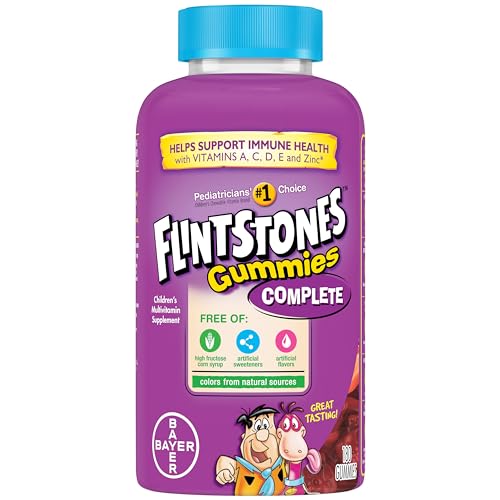
Flintstones Vitamins Complete Gummies, 180 Count

Culturelle Kids Multivitamin + Probiotic Chewable, Ages 3+

MARYRUTH’S Organic Toddler Vitamin C Drops, Ages 1-3

Centrum Kids Multivitamin Gummies, Tropical Punch, 150 Count
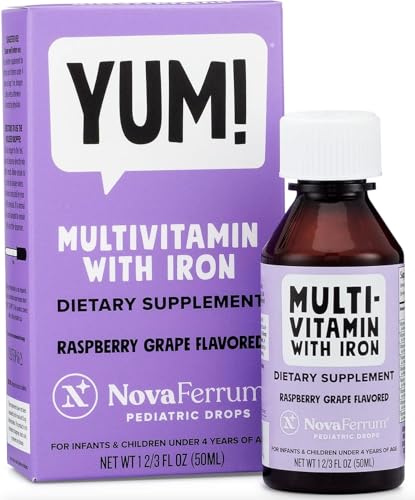
NovaFerrum Yum Multivitamin with Iron, Ages 4 & Under
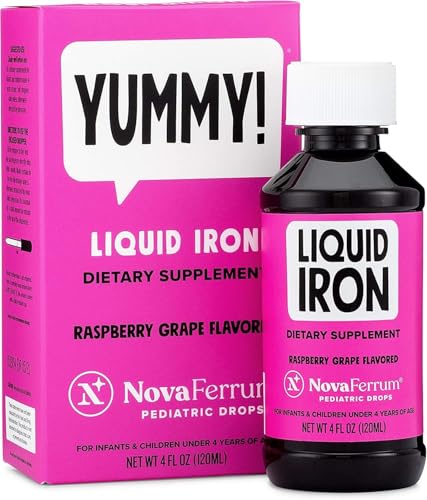
NovaFerrum Yummy Liquid Iron Drops, Ages 4 & Under

NovaFerrum MMM Liquid Multivitamin, Ages 4 & Under

First Day Kids Multivitamin Gummies with Organic Fruit & Veggie Blend, 60 ct
The Details Behind The Selections
A straightforward gummy option aimed at households who just want a daily vitamin that goes down easily. The 190-count bottle spans roughly three months at the labeled serving, which fits the rhythm of most families without constant restocking.
You get cherry, strawberry, and orange flavors blended into a soft pectin-based chew. Pectin is a plant-derived thickener, which matters if your family avoids gelatin. Compared with Flintstones Complete Gummies covered later, this one skips gelatin but offers fewer named nutrients on the label.
The Case For It
- Pectin base makes it friendly for vegetarian households who avoid gelatin.
- Three kid-favored flavors keep picky eaters from rejecting the bottle outright.
- Large 190-count supply reduces the need to reorder every few weeks.
- Free from wheat, dairy, soy, and egg, which covers most of the common child allergens.
Things To Consider
- Owners commonly report clumping when the bottle sits in a humid bathroom or near the stove.
- The nutrient profile is less detailed than the Flintstones label, so you may need a separate vitamin D or iron drop.
Who It Suits Best
Families who want a no-fuss gummy for a child who chews well and eats a reasonably varied diet already.
Where Another Pick Suits Better
Households chasing a fuller nutrient lineup should look at Flintstones Vitamins Complete Gummies instead, which lists more named vitamins and minerals on the label.
The most recognizable kids’ multivitamin name on the shelf, with a nutrient list that reads more like an adult formula. Raspberry, cherry, and orange flavors land well with most children who already eat fruit snacks.
For a child who eats a limited range of foods, the broad coverage of vitamins A, B6, B12, C, D, E, plus folic acid, iodine, zinc, and biotin helps fill more dietary gaps than a basic gummy. The age split is a small detail worth noting: ages 2 and 3 chew one daily, while ages 4 and up chew two.
Standout Benefits
- Wide nutrient spread covers most of the alphabet that matters for a toddler’s diet.
- Three familiar fruit flavors keep the daily routine friction low.
- Chewable format suits kids who struggle with capsules or liquids.
- Pediatrician familiarity makes it easier to discuss during checkups.
Honest Caveats
- Two-gummy serving for kids 4+ means the 180-count bottle runs out faster than its size suggests.
- Owners commonly report stained teeth when kids skip brushing after the chew, so timing around the bedtime brush matters.
Made For
Pickier eaters whose parents want one gummy to cover as many nutritional bases as possible without stacking multiple bottles.
Look Elsewhere When
Avoid this if your child needs iron supplementation, since NovaFerrum Yum covers that angle in one liquid dropper instead.
A chewable that doubles as a digestive aid, built around Lactobacillus rhamnosus GG, one of the more studied probiotic strains in pediatric nutrition. The fruit punch flavor leans sweet, which helps when handing a tablet to a hesitant kid.
Eleven vitamins and minerals sit alongside the probiotic, covering the A-and-E antioxidant pair plus zinc. Unlike the Flintstones gummy above, this is a true chewable tablet rather than a soft gummy, so the mouthfeel differs.
Positive Takeaways
- Built-in probiotic supports the gut, which often pairs with immune function in family wellness routines.
- One tablet per day keeps the routine simple, taken with or without food.
- The fruit punch flavor masks the chalkiness that pure chewables often have.
Small Caveats
- Only 50 tablets per bottle means monthly repurchasing for daily users.
- Ages 3 and up, so it’s not an option for the youngest toddlers who still need a dropper.
- Tablet format may be tough for kids who expect a soft gummy chew.
Best Suited To
Parents who want a daily chewable that addresses both nutrition and occasional tummy upset in one tablet.
A Better Fit Elsewhere
Reach for MARYRUTH’S Organic Toddler Vitamin C Drops if your child is younger than 3 and needs a liquid format.
A liquid vitamin C option designed for the youngest toddlers who can’t chew a gummy. The dropper format suits parents who mix supplements into a morning bottle, sippy cup, or spoonful of applesauce.
At 15 mg per serving, the dose is calibrated for ages 1 to 3, which is when many pediatricians focus on immune-support nutrients. The vegan, sugar-free, and gluten-free formula is appealing for families managing multiple dietary restrictions.
Everyday Wins
- Dropper format removes the choking concern that comes with whole gummies.
- Sugar-free formulation suits households avoiding added sweeteners.
- Liquid delivery allows easy mixing into drinks or soft foods.
- Organic label appeals to clean-label shoppers.
Points To Note
- Only delivers vitamin C, so it works best alongside a broader diet or another supplement.
- Droppers tend to leak when stored on their side in a diaper bag.
Who Should Grab It
Parents of 1- to 3-year-olds who want a targeted immune-support nutrient in a format the youngest kids can tolerate.
Skip It When
Families who want broader nutrient coverage should consider NovaFerrum MMM, which includes vitamins C, D3, and E in a similar dropper format.
A bulk-buy format from a long-standing adult vitamin brand, repackaged for kids in tropical punch flavor. The 12-bottle count suits families who want to stock up and avoid the monthly reorder cycle.
Eleven essential nutrients including C and E for immune support and the B-complex for daily energy. The flavor is a single tropical fruit note, unlike the rotating flavors in the Amazon Basics and Flintstones bottles reviewed earlier.
Positive Points
- Bulk packaging suits large families or shared daycare settings.
- Single-flavor profile simplifies things for kids who reject mixed-fruit gummies.
- Includes the B-vitamin group for daily energy support.
Trade Offs
- Bulk packaging requires significant storage space, which may not work in smaller kitchens.
- Tropical punch is the only flavor, so a child who dislikes it has no alternative within the bottle.
- Twelve bottles is overkill for single-child households.
Key Specs
Perfect Match For
Large families, daycare providers, or parents who want to set up a year’s worth of vitamins at once.
Not Your Match When
Single-child households should look at Flintstones Vitamins Complete Gummies instead, which offers a smaller bottle size for less commitment.
A liquid multivitamin that includes iron, designed for infants through age 4. The raspberry-grape flavor comes from natural fruit extracts rather than synthetic dyes.
This sits in an interesting middle ground compared with the gummy options above: it’s a liquid for the youngest kids, but unlike the MARYRUTH’S Vitamin C Drops covered earlier, it offers a broader nutrient spread including iron. Iron matters for toddlers who drink a lot of cow’s milk or eat limited meat, since excess milk can interfere with iron absorption.
Where It Excels
- Built-in iron supports a nutrient often missing from picky-eater diets.
- Liquid form suits infants who can’t chew a gummy yet.
- Gluten-free and sugar-free formulation covers common dietary restrictions.
- Raspberry-grape flavor masks the metallic taste iron drops often have.
Potential Drawbacks
- Owners commonly report staining on clothes and surfaces if the dropper drips during administration.
- Iron supplementation isn’t necessary for every child, so this may overshoot needs for kids with iron-rich diets.
- Smaller 1.67 fl oz bottle means more frequent repurchasing than gummy formats.
Right Fit For
Parents whose pediatrician has flagged low iron or limited meat intake in a child under 4.
Swap It Out When
Pick NovaFerrum MMM instead if you want the same liquid format without the added iron, or if your child already gets plenty of dietary iron.
A single-nutrient iron drop built around a clinical trial reported in JAMA. The 15 mg of iron per 1 mL dose is therapeutic territory, so this is closer to a targeted supplement than a daily multivitamin.
Unlike NovaFerrum Yum covered above, this one focuses exclusively on iron without the added multivitamin lineup. It’s the right call when bloodwork shows a real iron shortfall rather than a dietary insurance gap.
Useful Touches
- Raspberry flavor makes the higher iron dose easier for children to accept.
- Gluten-free and sugar-free formulation suits restricted diets.
- Larger 4 fl oz size lasts longer than the 1.67 fl oz Yum bottle.
Worth Bearing In Mind
- High-dose iron requires pediatric guidance, since excess iron can be harmful for small children.
- Owners commonly report teeth staining with prolonged use, so brushing right after dosing helps.
- No accompanying vitamins means pairing with a separate multivitamin for full coverage.
Feature Snapshot
Built With In Mind
Families managing a pediatrician-diagnosed iron deficiency in a child under 4.
Another Choice May Suit
For broader nutrition with a milder iron touch, NovaFerrum Yum delivers iron alongside other vitamins in one dropper.
A liquid multivitamin aimed at the cleanest possible label, with vitamins C, D3, and E as the headline trio. The orange flavor covers the natural-fruit-extract category without synthetic colors.
Compared with NovaFerrum Yum covered above, this one skips iron in favor of a broader vitamin lineup. For children under 4 whose pediatrician hasn’t flagged iron concerns, that tradeoff works in the MMM’s favor.
Strong Points
- Sugar-free formula suits families avoiding added sweeteners.
- Gluten-free certification covers common allergy households.
- Orange flavor is mild enough to mix into juice or formula without rejection.
- Liquid form fits infants who can’t yet chew a gummy.
Some Limits To Know
- 2 fl oz bottle runs out faster than larger liquid formats.
- Limited to a few key vitamins, so it may need to be paired with a separate iron or B-complex source.
Quick Facts
Whose Shelf It Belongs On
Parents of infants and toddlers under 4 who want a clean-label liquid without iron in the mix.
Reach For A Different Pick When
Households who need iron alongside the multivitamin should pick NovaFerrum Yum for a one-dropper solution.
A gummy built around an organic fruit and vegetable blend, designed for households who prioritize clean sourcing. The 60-count bottle spans 30 days for kids and 60 days for toddlers at the smaller serving.
The formulation targets gaps that picky eaters leave on the plate, which fits a child whose vegetable intake comes mostly from sweet potatoes and apple slices. Compared with the Amazon Basics gummy covered first, this one leans into the organic-blend angle with a shorter supply per bottle.
Real Benefits
- Organic fruit and veggie base appeals to clean-label shoppers.
- Available in kid, teen, and toddler servings for growing siblings.
- Gummy format suits children who reject liquid droppers.
Things That May Matter
- Smaller bottle size means more frequent repurchasing than the 190-count Amazon Basics option.
- Organic sourcing typically costs more per gummy than conventional alternatives.
- Owners commonly note a stronger vegetable aftertaste than typical fruit-only gummies.
At A Glance
Who Will Love This
Clean-label families willing to pay a premium for organic sourcing and shorter, simpler ingredient lists.
Where A Sibling Pick Shines
Budget-conscious households will find Amazon Basics Kids’ Multivitamin Gummies deliver similar gummy convenience at a friendlier cost per serving.
What To Weigh Before Choosing A Toddler Multivitamin
Form Follows Age
The youngest toddlers, around 1 to 3 years, generally do best with liquid drops since chewing a gummy is a real choking concern at that stage. Kids 3 and up can usually handle chewable tablets, and gummy chews work for ages 2 to 3 with supervision. Choose the format your child can actually swallow safely, not the one with the prettiest label.
Watch For Allergen And Diet Fit
Gluten, dairy, soy, egg, and artificial colors show up in plenty of kids’ vitamins. If your household manages any of these, look for an explicit free-from statement on the label. Pectin-based gummies replace gelatin for vegetarian families, and sugar-free liquids suit households avoiding added sweeteners.
Single-Nutrient Versus Broad Coverage
Some products, like MARYRUTH’S Vitamin C Drops or NovaFerrum Yummy Liquid Iron, target a single nutrient. Others, like Flintstones Complete or Culturelle Kids, deliver broad A-through-Zinc coverage. Pediatrician input usually clarifies which approach your child actually needs based on diet and any bloodwork.
Iron Is A Separate Decision
Most gummy multivitamins skip iron because iron tastes metallic and reacts with other nutrients. If iron is on the list, expect to add a separate dropper, and check with your pediatrician about dosage, since excess iron can upset small stomachs.
Key Considerations Across These Picks
Common Shopping Slip Ups
Treating “complete” on the label as a substitute for a varied diet leads to disappointment over time. Vitamins fill gaps, they don’t replace meals, so keep expectations grounded. Skipping the allergen panel because the front of the bottle looks clean is another trap, since flavoring and coloring can hide dairy or soy derivatives. Finally, parents sometimes assume gummy vitamins double as a treat, but most brands limit daily servings for a reason.
What The Higher Tier Buys
Premium picks like First Day Kids and Culturelle Kids add features a basic gummy skips: organic sourcing, studied probiotic strains, or stricter allergen control. The upgrade pays off when your child has confirmed dietary gaps, sensitive digestion, or a pediatrician who has flagged specific deficiencies. For a child who already eats a varied diet, the basic tier delivers comparable value at a lower cost per serving.
Frequently Asked Questions
What age is appropriate to start a multivitamin for toddlers?
Most pediatricians suggest waiting until around age 1, when solids are well established and a child is past the highest choking risk window. Always check with your child’s doctor before starting any supplement, since iron and certain fat-soluble vitamins accumulate differently in small bodies.
Are gummy vitamins as effective as chewable tablets?
Both formats can deliver similar nutrient profiles, though gummies tend to use more sugar or alternative sweeteners to mask flavors. Chewable tablets often pack more nutrients per piece, so a smaller dose can cover the same daily value.
Can my toddler take a multivitamin with milk?
Calcium in milk can interfere with iron absorption, so dosing iron-containing vitamins separately from a milk-heavy meal helps. Water-soluble vitamins like C and the B-complex absorb well either way.
How long does one bottle typically last?
A 60-count bottle lasts about a month for daily use, while larger 150 to 190 count bottles cover two to three months. Liquid drops vary by dose, so check the mL-per-serving math rather than guessing by bottle size.
Should I rotate between different brands?
There’s no clinical reason to rotate brands if your current choice works. Switching helps only when a child rejects a flavor or develops a new dietary restriction that the current product no longer meets.
Final Verdict
The right pick depends on what your toddler actually needs and how they take medicine. Broad gummies like Flintstones Complete work for most households, while iron-conscious families get more from NovaFerrum’s liquid line. Match the format to your child’s age and chewing ability first, then narrow down by allergens and specific nutrients.