

Toe pain has a way of coloring every step. The right insole can take pressure off the front of the foot, steady the big toe, or cushion the forefoot through long days on hard floors. I’ve put together this roundup for anyone dealing with bunions, turf toe, Morton’s toe, or a child who tiptoes. Each pick below targets a different kind of toe problem, so you can match the support to your situation.
The Picks In Brief

Alegria Replacement Insole Grey 1 36 (US Women’s 6-6.5)

ARIAT Men’s ATS Round Toe Insole, Gel Cushion Footbed

TEGA Toe Separators & Spacers for Men and Women – Silicone Toe Straightener for Bunion Correction, Plantar Fasciitis & Hammer Toe Relief – Restore Natural Foot Shape (Large)

Morton’s Extension Orthotic, Carbon Fiber Rigid Insole – 1 Pair – Morton’s Toe, Turf Toe, Hallux Limitus, Hallux Rigidus, Arthritis (W10/M9)
Carbon Fiber Insole with Arch Support – Plantar Fasciitis, Flat Feet, Heel Pain, Overpronation Relief, Running & Sports – Memory Foam & Breathable Fabric – Deep Heel Cup
TEGA Carbon Fiber Insole (1 Pair) – for Turf Toe, Foot Fractures, Hallux Rigidus and Limitus – Rigid Shoe Insert for Sports, Hiking, Trekking, Basketball, Running
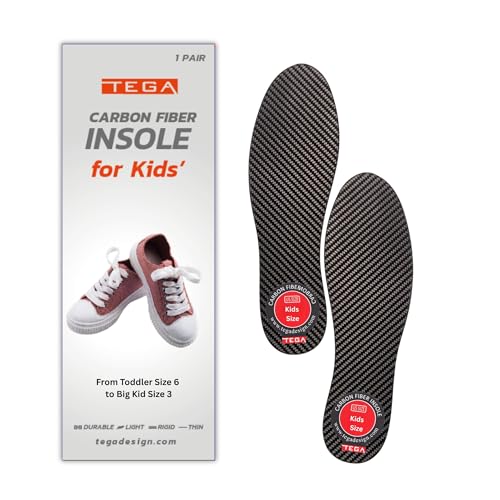
TEGA Kids’ Carbon Fiber Insoles for Idiopathic Toe Walking – 1 Pair – Rigid Shoe Inserts to Correct Tiptoe Walking – Toddlers and Big Kids Insert (Big Kid 3)
Why These Options Stand Out
The Alegria replacement insole slides into any shoe from the brand’s catalog and instantly restores that broken-in feel. It’s built around a contoured footbed (the shaped platform that supports the arch and heel) made from latex, cork, and memory foam, so the surface molds to the unique curves of your foot the moment you start walking.
Unlike the rigid carbon-fiber plates later in this list, this one prioritizes gentle cushioning over firm correction. The anatomical shape gives toes room to spread, which matters for anyone who felt pinching in the original footbed after months of daily wear.
What Works In Its Favor
- Patented interlocking shape drops cleanly into Alegria shoes without trimming
- Memory foam top layer softens impact during long shifts on tile or concrete
- Contoured toe box (the front section of the insole where toes rest) keeps pressure off bunions
- Cork and latex blend offers springy support that recovers between wears
Things To Consider
- Only fits Alegria footwear, so it has no value as a cross-brand solution
- Worn footbeds may need replacing every 6 to 12 months depending on daily hours worn
Quick Facts
Right Fit For
Anyone who already owns Alegria clogs, sandals, or professional shoes and wants to refresh the original footbed without buying new footwear.
Swap It Out When
You need a rigid correction for turf toe or Morton’s toe, where the TEGA Carbon Fiber Insole delivers a firmer forefoot block.
This ARIAT insole is engineered for the specific geometry of a round-toe western or work boot. The gel cushion sits under the heel and forefoot, absorbing shock where boots tend to feel stiffest, while the ATS (Advanced Torque Stability) platform adds side-to-side support for uneven terrain.
Compared to the slim carbon plates elsewhere in this roundup, this is a thicker, cushioned replacement built for long days in a saddle or on a jobsite. It gives toes room to settle without compressing the forefoot.
Points In Its Favor
- Gel cushion under the forefoot softens each step in stiff leather boots
- ATS stability platform helps control lateral motion on uneven ground
- Designed to match the shape of ARIAT round-toe boots for a clean fit
Worth Noting
- Too thick for snug dress shoes or low-profile sneakers
- Best results when paired with ARIAT boots, though it can trim down for other footwear
Made For
ARIAT boot owners who spend hours standing, riding, or walking on hardpacked ground and want toe relief without abandoning their favorite pair.
Consider Something Else When
You want a barefoot-style plate for a turf toe injury, where the TEGA Carbon Fiber Insole offers a thinner rigid option.
TEGA’s toe separators aren’t a traditional insole, they’re a soft silicone tool worn between the toes to encourage spacing and relieve forefoot pressure. For someone with bunions or hammertoes, that realignment often makes daily shoes feel bearable again.
Compare that to the carbon-fiber insoles elsewhere in this list: those limit motion at the big toe joint, while this spacer gently nudges toes apart. It’s a different approach to the same goal.
The Helpful Details
- Soft silicone flexes with each step, so it stays comfortable barefoot or in shoes
- Targets big-toe alignment, hammertoes, and overlapping toes at once
- Lightweight and discreet enough for casual wear around the house
Points To Note
- Doesn’t provide arch support or heel cushioning like a full insole
- Works best during low-activity hours, since intense motion can shift the spacer
Feature Snapshot
Who It Suits Best
People whose main complaint is forefoot crowding from bunions or hammertoes and who want a non-rigid way to spread the toes during downtime.
Reach For A Different Pick When
You need full-foot support during long walks, where the Carbon Fiber Insole with Arch Support combines realignment with cushioning.
A Morton’s extension is a thin, rigid plate that runs from the heel to just behind the toes, holding the big toe joint flat so it can’t bend painfully during push-off. TEGA’s carbon-fiber version does exactly that for conditions like Morton’s toe, turf toe, hallux limitus (limited big-toe motion), and hallux rigidus (stiff big-toe joint).
This is a clinical-style correction, not a comfort cushion, so the feel is firm underfoot. For shoppers who need that level of restriction, it’s a direct route to less forefoot pain.
Benefits That Matter
- Carbon-fiber build keeps weight low while holding the toe joint immobile
- Sold as a pair, so both feet get matching support
- Slim profile fits inside most lace-up shoes and boots without crowding
Trade Offs
- Requires careful measurement against the original insole to pick the right size
- No cushioning or arch lift, so it doesn’t address heel or arch pain on its own
Core Details
Best Suited To
People with Morton’s toe, turf toe, or arthritic big-toe joints who need a rigid lever to stop the toe from bending during walking.
Look Elsewhere When
You want all-day cushioning in addition to rigid support, where the Carbon Fiber Insole with Arch Support adds memory foam comfort.
This insole layers a rigid carbon-fiber base under a memory foam top, which is an unusual combination. The base plate limits forefoot flex and protects the toes from bending, while the foam and gel pad soften each heel strike.
That dual construction makes it a sensible pick for runners and walkers who deal with both arch pain and toe discomfort. It’s the most versatile corrective option in this roundup.
Bright Spots
- Deep heel cup (a raised rim around the heel that locks it in place) cradles the rearfoot for better alignment
- Memory foam top layer adapts to foot shape during longer sessions
- Carbon plate limits big-toe bending while still allowing some flex behind it
Honest Caveats
- Runs warmer than a thin carbon plate, which can matter in hot climates
- Takes a few wears to break in as the foam compresses to your arch
Feature Rundown
Who Should Grab It
Active adults who want arch support and forefoot rigidity in a single insole, especially those logging miles or long shifts.
Skip It When
You need a shoe-agnostic rigid plate, where the TEGA Carbon Fiber Insole (Athletic Recovery Pick) slips into more casual footwear.
TEGA’s general-purpose carbon plate sits inside athletic shoes to keep the big toe joint locked during push-off. It’s marketed toward hikers, trekkers, basketball players, and runners, anywhere a bent toe could mean reinjury.
Unlike the cushioned pick above, this one is pure rigidity. There’s no foam or gel, just a thin plate that takes the bend out of the forefoot.
A Few Strong Suits
- Thin carbon shell fits into sneakers and trail shoes without crowding the toe box
- Useful across multiple sports, so one pair covers several activities
- Comes as a pair, ready for matched correction on both feet
Room For Improvement
- No cushioning, so it feels hard underfoot on concrete or hardwood floors
- Sizing runs narrow, and trimming may be required to match unusual shoe shapes
Perfect Match For
Athletes returning from turf toe or a foot fracture who want to keep training without re-aggravating the injury.
Not Your Match When
You want a cushioned everyday insole, where the Alegria Replacement Insole gives a softer, anatomical ride.
When a child habitually walks on tiptoes without an underlying medical cause (a condition called idiopathic toe walking), a rigid insole placed under the original footbed can make heel-toe walking feel more natural. TEGA’s kids’ plates are handcrafted carbon fiber shaped to fit toddlers through big kids.
They’re meant to slide into the existing shoe, not replace it, so the fit depends on trimming the plate to the child’s insole. It’s a focused tool for a specific developmental concern.
A Favorable Mix
- Targets a clear use case, idiopathic toe walking, that generic insoles don’t address
- Carbon fiber stays rigid through active play and sports
- Sized for both toddlers and big kids, covering a wide age range
Things To Weigh
- Requires accurate trimming against the child’s existing insole, which takes patience
- Best paired with guidance from a pediatrician or physical therapist
Whose Shelf It Belongs On
Parents addressing persistent tiptoe walking in children, ideally alongside professional guidance.
A Better Fit Elsewhere
For adult toe-walking or forefoot pain, the Morton’s Extension Orthotic offers a similar rigid plate in grown-up sizes.
What To Weigh Before Choosing Insoles For Toe Support
Start with the diagnosis. Turf toe, bunions, and Morton’s toe each respond to different mechanics, so identifying the source of pain narrows the field fast. A rigid carbon-fiber plate limits big-toe bending during push-off, while a cushioned footbed absorbs impact across the forefoot.
Match the insole to the shoe. Thick, cushioned replacements like the ARIAT gel footbed fit boots and roomy clogs, while slim carbon plates tuck into athletic shoes and casual sneakers. Trimming is sometimes required, especially for pediatric sizes.
Think about daily hours. People standing on hard floors for ten-hour shifts need more cushioning than someone wearing the insert for an evening walk. Memory foam and gel layers pay off when the insole stays in shoes all day.
Consider sizing accuracy. Carbon plates depend on precise length matching, so measuring the original insole before ordering prevents returns. Soft toe spacers have more forgiveness since they flex with the foot.
Key Considerations Across These Picks
Traps First Timers Fall Into
Picking a rigid carbon plate for everyday comfort usually backfires. Those plates are corrective tools, so they feel harsh underfoot during casual wear. Shoppers new to toe support often do better starting with a cushioned, contoured insole before graduating to a rigid plate.
Another common slip is assuming one insole fixes every toe problem. A bunion spacer and a Morton’s extension address different joints, so layering the wrong products can shift pressure rather than relieve it.
Where The Extra Money Goes
Premium carbon-fiber insoles cost more because of the material itself: lightweight, rigid, and thin enough to fit inside narrow shoes without crowding the toe box. The construction also tends to last longer under daily use.
That said, the upgrade pays off most for athletes and people with specific diagnoses. For general foot fatigue, a mid-range cushioned insole often delivers enough relief without the higher price.
Frequently Asked Questions
How do I know if I need a rigid or cushioned insole?
Rigid carbon-fiber plates suit diagnosed toe conditions like turf toe, hallux rigidus, or Morton’s toe where limiting big-toe bending helps. Cushioned insoles work better for general forefoot fatigue and long hours on hard floors.
Can I use these insoles in any shoe?
Most fit standard lace-up shoes, boots, and sneakers, but very narrow dress shoes or shallow flats may not have room for a thick footbed. Slim carbon plates usually fit the widest range of footwear.
Do toe separators replace insoles?
Toe separators address alignment between the toes, while insoles support the whole foot from heel to toe. Many people use both, but a separator alone won’t cushion the heel or arch.
How long do carbon-fiber insoles last?
With daily wear, most rigid plates last a year or more before the shell shows fatigue. Cushioned insoles tend to compress sooner and may need replacing every six to twelve months.
Are kids’ insoles safe for growing feet?
Rigid plates designed for idiopathic toe walking are typically used under professional guidance. They don’t replace medical evaluation, so a pediatrician or physical therapist should confirm the approach first.