

The early months of feeding a baby pull a lot from your body, and most parents feel it. Between sleep loss and the constant demands of nursing or pumping, your own nutrition can quietly slip sideways. The right supplement routine helps fill those gaps, but the shelves are crowded and the labels talk past each other. This list cuts through the noise with nine thoughtfully chosen products that cover different stages, diets, and priorities, so you can match the support to your actual week-to-week reality.
The Leading Options At A Glance

Needed. Prenatal Vitamin D3/K2 for Fertility, Pregnancy & Breastfeeding

Nature Made Prenatal Vitamins with Folic Acid + DHA

Zarbee’s Baby Vitamin D Drops 400 IU

Mama Natural Organic Postnatal Multivitamin

Mama Natural Prenatal Probiotics 25 Billion CFU

Mama Natural Organic Women’s Multivitamin
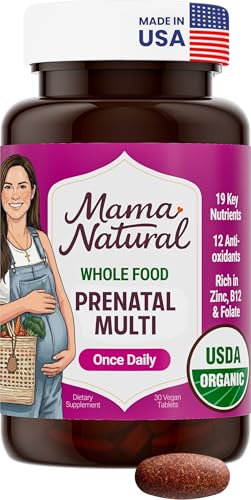
Mama Natural Organic Prenatal Vitamins Vegan

Mama Bird Prenatal Multi+ (30 Servings)

Mama Natural Prenatal Bundle (Vitamin + Probiotic)
More Details On Our Top Picks
Breast milk is famously low in vitamin D, which is exactly why pediatricians often suggest a separate D supplement for baby. The flip side is that raising vitamin D in your own bloodstream gradually passes more of it into milk, and that is the lane this Needed. formula targets.
It pairs D3 with K2 because K2 helps direct calcium to bones rather than soft tissue, a small detail that matters when you are nursing around the clock and not seeing much sun. You get 60 small capsules designed to layer on top of a prenatal, not replace one.
Real Benefits
- Targeted support for breast milk vitamin D levels during exclusive nursing
- D3 and K2 work together for better calcium routing in your own body
- Tiny capsule format is gentle on a stomach already dealing with pregnancy or postpartum nausea
- Designed to complement a standard prenatal rather than duplicate its nutrients
Trade-Offs To Consider
- Not a complete prenatal on its own, so you will still need a broader multivitamin alongside it
- Only 60 capsules per bottle, so heavy users may find themselves reordering often
Who It Suits Best
Parents who already take a separate prenatal and want a focused vitamin D and K2 add-on to support breast milk nutrition during the first year of nursing.
A Better Fit Elsewhere
The Mama Natural Organic Prenatal is a more streamlined option for someone who would rather combine D and K into one daily tablet instead of stacking separate bottles.
If you want a no-drama prenatal that covers the basics without a learning curve, Nature Made is the kind of bottle your OB will not blink at. Folic acid is the headline nutrient, and the softgel also folds in DHA, the omega-3 fatty acid tied to early brain and eye development.
For someone juggling a newborn and a job, a single softgel a day removes one more decision. You can start it during pregnancy and keep going postpartum, which lines up with the way many providers recommend a steady prenatal through the nursing stage.
Reasons It Performs
- DHA built into the softgel saves a separate fish oil bottle
- Folic acid in a form widely recommended during the preconception window
- 110 softgels per bottle offers a long stretch between reorders
- Straightforward ingredient list that pharmacists tend to recognize on sight
Points To Note
- Uses folic acid rather than methylfolate, so shoppers with MTHFR variations may want a different format
- Softgels can feel large during morning sickness or early postpartum nausea
Made For
Parents who want a familiar, broadly available prenatal with DHA included and minimal fuss about ingredient sourcing.
Consider Something Else When
Mama Natural Organic Prenatal Vitamins suit shoppers who care more about organic sourcing than DHA baked into the same pill, since they prioritize whole-food inputs instead.
Even with a great prenatal, breast milk does not carry enough vitamin D for infants. That is where Zarbee’s comes in: a liquid dropper designed specifically for the nursing baby, not the parent.
Each drop delivers 400 IU, which is the amount most pediatric guidelines point to for breastfed infants. The included dropper lets you place a single drop onto a nipple, a pacifier, or into a small amount of milk, which keeps the whole process very low effort.
Well-Handled Touches
- 400 IU per drop matches common pediatric recommendations for breastfed infants
- Liquid format is far easier than crushing tablets for a newborn
- Small bottle size fits in a diaper bag without bulk
- Dropper included, so no extra measuring tools required
Small Caveats
- A 0.47 fl oz bottle runs out quickly if you use it daily for several months
- Designed for baby, not mom, so this pairs with a separate maternal supplement
Best Suited To
Parents of a breastfed or partially breastfed infant who want the most widely recommended vitamin D dose for baby without a complicated routine.
Not Your Match When
Shoppers focused on their own nutrient gaps will be better served by Needed. Prenatal D3/K2, which targets maternal levels that then transfer into breast milk.
Once baby arrives, the nutrient story changes. Pregnancy nausea fades, but iron, iodine, and energy support move to the front of the line. This Mama Natural postnatal is built specifically for that window.
The formula leans on whole-food sources and includes iron, iodine, and moringa, a plant traditionally tied to lactation support. You take one capsule a day, and the brand keeps the ingredient panel short, which matters when you are reading labels through bleary eyes at 3 a.m.
The Upside
- Formulated for the postpartum and nursing window rather than a generic women’s multi
- Includes iron to help replenish what birth and bleeding deplete
- One capsule per day fits the reality of new-parent schedules
- Moringa adds a traditional lactation-support ingredient some parents look for
Honest Caveats
- Only 30 servings per bottle, so you will reorder monthly
- Iron can occasionally upset sensitive stomachs when taken on an empty stomach
Perfect Match For
Nursing moms who want a clean-label postnatal that focuses on recovery and lactation rather than a generic one-size-fits-all women’s multi.
Look Elsewhere When
Mama Natural Organic Women’s Multivitamin works better for parents not yet postpartum who simply want a daily whole-food multi across the board.
Probiotics during pregnancy and nursing are not just about your own digestion. The strains you carry influence the bacteria baby picks up during birth and breastfeeding, which shapes the early gut microbiome.
This Mama Natural blend runs 25 billion CFU across 12 strains, including L. rhamnosus, L. crispatus, and B. infantis, a species associated with healthy breastfed infants. It also includes a prebiotic fiber to feed the good bacteria once they arrive.
Bright Spots
- Strain selection mirrors species found in healthy pregnancy and breastfed infant microbiomes
- Prebiotic FOS supports the survival of the strains once they reach the gut
- No refrigeration needed, which simplifies daily use
- Made without magnesium stearate or artificial fillers
A Few Limitations
- Single-capsule format means you still need a separate prenatal for full nutrient coverage
- Anyone with histamine sensitivity may want to review the full strain list before starting
Who Should Grab It
Parents who want to layer microbiome support across pregnancy, postpartum, and nursing, especially those with digestive discomfort during those phases.
Reach For A Different Pick When
Mama Natural Prenatal Bundle is the better call for shoppers who want a prenatal and a probiotic bundled into one simple two-pill routine.
This is the everyday option for someone who is not actively pregnant but wants the same whole-food philosophy in a daily women’s multi. It packs 19 nutrients from USDA organic fruits, vegetables, and herbs into a single vegan tablet.
Methylated B12 and iron sit on the label, which makes it friendly for parents who already know they prefer those forms. For nursing moms who want continuity between prenatal and daily multi, the ingredient philosophy stays familiar.
The Good Stuff
- One tablet per day removes the multi-pill burden many women’s multis require
- Methylated B12 supports energy pathways in forms the body uses directly
- Whole-food sourcing appeals to shoppers reading for clean labels
- 30-day supply fits a single monthly reorder rhythm
Things To Consider
- Not a prenatal, so it will not cover the higher folic acid demands of the first trimester
- Iron content may be modest for those recovering from significant postpartum blood loss
Right Fit For
Nursing parents who want a clean-label, one-pill daily multi once they have moved past the prenatal stage.
A Better Fit Elsewhere
Mama Natural Organic Postnatal Multivitamin is a stronger match during the early postpartum window when iron and lactation-focused nutrients matter more.
Morning sickness already complicates swallowing pills, so a once-daily tablet is a real quality-of-life upgrade. This Mama Natural prenatal uses organic whole-food sources for 19 vitamins and minerals plus 12 antioxidant-rich superfoods.
The formula is vegan, gluten-free, and free of common fillers, so shoppers with strict dietary preferences can take it without a long label check. You can keep using it through the nursing stage as well, which keeps the routine consistent.
Where It Excels
- Single-tablet format lowers the chance of skipping a day during rough mornings
- Whole-food folate sources instead of synthetic-only inputs
- Vegan, gluten-free, and non-GMO for shoppers with layered dietary needs
- Third-party tested for purity and potency
Practical Considerations
- 30 servings means monthly reordering for the duration of pregnancy and nursing
- No DHA in the tablet, so an omega-3 add-on may still be needed
The Right Fit
Vegan or clean-label shoppers who want a prenatal that can carry them through pregnancy and into nursing without swapping formulas.
Skip It When
Nature Made Prenatal with DHA is a more practical pick for parents who want omega-3 folded into the same softgel rather than added separately.
Where most prenatals stop at folate and iron, Mama Bird leans into neurodevelopment. The formula includes methylated folate, methylcobalamin, active B6, and choline, four nutrients associated with early brain and nervous system formation.
Created by a board-certified neurologist, it lands 30-plus brain-ready nutrients into a single daily caplet. For parents whose priority is early cognitive development, that focus is the headline.
Noteworthy Benefits
- Methylated B vitamins work around common genetic variations in folate processing
- Choline is included in meaningful amounts, which many prenatals skip
- Whole-food base plus probiotics and enzymes for digestion
- Vegan, gluten-free, and non-GMO profile
Points To Keep In Mind
- Smaller brand footprint means fewer in-store options if you prefer walking into a pharmacy
- Probiotic component is smaller than a standalone probiotic blend would offer
Whose Shelf It Belongs On
Parents focused on neurodevelopment who want choline and methylated B vitamins folded into a single prenatal capsule.
Another Choice May Suit
Mama Natural Prenatal Bundle is a better fit for shoppers who want a separate, higher-CFU probiotic alongside the prenatal rather than a smaller dose built in.
Managing a prenatal, a probiotic, an omega-3, and a vitamin D drop is a lot of bottles. This bundle collapses the first two into a two-pill-per-day routine: one prenatal, one probiotic, both from the same brand.
The prenatal delivers 19 nutrients from 12 organic whole-food sources, while the probiotic uses strains like L. crispatus and B. infantis that echo the gut environment of healthy pregnancies and breastfed babies. It is a tidy setup for anyone who values fewer moving parts.
Notable Upsides
- Two capsules covers prenatal and microbiome basics without a stack of separate bottles
- Organic sourcing extends to both pills in the bundle
- Strain selection supports both maternal and infant microbiome conversations
- 30-day supply matches a predictable monthly reorder
Some Limits To Know
- Probiotic CFU is lower than the standalone Mama Natural Prenatal Probiotics bottle
- No DHA in the prenatal, so you may still want a separate omega-3
Built With In Mind
Parents who want the lowest-fuss version of a prenatal-plus-probiotic combo and would rather not juggle three or four supplement bottles at the kitchen counter.
Where A Sibling Pick Shines
Shoppers who want a stronger probiotic dose should look at the standalone Mama Natural Prenatal Probiotics, which offers more strains and CFUs at the cost of a separate bottle.
What Matters When Choosing Breastfeeding Vitamins
The label on every bottle promises something. The art is matching those promises to where you actually are, whether that is still pregnant, freshly postpartum, or several months into nursing.
Nutrient priorities shift by stage
During pregnancy, folate and iron dominate the conversation. Postpartum, the focus shifts toward replenishing iron after delivery and supporting the nutrients that pass into breast milk, especially vitamin D and the B vitamins. Nursing parents who eat a varied diet still lose nutrients through milk, so a thoughtful multi can quietly close those gaps without you having to track every meal.
Maternal versus infant dosing
Zarbee’s Baby Vitamin D Drops targets the infant directly because breast milk alone rarely meets a baby’s vitamin D needs. The Needed. D3/K2 formula takes the opposite approach, raising maternal levels so more vitamin D transfers through milk. Both strategies work, but they answer different questions, and mixing them up is a common source of confusion.
Form factor and routine friction
Softgels, capsules, tablets, and liquid drops each behave differently. Softgels can feel too large during morning sickness, tablets can drag on a sensitive stomach, and liquid drops require a steady hand. Picking the form that matches your real-life routine is the difference between a supplement you actually take and one that sits in the cabinet.
Clean labels and dietary fit
Vegan, gluten-free, organic, and non-GMO labels are not just marketing for shoppers with strict preferences. For parents who already filter their food for those reasons, a prenatal that fits the same philosophy keeps the whole day consistent. Whole-food-sourced nutrients are also easier on digestion for some people, which matters when nausea is already part of the picture.
Key Considerations Across These Picks
Common Shopping Slip Ups
The most common error is treating a prenatal as a one-and-done supplement through the nursing stage. Pregnancy and postpartum call for different nutrient priorities, and a good routine evolves with you. Another trap is forgetting the baby’s vitamin D needs while focusing on your own. Breast milk is naturally low in vitamin D, which is why many pediatricians recommend a separate infant drop regardless of how solid the maternal supplement is.
What The Higher Tier Buys
Premium pricing in this category tends to buy you whole-food sourcing, methylated B vitamins, third-party testing, and stricter ingredient screening. For a parent juggling nausea, food aversions, and a newborn, those upgrades can mean fewer skipped doses and a shorter ingredient panel to argue with. The trade-off is cost, and the honest read is that a basic prenatal still covers the essentials for most people. Premium picks earn their place when clean sourcing and digestive comfort are non-negotiables.
Frequently Asked Questions
How soon after birth should I start a postnatal vitamin?
Most providers recommend continuing a prenatal or moving to a postnatal within the first few weeks of delivery, especially if you are nursing. The earlier you start, the sooner your nutrient stores stop drifting downward.
Can I take a prenatal and a postnatal at the same time?
Generally no, because they overlap heavily and stacking them can push certain nutrients well past useful levels. Pick the one that matches your current stage and add targeted extras like vitamin D or omega-3 only when needed.
Does my baby need a vitamin D drop if I take a prenatal?
Most pediatric guidelines suggest yes, because breast milk alone rarely delivers enough vitamin D for an infant. A 400 IU drop like Zarbee’s is the standard approach for breastfed babies.
Are methylated B vitamins worth the extra cost?
For parents who carry MTHFR variations or who simply respond better to methylated forms, yes. For everyone else, a regular folic acid prenatal is still a solid, well-studied option.
How long should I keep taking these supplements?
Through the full nursing window, with periodic check-ins on how you feel, your energy, and any lab work your provider recommends. There is no hard cutoff, and many parents taper gradually rather than stopping cold.
The Takeaway
The right breastfeeding vitamins are the ones you will actually take consistently, and that depends on your stage, your diet, and how much routine friction you can tolerate. Start by identifying whether you need maternal coverage, infant coverage, or both, then narrow the list by form factor and ingredient philosophy. A small, steady routine beats a perfect stack you abandon by week three.