

SI joint pain has a way of sneaking into every part of daily life, from sitting at your desk to getting out of bed in the morning. The sacroiliac joint sits where your spine meets your pelvis, and when it gets angry, the discomfort tends to fan out into the lower back, hips, and even down the legs. A well-designed belt can stabilize that joint, take pressure off inflamed tissue, and make movement less of a negotiation. The picks below cover a range of fits, compression levels, and price points so you can find a brace that matches how your pain actually shows up.
The Main Contenders

SueStar SI Belt with 3D Pad
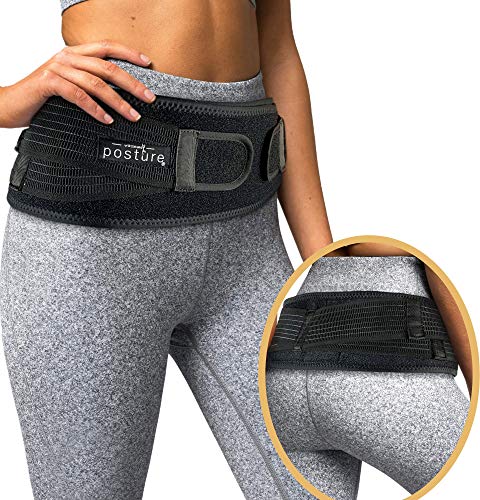
Vriksasana Posture Sacroiliac Hip Belt (Regular, Black)

Vriksasana Posture Sacroiliac Hip Belt (Regular, Nude)

YCSHUNDONG SI Joint Hip Belt 8X Compression M/L

Vriksasana SI Belt Anti-Slip Pilling-Resistant (Regular)

APECORE SI Hip Belt Regular
APECORE SI Hip Belt XL-XXL
What Each Pick Brings To The Table
The SueStar SI Belt is built around a removable 3D compression pad that sits right over the sacroiliac joint, the spot where the spine and pelvis connect. That pad is paired with a bionic hip plate and dual stays, which together spread pressure evenly instead of pinching one spot.
The ergonomic cut runs a touch wider than the basic wraparound belts, which matters if your pain flares during longer days on your feet. For women juggling errands, workouts, or long commutes, the contour shape tends to follow the hip curve better than a flat strap.
What Makes Sense
- The 3D compression pad delivers focused pressure exactly where the SI joint sits.
- The bionic hip plate and stays spread force across a wider area, reducing the hot-spot pinching common with thin belts.
- The wider cut stays put during walking, standing, and light lifting.
- The pad can be removed when you want lighter compression for casual wear.
Things To Consider
- The added structure makes this belt slightly bulkier than the minimal wraparound styles.
- Size Medium runs narrower than unisex options, so measuring your hip circumference ahead of time is worth the effort.
Feature Snapshot
Made For
Active women dealing with recurring SI joint flare-ups who want structured support that moves with them.
Look Elsewhere When
The Vriksasana Posture Sacroiliac Hip Belt in Nude suits you better when discreet under-clothing wear matters more than the removable pad.
Vriksasana’s classic sacroiliac belt has been on the scene long enough to earn a following among people managing chronic SI joint dysfunction. The design is intentionally simple: a 44-inch strap, 4 inches wide, intended to wrap around the hips and compress the joint without locking down movement entirely.
It accommodates hip circumferences from 32 to 45 inches, which covers a sizable chunk of wearers. For someone logging long hours at a desk or recovering after a long flare-up, the broad strap tends to feel less like a vise and more like a steady, supportive hug.
Everyday Perks
- The 4-inch strap distributes compression over a wider surface than narrower bands.
- The 32 to 45-inch hip range covers most everyday body types without a custom fit.
- Unisex design works equally well for men and women sharing a household.
- The non-restricting profile lets you walk, sit, and stretch without fighting the brace.
Honest Caveats
- The plain black fabric can feel warm under heavier clothing in summer.
- Without a structured pad, the pressure is even but less targeted than the SueStar’s 3D option.
Right Fit For
Anyone needing reliable daily stabilization for ongoing SI joint dysfunction or post-injury recovery.
Consider Something Else When
The YCSHUNDONG 8X Compression belt makes more sense when you want aggressive, dual-strap compression during a particularly rough flare-up.
Same trusted Vriksasana design as the black version above, but in a nude colorway that disappears under light-colored work pants, dresses, or scrubs. The mechanics, strap width, and fit range are identical, so the real difference is purely visual.
For anyone who needs to wear the brace into meetings, classrooms, or clinical settings where visible support gear draws attention, the nude tone takes the spotlight off it. You get the same stabilization without telegraphing that you’re wearing a brace.
Useful Touches
- Nude color blends under light clothing without a visible outline.
- Shares the trusted 32 to 45-inch hip range with the black version.
- Keeps the 4-inch strap width for even compression distribution.
- Slim profile works well under uniforms and form-fitting outfits.
Trade Offs
- Lighter fabric can show wear or staining sooner than darker options.
- The nude shade may not match every skin tone precisely under bright lighting.
Quick Facts
Who Should Grab It
Professionals, teachers, and caregivers who need supportive compression without the visible bulk under work attire.
Reach For A Different Pick When
The APECORE SI Hip Belt in Regular sizing makes more sense if you sit closer to the higher end of the standard hip range.
YCSHUNDONG’s 8X Compression belt is for the days you need the belt to actually do something forceful. The dual compression strap system layers pressure on top of the primary wrap, which can be a real difference-maker during an acute flare or right after a long drive.
The M/L size targets hips between roughly 36 and 47 inches, with additional sizes available for smaller and larger frames. If you’ve tried lighter belts and felt like they were barely there, this one earns its heavy-duty reputation.
Positive Points
- Dual compression straps let you dial in significantly more pressure than single-strap designs.
- The 8X compression rating signals a noticeably firmer squeeze across the joint.
- Unisex design opens the option up to anyone in the supported hip range.
- Adjustment tabs let you fine-tune the fit after a brief break-in period.
Softer Spots
- The firm compression is too aggressive for casual all-day wear, especially if your pain is mild.
- Bulkier construction shows more visibly under thinner clothing.
Core Details
Best Suited To
People managing acute, severe flare-ups or recovering from injury who want the firmest squeeze this category offers.
A Better Fit Elsewhere
The Vriksasana Posture Sacroiliac Hip Belt in Black is a friendlier choice when you prefer steady, moderate pressure for everyday wear.
This second-generation Vriksasana belt keeps the brand’s signature non-restricting shape and widens it slightly to 4.5 inches for broader pressure distribution. The fabric is treated to resist pilling, meaning the surface stays smoother through repeated wear and wash cycles.
The anti-slip finish keeps the belt from migrating downward during longer walks, which is a common complaint with cheaper wraps. The 30 to 45-inch hip range covers a slightly broader lower boundary, useful for slimmer wearers who often get squeezed out of standard sizes.
What Works In Its Favor
- Anti-slip finish keeps the belt from riding down during active wear.
- Pilling-resistant fabric holds up better through repeated laundering.
- Slightly wider 4.5-inch strap spreads compression more evenly than narrower bands.
- The 30-inch lower fit boundary includes slimmer wearers who often get overlooked.
Some Limits To Know
- The treated fabric can feel slightly warmer than untreated weaves.
- The 4.5-inch width adds a touch more bulk under tighter clothing.
Whose Shelf It Belongs On
Wearers who move around a lot and want a belt that holds position without constant adjustment.
Swap It Out When
The SueStar SI Belt with 3D Pad is the smarter pick if targeted joint compression matters more than the anti-slip surface.
APECORE’s Regular SI belt targets hips from 32 to 47 inches, edging slightly past the standard Vriksasana range. The unisex build runs the same wraparound design, with adjustable compression that lets you set the squeeze where it actually helps.
The belt can be worn under or over clothing, which is a quiet but useful feature if you want to layer it discreetly. For shift workers, parents, and anyone sitting at a desk for long stretches, the combination of broad fit range and adjustability tends to hit a comfort sweet spot.
Features That Help
- Hip range stretches from 32 to 47 inches, accommodating larger wearers.
- Adjustable compression lets you tune the squeeze throughout the day.
- Wearable under or over clothing adds wardrobe flexibility.
- Unisex sizing simplifies shopping for shared use.
Practical Considerations
- Measuring hips correctly matters more than usual here, since the sizing skips past standard waist measurements.
- The wraparound profile lacks a structured pad for highly targeted compression.
Who Will Love This
Adults in the upper standard hip range who want comfortable, adjustable compression without a complicated fit process.
Not Your Match When
The APECORE XL-XXL version fits better when your hips measure above 47 inches.
Same APECORE design as the Regular, just scaled up for hips between 47 and 56 inches. Plus-size wearers often get left out of standard SI belt sizing, so an explicitly extended option matters more than it might sound.
The compression mechanism and fabric behave the same as the smaller version, so you’re not trading function for fit. Anyone who’s had to cram into a too-small belt will recognize the relief of a proper size range.
Useful Highlights
- The 47 to 56-inch range finally gives larger wearers a properly fitted option.
- Adjustable compression matches the smaller APECORE version’s tunability.
- Unisex design accommodates a wide range of body types within the extended size.
- Works under or over clothing, just like the Regular sibling.
Worth Bearing In Mind
- The wider circumference means more strap length to manage when adjusting.
- Availability can run lower than the Regular sizing, depending on stock.
Perfect Match For
Plus-size adults whose hips measure above 47 inches and who have struggled to find an SI belt that actually fits.
Skip It When
The APECORE Regular fits the bill for anyone measuring under 47 inches and wanting the same adjustability.
Choosing The Right Fit For Your SI Joint
Hip Measurement Is the Starting Line
Every SI belt hinges on getting your hip circumference right, and that means measuring at the widest part of your pelvis, not your waist. A tape measure across the bony landmarks gives you the number that matters. Most standard belts cover 30 to 45 inches, while extended sizes push past 50. Picking outside your actual range usually means a belt that either pinches or slides around uselessly.
Compression Style Matters More Than You Think
Belt compression falls into two camps: even, broad pressure from a single wide strap, or layered, targeted pressure from dual straps or removable pads. Even compression works for general stabilization during desk work or walking. Targeted compression earns its keep during flare-ups or right after activity, when the joint needs a firmer nudge back into alignment.
Wear Time and Lifestyle Fit
A belt you’ll actually wear beats a theoretically perfect belt sitting in a drawer. For office days, a low-profile nude option under clothing tends to disappear. For long walks or errands, anti-slip fabric and a wider strap reduce constant readjusting. For severe flare days, dual compression earns its bulk. Match the belt to the moment you’ll reach for it most.
Material and Care Considerations
Most SI belts use neoprene or similar stretchy weaves. Neoprene runs warm, which can matter in summer. Pilling-resistant fabrics hold up better through repeated washing, especially if you plan to wear the belt daily. Hand washing and air drying tends to extend the life of any brace in this category.
Key Considerations Across These Picks
Where Shoppers Go Wrong
The most common mistake is treating the SI belt like a one-size-fixes-all solution. Some shoppers grab the first belt they see without measuring, only to discover it’s either too tight or constantly slipping. Others expect a brace to replace physical therapy or medical guidance entirely, which it can’t. A belt supports the joint; it doesn’t diagnose or treat the underlying issue.
What Separates Premium From Basic
The gap between entry-level and higher-tier SI belts usually shows up in three places: compression adjustability, fabric durability, and fit range. Dual-strap systems and removable pads cost more because they let you tune pressure more precisely. Pilling-resistant fabrics and reinforced stitching handle daily laundering better. Extended sizing for larger or smaller hips also tends to carry a small premium, since the manufacturing runs are smaller.
Frequently Asked Questions
How tight should an SI joint belt be?
A properly fitted SI belt should feel snug enough to provide clear compression without restricting breathing or movement. You should be able to slide two fingers under the strap, and the belt should stay in place during walking without sliding down.
Can you wear an SI belt all day?
Most people wear an SI belt during higher-risk activities like standing, walking, or sitting for long periods. Wearing one continuously can sometimes cause the surrounding muscles to rely on the support, so shorter wear windows during activity are generally more practical.
Do SI belts work for sciatica?
SI belts can help when sciatica symptoms stem from sacroiliac joint dysfunction, since stabilizing the joint reduces the referred nerve irritation. They are less effective for sciatica caused by disc issues or other spinal conditions unrelated to the SI joint.
How do you measure for the right size?
Measure around the widest part of your hips, typically across the bony points at the front. Compare that number against the manufacturer’s hip circumference range, not standard clothing sizes, since SI belt sizing follows pelvic measurements specifically.
Are SI belts unisex?
Most SI belts in this category are designed as unisex, with sizing based on hip circumference rather than gender-specific cuts. The main differences between options come down to fabric, color, and compression mechanism rather than gendered shaping.
The Takeaway
SI joint pain tends to demand a belt that fits your body, your day, and your flare-up pattern. Start by measuring honestly and matching the compression style to when you’ll wear it most. From there, the right belt often reveals itself quickly, whether that’s the structured support of the SueStar, the everyday reliability of a Vriksasana, or the firmer squeeze of the YCSHUNDONG during rough patches.