Shin splints have a way of hijacking a training block. That deep ache along the tibia shows up after tempo runs, long shifts on concrete, or a sudden jump in mileage, and the right lower-leg compression can take the edge off while you recover. This guide rounds up nine calf sleeves built to support sore shins, ease calf fatigue, and keep you moving through everyday workouts and harder sessions alike.
The Leading Options At A Glance

BLITZU Calf Compression Sleeves

CAMBIVO Calf Compression Sleeve 3 Pairs

Rehband 5mm Neoprene Shin Calf Sleeve

CopperJoint Calf Compression Sleeve (20-30mmHg)
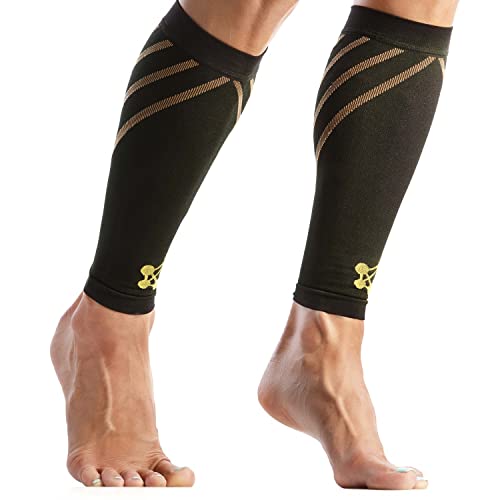
CopperJoint Calf Compression Sleeve (Copper Stripe, Medium)

CopperJoint Calf Compression Sleeve (Black, Large, Firm)
CopperJoint Calf Compression Sleeve (Black, Medium, Sports)
CopperJoint Calf Compression Sleeve (Copper Stripe, XLarge)

ROXOFIT Calf Brace for Shin Splint Relief
Why These Options Stand Out
BLITZU built these sleeves for runners logging weekly mileage, and the nylon-spandex knit lands in a comfortable middle ground between recovery gear and athletic tights. The graduated compression encourages blood flow back up the calf, which can help reduce that heavy-leg feeling after long runs on pavement. Unlike the bulkier neoprene options later in this list, these slip cleanly under a sock or a fitted trouser without bunching.
Points In Its Favor
- Graduated pressure supports circulation through repeated weekly use
- Lightweight knit stays cool during warm-weather runs
- Slim profile fits under socks, joggers, or work pants
- Knit fabric is hand-washable and dries quickly on a rack
Trade Offs To Consider
- Compression is moderate, so very sore shins may need a firmer sleeve
- Fit can run short on taller wearers, depending on calf length
- Thin knit can snag against Velcro if tossed in a gym bag
Made For
Recreational runners and walkers who want everyday compression they can wear from the morning commute to a recovery jog.
Swap It Out When
Powerlifters and CrossFit athletes moving heavy loads should reach for the Rehband 5mm Neoprene Shin Calf Sleeve, since it offers thicker structural support.
Three sleeves in a single box changes the math for anyone who trains most days of the week. CAMBIVO’s triple pack means one pair can be in the wash, one in your gym bag, and one on your legs, which keeps hygiene simple without forcing a mid-week laundry scramble. The 360-degree knit pattern uses a blend of nylon and elastane, so the sleeve hugs the calf evenly rather than squeezing the widest point.
Noteworthy Benefits
- Three-pack setup supports daily rotation and easier washing
- Even knit tension reduces pinch points at the calf’s widest curve
- Footless design pairs with any running shoe or athletic sock
Worth Noting
- Compression level is moderate rather than aggressive
- Elastic may loosen slightly faster than single-piece neoprene designs
- Stacked packs ship in larger boxes that need closet space
Quick Facts
Right Fit For
Daily runners, fitness class regulars, and anyone who wants spare sleeves ready for back-to-back workouts.
A Better Fit Elsewhere
Walk a little more than you run? The BLITZU sleeves reviewed above offer a similar everyday feel in a single-pair format for lighter training loads.
Rehband leans into a different crowd entirely. The 5mm neoprene sleeve wraps the lower leg in a structured hug that holds its shape through barbell work, rope climbs, and sled pushes. Neoprene also traps warmth, which keeps muscles and tendons pliable during warm weather gym sessions. Compared to the lighter knit options above, this sleeve feels more like athletic tape than a sock.
A Few Strong Suits
- Thick neoprene cushions the shin against barbell and rope contact
- Holds compression firmly during heavy compound lifts
- Reinforced edges resist rolling during box jumps or burpees
- Compatible with weightlifting shoes and lifting socks
Honest Caveats
- Runs warm, which may feel heavy during summer outdoor workouts
- Bulkier profile does not disappear under tailored pants
- Hand-wash care adds a small step to your post-session routine
Who It Suits Best
Strength athletes and CrossFit participants who want structured shin and calf support during heavy compound movements.
Where Another Pick Suits Better
Long-distance runners will prefer the CAMBIVO triple pack for breathable everyday mileage rather than this sleeve’s lift-focused build.
Compression ratings get technical fast, so a quick frame: 20-30mmHg sits in the firm range often used for athletic recovery and mild varicose support. CopperJoint builds this sleeve to that spec, which is why many shoppers reach for it after long runs or long shifts standing. The wide-calf friendly cut also means it stretches without strangling fuller legs, and the copper-infused nylon knit aims to manage odor between washes.
Notable Upsides
- Firm 20-30mmHg pressure supports recovery after hard efforts
- Stretch knit accommodates wider calves without bunching
- Odor-resistant fibers help between training-day washes
- Stays in place during treadmill intervals and tempo sessions
Points To Keep In Mind
- Firm pressure may feel too tight for casual wear around the house
- Copper-infused fabric needs gentler wash cycles to last
- Recovery-level compression feels like a medical garment on first wear
Spec Overview
Best Suited To
Runners, nurses, and retail workers who spend hours on their feet and want firmer post-shift recovery support.
Consider Something Else When
Anyone new to compression gear may find the CopperJoint Copper Stripe (Medium) a softer entry point before stepping up to this firmer knit.
This CopperStripe variant uses a nylon knit with a more relaxed pressure profile than the 20-30mmHg version reviewed just above. The lower compression makes it a friendlier pick for shoppers easing into calf sleeves for the first time. The copper-stripe design runs along the length of the sleeve, which adds a little visual interest under shorts on a summer run.
Where It Excels
- Moderate pressure works for first-time compression users
- Knit feels soft enough for full-day wear under work pants
- Copper-stripe pattern adds a subtle athletic look
Some Limits To Know
- Not aggressive enough for advanced recovery use
- Knit may pill after repeated weekly washes
Feature Snapshot
Perfect Match For
Beginners and first-time shoppers who want an approachable sleeve before committing to firmer recovery grades.
Where A Sibling Pick Shines
For firmer post-run recovery, the CopperJoint 20-30mmHg sleeve reviewed earlier delivers noticeably stronger pressure.
Built with a labeled “firm fit,” this large-size CopperJoint sleeve targets shoppers who want extra squeeze around fuller calves. The black color stays subtle under both gym shorts and office trousers, which is useful when training bleeds into the work day. Compared to the CopperStripe Medium, this version dials up both size and pressure, and it shows in how confidently the knit hugs the muscle.
Where It Delivers
- Large fit suits fuller calves without pulling at the top band
- Firm compression supports heavier training blocks
- Black color pairs easily with both athletic and casual outfits
Possible Compromises
- Firm hold can feel restrictive during casual walking days
- Larger knit panels may feel warm in humid conditions
Right Fit For
Big-framed athletes and shoppers with wider calves who want firmer hold without sizing up a thinner knit.
Skip It When
Smaller-calved shoppers will get a better fit from the CopperJoint Copper Stripe XLarge reviewed further down this list.
The “Sports” version of CopperJoint’s medium sleeve stays closer to a moderate fit than the firm Large option reviewed just above, which makes it a sensible pick for court sports and field workouts that involve a lot of direction changes. The black knit keeps the sleeve out of the way during sprints and lateral cuts, where brighter sleeves can distract under stadium lights.
Good Reasons To Consider
- Moderate pressure works across running, court, and field sessions
- Medium size accommodates average calf measurements
- Understated black color works for team practices
Practical Considerations
- Less compression than the firm Large variant for recovery days
- Knit can show lint from turf fields after outdoor sessions
Built With In Mind
Soccer, basketball, and tennis players who change direction often and want light support without restricting ankle movement.
Another Choice May Suit
Powerlifters needing dense shin protection should pick the Rehband 5mm Neoprene Shin Calf Sleeve over this sportier knit.
Sizing matters more than most shoppers expect with calf sleeves, and this CopperStripe XLarge exists for shoppers who have been squeezed out by standard sizing charts. The copper-stripe knit has the same relaxed pressure profile as the medium version reviewed earlier, just scaled up for fuller legs. It also makes a useful backup sleeve to keep in a gym locker when travel throws off your normal laundry cycle.
Reasons It Performs
- Extended sizing covers shoppers overlooked by standard charts
- Moderate pressure feels manageable during longer shifts
- Works as a backup sleeve in a rotation system
Smaller Limitations
- Larger knit panels can feel warm under summer work pants
- Pressure level is mild compared to dedicated recovery sleeves
Feature Rundown
Whose Shelf It Belongs On
Shoppers with wider calves who have struggled to find compression that fits without rolling at the top.
Look Elsewhere When
Average-sized runners looking for a triple-pack value should consider the CAMBIVO 3-pair sleeve instead.
The ROXOFIT brace takes a different route from every sleeve on this list. Rather than pulling on over the foot, it uses a three-strap wrap design that lets you dial in pressure over the calf and shin, then peel it off without yanking. The perforated neoprene panel breathes better than solid neoprene, which matters during longer wear. For acute shin pain flare-ups, the strap system lets you tighten or loosen as the ache shifts through the day.
A Favorable Mix
- Three-strap wrap allows adjustable pressure over sore spots
- Perforated neoprene panel improves airflow during long wear
- Wrap design avoids pulling over the foot after swelling sets in
- Useful for both acute flare-ups and warm-up support
Potential Sticking Points
- Straps need occasional re-tightening during longer sessions
- Wrap design is bulkier than a simple sleeve under fitted pants
- Hook-and-loop fasteners collect lint from athletic socks
Who Should Grab It
Runners returning from a shin splint flare-up who want adjustable pressure and easy on-and-off wear.
Reach For A Different Pick When
Daily-mileage runners wanting a simple pull-on sleeve should stick with the BLITZU pair reviewed first in this guide.
What Matters Most Before Choosing Braces For Shin Splints
Pressure Levels You Can Actually Feel
Compression gear is rated by millimeters of mercury, written as mmHg. Light everyday sleeves sit around 15-20mmHg, while firmer recovery pieces climb into the 20-30mmHg range. For shin splints, moderate pressure tends to be the comfortable starting point, with firmer options reserved for post-run recovery rather than active training.
Material Matters More Than You Think
Neoprene traps heat and adds structure, which helps in the weight room but feels clammy on summer runs. Nylon and elastane knits breathe easier and slide under socks without bulk. Perforated neoprene splits the difference when you need structure with some airflow.
Fit Drives Everything Else
Measure the thickest part of your calf with a soft tape and check the sizing chart before ordering. A sleeve that is too tight restricts circulation, while one that is too loose loses the graduated pressure that makes compression useful in the first place.
Activity Shapes The Right Pick
Runners and walkers usually want a slim knit sleeve they forget they are wearing. Lifters and field athletes need the sturdier hold of neoprene. Anyone managing an acute flare-up often prefers a wrap-style brace they can adjust throughout the day.
Key Considerations Across These Picks
Wrong Turns To Avoid
The most common mistake is choosing a sleeve based on brand recognition rather than calf measurement. Skipping the tape measure leads to a sleeve that bunches at the ankle or pinches behind the knee, both of which defeat the purpose. Another trap is reaching for the firmest compression on day one, which often feels restrictive enough to discourage regular wear.
Where The Extra Money Goes
Premium pricing typically buys thicker neoprene, reinforced stitching, and graded compression panels that hold their shape longer. The trade-off is warmth and bulk, so premium sleeves shine in the gym or during winter miles, while lighter knits earn their keep during summer training blocks. Choosing between them is really about climate and sport, not quality alone.
Frequently Asked Questions
How tight should a shin splint sleeve feel?
A properly fitted sleeve should feel snug but never numb. You want steady pressure without tingling in the toes or a deep groove behind the knee.
Can you wear compression sleeves all day?
Many shoppers do, especially during long shifts on their feet. Remove them before bed so the skin can breathe and circulation can return to its natural rhythm.
Do shin splint braces actually help?
Compression sleeves support the muscles around the tibia and may reduce vibration during impact, which can ease the ache while you address the training load behind the pain.
How do you wash calf compression sleeves?
Hand-washing in cool water with a mild detergent and air-drying flat is the safest routine. Machine washing can stretch the knit and shorten the sleeve’s lifespan.
When should you see a professional about shin pain?
Persistent pain that worsens during rest or keeps returning across training cycles is worth a conversation with a qualified clinician, especially if the ache has lingered for more than a couple of weeks.
Bottom Line
The best braces for shin splints are the ones you will actually wear on a regular schedule. Match the sleeve to your sport, get the calf measurement right, and ease into firmer compression rather than jumping straight to the tightest knit. Your shins will tell you pretty quickly whether the fit is working.