Midfoot pain has a way of slowing everything down, whether it shows up mid-run, on a hard pivot at basketball, or after a long shift on your feet. The right brace can keep the arch and forefoot supported while the ligaments calm down, so you keep moving without re-aggravating the injury. A good midfoot brace does three things at once: it compresses the arch, limits painful motion, and stays comfortable inside a shoe.
An Overview Of The Picks
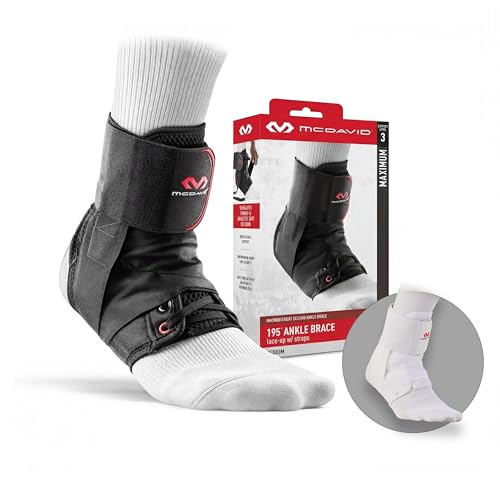
McDavid Lace-Up Ankle Brace with Side Stabilizers
Z ATHLETICS Reinforced Lace Up Ankle Brace

Modvel Foot & Ankle Compression Socks

Med Spec ASO Ankle Stabilizer

INDEEMAX Copper-Infused Ankle Sleeve

Z ATHLETICS Lace Up Ankle Brace
Why These Options Stand Out
The McDavid 195 lace-up leans on a classic figure-8 strap pattern, the same wrapping athletic trainers use to tape a joint before games. The side stabilizers sit on the inside and outside of the ankle, taking some of the load off the midfoot ligaments during side-to-side cuts. It feels snug right out of the package, and most users find it slips into a basketball or volleyball shoe without a fight.
Compared to the lighter compression socks later in this list, this brace is more about locking motion down than soothing it. Runners returning from a midfoot sprain often prefer this level of structure when pavement feels unpredictable. For anyone pivoting on hard courts, the trade-off is bulk, but the stability gain is real.
Everyday Perks
- Figure-8 lacing lets you dial compression to your tolerance, useful on days when swelling fluctuates.
- Side stabilizers absorb some of the twisting force that aggravates a healing midfoot.
- Fits inside most athletic shoes without forcing you to size up.
- Reusable design holds up across seasons of weekend leagues and pickup games.
- Works for both ankle sprains and midfoot complaints where added arch support helps.
Things To Consider
- Lacing takes a minute each time, so it’s not the grab-and-go option.
- Heavier than a sleeve-style brace, which may feel warm in summer leagues.
Feature Snapshot
Who It Suits Best
Court and field athletes returning from a midfoot sprain who need firm motion control during the first few weeks back.
Where Another Pick Suits Better
For runners who want something lighter on long efforts, the Modvel compression sock will feel less intrusive than the McDavid 195.
Where the McDavid focuses on a low profile, this Z ATHLETICS model goes the other direction and adds more material through the heel and arch. The reinforced stitching shows up along the seams, which is the kind of detail you appreciate mid-season when cheaper braces start fraying. Pulling the laces tight gives you the locked-in feel trainers aim for when they tape an ankle.
The bulkier build makes sense during early rehab, when protecting the midfoot matters more than running fast. People managing Achilles tendonitis alongside a midfoot issue often reach for this style because the wrap covers more real estate. If your daily life includes uneven sidewalks, gym sessions, and weekend games, that extra coverage is a quiet perk.
Standout Benefits
- Reinforced stitching extends the working life of the brace through repeated wash cycles.
- Figure-8 lacing pattern mirrors traditional athletic taping techniques.
- Wide wrap covers both ankle and midfoot for combined injury support.
- Side stabilizers limit the rolling motion that delays midfoot healing.
Points To Note
- Heavier construction feels warm in hot environments and during long shifts on feet.
- May require loosening laces for casual walking, since the wrap is aggressive out of the package.
Made For
Athletes stepping back into competition after a moderate sprain who want wrap-around coverage and don’t mind the extra material.
Look Elsewhere When
Pick the INDEEMAX copper sleeve instead for desk days when compression matters more than rigid stabilization.
Compression socks take a different approach: instead of locking the joint down with rigid panels, they squeeze the soft tissue to keep swelling in check. The Modvel sleeve pulls on like a tall sock and hugs the arch in a way that feels supportive without changing your stride. Compared to the lace-up braces earlier, this one practically disappears under a pair of sneakers.
For people managing plantar fasciitis or tendonitis alongside a midfoot sprain, the gentle pressure often feels more forgiving than a structured wrap. Daily commuters and runners logging easy miles tend to favor this kind of low-fuss support. The trade-off is clear: you get comfort and all-day wear, but you give up the rigid side stabilizers of a true lace-up brace.
Notable Upsides
- Slim sock-like profile fits inside dress shoes, casual sneakers, and slip-ons without a fight.
- Calibrated compression supports the arch and forefoot during long days on hard surfaces.
- Pull-on design saves time during rushed mornings or shift changes.
- Stretchy fabric accommodates swelling changes throughout the day.
- Useful for plantar fasciitis, tendonitis, and general arch fatigue alongside midfoot recovery.
Honest Caveats
- No rigid side panels, so it won’t stop a hard lateral roll the way the McDavid or ASO can.
- Fabric can run warm in humid weather; hand washing helps it keep its compression longer.
Quick Facts
Right Fit For
Commuters, retail workers, and runners with mild midfoot complaints who want a low-profile brace they can forget they’re wearing.
Skip It When
Reach for the Med Spec ASO if your doctor flagged true ligament instability, since a sleeve can’t replicate rigid bracing.
The ASO has been a fixture in training rooms for years, and the design shows why: a stabilizing strap locks the heel in place, the laces run up the front, and the ballistic nylon (a tough, abrasion-resistant woven fabric) shrugs off daily wear. Athletic trainers reach for this exact pattern when they want something predictable during return-to-play protocols.
For a midfoot sprain, the ASO’s heel lock is the underrated feature. By stabilizing the rearfoot, it changes how force moves through the arch during walking and running. People rolling back into basketball after a serious sprain often mention this brace specifically. You do give up some of the sock-like comfort of the Modvel sleeve, but the support level is a different category.
The Helpful Details
- Heel-lock strap controls rearfoot motion, indirectly easing strain on the midfoot.
- Ballistic nylon shell holds up to repeated washing and rough gym floors.
- Figure-8 lacing with eyelets keeps tension consistent across the joint.
- Trusted by athletic trainers for post-injury return-to-play phases.
- Crossover appeal for chronic ankle instability alongside midfoot recovery.
Things To Weigh
- Thicker build may not fit every shoe, especially narrow running models.
- Learning curve for the figure-8 pattern on first attempts.
Best Suited To
Recovering athletes with a serious midfoot or ankle sprain who want the brace trainers actually keep in their kits.
Not Your Match When
For everyday office wear, the INDEEMAX sleeve will feel less conspicuous than the ASO’s structured wrap.
Copper-infused knits have a specific job in this category: wick moisture, hold their shape, and stay comfortable against the skin for hours. The INDEEMAX sleeve combines that fabric blend with focused compression around the arch, which matters when a midfoot sprain flares up during a long workday. It feels closer to a performance athletic sock than a medical brace.
People who can’t tolerate the bulk of a lace-up brace often settle into this style for daily wear. Runners logging easy miles and workers spending eight hours on concrete tend to describe it as the brace they forget they’re wearing. The honest read is that it’s a comfort-first pick; serious instability calls for a stiffer option like the ASO.
Strong Points
- Copper-infused nylon blend helps manage moisture during long shifts.
- Spandex content keeps the sleeve snug without squeezing circulation.
- Pull-on style saves time compared to lacing up a structured brace.
- Works under socks and standard shoes for inconspicuous daily wear.
- Targets arch and Achilles support for tendonitis alongside midfoot complaints.
Small Caveats
- Provides compression rather than rigid stabilization, so it suits mild sprains more than severe ones.
- Air-drying recommended to preserve elasticity over time.
Feature Snapshot
Who Will Love This
Workers, casual walkers, and runners with mild midfoot soreness who want a comfortable sleeve they can wear all day.
Swap It Out When
Choose the Med Spec ASO for return-to-sport rehab, where rigid stabilization beats compression alone.
The second Z ATHLETICS pick in this roundup lands in a slightly different spot than the reinforced model. It runs lighter, with the same adjustable lace closure and side stabilizers but trimmed back on overall bulk. For a midfoot sprain, that balance tends to hit a sweet spot: enough structure to feel protected, without the heavier feel of a rehab-focused brace.
This is the brace most people grab for a rec-league game or a weekend hike, not the one they wear during strict rehab. Side stabilizers still keep the rolling motion in check, while the lighter fabric stays tolerable over longer sessions. Compared to the McDavid 195 earlier in this list, the fit and feel are similar, though some users find the Z ATHLETICS cut a touch roomier around the heel.
Useful Strengths
- Adjustable lace closure adapts compression as swelling changes.
- Side stabilizers limit lateral motion during sports and uneven terrain.
- Lighter build than heavy-duty braces for improved comfort.
- Reusable design suited to multi-sport rotation throughout the week.
Practical Considerations
- Lacing takes longer than a pull-on sleeve, so it’s less convenient for quick outings.
- Heel shape may feel loose on narrower feet without re-lacing.
Perfect Match For
Recreational athletes, hikers, and gym-goers who want lace-up support without committing to a heavyweight medical brace.
Another Choice May Suit
For pure daily comfort, the INDEEMAX copper sleeve slips on faster than the Z ATHLETICS lace-up.
Picking The Right Brace For Your Midfoot
A midfoot sprain affects the ligaments across the arch, so the right brace has to support that zone without crushing it. Start by matching the brace style to your day: structured lace-ups for sports, slim sleeves for work, and trainer-grade stabilizers for serious rehab. Compression level matters too, since too-tight wraps can aggravate swelling while too-loose ones barely help.
Compression vs. Stabilization
Compression sleeves like the Modvel and INDEEMAX keep swelling down and provide gentle arch support. They’re a good match for mild sprains, daily wear, and people who can’t tolerate rigid hardware. Stabilization braces like the McDavid and ASO add side panels and figure-8 strapping to control motion, which matters when ligaments are stretched enough that rolling or twisting re-injures them.
Ask yourself whether the bigger issue is swelling or instability. Swelling usually responds to compression, while instability calls for rigid structure. Most midfoot injuries need a window of structured support followed by a return to compression as the joint calms down.
Fit, Footwear, and Activity
A brace that fits over a sock in your kitchen might not fit inside a basketball shoe. Plan around your most demanding activity: thicker lace-ups need wider athletic shoes, while sleeves work under almost anything. If you split time between the gym and a desk, keep both options on hand so you can switch based on the day.
When to Size Up
Barely-noticeable braces often aren’t doing enough, and braces that pinch usually get abandoned in a drawer. Aim for snug compression with room to wiggle your toes. If swelling fluctuates, look for adjustable lacing or stretchy knit fabrics that accommodate changes throughout the day.
Key Considerations Across These Picks
Mistakes Worth Dodging
Buying a heavyweight brace for a desk job often ends with the brace sitting in a drawer. Picking the lightest sleeve for a serious ligament injury leaves the joint unprotected. Match the brace to the worst part of your day, not the easiest one.
Skipping break-in time is another common slip. A new lace-up brace feels stiff out of the package, and tightening it aggressively on day one can irritate the arch. Loosen the laces at first, wear it for short sessions, and dial up compression as your foot adapts.
What Separates Premium From Basic
Premium braces earn their tier through better materials and more thoughtful strap geometry. The Med Spec ASO uses ballistic nylon and a heel-lock strap that cheaper models leave out, which is why trainers reach for it during return-to-play. Reinforced stitching, sturdier eyelets, and anatomically shaped heel cups are the details that hold up across seasons.
Basic braces cover the same idea with simpler materials. They work fine for short-term use or occasional activities, but heavy users tend to replace them more often. Spending up makes sense when a brace becomes part of your weekly routine, not just an emergency tool.
Frequently Asked Questions
How long should you wear a midfoot brace each day?
Most people start with a few hours and work up to wearing the brace during activities that aggravate the foot. Your own comfort and any guidance from a clinician should set the daily limit.
Can a midfoot brace go inside regular shoes?
Slim compression sleeves typically fit any standard shoe, but structured lace-ups need roomier athletic footwear. Trying the brace on with your most-used shoes before committing is a smart move.
Do ankle braces help midfoot sprains specifically?
Ankle braces support the rearfoot and limit rolling motion, which indirectly reduces stress on the midfoot. For direct arch support, pair the brace with footwear that has a firm midsole.
Should you sleep in a midfoot brace?
Light compression sleeves are usually fine for short sleep sessions, but rigid lace-ups are generally removed before bed. Comfort matters more than constant compression once you’re off your feet.
How do you clean a midfoot brace?
Most fabric sleeves do well with hand washing and air drying, while structured braces can be spot cleaned. Heat from dryers tends to shorten the lifespan of elastic and stitched materials.
The Takeaway
A good midfoot brace balances compression, motion control, and comfort for your specific day. Lace-up models like the McDavid 195 and Med Spec ASO carry you through sports and serious rehab, while sleeves like the Modvel and INDEEMAX cover everyday wear. Match the brace to your hardest activity, give it a fair break-in period, and your midfoot will thank you.