A high ankle sprain hits the ligaments just above the joint, the ones connecting your tibia and fibula, and it tends to drag out a recovery far longer than a typical rolled ankle. Whether you’re returning to basketball, walking the dog, or just trying to get through a workday without that deep, throbbing ache, the right brace can take pressure off the syndesmosis (the fibrous joint where those two bones meet) while you heal. The six options below cover everything from lightweight sleeves for daily wear to rigid lace-ups built for serious instability.
A Fast Comparison Of The Options

Sleeve Stars Ankle Brace Men & Women Support

Sleeve Stars Ankle Brace Men & Women Support

Sleeve Stars Ankle Brace Men & Women Support
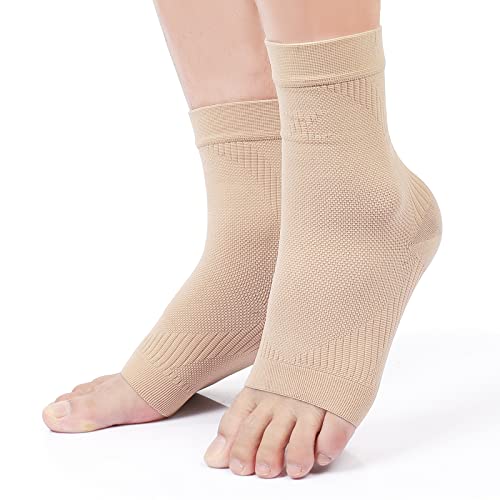
KEKING Ankle Brace Compression Sleeve

ZAMST A2-DX Ankle Brace

Modvel Foot & Ankle Brace Socks
Inside Each Recommended Option
The Sleeve Stars ankle brace is the kind of support that quietly slots into your daily routine without making a fuss. Pulling it over a medium-sized foot (the listed M range runs 10 to 12 inches in arch circumference) and cinching the included wrap over the top lets you dial in how snug the compression feels, which matters when swelling fluctuates through the day.
For a Grade II high ankle sprain where you still need to move around the house or commute to a desk job, this brace offers a middle ground between a thin sleeve and a rigid stirrup. The black colorway hides well under trousers, and the breathable knit seems aimed at all-day wear rather than short athletic sessions.
What Helps Most
- Adjustable wrap strap lets you tune compression on the fly as swelling changes.
- Open-heel knit design slips into most shoes without forcing a size-up.
- Low-profile fabric stays quiet under socks and work pants.
- Hand-washable construction makes repeat use during a long recovery manageable.
Things To Consider
- Lacks rigid side stabilizers, so it won’t fully replace a stirrup-style brace for severe sprains.
- Knit fabric can trap sweat in hot weather; owners commonly rotate between two braces for hygiene.
Quick Facts
Made For
Office workers and casual walkers managing a mid-grade high ankle sprain who want discreet daily compression.
Look Elsewhere When
Your doctor has flagged true chronic instability, since the ZAMST A2-DX offers the rigid side stabilizers this Sleeve Stars pick can’t match.
If the previous black version felt too utilitarian for your wardrobe, this white variant covers the same M-range foot (10 to 12 inches) with an arguably cleaner aesthetic. The knit and adjustable wrap construction carry over unchanged, so the conversation really comes down to color preference and how it pairs with what you already wear.
For someone returning to light activity after a high ankle sprain, the white option reads as more of an athletic or recovery-day piece. It performs identically to the black Sleeve Stars above, which makes it a smart second-brace purchase for rotation rather than a primary upgrade.
Real-World Strengths
- Same adjustable compression wrap as the black version, just in white.
- Neutral tone pairs naturally with gym sneakers and casual sneakers alike.
- Lightweight knit layer slides under a sock without bunching.
Worth Noting
- White knit shows dirt and sweat marks more readily, so plan on more frequent washing.
- Identical support level as the black Sleeve Stars, so it isn’t an upgrade in protection.
Right Fit For
Anyone who likes the Sleeve Stars design but wants a color that matches lighter athletic footwear.
Consider Something Else When
You want noticeably firmer support than a knit sleeve, in which case the KEKING compression sleeve offers a tighter 20-30mmHg graduated fit.
The turquoise version of the Sleeve Stars ankle brace rounds out the color trio and trades a bit of visual subtlety for personality. Functionally it’s the same M-size knit with the adjustable wrap, so the practical comparison with the black and white Sleeve Stars picks stays simple: pick the shade that fits your style and rotate them through your weekly wash cycle.
For a high ankle sprain recovery that involves a lot of couch time and short walks, having a brace you actually enjoy looking at can be a small but real morale lift. The bright tone also makes the brace easier to find if you set it down on a gym bench or in a locker.
What Stands Out
- Vivid turquoise hue is easy to spot in a gym bag or drawer.
- Adjustable wrap strap delivers the same tunable compression as sibling picks.
- M-size arch range (10–12 in) covers a common adult foot width.
Trade Offs
- Bright color won’t suit anyone who wants a low-key brace under formal pants.
- Support level is comparable to the other Sleeve Stars colors, not a step up in stability.
Best Suited To
Active users who rotate multiple braces and prefer something easy to spot in a busy locker room.
Skip It When
You’re shopping for a brace that disappears under business attire, in which case the black Sleeve Stars is the cleaner choice.
The KEKING sleeve steps up from the softer wrap-style Sleeve Stars picks with a graduated compression profile rated at 20-30mmHg. That number refers to the pressure the sleeve exerts at different points along the leg, which in this case means firmer support at the ankle that gradually loosens as it moves up the calf. For a high ankle sprain, that gradient helps push swelling upward rather than letting it pool around the joint.
The knit construction also wraps under the arch and around the heel to support the plantar fascia (the thick band of tissue running along the bottom of your foot). That makes it a versatile pick if your high ankle sprain has come with secondary heel or arch soreness, or if you simply want a sleeve that handles multiple complaints at once.
Everyday Perks
- Graduated 20-30mmHg compression actively encourages swelling to move up the calf.
- Knit design supports the arch and Achilles in one piece, reducing the need for layered braces.
- Smooth sleeve profile fits under sneakers without requiring a half-size-up in shoes.
Points To Note
- Firmer compression can feel restrictive during the first few wears if you’re used to a lighter sleeve.
- Pull-on design takes more effort to fit correctly than the wrap-closure Sleeve Stars picks.
- Tight knit retains heat, so hot-weather runners may find it warm for long sessions.
Feature Snapshot
Who It Suits Best
Active adults managing both ankle swelling and arch discomfort who want a single sleeve instead of layered supports.
Another Choice May Suit
Anyone who struggles with tight pull-on garments during flare-ups should reach for the Sleeve Stars wrap instead, since the strap adjusts without tugging the whole sleeve off.
The ZAMST A2-DX is the most structurally serious pick in this roundup, designed for Grade III sprains (the ones where ligaments are fully torn) and chronic instability. It combines an adjustable lace-up closure with built-in side stabilizers, the rigid plastic stays that run vertically along the medial and lateral sides of the ankle to prevent the joint from rolling. For a high ankle sprain that just won’t quit, this is closer to a rehab tool than a casual sleeve.
This brace is sold specifically for the right foot in a Large size, which makes fit accuracy more important than with the one-size-knits above. Once laced, it provides a locked-in feel that athletes often use during late-stage recovery when returning to cutting or jumping sports.
The Helpful Details
- Rigid side stabilizers physically block inversion and eversion, the two motions that re-tear a healing ligament.
- Lace-up front lets you customize tension across the forefoot, midfoot, and ankle independently.
- Built for chronic instability cases where softer braces have failed to prevent repeat rolls.
Honest Caveats
- Bulkier than any of the sleeve options here, so it requires a roomy athletic shoe.
- Lace-up application takes longer than slipping on a knit sleeve.
- Right-foot and Large-size specificity means sizing down carefully before ordering.
Feature Rundown
Who Should Grab It
Recreational athletes and active adults with documented chronic ankle instability returning to cutting sports after a high ankle sprain.
Swap It Out When
You’re only dealing with mild compression needs and don’t need rigid stays, in which case the KEKING sleeve covers swelling without the bulk.
The Modvel brace takes the sock-style approach one step further than a typical compression sleeve by wrapping the foot and ankle as a single pull-on piece. That construction stays put during the kind of repeated impact that comes with running or quick directional changes, making it appealing for athletes working back from a high ankle sprain.
The calibrated compression is geared toward reducing both swelling and pain, and the breathable knit seems aimed at active wear rather than desk-bound recovery. For runners in particular, this is a more practical everyday option than the bulkier ZAMST A2-DX, even though it doesn’t offer the same rigid protection.
Notable Upsides
- Sock-style fit means it stays in place during running, jumping, and quick cuts.
- Calibrated compression targets both swelling and pain in one garment.
- Lightweight knit layer breathes better than denser neoprene-style braces for long workouts.
- Pull-on design is quicker than lacing up a rigid brace before every session.
Practical Considerations
- Provides compression, not rigid stabilization, so it’s not a substitute for the ZAMST during severe rehab phases.
- Sock-style sizing can run warm in summer and may require rotation with a second sleeve for hygiene.
At A Glance
Whose Shelf It Belongs On
Runners and recreational athletes who need a stay-put compression sleeve for high-movement recovery sessions.
A Better Fit Elsewhere
Anyone whose doctor has prescribed rigid stabilization should default to the ZAMST A2-DX instead, since this Modvel pick won’t physically block harmful ankle motion.
What Matters Most Before Choosing Braces For High Ankle Sprain
Match The Brace To Your Sprain Grade
High ankle sprains range from mild stretching (Grade I) to full ligament tears (Grade III). A knit sleeve or wrap like the Sleeve Stars or Modvel picks handles Grade I and lighter Grade II cases where the goal is compression and proprioception (your joint’s awareness of its own position). The ZAMST A2-DX belongs in conversations about Grade III sprains or chronic ankles that keep giving out, since rigid side stabilizers physically limit the rolling motion that re-tears healing ligaments. Picking the wrong category is the fastest path to a brace that feels uncomfortable without actually helping.
Compression Level And Fit Specifics
Compression ratings, usually expressed in mmHg (millimeters of mercury, the same unit used for blood pressure), tell you how much pressure a sleeve applies. A 20-30mmHg range like the KEKING sleeve offers is a meaningful step up from a generic wrap. Sizing matters just as much: arch circumference guides work for knit sleeves, while structured braces like the ZAMST often require foot-side and size-specific orders. Measure your arch or consult a sizing chart before settling on a Large or Medium label.
Shoe Compatibility And Daily Wear
A brace you can’t fit inside your normal shoes ends up in a drawer. Sleeve options like the Modvel and KEKING slide into most sneakers without forcing a half-size up. The ZAMST A2-DX, by contrast, often requires a roomier athletic shoe to accommodate its rigid stays. Think about the shoes you actually wear to work or the gym before committing to a bulkier option.
Activity Level During Recovery
A desk-bound recovery calls for a soft, low-profile sleeve. A return-to-run plan calls for something that stays put during impact, like the Modvel sock-style or the KEKING graduated sleeve. A return to cutting sports like basketball or soccer at full speed may justify the ZAMST’s rigid protection even though it feels heavier underfoot.
Key Considerations Across These Picks
Pitfalls Shoppers Hit
The most common slip is buying a brace by sprain severity alone and ignoring shoe fit. A rigid stabilizer that doesn’t fit inside your sneakers becomes shelf decoration. Another frequent miss is underestimating how often a brace needs washing during a weeks-long recovery, since daily-wear knit sleeves absorb sweat and benefit from rotation between two pieces.
Where The Extra Money Goes
Higher prices in this category typically buy structural components rather than fancier fabric. The ZAMST A2-DX charges more because of its rigid side stays and lace-up closure system, parts that physically block ankle motion. Compression sleeves with a 20-30mmHg rating tend to cost a little more than basic wraps because the knit is engineered to apply graduated pressure instead of uniform squeeze. Spending up only makes sense if the injury actually needs that extra layer of protection.
Frequently Asked Questions
How long should I wear a brace for a high ankle sprain each day?
Most wearers start with bracing during waking hours and remove it at night unless a clinician has advised otherwise. Duration typically tapers down as swelling fades and range of motion returns.
Can I sleep in a compression sleeve for a high ankle sprain?
Lightweight knit sleeves are generally fine overnight, but rigid braces with side stabilizers should come off before bed. Comfort and skin irritation are the deciding factors.
Are lace-up braces better than slip-on sleeves for high ankle injuries?
Lace-up designs like the ZAMST A2-DX provide more mechanical support and are useful for severe sprains. Slip-on sleeves are easier to wear daily and work well for mild compression needs.
When should I stop using an ankle brace after a high ankle sprain?
Bracing usually tapers off as the joint regains strength and stability, often after several weeks. Returning to full athletic activity without the brace is a common milestone.
Do ankle braces weaken the joint over time?
Used only during recovery or high-risk activity, braces don’t appear to weaken supporting muscles. Prolonged full-time wear without rehab exercises is a separate concern worth discussing with a clinician.
The Takeaway
Your brace should match the severity of your high ankle sprain, the shoes you wear, and the activity you want to return to. Sleeves and wrap-style options cover most daily recovery needs, while rigid lace-ups step in for serious instability. Measure carefully, pick the protection your injury actually calls for, and keep the brace in rotation while you heal.