

If your first steps out of bed feel like walking on glass, you’re not alone. Heel pain from plantar fasciitis, heel spurs, or tight Achilles tendons tends to hit hardest after long periods of rest, and the right brace can turn those brutal mornings into something manageable. The eight options below split into two camps: overnight splints that hold your foot in a gentle stretch while you sleep, and daytime sleeves that support the arch and ankle during work, workouts, or errands.
The Picks In Brief
VOOOLO Plantar Fasciitis Night Splint Sock with Massage Ball (Medium-Black)

Runkelai Plantar Fasciitis Night Splint with Massage Ball (Blue)

Moohome Plantar Fasciitis Night Splint Sock with Arch Support (Black-Red, Medium)
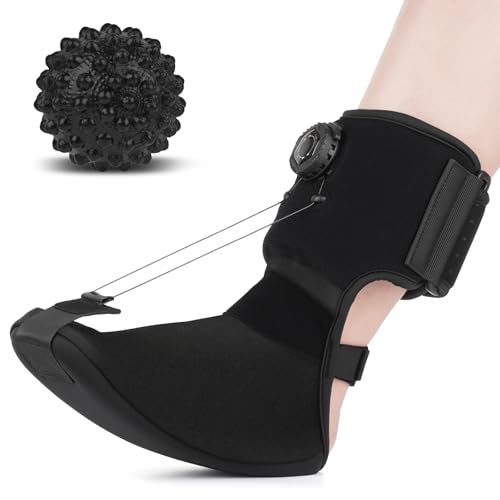
Acankn Plantar Fasciitis Night Splint Sock with Hook Knob Adjustment and Extended Plate (Black, Medium)

CEP Plantar Fasciitis Relief Support Sleeve (Unisex, Pair, III)

Swpcioc Plantar Fasciitis Night Splint Brace and Support
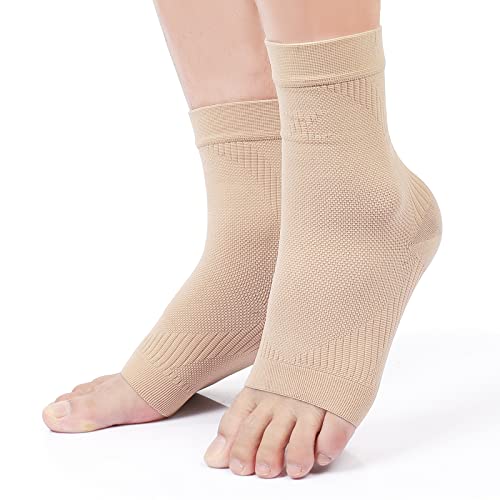
KEKING Ankle Brace Compression Sleeve for Plantar Fasciitis & Achilles

Zamst A2-DX Sports Ankle Brace with Protective Guards (White, Left Large)
Why These Options Stand Out
Where the Swpcioc and most rigid boot splints feel like a cast, the VOOOLO takes the opposite approach: a soft sock-shaped wrap that holds your foot in a gentle stretch through the night. It’s aimed at people whose main pain trigger is that awful first step out of bed, when the plantar fascia has tightened up after hours of stillness. The “dorsiflexion” angle (basically, toe-pointed-up positioning) is mild enough that restless sleepers usually tolerate it.
It includes a small massage ball for working the arch before bed or after waking, which pairs nicely with the splint’s softer hold. Compared to the Acankn below, VOOOLO skips the rigid plastic plate in favor of a fabric shell, trading mechanical intensity for comfort.
A Few Strong Suits
- Low-profile sock design suits side and stomach sleepers who find rigid boots unbearable
- Built-in massage ball lets you roll the arch for pre-bed warm-up
- Adjustable straps accommodate swelling or thicker socks in cold weather
- Soft fabric shell reduces hot spots along the ankle bone during long nights
- Versatile fit helps with plantar fasciitis, heel spurs, foot drop, and Achilles tendonitis
Worth Noting
- Less aggressive stretch than rigid boot splints, so severe cases may need something firmer
- Hand-washing extends lifespan but adds a small chore to your routine
Made For
Folks new to night splints, side sleepers, and anyone whose heel pain flares worst in the morning.
Skip It When
The Runkelai boot-style splint is a stronger match if you want maximum overnight tension and prefer a breathable, structured shell.
The Runkelai earns its spot for shoppers who want a real boot-style splint without the sweaty, trapped feeling some rigid models cause. It’s built for chronic plantar fasciitis, foot drop, heel spur discomfort, and Achilles tendonitis, the four conditions that show up most in user reports on overnight stretching gear. Compared to the VOOOLO sock above, this one is more structured, which means a stronger stretch but a slightly bigger bedside footprint.
Heat tends to be the dealbreaker for night splints, and Runkelai leans into ventilation with a breathable shell and padding layout. Most people find the strap system intuitive within a night or two.
Everyday Advantages
- Open-shell design channels heat away from the foot better than closed foam boots
- Multi-strap layout lets you dial tension at the calf, ankle, and forefoot separately
- Targets four common conditions: plantar fasciitis, heel spurs, Achilles tendonitis, and foot drop
- Includes a massage ball to release tension in the arch before or after wear
- Padded edges reduce rubbing during the natural tossing and turning of sleep
Trade Offs
- Taller profile makes it less comfortable for strict side sleepers
- Buckle and strap hardware may need occasional readjustment as padding compresses
Best Suited To
Hot sleepers and chronic sufferers who want a structured overnight stretch and don’t mind a boot-style fit.
Reach For A Different Pick When
The Moohome sock-style splint is a smarter call if you want something quieter on the foot for restless nights.
The Moohome distinguishes itself with an integrated arch support panel built into a soft sock-style splint, which is the rare combo worth noting. It’s aimed at people on their feet all day, teachers, nurses, retail staff, dancers, and anyone whose arch collapses gradually through a shift. The wrap keeps the foot flexed up overnight while the arch panel reinforces the midfoot where many people feel that burning fatigue.
Versus the VOOOLO above, this version leans slightly firmer through the arch thanks to that reinforcement, but the outer sock still feels low-key compared with rigid boot designs.
Standout Benefits
- Reinforced arch panel supports the midfoot, where most standing-day fatigue builds
- Targets plantar fasciitis, Achilles tendonitis, foot drop, and heel pain in one design
- Soft sock-style build is easier on restless sleepers than plastic boot shells
- Adjustable wrap works for fluctuating swelling across long work shifts
- Low profile fits under a light blanket without bulk
Points To Keep In Mind
- Arch panel may feel intrusive for those with higher arches or sensitive midfoot bones
- Sizing runs closer to standard; users with very narrow heels may want to size down
Whose Shelf It Belongs On
Long-shift workers and people whose arch fatigue builds across the day before flaring at night.
Not Your Match When
The Acankn sock with hook-knob adjustment suits you better if you want fine-tuned stretch control without a fixed arch panel.
The Acankn brings a hardware twist to the sock-style splint: a hook-and-knob tension system plus an extended support plate that runs further up the calf. It’s aimed at people who want the comfort of fabric but the precision of a rigid splint, since the plate delivers the actual stretch while the sock wraps around it softly. The hook knob makes incremental tension changes easier than fiddling with Velcro at midnight.
Relative to the VOOOLO, this is the firmer, more “tunable” option for users who want measurable control over how much their foot is flexed.
Real-World Strengths
- Hook-knob adjustment delivers repeatable, precise stretch intensity
- Extended plate reaches above the ankle for a longer lever and a stronger stretch
- Sock-style wrap keeps edges soft against the skin during long nights
- Targets plantar fasciitis, heel pain, and Achilles tendonitis in one design
- Secure fit holds position even for movers and combination sleepers
Honest Caveats
- Taller plate means a slight learning curve when putting it on
- Knob mechanism adds a small part that owners should check periodically for tightness
Perfect Match For
Tweakers and self-trackers who want to dial in stretch intensity night after night.
Look Elsewhere When
The Swpcioc boot-style splint is a stronger choice if you want multi-strap adjustment and a fully open shell.
The CEP sleeve shifts the conversation from overnight stretching to active daytime recovery. Worn as a pair under socks or athletic shoes, the graduated compression supports the arch while stabilizing the ankle, a different mechanism than the boot splints earlier in this list. Medi compression (the parent company’s medical-grade knit) adds a structured feel that runners and court-sport players tend to recognize.
You wear it during activity, not in bed. Versus the KEKING below, CEP is the more performance-oriented tier with a slightly firmer knit profile.
What Helps Most
- Graduated compression profile supports blood flow during longer workouts
- Soft compressive knit balances arch support with all-day comfort
- Sold as a pair so you can cover both feet during bilateral recovery
- Helps stabilize the ankle alongside the arch for athletes prone to rolling
- Slides under most athletic shoes without adding noticeable bulk
Small Caveats
- Compression knit runs warm in hot climates, so summer runs can get toasty
- Higher compression feel takes a session or two to get used to
Who Should Grab It
Runners, court-sport players, and active folks who need daytime arch support during training.
Where Another Pick Suits Better
The KEKING sleeve is a friendlier budget option for everyday wear without the premium knit feel.
The Swpcioc takes the classic boot-splint route and doubles down on adjustability. Its multi-strap system lets you fine-tune tension across the forefoot, midfoot, and calf, useful when one area pulls harder than another overnight. The design keeps your foot in a gentle dorsiflexion (toes-up) position to ease morning plantar fascia tightness.
It’s aimed at the broadest user profile here: plantar fasciitis, Achilles tendonitis, heel spurs, arch discomfort, and general foot fatigue after long days. Compared to the Runkelai above, the strap layout is the main difference, with this one offering more independent adjustment points.
A Favorable Mix
- Multi-strap adjustment supports personalized stretch intensity across three zones
- Targets plantar fasciitis, heel spurs, Achilles tendonitis, and arch discomfort in one design
- Gentle dorsiflexion position helps reduce that painful first-step stiffness
- Open structure supports airflow better than closed foam boots
- Useful for both nightly stretching and short evening wear sessions
Factors To Consider
- More straps mean more setup time before bed, especially the first few uses
- Bulkier than sock-style options like the VOOOLO or Moohome
The Right Fit
Multi-condition users who want maximum control over where the splint pulls during the night.
Swap It Out When
The Acankn hook-knob sock is a quieter, lower-profile pick if you hate fiddling with multiple straps.
The KEKING sleeve is the practical, budget-friendly compression option for daily wear. Its graduated 20-30 mmHg knit targets foot and ankle swelling, plantar fasciitis discomfort, Achilles stiffness, heel spurs, and general joint soreness, a wider net than most basic sleeves cast. The supportive knit stabilizes the arch and heel during ordinary walking or long shifts on your feet.
Relative to the CEP above, KEKING trades the premium athletic knit for a friendlier price and broader condition coverage. It works well as an all-day companion piece to one of the night splints earlier in this list.
The Good Stuff
- Graduated 20-30 mmHg compression supports circulation and reduces swelling
- Targeted knit stabilizes the arch and heel during everyday movement
- Covers a broad list of complaints: plantar fasciitis, Achilles, heel spurs, bunions, bursitis
- Slips under socks and most casual shoes for daytime wear
- Helpful pair with any of the night splints above for round-the-clock management
Things To Weigh
- Knit may feel thicker than premium athletic sleeves during high-output activity
- Compression profile requires a brief break-in before it feels natural
Built With In Mind
Everyday users and anyone managing swelling alongside heel pain who wants a versatile sleeve under casual shoes.
A Better Fit Elsewhere
The CEP sleeve wins for serious training days where a thinner athletic knit matters more.
The Zamst A2-DX sits at the athletic end of this list, where ankle instability is the bigger worry than morning stiffness. Built for high ankle sprains and chronic instability, it adds a connected plantar strap and a cross-strap that pulls upward from the heel in a figure-eight pattern, locking the joint against rolling during cuts and jumps. It shows up most often in basketball, volleyball, lacrosse, and football circles.
Versus the CEP and KEKING compression sleeves above, this is a rigid semi-hard shell, not a fabric pull-on. It’s the right tool when lateral stability matters more than arch compression.
Practical Advantages
- Protective guards shield the medial and lateral ankle bones during contact play
- Connected plantar strap and figure-eight cross-strap resist inversion and high-ankle roll
- Targeted at the unstable ankle rather than generalized compression
- Designed for high-impact sports where standard sleeves are not enough
- Left-side specific fit improves alignment over generic “one-size” braces
Some Limits To Know
- Bulky compared to compression sleeves, so casual shoe wear is awkward
- Hard-shell guards take time to lace in and adjust before play
Who It Suits Best
Court athletes, competitive players, and anyone returning to cutting sports after a high-ankle sprain.
Where A Sibling Pick Shines
The CEP sleeve is the smarter pick for everyday training where instability is mild and you prefer a low-profile fit.
How To Match A Brace To Your Heel Pain
Overnight Stretch vs. Daytime Support
Night splints like the VOOOLO, Runkelai, Moohome, Acankn, and Swpcioc all work on the same principle: hold the foot in dorsiflexion (toes pointed upward) so the plantar fascia and Achilles tendon don’t shorten overnight. The trade-off is comfort versus stretch intensity, with sock-style options feeling quieter on the foot and boot-style designs pulling harder. Daytime sleeves like the CEP and KEKING use graduated compression to support the arch, control swelling, and stabilize the ankle during activity.
Match The Brace To Your Trigger
Sharp first-step pain in the morning usually responds best to consistent overnight stretching, so a sock-style or boot-style night splint is the more direct fit. Pain that flares during long walks, standing shifts, or runs points toward compression sleeves with arch reinforcement. Chronic ankle rolling or repeated sprains call for a rigid brace like the Zamst A2-DX, where lateral stability outweighs stretch mechanics.
Sizing And Material Notes
Fabric sock-style splints usually run in small/medium/large tiers; measure your foot arch and ankle circumference to avoid a wrap that either bunches up or loses tension overnight. Boot-style splints tend to be more forgiving but check the strap layout before committing. Compression sleeves depend heavily on calf and ankle circumference, and compression that feels firm on day one usually softens into a comfortable fit within a few wears.
Practical Ownership Considerations
Most fabric splints benefit from hand-washing and air-drying to preserve the Velcro and elastic; machine cycles tend to rough up hook-and-loop fasteners over time. Rigid braces like the Zamst require occasional strap checks before each session, since repeated cuts and jumps loosen Velcro faster than ordinary walking does. Massage balls, included with several picks, tend to last longest when kept away from direct sunlight and heat.
Things Worth Knowing Before You Decide
Mistakes Worth Dodging
A common error is choosing a night splint based on maximum stretch intensity, then abandoning it after two nights because it’s too uncomfortable to sleep in. Sock-style designs often deliver gentler but more consistent use over weeks, which matters more than a single intense session. Another trap is treating a daytime compression sleeve like a cure for structural instability; sleeves support and manage, they don’t mechanically lock a high-ankle joint the way a rigid sport brace does.
Where The Extra Money Goes
The premium tier in this category usually buys two things: more refined knit fabrics in compression sleeves and more sophisticated adjustment hardware in night splints. The CEP sleeve, for instance, leans on a medical-grade knit that holds compression longer than budget alternatives. In rigid braces, the Zamst pays for engineered strap geometry and shell protection that generic sleeves simply can’t replicate. The honest read is that the upgrade pays off most when you wear the brace daily or play sports that punish weak ankles, and matters less for occasional evening use.