

A hamstring pull can sideline anyone from a sprinter to a weekend jogger, and the right sleeve or wrap can take a lot of the edge off daily movement. The picks below cover wraps, full-coverage thigh sleeves, and a knee compression option that keeps the joint stable when you’re easing back into activity. Each one earns its spot with a specific strength, so the right match comes down to where you hurt, how active you stay, and how much coverage you want against the skin.
The Main Contenders

supregear Adjustable Thigh Brace for Hamstring and Quad Support
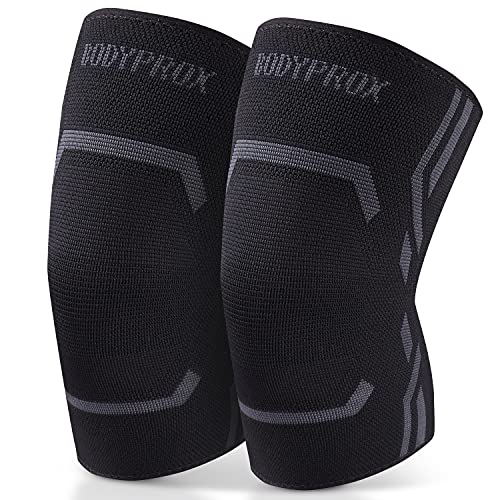
Bodyprox Knee Compression Sleeve for Men and Women (2 Pack)

BODYPROX Thigh Compression Sleeve (1 Pair) for Hamstring Support

BLITZU Thigh Compression Sleeve for Hamstring Support (Medium)

Hamstring Compression Sleeve (Pair) in Copper-Infused Fabric, Black, Small

Pure Athlete Thigh Compression Sleeve with Adjustable Straps for Quad and Hamstring
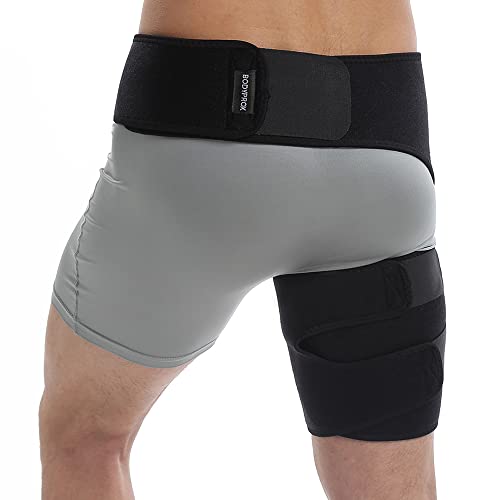
Bodyprox Groin Wrap for Hip, Groin, Hamstring, and Thigh Support
Taking A Closer Look At The Options
When a hamstring feels tight rather than fully torn, a wrap-style brace often works better than a rigid sleeve because you control exactly where the pressure lands. The supregear Adjustable Thigh Brace wraps around the upper leg with a textured neoprene panel that grips the skin and stays put through walking, light jogging, or a long desk day. For anyone returning from a Grade 1 strain, that adjustability matters: you can loosen it for stretching and tighten it before heading out the door.
It targets the hamstring, quad, and groin area in one piece, which keeps your wardrobe simple since you’re not stacking two separate supports. Compared with the Bodyprox Thigh Compression Sleeve below, this brace trades even compression for a more focused squeeze where you actually need it.
What Pays Off
- Wrap-style adjustability lets you fine-tune pressure as swelling drops through the day.
- Textured neoprene exterior grips clothing and skin so it doesn’t migrate during walks or stair climbs.
- Covers hamstring, quad, and groin in a single wrap, cutting down on layered gear.
- Slim profile fits under most pants and shorts for commutes or office wear.
- Lightweight build reduces the bulk that some thigh sleeves add under athletic clothing.
Things To Consider
- Wrap design takes a few tries to position correctly if you’ve never used one before.
- Hand-washing extends neoprene life, so plan on air-drying between sessions.
- Less coverage than a full sleeve, which may feel limiting if you want whole-thigh warmth.
Built With In Mind
Active adults bouncing back from a mild hamstring strain who want adjustable pressure during everyday movement.
Consider Something Else When
If you want a pull-on sleeve with even coverage from mid-thigh to knee, the BODYPROX Thigh Compression Sleeve (item 3) suits that preference better.
Strictly speaking, the Bodyprox Knee Compression Sleeve isn’t a hamstring brace; it sits over the knee joint and supports the patella (the kneecap) rather than the upper leg. Still, it earns a spot because runners and lifters recovering from a hamstring pull often shift stress to the knee, and keeping that joint tracking properly cuts the risk of a secondary injury.
The two-pack format is the real draw: one sleeve for gym days, one as a backup or for the other leg during symmetrical training. Unlike the supregear wrap above, this is a pull-on sleeve, so there’s no strap to learn.
Bright Spots
- Two-pack pricing covers both knees or rotates wash and wear through the week.
- Elastic blend contours to the kneecap and supports patella alignment during impact work.
- Pull-on design needs zero adjustment mid-workout.
- Slides easily into a gym bag and dries quickly after hand-washing.
Worth Noting
- Does not directly compress the hamstring, so it works best as a complementary support rather than the main one.
- Compression level varies by fit accuracy, so sizing up matters more than usual.
Made For
Runners and gym-goers easing back from a hamstring issue who also need joint support at the knee.
Swap It Out When
You want direct hamstring coverage from a sleeve, in which case the BLITZU Thigh Compression Sleeve (item 4) is the closer match.
Pull-on sleeves tend to win on simplicity, and the BODYPROX Thigh Compression Sleeve leans into that strength. It’s built as a pair, so both legs get even compression during symmetric activities like squats or recovery walks. A blend of nylon, latex, and spandex gives it the kind of four-way stretch that moves with your knee rather than riding up behind it.
Where this sleeve differs from the supregear wrap above is in coverage: instead of focused pressure on one zone, you get consistent squeeze across the hamstring and quad at once. That’s a meaningful upgrade for people who feel tightness spreading beyond the original strain site.
Useful Touches
- Targeted relief rather than an all-over squeeze keeps pressure on the hamstring and quad, not the knee.
- Pair format supports balanced gait during walking and light jogging.
- Elastic blend conforms to leg shape without bunching behind the knee.
- Promotes blood flow through the upper leg, which many users rely on during long recovery stretches.
Trade Offs
- Less adjustable than a wrap, so the initial size pick really matters.
- Heat retention can build up during summer runs; mesh shorts help.
Key Specs
Right Fit For
Commuters and home exercisers who want set-and-forget compression they can wear under pants during the workday.
A Better Fit Elsewhere
For runners who need a sleeve that won’t slide on long efforts, the Pure Athlete Thigh Compression Sleeve (item 6) with its silicone grip is a stronger match.
BLITZU leans into the athletic side of recovery, designing this sleeve to keep working when you start returning to actual training rather than just walking around the block. The compression profile focuses on the hamstring and quad together, which matters because a strained hamstring rarely feels great in isolation; the surrounding muscles tend to brace and tighten as well.
Compared with the BODYPROX pair above, this is a single-sleeve option, so you decide whether to buy one or double up. It’s also sold in a clearly labeled medium, which simplifies sizing for shoppers who sit between the two most common fit ranges.
What It Does Well
- Reduces muscle vibration during sprints and lateral cuts, easing post-workout soreness.
- Targeted compression on both hamstring and quad supports surrounding muscle groups during recovery.
- Sized in medium for shoppers who fall between standard and large brackets.
- Lightweight feel under shorts and training tights, even during longer sessions.
Points To Note
- Single-sleeve purchase, so stocking both legs costs more than a pair option.
- Compression can feel firm during the first wear; a brief break-in period is common.
Best Suited To
Returning athletes who want athletic-grade compression without a medical-device feel.
Look Elsewhere When
You need groin and hamstring coverage in one wrap, in which case the Bodyprox Groin Wrap (item 7) covers that need directly.
Some legs get irritated by plain compression knits, and that’s where copper-infused fabric earns its keep. This Vlela sleeve uses copper-threaded yarn for a softer feel against sensitive skin, paired with an anti-slip silicone grip that keeps the sleeve from sliding down during longer wears. It’s sold in small, which is a relief for shoppers with slimmer thighs who often find standard sleeves bunching or rolling.
The trade-off versus the BODYPROX pair above is material weight: copper-infused knits can feel slightly warmer in hot conditions, so this sleeve favors cool-weather training or indoor sessions.
Where It Excels
- Copper-infused knit feels gentle on skin prone to irritation from standard neoprene sleeves.
- Anti-slip silicone grip keeps the sleeve anchored during runs, lifts, and long walks.
- Small sizing options accommodate slimmer thigh measurements without bunching.
- Pair format supports balanced compression on both legs.
Honest Caveats
- Runs warmer than basic nylon-spandex blends, so summer outdoor sessions may feel stuffy.
- Small fit won’t suit anyone with larger upper-leg measurements.
Key Specs
Who It Suits Best
Shoppers with smaller thigh measurements or sensitive skin who want all-day comfort over maximum squeeze.
Reach For A Different Pick When
If you need adjustable pressure for a Grade 2 strain, the supregear Adjustable Thigh Brace (item 1) gives more control than a fixed-fit sleeve.
The Pure Athlete sleeve splits the difference between a wrap and a pull-on sleeve, combining the stretch of a knit with adjustable straps that let you tighten specific zones. That’s useful when swelling shifts through the day: you can re-tension without peeling the whole sleeve off. It also includes a silicone gripper, which addresses the most common complaint about thigh sleeves, namely that they migrate during movement.
Compared with the supregear wrap in slot one, this option delivers more uniform coverage with similar adjustability, so the choice comes down to whether you want a wider wrap or a contoured sleeve shape.
Where It Helps
- Adjustable straps let you re-tension the sleeve as swelling fluctuates.
- Silicone gripper reduces slipping during sprints, lateral work, and stair climbs.
- Covers hamstring and quad together, useful when compensation tightness spreads beyond the original injury.
- Slim cut fits under shorts and tights without bulk at the knee.
Soft Spots
- More components than a plain sleeve, so washing takes a little more care.
- Straps can press into the leg during long sitting periods, depending on how tightly you set them.
Key Specs
Whose Shelf It Belongs On
Active trainers and serious gym users who want sleeve comfort with wrap-style adjustability for changing swelling.
Where Another Pick Suits Better
If your pain sits higher toward the groin and hip, the Bodyprox Groin Wrap (item 7) targets that area more directly.
Hamstring pain sometimes radiates up toward the groin and hip, and a wrap that spans both zones makes more sense than a sleeve that stops at mid-thigh. The Bodyprox Groin Wrap uses two adjustable straps to anchor around the upper thigh and groin, stabilizing the muscles that control hip flexion and leg rotation during walking.
It also covers the sciatic nerve pathway along the upper leg, which can matter when tightness mimics nerve irritation. Compared with the Pure Athlete sleeve above, this wrap is less athletic and more recovery-oriented, favoring controlled daily movement over training output.
The Practical Payoff
- Spans groin, hip, hamstring, and upper thigh in one wrap, addressing pain that radiates upward.
- Two-strap design lets you set different tension on the groin versus the hamstring zone.
- Useful when hamstring tightness accompanies groin pulls or hip flexor strain.
- Low-profile enough to wear under loose pants during desk-bound days.
Points To Keep In Mind
- Less coverage of the lower hamstring, so severe lower-thigh strains may still need a sleeve layered below.
- Wrap design requires re-tightening if you sit for long stretches and stand up repeatedly.
Perfect Match For
Anyone whose hamstring pain tracks up toward the groin or hip, especially after combined muscle injuries.
Not Your Match When
If your strain sits clearly at the mid-hamstring with no groin involvement, the BODYPROX Thigh Compression Sleeve (item 3) covers that zone more directly.
What To Weigh Before Choosing Braces For Hamstring Injury
Wrap vs Sleeve vs Strap-On
Wrap-style braces like the supregear and Bodyprox Groin Wrap give you adjustable pressure, which helps when swelling fluctuates through the day. Pull-on sleeves such as the BODYPROX, BLITZU, and Vlela options deliver even, full-zone compression but require accurate sizing from the start. Hybrid designs with built-in straps, like the Pure Athlete, combine both ideas for shoppers who want the best of each.
Your activity drives the choice: desk days reward low-profile wraps, while higher-output sessions benefit from sleeves with silicone grippers that won’t migrate mid-workout.
Coverage Area
Hamstring strains vary in location. Some sit high near the sit bones, others run along the mid-belly of the muscle, and a few extend down toward the knee. A wrap that covers the upper thigh and groin, like the Bodyprox Groin Wrap, suits high hamstring or radiating pain. A sleeve that ends at mid-thigh, like the BODYPROX or BLITZU, fits mid-belly strains. Knee compression sleeves like the Bodyprox knee option work best as secondary support rather than primary treatment.
Material and Breathability
Neoprene retains heat, which can soothe stiff muscles but feel heavy during summer runs. Nylon-spandex blends breathe more freely and dry faster after hand-washing. Copper-infused knits add a comfort layer for sensitive skin. Climate and skin sensitivity should guide the fabric choice as much as the injury location does.
Sizing and Fit
Compression only works when sizing is right. Measure your thigh circumference at the widest point and check the brand’s size chart before ordering. Wraps sidestep sizing risk through adjustability, while pull-on sleeves demand an accurate fit from day one. When in doubt, erring toward the larger size usually keeps the sleeve wearable even if it feels slightly less compressive.
Where Shoppers Go Wrong With Braces For Hamstring Injury
Pitfalls Shoppers Hit
Choosing a knee brace when the pain lives in the hamstring is a common mismatch, since the knee sits below the affected muscle group. Skipping the size chart and ordering based on clothing size alone leads to sleeves that bunch behind the knee or roll at the top. Another frequent miss is choosing maximum compression for an acute flare-up, when lighter pressure and rest serve better in the first 48 hours.
The Case For Spending Up
Higher-priced options tend to add hybrid straps, silicone grip systems, or specialized knit blends that hold up to repeated washing. These features matter most for daily wearers and frequent trainers, while casual users recovering from a single strain may find a basic wrap or sleeve does the job just as well. Spending up makes sense when the brace will see regular use, not just a one-week recovery window.
Frequently Asked Questions
How tight should a hamstring brace feel?
You want firm, even pressure that you can still feel your skin beneath, without tingling or numbness. If your toes change color or the brace leaves deep grooves, loosen it.
A wrap-style brace lets you adjust tension through the day, which is helpful when swelling drops after the first few days.
Can I wear a hamstring brace all day?
Most sleeves and wraps can be worn during waking hours, though removing them before sleep lets the skin breathe and avoids awkward bunching.
For desk-bound days, low-profile wraps like the Bodyprox Groin Wrap tend to feel less bulky than high-compression sleeves.
Do I need a sleeve or a wrap?
Sleeves deliver consistent compression across the whole thigh and pull on like a sock, while wraps give you adjustable, focused pressure on one zone.
Athletes often prefer sleeves for training, while people managing swelling tend to favor wraps for daily wear.
How do I clean a compression sleeve?
Hand-washing in cool water with mild soap extends the life of any compression garment. Skip the dryer, since heat breaks down spandex and elastic fibers over time.
Air-drying flat on a towel keeps the shape intact, especially for sleeves with silicone grip bands.
When should I stop using a hamstring brace?
Most people taper brace use as pain fades and full strength returns, rather than stopping abruptly. Gentle reintroduction of activity without support helps confirm that the muscle is ready.
Persistent pain beyond a couple of weeks is a good reason to step back from self-management and seek professional guidance.
Bottom Line
A hamstring brace works best when it matches where you hurt, how active you stay, and how much adjustability you want. Wraps give flexible pressure, sleeves deliver even compression, and hybrids add both in one piece. Match the design to your daily routine, and the right pick is the one you’ll actually wear consistently through recovery.