


One wrong step on uneven pavement, and suddenly you’re icing your ankle three times a day, Googling how long a Grade II sprain actually takes to heal. The right brace turns that limbo period into something you can actually live with: support during recovery, confidence on stairs, and freedom to keep moving without re-injuring yourself. This lineup covers light compression sleeves for everyday soreness, slim lace-up designs that fit inside a sneaker, and a serious stabilizer for the heavier end of the spectrum.
The Lineup, Simplified
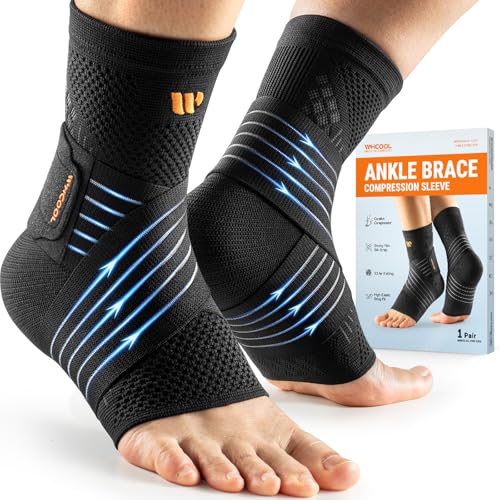
WHCOOL Low-Profile Ankle Braces with Wide Strap

WHCOOL Slim-Fit Ankle Brace with Auto-Shaped Pads

WHCOOL Slim-Fit Ankle Brace in White
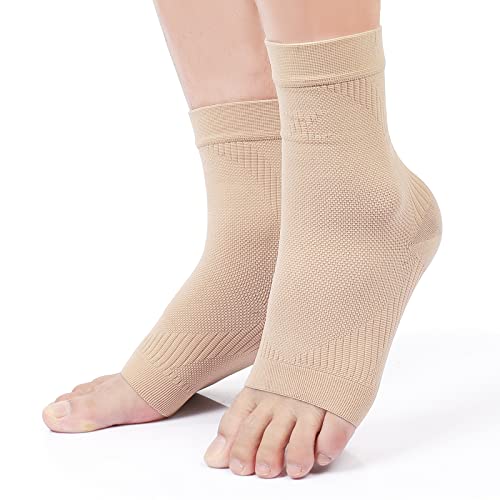
KEKING Ankle Brace Compression Sleeve

ZAMST A2-DX Ankle Brace for Heavy Sprains

Modvel Foot & Ankle Brace Socks
Modvel Slim Lace Up Ankle Brace

Modvel Foot & Ankle Brace Socks with Strap
Taking A Closer Look At The Options
For everyday ankle grumbles, the WHCOOL Low-Profile Ankle Braces with Wide Strap slides on like a sock and stays put with a wide, fully adjustable strap. The knit construction delivers graduated compression, which means the squeeze is firmer at the foot and lighter as it rises up the ankle, encouraging fluid to move back toward the heart instead of pooling at the injury site.
It works well for commuters who roll their ankles on bad sidewalks and weekend hikers coming back from a tough trail. Compared to the lighter WHCOOL lace-up options later in this list, this sleeve adds a customizable strap on top of pure compression, giving you a little more dialed-in tightness when swelling fluctuates through the day.
Positive Takeaways
- Wide strap lets you micro-tune compression without removing the sleeve
- Graduated knit promotes circulation, helpful during long desk sessions
- Low profile fits comfortably inside most athletic shoes and casual sneakers
- Targets the Achilles tendon and arch areas, which commonly tighten up after a sprain
- Pull-on design means no fiddling with laces when you’re already sore
Things To Consider
- Sizing runs tight for users with above-average ankle circumference, so measure before ordering
- The knit fabric can hold odor after sweaty workouts and benefits from air-drying between uses
Who It Suits Best
Active adults managing mild sprains, plantar fasciitis flare-ups, or general Achilles tenderness who want adjustable compression under everyday footwear.
Consider Something Else When
Runners needing rigid lateral support during high-impact training should look at the ZAMST A2-DX Ankle Brace for Heavy Sprains further down the list.
Pick two has the same core build as pick one, but the WHCOOL Slim-Fit Ankle Brace with Auto-Shaped Pads trades the pull-on sleeve for a lace-up design with two self-shaping side pads. Those pads contour around the ankle bones, so the brace hugs the joint without pressing directly on the bony landmarks where a sprain already feels bruised.
For joggers easing back from a rolled ankle or basketball players returning to pickup games, this is the kind of brace that actually slips inside a low-top sneaker. The medium size shown here fits ankle circumferences between 12 and 13 inches, and the air-permeable fabric helps during summer training sessions.
A Favorable Mix
- Side pads mold to your ankle shape for targeted support without bony pressure points
- Quick lace-up closure lets you tighten or loosen in seconds on the sideline
- Slim profile fits easily inside athletic shoes without crowding your toes
- Breathable air fabric reduces heat buildup during long practices
Trade Offs
- Provides moderate support rather than rigid stabilization, so it won’t suit severe ligament tears
- Lace-ups require occasional re-tightening mid-activity, especially as the fabric warms up
- Limited compression compared to the sleeve-style pick above
Made For
Recreational athletes returning from a light sprain who want lace-up confidence inside a regular sneaker.
A Better Fit Elsewhere
People dealing with plantar fasciitis pain will find the KEKING Ankle Brace Compression Sleeve a more arch-focused option.
The third entry is essentially the same brace as pick two, offered in a white colorway and the same medium sizing for ankles between 12 and 13 inches. The WHCOOL Slim-Fit Ankle Brace in White keeps the auto-shaped pads, the air-permeable fabric, and the quick lace-up closure, but the lighter color shows up cleanly under white sneakers or court shoes.
For users who prefer a brace that disappears visually under light-colored athletic wear, this version handles the same light-to-moderate sprain workload. It’s also worth considering for anyone whose skin reacts to dyed fabrics, since white knit usually means less dye contact against the ankle.
Good Reasons To Consider
- Color-matched for white or pastel athletic shoes
- Auto-shaped pads offer the same contoured fit as the black version
- Lace-up system allows for quick adjustments during warm-ups
Points To Note
- White fabric shows dirt and grass stains more readily than darker options
- Shares the same moderate-support ceiling as the black lace-up sibling
Right Fit For
Gym-goers and recreational athletes who want low-key support that won’t clash with light-colored training shoes.
Look Elsewhere When
Anyone needing rigid stabilization for a heavy sprain should consider the ZAMST A2-DX Ankle Brace for Heavy Sprains instead.
The KEKING Ankle Brace Compression Sleeve targets the arch and heel more aggressively than most sleeves in this category, which makes it a strong match for plantar fasciitis and Achilles complaints that travel alongside sprains. The knit fabric uses graduated compression to push swelling up and out of the foot.
It’s a straightforward pull-on design with no straps or buckles, so it works best for office workers, casual walkers, and anyone who needs gentle support from morning to evening. Compared to the WHCOOL sleeve in pick one, this option leans further into arch support and slightly less into adjustable tightness.
Real-World Strengths
- Graduated compression supports the arch during long hours on your feet
- Pull-on simplicity makes it easy to wear under socks without bulk
- Helpful for runners who feel first-step morning stiffness in the heel
Worth Noting
- No adjustable strap, so compression is fixed once the sleeve is on
- Less lateral support than the lace-up WHCOOL options, so it’s not ideal for cutting sports
Best Suited To
People whose sprain recovery overlaps with plantar fasciitis or Achilles stiffness and who prefer a simple slip-on sleeve.
Skip It When
Athletes needing figure-8 strapping for lateral movements should pick the Modvel Slim Lace Up Ankle Brace instead.
Quick Facts
The ZAMST A2-DX Ankle Brace for Heavy Sprains sits at the serious end of this list. It’s built for Grade III sprains, chronic ankle instability, and peroneal tendonitis, with rigid side stabilizers and an adjustable lace-up closure that lets you set the exact level of restriction you need during rehab.
The trade-off is bulk. This brace looks and feels like sports-medical equipment, and you’ll likely need a roomier shoe to fit it comfortably. For users coming back from a serious injury or managing long-term joint looseness, the A2-DX delivers a level of mechanical support that lighter compression sleeves simply can’t match.
The Upside
- Rigid side stabilizers prevent excessive inversion, the motion that caused most ankle sprains in the first place
- Adjustable lace-up lets your clinician or physical therapist dial in progressive support as you heal
- Built for chronic instability, so it doubles as a long-term brace for weak ankles
Honest Caveats
- Bulky profile requires shoes with extra room, so casual sneakers may not fit comfortably
- Right-foot specific sizing, meaning left-foot users need to order the mirrored version
- Overkill for mild sprains, where lighter sleeves handle the job more comfortably
Who Should Grab It
Anyone recovering from a severe sprain, dealing with peroneal tendonitis, or managing chronic ankle instability under a rehab plan.
Another Choice May Suit
For everyday soreness or mild recovery, the WHCOOL Low-Profile Ankle Braces with Wide Strap offers better comfort for daily wear.
Technical Snapshot
The Modvel Foot & Ankle Brace Socks leans into the “sock” part of the name, with a sock-style knit that extends from the foot up over the ankle. Compression is calibrated to manage swelling from plantar fasciitis, Achilles tendonitis, and standard sprains, with no straps or rigid pieces to dig into the skin.
For people who want something that disappears under a pant leg and feels closer to apparel than medical gear, this brace hits a sweet spot. It’s especially handy for travel days, when prolonged sitting and gravity can leave an injured ankle puffy by the time the plane lands.
The Helpful Details
- Sock-like knit slips on quickly, helpful for stiff mornings when bending over is uncomfortable
- Calibrated compression stays consistent without straps that loosen over time
- Useful for travel, long shifts, or any scenario where swelling builds gradually
- Covers the arch and Achilles alongside the ankle joint
Small Caveats
- No rigid support, so it’s the wrong tool for cutting sports or unstable terrain
- Knit fabric can stretch with repeated washing, so most users get the best compression in the first few months of wear
Perfect Match For
Daily wearers managing mild swelling, tendonitis, or low-grade sprains who want comfort over mechanical restriction.
Not Your Match When
Anyone returning to basketball or trail running should choose the Modvel Slim Lace Up Ankle Brace for added lateral protection.
The Modvel Slim Lace Up Ankle Brace takes a page from athletic taping with figure-8 strapping and soft pads on either side of the ankle bone. The lace-up front lets you fine-tune compression, while the figure-8 wrap delivers the kind of lateral stability that basketball, volleyball, and tennis players usually need.
Compared to the softer Modvel sock in pick six, this version is clearly built for active use. The slim cut keeps it inside a court shoe, and the soft pads mean you can lace it tight without that bony ridge right over the talus, where so many braces create pressure points.
Practical Pluses
- Figure-8 strapping pattern mimics traditional athletic taping for lateral support
- Soft pads prevent the lace pressure from concentrating on the ankle bone
- Low-profile design fits inside most athletic shoes without needing to size up
- Works for both recovery days and active return-to-play protocols
A Few Limitations
- Lace-up design takes longer to put on than a pull-on sleeve, which matters on rushed mornings
- Provides moderate rather than rigid stabilization, so it won’t substitute for the ZAMST A2-DX on severe injuries
Built With In Mind
Court-sport athletes and weekend warriors who need lateral ankle support during cutting and jumping movements.
Reach For A Different Pick When
People managing pure arch or heel pain without lateral instability will find the KEKING Ankle Brace Compression Sleeve more targeted.
Feature Snapshot
The Modvel Foot & Ankle Brace Socks with Strap combines the sock-style compression of pick six with an additional adjustable strap, giving wearers the rare ability to crank up support during flare-ups and dial it back when swelling recedes. That hybrid approach works well across the changing demands of a recovery timeline.
For users whose swelling fluctuates day to day, or for anyone who wants a single brace that can serve as both a mild daytime sleeve and a firmer wrap during activity, this design earns its place at the end of the list. Compared to the lace-up Modvel option above, the strap here adds support without the time investment of full lacing.
The Practical Payoff
- Removable adjustable strap lets you change support levels through the day
- Sock base stays comfortable for all-day wear, especially during desk work
- Useful during rehab phases when compression needs shift from day to day
Possible Compromises
- Strap adds a slight visual and weight bump compared to the strapless Modvel sock
- Less rigid than the ZAMST A2-DX, so it isn’t a substitute for severe sprain management
Whose Shelf It Belongs On
Recovering users who want one brace that adapts to changing swelling, activity levels, and rehab phases.
Where A Sibling Pick Shines
People who want maximum lateral protection for high-impact sports should pick the ZAMST A2-DX Ankle Brace for Heavy Sprains.
Key Attributes
Picking The Right Brace For Your Injury Stage
Match Brace Strength To Sprain Severity
A mild stretch of the lateral ligaments needs far less hardware than a Grade III tear with visible swelling. Light compression sleeves like the KEKING Ankle Brace Compression Sleeve or the Modvel Foot & Ankle Brace Socks support circulation and reduce swelling without restricting natural motion, which suits early recovery and everyday comfort. For moderate injuries where you still need to stay mobile, lace-up designs with side pads, like the WHCOOL Slim-Fit Ankle Brace with Auto-Shaped Pads, add lateral stability without the bulk of a rigid brace. Severe sprains and chronic instability call for rigid stabilizers like the ZAMST A2-DX, which physically limits the inversion motion that caused the injury in the first place.
Think About Your Daily Footwear
A brace only works if you can actually wear it with your shoes. Sleeves and slim lace-ups slip inside running shoes, casual sneakers, and most loafers. The heavier ZAMST A2-DX typically requires shoes with removable insoles or a half-size up to accommodate its rigid shell. For users who alternate between dress shoes, work boots, and athletic sneakers, two braces may make more sense than one.
Consider Compression Versus Restriction
Compression sleeves squeeze to manage swelling and improve circulation, which feels gentle and works well for long wear. Stabilizing braces physically restrict joint motion, which protects against re-injury but can feel restrictive during everyday tasks. Your rehab stage usually dictates the right balance. Early on, gentle compression feels better. Returning to sports or unstable terrain demands more restriction.
Plan For Long-Term Wear
Knit fabrics lose elasticity after repeated machine washing, and straps wear out faster than the main body of any brace. Hand-washing and air-drying extends the life of compression sleeves, while rigid braces need occasional strap replacement. If you’ll be wearing a brace for months rather than weeks, build durability into your choice from the start.
Quick Notes Before You Buy
Pitfalls Shoppers Hit
The most common misstep is choosing a brace based on looks alone. A sleeve that looks supportive in photos can turn out to be far too compressive for an ankle still in the swelling phase, or too loose once swelling goes down. Measure your ankle circumference and recheck during the first week, since swelling can shift the fit considerably. Another trap is buying a heavy-duty brace for a mild injury and finding it too bulky to wear consistently, which defeats the purpose entirely.
When Paying More Pays Off
The jump from a basic sleeve to a feature-rich lace-up or rigid stabilizer usually pays off when you need the support to keep moving. Braces with adjustable straps and side stabilizers cost more because they replace taping sessions and clinic visits over the course of recovery. If your sprain is keeping you off the court or out of your running shoes, the upgrade from a simple sleeve to a structured brace often returns that investment by shortening downtime and preventing re-injury.
Frequently Asked Questions
How long should I wear an ankle brace after a sprain?
Most wearers move from rigid support to lighter compression over a two-to-six-week window, depending on sprain grade. You can generally wear a brace during weight-bearing activities for as long as you feel instability, then transition to compression-only sleeves for exercise and travel.
Can I sleep in an ankle brace?
Sleeping in a rigid brace usually isn’t recommended because it can restrict circulation during hours of stillness. Light compression sleeves are often fine overnight, but check with your clinician if you’re managing a fresh injury.
Will wearing a brace weaken my ankle over time?
Extended use of rigid braces without accompanying rehab exercises can reduce active joint strength. Pair any brace with a progressive strengthening routine under guidance from a physical therapist to maintain long-term ankle stability.
Are lace-up braces better than pull-on sleeves?
Lace-ups offer more adjustable support and lateral stability, while pull-on sleeves deliver consistent compression with less hassle. The right choice depends on whether you need variable tightness or all-day comfort.
How do I clean an ankle brace without damaging it?
Hand-washing in cool water with mild soap and air-drying flat preserves the elasticity of knit sleeves and protects the structural elements of rigid braces. Machine washing tends to stretch knit fabrics and weaken hook-and-loop fasteners over time.
Closing Thoughts
The right ankle brace matches your injury’s severity, your daily footwear, and the recovery stage you’re actually in. A sleeve that feels perfect in week one can feel pointless in week four, and a rigid stabilizer that’s overkill for a mild sprain becomes essential for a serious one. Start with honest measurement, think about how you’ll actually wear it, and let the brace work alongside your rehab rather than in place of it.