Sciatica pain has a way of hijacking your day, turning a simple grocery run or desk session into a negotiation with your own body. You want a brace that actually steadies the lower back without turning you into a stiff, sweating mess. The eight options below cover a wide range of designs, from featherlight wraps to rigid medical-grade stabilizers, so you can match support level to how your pain actually shows up.
A Side-By-Side Look
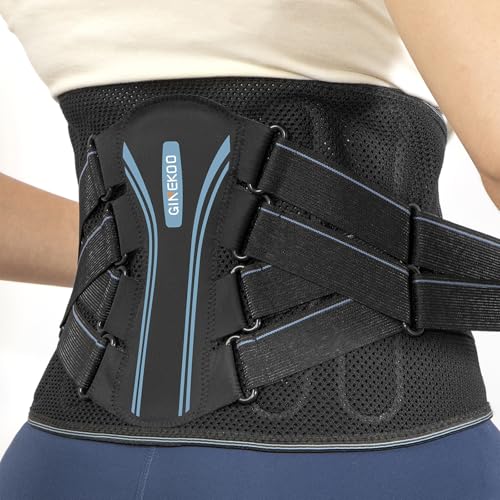
GINEKOO Ergonomic Lumbar Support Back Brace

Rakiie Lower Back Brace for Women 9X System

FEATOL Back Brace with Lumbar Pad (Plus Size)

ZINUU 7X Pulley Back Brace with 3D Pad
FEATOL Back Brace for Sciatica Pain Relief
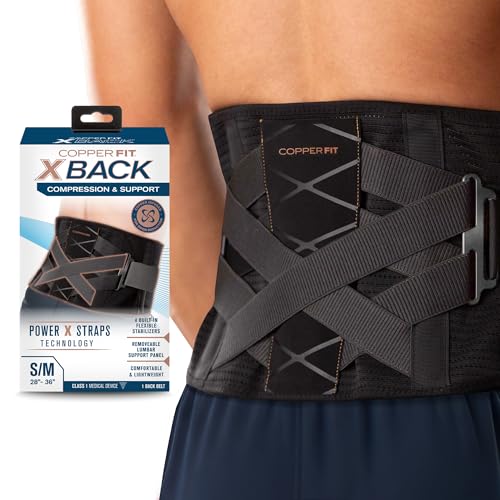
Copper Fit X-Back Brace (Large/XLarge)

VertebrAlign LSO Back Brace L0650

HONGJING Electric Pump Decompression Belt
Why These Options Stand Out
The GINEKOO brace takes a stab at imitating the spine’s natural S-curve, using a contoured panel that hugs the lumbar region rather than pressing flat against it. For someone who logs hours at a desk or behind the wheel, that shape tends to keep the support where it’s actually needed instead of sliding up toward the ribs.
Where the cheaper wrap-style belts feel like a glorified elastic band, this one aims structural support at the L4-L5 zone, the area most often blamed for sciatic flare-ups. You may find it a touch warm under a shirt in summer, but the trade-off is real compression rather than gentle hugging.
Strong Points
- Contoured bionic panel mirrors lumbar curve, keeping pressure on the lower vertebrae
- Firm compression helps during long sitting stretches, like cross-country drives or eight-hour shifts
- Adjustable straps let you tune tightness without removing the entire brace
- Slim enough profile to wear under a loose shirt or light jacket
Worth Noting
- Neoprene-style backing can trap heat during warm-weather wear
- Run slightly small, so measure carefully before settling on a size
At A Glance
Made For
Desk workers, drivers, and anyone whose sciatic pain flares up during long seated stretches who wants targeted lumbar compression.
Consider Something Else When
Pick the Rakiie Lower Back Brace instead if you specifically need a women-tailored cut with extra memory-foam shaping at the waist.
Rakiie builds around a so-called 9X support system, layering four memory aluminum stays, two elastic springs, two PP strips, and a single spine-guiding bar into one wrap. The combo gives the brace a noticeable amount of structure without the rigidity of a full medical corset, and the shape is mapped to a women’s torso rather than a unisex rectangle.
Compared to the GINEKOO above, this one piles on more vertical stays, so it resists rolling and bunching better when you bend or twist. Owners commonly report the gel-touch lining feels easier on bare skin than raw neoprene, though the extra hardware does add a little bulk under tighter tops.
Bright Spots
- Nine-component support stack delivers more structural lift than typical wrap belts
- Women’s-specific cut sits naturally at the waist without riding up
- Gel-lined interior reduces chafing during all-day wear
- Memory aluminum stays hold their shape and resist bending out over time
Trade Offs
- More stays mean slightly more bulk under fitted clothing
- Color and size run specific, so double-check the size chart before ordering
Right Fit For
Women whose sciatica flares up during long standing shifts or household chores and who want a contoured fit instead of a unisex wrap.
A Better Fit Elsewhere
Pick the Copper Fit X-Back Brace if you want a lighter, more breathable option for casual walks and low-intensity days.
FEATOL’s neoprene brace stretches across six waist sizes, from a 24.4-inch S/M up through a 68-inch 4XL and a 74.8-inch 5XL. That range matters because sciatica bracing is unforgiving when the fit is off: too loose and the panel floats around, too tight and the elastic digs in under bending.
The removable lumbar pad lets you decide whether you want a hot spot of pressure at L5 or a softer wraparound feel. In most kitchens or workshops, the pad-on mode works better; on sedentary days at home, pad-off feels easier to forget you’re wearing.
What Pays Off
- Six size steps cover nearly every waist measurement in a household
- Removable lumbar pad toggles between focused and distributed support
- Neoprene shell is flexible enough to bend, sit, and reach without much fight
- Works under an apron, sweatshirt, or work shirt without bunching badly
Some Limits To Know
- Measure at the navel, not the hips, since the chart is waist-based
- Neoprene runs warm during summer or high-exertion tasks
Spec Overview
Who It Suits Best
Anyone whose waist measurement falls outside the standard small-to-large range, especially plus-size users tired of belts that pinch or gap.
Look Elsewhere When
Choose the VertebrAlign LSO Back Brace if your pain is tied to a fracture, post-surgical recovery, or severe kyphosis rather than everyday sciatica.
The ZINUU leans hard into mechanical advantage: a pulley system on each side lets you crank up compression incrementally instead of yanking on Velcro. For sciatica sufferers who need to fine-tune pressure through the day, that pulley makes a real difference between “supportive” and “over-tightened.”
The 3D knit fabric breathes better than solid neoprene, so the brace stays wearable past the two-hour mark. You may find the M size (33.5 to 37.4 inches) lands a touch snug if you sit near the top of the range.
Real-World Strengths
- Pulley system delivers even, adjustable compression without constant re-tying
- 3D knit construction improves airflow over standard neoprene wraps
- Removable lumbar pad adds a pressure point where sciatic nerves typically flare
- Power 4X adjustable strap locks the fit so it doesn’t drift during movement
Honest Caveats
- More mechanical parts mean more pieces to learn when first strapping in
- Smaller sizes may feel tight at the upper end of their listed range
Best Suited To
People who want fine-grained control over compression levels, especially during activities that shift between sitting and standing.
Reach For A Different Pick When
Pick the FEATOL Back Brace with Lumbar Pad if you want simpler Velcro adjustments and a broader size range for household use.
FEATOL’s other model keeps things stripped down: same neoprene build, same removable lumbar pad, same wide size chart as its sibling. The difference is mostly framing: this one is positioned as a general sciatica and lower-back brace rather than a plus-size variant, so it leans into the everyday pain relief angle.
For a user who wants FEATOL’s comfort but doesn’t need the absolute largest size tier, this version lands in the sweet spot. Compared to the ZINUU above, it trades pulley precision for simpler Velcro straps that are easier to manage one-handed.
Standout Benefits
- Removable lumbar pad lets you adjust support intensity through the day
- Neoprene wrap balances flexibility with enough structure to remind you to lift with your legs
- Simple hook-and-loop closure is easy to use, even with limited grip strength
Points To Note
- Velcro can lose grip after months of daily wear, so plan to replace sooner with heavy use
- Same heat-retention caveat as most neoprene braces during summer months
Who Will Love This
Users managing general sciatica or herniated disc discomfort who want a no-fuss brace for daily wear.
Swap It Out When
Choose the ZINUU 7X Pulley Back Brace if you want smoother, more incremental compression control during long workdays.
Copper Fit’s X-Back design splits the support across an upper and lower strap that crisscross at the spine, spreading compression across a wider patch of the back rather than squeezing a single belt line. The result feels less like a vice and more like a gentle, supportive hug.
For daily wear on walks, light errands, or around the house, that distribution tends to feel more breathable than a single wide band. You may find it less aggressive than the FEATOL or ZINUU braces, which is a feature if your sciatica is mild or triggered more by posture than heavy lifting.
A Strong Showing
- Power X strap system distributes pressure across a broader back panel
- Breathable knit construction handles all-day wear better than solid neoprene
- Adjustable upper and lower straps let you dial in tension separately
- Unisex sizing fits most adults in the L/XL or 2XL/3XL range
Things To Consider
- Lighter compression may feel under-supportive during heavy lifting days
- Size upward if you’re between sizes, per the manufacturer’s guidance
Perfect Match For
Walkers, light-activity users, and anyone with mild sciatic discomfort who wants breathable, all-day support without heavy compression.
Where Another Pick Suits Better
Pick the GINEKOO Ergonomic Lumbar Support Brace if you need a sturdier, more contoured panel for desk-bound pain.
The VertebrAlign steps into medical-grade territory. It’s listed as an LSO, short for Lumbar Sacral Orthosis, a rigid or semi-rigid brace category built for fracture recovery, kyphosis management, and post-surgical stabilization. The L0650 code refers to a specific HCPCS billing tier recognized by insurance providers.
The built-in pulley system lets you tighten or loosen the brace with one hand, which matters when you’re dealing with limited mobility. For everyday sciatica from a desk job, this is overkill. For someone recovering from a compression fracture or managing advanced kyphosis, it’s the kind of structural support the soft wraps above simply can’t deliver.
Noteworthy Benefits
- Medical-grade LSO construction provides rigid lumbar-sacral stabilization
- One-handed pulley system simplifies adjustment for users with limited mobility
- Wide waist range (23 to 50 inches) covers most adult body types
- Optional extension panel adapts the brace to taller torsos
Factors To Consider
- Bulk and rigidity make it impractical for sitting at a standard desk all day
- Best worn over a thin undershirt to prevent chafing from the rigid panels
- Overkill for mild sciatica without underlying structural issues
Feature Rundown
Whose Shelf It Belongs On
Anyone recovering from a vertebral compression fracture, managing kyphosis, or stabilizing the lumbar spine after surgery, ideally under clinical guidance.
Skip It When
Choose the Copper Fit X-Back Brace for everyday sciatica from sitting or light activity rather than structural spinal conditions.
HONGJING trades elastic compression for air-based traction. The built-in electric pump inflates vertical air cells that push the spine into gentle extension, creating space between the vertebrae and easing pressure on the sciatic nerve roots. It’s a different mechanism from anything else on this list.
The decompression approach feels closest to what a chiropractor’s traction table does, just miniaturized for home use. You may find it too involved for a quick errand but well suited for a 15-minute recovery session on the couch after a long day.
The Upside
- Electric pump simplifies inflation compared to manual hand pumps
- Air traction gently stretches lumbar region to relieve nerve pressure
- Sessions are short and don’t require lying down at a clinic
- Useful as a complement to physical therapy routines at home
Possible Compromises
- Requires sitting or lying still during use, unlike wearable wrap braces
- Electric pump and air cells are more components to keep clean and stored
Built With In Mind
Users who want to add traction-style decompression to their recovery routine and have time for short, stationary sessions.
Where A Sibling Pick Shines
Pick the FEATOL Back Brace with Lumbar Pad if you need mobile compression you can wear while moving through your day.
What To Weigh Before Choosing A Sciatica Back Brace
Sciatica braces fall into three loose buckets: soft wrap belts with Velcro, semi-rigid stays-and-straps designs, and rigid medical orthoses. Match the bucket to your pain profile rather than chasing maximum structure. A flexible wrap is enough for posture-driven discomfort, while fracture recovery needs the rigid tier.
Compression distribution matters as much as tightness. Designs that concentrate pressure on a small lumbar pad tend to feel more aggressive, while X-strap or wide-band systems spread the load across a larger area for longer wear. Breathability is the other real-world decider. Neoprene holds warmth and moisture, which can bother you during summer shifts or sweaty workouts.
Sizing is where most sciatica brace purchases go sideways. Measure at the navel, not the hips, and trust the waist chart over your usual pant size. A loose brace floats and loses support, while a too-tight one digs in under bending. For adjustable pulley systems, aim for the middle of the size range so you have room to tighten or loosen.
Key Considerations Across These Picks
Mistakes Worth Dodging
Picking a brace based on pant size is the most common slip-up. Waist measurement at the navel is the reliable number, and skipping that step usually means a brace that gaps or pinches. Another trap: assuming a rigid LSO is automatically better. For everyday sciatica from sitting or driving, a soft or semi-rigid wrap is more wearable, and a rigid orthosis just gets in the way.
Why Top Tier Costs More
Premium sciatica braces typically add pulley systems for finer compression control, replace Velcro with mechanical tightening, and use breathable knit fabrics instead of basic neoprene. Medical-grade options like the VertebrAlign add rigid panels and clinical-grade construction for post-injury support. The upgrade pays off when you need all-day wear, precise adjustment, or structural stabilization that soft wraps can’t provide.
Frequently Asked Questions
How tight should a sciatica back brace feel?
Tight enough to feel supportive without restricting breathing or bending. If you can’t take a full deep breath or sit comfortably, the brace is over-tightened for everyday wear.
Can you wear a back brace all day for sciatica?
Most soft and semi-rigid braces are designed for several hours of wear, but all-day use depends on your activity and comfort. Rigid medical braces are typically worn for shorter recovery windows under guidance.
Do back braces actually help sciatica?
Braces help by limiting movements that aggravate the nerve, supporting posture, and providing compression that some users find relieving. They work best alongside movement, stretching, and clinical advice.
What size sciatica brace do I need?
Measure your waist at the level of your navel and match to the manufacturer’s size chart, not your pant size. Most fit issues come from guessing rather than measuring.
Is a rigid brace better than a soft one for sciatica?
Rigid braces suit structural issues like fractures or kyphosis, while soft and semi-rigid braces handle everyday posture-related sciatica better. Match rigidity to the underlying problem.
The Takeaway
The right back brace for sciatica comes down to matching structure to your specific pain pattern. Desk-bound discomfort usually responds to a soft wrap or semi-rigid belt, while structural or post-injury cases need a rigid orthosis. Use the picks above as a starting point, measure carefully, and let the brace support your movement rather than replace it.