

Whether you’re stacking drywall on a job site, hauling moving boxes up three flights of stairs, or loading pavers for a backyard project, your lower back absorbs the punishment long before your arms and legs do. A well-fitted back brace won’t replace proper lifting mechanics, but the right one reminds your core to brace, keeps your lumbar region warm, and gives you a tactile cue when your form starts to slip. The picks below cover light daily support, breathable all-day wear, heavy-duty work belt territory, and posture-focused options, so you can match the brace to the way you actually lift.
The Leading Options At A Glance

Fit Geno Back Brace for Lower Back Pain (Lumbar Support)
SOLOEVER Ultra Breathable Back Brace Medical Grade
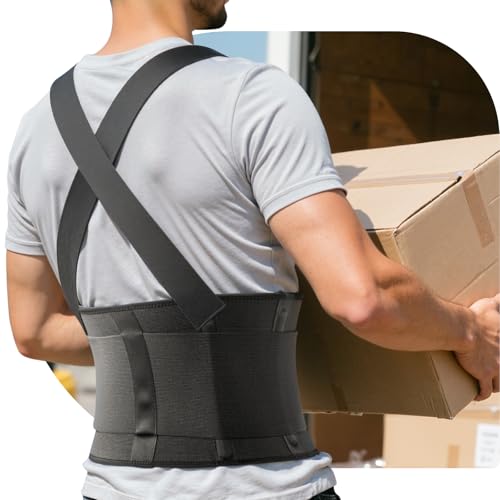
SOLOEVER Work Back Brace Adjustable Lower Support Belt

SOLOEVER Work Back Brace with Suspenders (Grey, Large)

SOLOEVER Work Back Brace with Suspenders (Pink, Large)
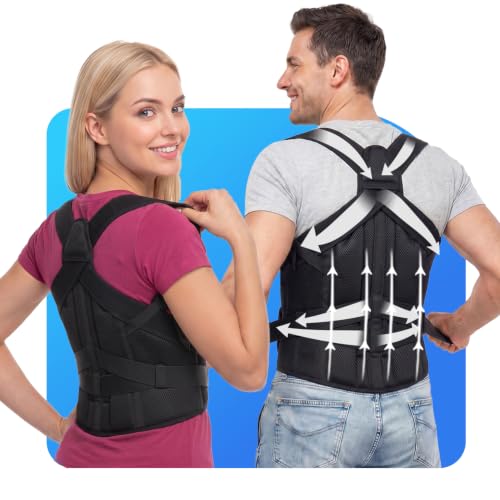
STALLY ONE Posture Corrector Medical-Grade Back Brace
A Breakdown Of The Leading Choices
The Fit Geno brace takes a different angle than the heavy work belts later in this list, leaning toward a slim profile that slips under a shirt rather than over a tool belt. Its defining piece is the integrated lumbar pad, a padded insert that presses into the small of your back and gives you constant tactile feedback when your posture starts to collapse.
For weekend movers, warehouse associates, and anyone whose back pain flares after long days at a desk, that pad is the main reason to choose this option. Compare that to the SOLOEVER work belts coming up, which favor wide wraparound support over targeted lumbar pressure.
Well-Handled Touches
- The built-in lumbar pad targets the spine’s natural curve, helping you stand taller during repeated lifts.
- Slim profile layers easily under a hoodie or work shirt without bunching.
- Adjustable dual-strap fit suits a range of waist sizes, so one brace often fits multiple family members.
- Hand-washable fabric keeps sweat and grime manageable after a dusty job site.
Things To Consider
- Light padding means less structural lift than a true work belt for very heavy loads.
- Hot summer days can leave the back panel damp, since the brace prioritizes support over airflow.
Key Product Details
Who It Suits Best
Daily commuters and weekend lifters with mild lumbar discomfort who want gentle posture reminders under their clothes.
Where Another Pick Suits Better
For sustained warehouse shifts or repeated deadlift sessions, the SOLOEVER Work Back Brace Adjustable Lower Support Belt delivers more rigid side support.
Heat is the silent killer of back brace compliance. The SOLOEVER ultra-breathable option tackles that head-on with a mesh-driven build and a 26-degree bionic spine panel meant to mirror the lumbar curve across the L1 to L5 vertebrae, the five bones that take the brunt of forward bending.
The trade-off shows up in structural stiffness: you sacrifice some of the rigid wrap that the work belts offer for far better airflow. Runners, food-service workers, and anyone lifting in an unconditioned warehouse in July will likely appreciate that swap.
The Good Stuff
- Mesh construction moves heat away from the skin during extended wear.
- The angled spine panel tracks the natural curve of the lower back, easing nerve compression.
- Fits a broad range of waist sizes, useful when households share a brace.
- Lightweight feel makes it tolerable under clothing for a full shift.
Honest Caveats
- Lightweight build offers less lateral stability than the heavier work-belt designs.
- You may find the mesh snags on rough Velcro edges if you toss it in a tool bag.
Feature Snapshot
Made For
Hot-climate lifters and active workers who abandon neoprene braces because of sweat and overheating.
Swap It Out When
If your lifting involves repeated heavy deadlifts or warehouse freight over 50 pounds, the SOLOEVER Work Back Brace with Suspenders gives more rigid containment.
This is where the roundup shifts from gentle posture cues to genuine lifting support. The SOLOEVER Work Back Brace wraps the lumbar region in a wider band designed for physically demanding tasks, with adjustable fit to accommodate different body sizes across a worksite.
Unlike the breathable mesh option above, this brace commits to a more substantial feel that supports the lower back during repeated forward bending. Construction crews, movers, and warehouse pickers will recognize the format right away.
Bright Spots
- Wraparound design distributes pressure across the entire lumbar region, useful for heavy or awkward loads.
- Adjustable sizing means the same brace travels between coworkers without much fuss.
- Reinforced paneling helps maintain posture during hours of repetitive lifting.
Worth Noting
- Bulkier profile makes it awkward to wear under fitted clothing.
- Owners commonly report the brace riding up during deep squats, requiring periodic readjustment.
- Less breathable than mesh alternatives for summer or indoor heat.
Right Fit For
Construction workers and warehouse staff handling heavy or repetitive loads who prioritize structural support over slim wear.
Consider Something Else When
For all-day wear under a uniform, the Fit Geno Back Brace for Lower Back Pain offers a slimmer, more breathable alternative.
The standout feature here is the suspender system, the kind of upgrade that quietly changes how a brace behaves during a long shift. While the basic SOLOEVER work belt relies on its own wrap to stay put, this version anchors over the shoulders to keep the lumbar panel locked in position even when you’re bending, twisting, and reaching overhead.
That stability is the difference between a brace that drifts and one that keeps supporting you through a ten-hour moving job. In our view, the gray colorway leans professional for warehouse settings where you don’t want bright accents catching on machinery.
Notable Gains
- Suspenders prevent the brace from sliding down during forward bending, a common complaint with wraparound belts.
- Provides reliable lower-back support across construction, warehousing, and moving work.
- Adjustable design fits a wide range of body sizes within a single household or crew.
- Targets pain relief associated with sciatica and herniated discs during repetitive lifting.
Trade Offs
- Adding suspenders means a slightly longer setup each time you put it on.
- The heavier build feels warm under work clothing in unconditioned spaces.
Best Suited To
Movers and long-shift warehouse workers who need their brace to stay anchored during continuous bending and reaching.
Look Elsewhere When
For shoppers wanting a similar build in a different color, the SOLOEVER Work Back Brace with Suspenders (Pink, Large) covers the same feature set.
Functionally identical to the gray version above, this pink colorway answers a simple question: what if you want the same suspender-anchored support but in a color that reads differently on a job site? Same adjustable fit, same targeted lumbar support, same stability during long shifts.
That makes this less about unique engineering and more about giving shoppers a real choice between two visual options for the same proven design. For crews where color-coding gear matters, or for shoppers who simply prefer pink over gray, the option exists.
The Practical Payoff
- Identical suspender system to the gray sibling, so the brace stays anchored during bending.
- Adjustable sizing fits various body types across a household or work crew.
- Provides substantial lower-back support for physically demanding tasks.
- Color option supports gear organization on busy job sites.
Some Limits To Know
- Same bulk and warmth trade-offs as the gray version under heavy clothing.
- Color alone does not change performance, so choose it for preference rather than feature differences.
Who Will Love This
Shoppers wanting the suspender-anchored SOLOEVER design in pink, useful for gear color-coding on a worksite.
Skip It When
If you prefer a more neutral look, the SOLOEVER Work Back Brace with Suspenders (Grey, Large) delivers the same build in gray.
The STALLY ONE rounds out this roundup as the most posture-focused pick, and the most removed from heavy-duty lifting. Where the SOLOEVER work belts deliver rigid containment for warehouse shifts, this brace acts more like a coaching tool, a light structure designed to pull your shoulders back and remind your spine to stay aligned.
Recommended wear starts at just five to ten minutes a day, building up gradually. For office workers, remote employees, and students hunched over laptops, that slow ramp makes sense. For someone moving fifty-pound boxes, it isn’t the right tool.
Useful Strengths
- Lightweight design is genuinely wearable under a shirt or sweater for hours.
- Targets shoulder and upper-back alignment, areas that contribute to overall posture habits.
- Easy on and off, useful for quick posture resets between tasks.
- Suitable as a starter brace for people easing into back-support habits.
Where It May Fall Short
- Light structure provides minimal containment for heavy lifting, unlike the SOLOEVER work belts.
- Straps can loosen through the day and require occasional tightening.
Perfect Match For
Office workers, students, and remote employees focused on long-term posture habits rather than heavy-load support.
Another Choice May Suit
For any meaningful lifting workload, the SOLOEVER Work Back Brace Adjustable Lower Support Belt offers the rigid lumbar structure this brace lacks.
What To Weigh Before Choosing A Lifting Back Brace
Start with your real lifting profile. A weekend warrior moving patio stones needs different support than a warehouse picker handling pallets every shift, and a remote employee working on posture needs still less. Pick a brace that matches the load, the duration, and the climate you actually lift in.
Material and breathability matter more than most shoppers expect. Mesh construction, like the SOLOEVER ultra-breathable option, trades some rigidity for airflow. Neoprene and reinforced panels, like the work-belt designs, trap heat but lock down the lumbar region during heavy lifts. If you’ve abandoned a brace before because of sweat, the breathable category deserves a serious look.
Sizing and adjustability decide whether you’ll wear the brace consistently. Look for dual-strap systems or wraparound designs that dial in tension without cinching. Suspender-equipped work belts solve a common frustration: the brace sliding down during forward bending, which interrupts the very support you’re trying to maintain.
Fit also determines whether the brace helps or hurts. A brace worn too loose shifts and chafes. A brace cinched too tight restricts breathing and abdominal engagement, which actually weakens core stability over time. Aim for snug but breathable, the kind of fit you forget you’re wearing.
Finally, think about layering. A slim brace disappears under a hoodie or uniform. A bulky work belt wants room over a work shirt and under a jacket. Match the brace to your typical work clothing before you commit.
Key Considerations Across These Picks
Pitfalls Shoppers Hit
The most common mistake is buying a posture corrector for actual lifting work, a category mismatch that leaves you unsupported when the load gets heavy. The reverse happens too: shoppers grab a heavy work belt for desk work and find it unbearable after an hour. Match the brace’s purpose to your purpose.
Another trap is ignoring the brace’s fit range. Adjustable straps help, but braces sized for one body type still ride up or pinch on others. Measure your waist at the navel and compare against the listed size range before checking out.
When Paying More Pays Off
Premium-tier braces in this category usually add genuine engineering, like the bionic spine panel in the SOLOEVER ultra-breathable option or the suspender anchoring system in the work belts. Those features solve real problems: heat management and brace migration during long shifts.
For casual use, a basic wraparound may be all you need. For multi-hour work sessions where the brace has to stay anchored through hundreds of lifts, the upgrade pays back in comfort and consistency.
Frequently Asked Questions
How tight should a back brace feel during heavy lifting?
Snug enough that you can feel pressure around your lumbar region, but not so tight that you can’t take a full breath. A properly fitted brace supports your core without restricting diaphragm movement, which is what allows your trunk to stabilize naturally.
Can you wear a back brace all day at work?
For breathable mesh designs, all-day wear is realistic in moderate climates. Heavier work belts become uncomfortable after several hours in warm environments. Most lifters rotate brace-on and brace-off periods, wearing the brace primarily during active lifting tasks.
Do back braces actually prevent lifting injuries?
A brace provides external cueing and support, but it does not replace proper lifting mechanics. Squatting with a neutral spine, keeping loads close to your body, and avoiding twisting under load remain the primary injury prevention strategies.
What’s the difference between a posture corrector and a lifting brace?
A posture corrector, like the STALLY ONE pick, pulls shoulders back and trains alignment habits. A lifting brace wraps the lumbar region to support the spine during forward bending and load handling. They address different problems and overlap only slightly.
How do you clean a back brace after sweaty shifts?
Most fabric braces hand-wash in cool water with mild soap and air-dry flat. Skip the dryer, since heat damages elastic and Velcro. Owners commonly report that air-drying preserves the brace’s fit over many more wash cycles.
Bottom Line
The right back brace for lifting depends on what, where, and how much you lift. Match the design to the workload, the climate to your environment, and the fit to your body. Any of the six options above will serve you well, provided you actually wear it consistently during the lifts that matter.