Long hours at a desk, heavy lifting, or simply years of bad habits catch up with your spine before you notice. A well-fitted back brace support can take pressure off tender muscles, remind you to sit taller, and give your lumbar region something to lean on through long days. The six picks below cover upper-back posture trainers and lower-back stabilizers, so you can match the brace to where your body actually needs help.
The Shortlist At A Glance
LERAMED 2026 Figure-8 Posture Corrector Back Brace
Yowayonoe Adjustable Full Back Brace Support

Rakiie Lower Back Brace with 8 Stays

Fit Geno Lumbar Support Back Brace
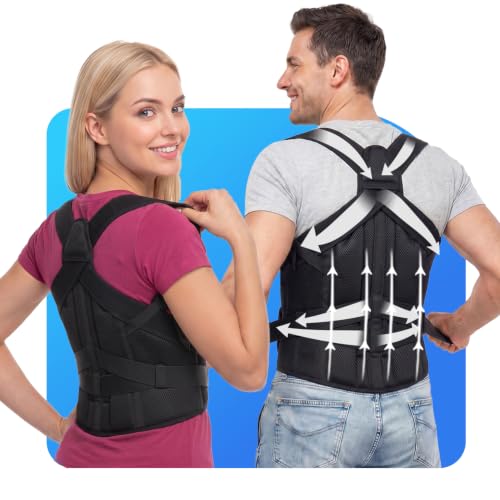
STALLY ONE Medical-Grade Posture Corrector

GROKIE Breathable Shoulder Posture Corrector
Meet The Standout Selections
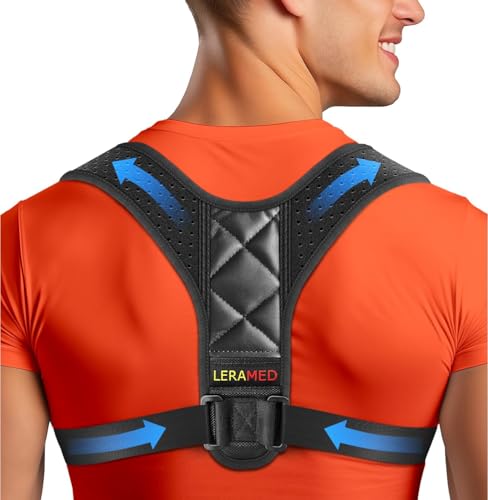
The LERAMED 2026 Posture Corrector takes the classic figure-8 silhouette, the same crossed-strap pattern you’ll see on most shoulder braces, and tries to make it disappear under a shirt. Where it differs from later entries is its focus on the upper back. Rather than cinching your waist, it pulls gently on the shoulder blades to undo the desk-job hunch.
Adjustable straps let you dial tension up or down across the day, which matters more than it sounds. You can loosen the brace during a meeting and tighten it on the commute home. The ergonomic padding where the straps meet your shoulders spreads pressure out, so a full workday doesn’t feel like you’re wearing a sandbag.
Key Advantages
- Figure-8 design targets rounded shoulders without a constricting waistband
- Breathable strap material handles long office days without a swampy back
- Adjustable tension lets you ease in over the first few sessions
- Low-profile shape sits invisibly under a collared shirt or blouse
Worth Noting
- Figure-8 straps can press into underarm skin on sensitive builds, so padding placement matters
- Works best on upper-back slouching, not lower lumbar complaints
- Strap tension can loosen after several hours, requiring a mid-day readjustment
At A Glance
Made For
Office workers, students, and remote professionals who slouch through long screen hours and need a quiet reminder to sit taller.
Consider Something Else When
Shoppers with lumbar pain should reach for the Rakiie Lower Back Brace instead, since it targets the lower spine rather than the upper shoulders.
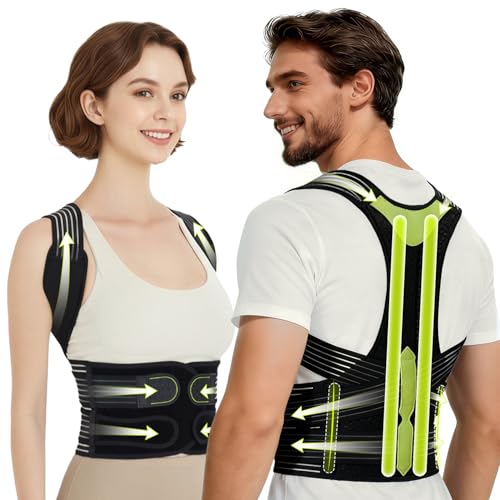
Yowayonoe’s posture corrector is built around two flexible support rods embedded in the back panel. Think of them as gentle training wheels for your spine: they push back when you slouch and relax when you sit upright. That makes it a different beast from the LERAMED figure-8 strap, because the goal here is muscle memory rather than constant pressure.
The “full back” framing means it covers more vertical real estate than a shoulder-only design. You feel contact from upper back to mid-spine, which helps if your slouching habit spreads across the whole column. For most adults, the adjustability range covers a standard frame without much fuss.
Where It Excels
- Dual flexible rods actively train muscle memory, not just position
- Full back panel distributes pressure across a wider surface
- Adjustable straps fit a wide range of torso sizes
Things To Consider
- The internal rods can feel rigid if you’re used to soft fabric braces
- Best worn over a thin shirt to avoid skin irritation along the spine
Quick Facts
Right Fit For
Anyone retraining their posture from the ground up rather than just propping up shoulders for a single workday.
Look Elsewhere When
You need a low-profile, invisible layer for tight clothing, where the GROKIE Breathable Shoulder Posture Corrector fits more smoothly under a button-down.
Unlike the first two posture trainers, the Rakiie Back Brace wraps your lumbar region with serious structure. It leans on eight stays (rigid supports), split between bionic lumbar pieces, memory aluminum strips, and secondary supports, to keep your lower spine from rolling into bad positions during heavy lifting or long drives.
This is the brace you grab when you need real mechanical support, not just a reminder. It’s built for warehouse shifts, gym sessions, and recovery days after a strain. Compared to the Fit Geno brace that follows, the Rakiie offers a wider sizing range, though Fit Geno counters with a dedicated lumbar pad.
The Upside
- Eight stays deliver real structural reinforcement for the lumbar curve
- Broad sizing chart covers waists from roughly 28 to 52 inches
- Suitable for lifting, manual labor, and post-injury support
- Free size exchange offered by the brand to dial in fit
Trade Offs
- Bulky under regular clothing, more visible than figure-8 designs
- Stays need occasional reshaping after months of wear
- Over-tightening the elastic can restrict deep breathing during exertion
Whose Shelf It Belongs On
Construction workers, warehouse staff, weightlifters, and anyone with recurring lower back strain who wants a structured belt over a soft wrap.
A Better Fit Elsewhere
For targeted pad-style pressure on a herniated disc or sciatica flare-up, the Fit Geno Lumbar Support Back Brace puts focus on a smaller, more precise area.
The Fit Geno Back Brace pulls focus to one specific zone: the lumbar pad that sits right against your lower spine. Instead of spreading support across a wide belt, it concentrates pressure where herniated discs, sciatica, and muscle strains tend to scream loudest. For most adults with pinpoint lower-back complaints, that concentrated approach reads more useful than a broad wrap.
It still covers both standing and sitting scenarios, which matters because lumbar pain rarely waits for you to sit down. Compared to the Rakiie’s eight-stay brute strength, Fit Geno trades some rigidity for ergonomic comfort and a slimmer silhouette under clothes.
The Case For It
- Lumbar pad delivers targeted compression to the lower spine
- Ergonomic shape supports natural spine alignment during long sits
- Slim enough to wear beneath a loose sweater or jacket
- Useful for herniated discs, sciatica, and general muscle strain
Honest Caveats
- Less structural than multi-stay braces during heavy lifting
- Pad can shift if the belt isn’t snugged tightly enough
- Hand-washing extends fabric life but adds maintenance steps
Best Suited To
Adults managing diagnosed conditions like sciatica or disc issues who want focused lumbar compression during everyday tasks.
Skip It When
Your main concern is heavy lifting in a warehouse or gym, where the Rakiie Lower Back Brace offers more stabilizing structure.
The STALLY ONE Posture Corrector leans into the medical-grade framing, suggesting higher-grade materials than the standard fabric strap. It targets both men and women, with a design that ramps up over time: start with brief daily sessions and gradually build to longer wear as your muscles adapt.
That’s a different philosophy from the Yowayonoe rod-based trainer reviewed earlier. Where Yowayonoe pushes back actively when you slouch, STALLY ONE focuses on building awareness through consistent, gradual exposure. You may find this gentler approach easier to stick with for months.
Strengths Worth Knowing
- Medical-grade construction targets durability over months of daily wear
- Gradual wear protocol suits first-timers easing into posture training
- Unisex design accommodates a wide range of body shapes
Points To Keep In Mind
- Higher-tier materials can mean a stiffer feel out of the package
- Requires consistent daily sessions to see meaningful posture change
- Less suited for acute injury support compared to lumbar braces
Feature Snapshot
Perfect Match For
Committed posture trainers who want a sturdier brace and are willing to follow a progressive wear schedule over weeks.
Reach For A Different Pick When
You need something lighter and more breathable for casual wear, where the GROKIE Breathable Shoulder Posture Corrector tends to feel less noticeable.
The GROKIE Posture Corrector rounds out the list with a comfort-first approach. Its breathable construction and invisible-under-clothes shape target the same rounded-shoulder problem as the LERAMED, but with different priorities: lower visibility, lighter feel, and a sizing range aimed at chest sizes from 32 to 45 inches.
For computer-heavy days where you don’t want a noticeable brace peeking out from a collar, this one earns its place. You trade some of the LERAMED’s structural rigidity for a softer, more wearable experience across eight-hour shifts.
Everyday Wins
- Breathable material keeps the upper back cool during long sessions
- Sits invisibly under fitted shirts and blouses
- Adjustable straps accommodate chest sizes from 32 to 45 inches
- Comfortable enough for full workdays in office settings
Less-Strong Areas
- Less corrective force than figure-8 braces with firmer tension systems
- Best suited for upper-back slouching, not lower lumbar pain
- Strap edges can curl on certain shirt fabrics after repeated wear
Who Should Grab It
Professionals who want gentle daily posture support without a visible bulk under business attire or knit tops.
Swap It Out When
You need active muscle-training feedback during wear, where the Yowayonoe Adjustable Full Back Brace Support offers a more responsive approach.
What To Weigh Before Choosing Back Brace Supports
Posture problems rarely live in one spot. Upper-back slouching from desk work is a different animal than lower-back strain from lifting, and the brace you pick should match where your pain actually starts. A figure-8 shoulder trainer like the LERAMED pulls the shoulder blades back gently, while a lumbar belt like the Rakiie or Fit Geno wraps your lower spine with structural support. Mixing them up wastes money without solving the real issue.
Sizing matters more than brand names. Measure at the navel for lumbar braces or around the chest for posture correctors, then check the manufacturer’s chart before clicking. Most lumbar supports list a range in inches (waist circumference), and a brace that’s too loose won’t transfer pressure where you need it.
Consider the wear scenario before the feature list. Office workers need invisible, breathable designs they can keep on for eight hours. Lifters and manual laborers need rigid stays and a wider belt that anchors the lumbar curve. Frequent flyers should look for low-profile braces that won’t bulk up under a seatbelt or jacket.
Materials affect both comfort and durability. Breathable mesh straps suit warm climates and long days, while medical-grade fabrics tend to last longer under daily wear but can feel stiff at first. Look for adjustable tension in any brace, since your needs will likely shift as posture improves or symptoms change.
Common Shopping Slip Ups and Upgrade Tradeoffs
Pitfalls Shoppers Hit
Buying a lumbar brace when the problem is upper-back slouching is the most common mix-up. Posture correctors with shoulder straps won’t help a herniated disc, and lumbar belts won’t undo years of rounded shoulders. Match the brace to the body region first, then refine by features.
Another trap is sizing by shirt size instead of actual measurements. Brace sizing charts use waist or chest circumference, and a “medium” in one brand can equal a “large” in another. Skipping the tape measure leads to braces that slide, dig in, or simply don’t transfer the support they promise.
Where The Extra Money Goes
Higher-tier braces tend to invest in better fabrics (medical-grade knits versus basic polyester) and more sophisticated internal structures (memory aluminum stays versus simple plastic). The upgrade shows up in durability after months of daily wear, and in how the brace handles sweat, washing, and repeated adjustment.
You also pay for ergonomic refinement in the premium tier. Things like contoured lumbar pads, smoother strap edges, and graduated tension systems usually live above the entry-level price. Whether that matters depends on how long you’ll wear the brace each day: for casual users, basic designs often hold up fine; for all-day wearers, the comfort upgrades earn their keep.
Frequently Asked Questions
How long should I wear a back brace support each day?
Start with short sessions of 15 to 30 minutes and build up gradually as your body adapts, since overdoing it early can cause muscle fatigue rather than improvement.
Can a posture corrector fix rounded shoulders permanently?
A brace trains awareness and supports your muscles during wear, but lasting change depends on strengthening exercises and ergonomic habits outside the brace.
Are lumbar braces safe to wear while exercising?
Light activity is generally fine, but heavy lifting with a brace should follow proper lifting form and ideally guidance from a healthcare professional.
How do I clean a fabric back brace?
Most fabric braces do best with hand-washing in mild soap and air-drying flat, since machine washing can warp internal stays and weaken elastic.
Will a back brace weaken my core muscles over time?
Worn excessively without active strengthening, any brace can reduce natural muscle engagement, so balance brace use with core exercises.
Wrap Up
The right back brace support comes down to matching the brace to your specific complaint: upper-back posture trainers for slouching, structured lumbar belts for lifting pain, and targeted pads for sciatica or disc issues. Try the brace on over a thin shirt first, and ramp up wear time slowly over the first couple of weeks. Your spine will tell you fairly quickly whether the fit and support are working.