Whether you’re logging miles, hoisting a barbell, or nursing a cranky patella back to health, the right knee brace changes how a workout feels. Knees take a beating across running, lifting, basketball, and hiking, and the support you choose should match the way you actually train. This roundup covers nine solid athletic knee braces built for distinct use cases, so you can match your situation to a strap or sleeve that actually helps.
A Fast Comparison Of The Options

Movary Patellar Tendon Support Strap 2-Pack with 3 Adjustable Straps

Back on Track Physio Knee Brace 4-Way Stretch 1107 (X-Large)

PUPTUT Patellar Tendon Support Strap, Dual-Strap Silicone Knee Brace

Iron Bull Strength Knee Wraps for Weightlifting, 80-Inch Elastic

DR. BRACE ELITE Knee Brace with Side Stabilizers and Patella Gel Pads
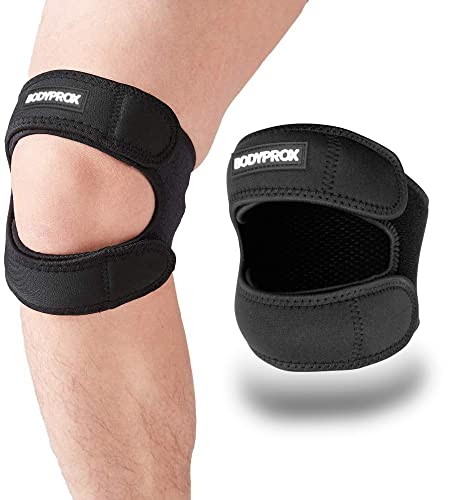
Bodyprox Patellar Tendon Support Strap (Large), Adjustable Neoprene
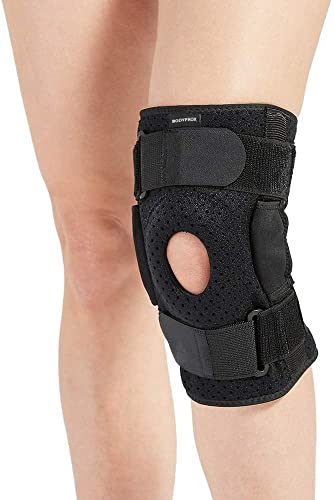
Bodyprox Hinged Knee Brace for ACL, Tendon, Ligament and Meniscus Injuries

MAXVIVA Patellar Tendon Support Strap, Knee Brace for Women and Men

Bodyprox Patella Tendon Knee Strap 2 Pack, Knee Pain Relief Support Brace
The Details Behind The Selections
The Movary patellar tendon strap is aimed squarely at people whose knee pain sits just below the kneecap rather than deep inside the joint. The pad lands directly over the patellar tendon (the thick band connecting your kneecap to your shin), which is where runner’s knee and jumper’s knee tend to flare up. It’s a focused approach, not a wraparound sleeve, so the knee itself moves freely while the tendon gets a steady nudge of compression.
What separates this pick from a single-strap option is the three adjustable straps included in the box. You can swap lengths to match your leg shape or your preferred tightness, which matters when one strap feels right for a short recovery walk and another feels right for basketball. Hook-and-loop closures keep adjustments quick between sets or runs.
What It Does Well
- Targeted pad below the kneecap addresses patellar tendon pain without restricting overall knee motion.
- Three swappable strap lengths help you dial in fit across different activities and leg shapes.
- Two-pack value covers both knees or gives you a spare for the gym bag.
- Wear-resistant build holds up well under daily running and frequent gym sessions.
- Lightweight feel under clothing, so it works for stair-heavy workdays too.
Things To Consider
- This strap focuses compression below the kneecap only, so it won’t help with lateral or deep joint pain where the Bodyprox Hinged Knee Brace offers more coverage.
- Hook-and-loop closures can collect lint and lose grip over many wash cycles, so owners typically hand-wash and air-dry to extend life.
Who It Suits Best
Runners, basketball players, and gym goers dealing with tendon pain right below the kneecap will find this the most useful single-purpose option on the list.
Where Another Pick Suits Better
For deeper ACL or ligament support during recovery, the Bodyprox Hinged Knee Brace offers a more structured, full-joint solution.
The Back on Track Physio Knee Brace takes a different angle than the patellar straps earlier in this list. It wraps the whole knee in a 4-way stretch sleeve and uses what the brand calls Welltex technology, a fabric treatment claimed to reflect body heat back as far-infrared energy. Translation: the sleeve aims to gently warm the joint while it compresses, which is the part most users care about on chilly mornings or post-workout stiffness.
Elastic rings at the top and bottom of the sleeve help it stay put during movement, which is a real concern with full-coverage wraps. The X-Large sizing suits thicker thighs where smaller sleeves tend to roll down mid-run.
A Few Highlights
- Full-joint compression with elastic stay-put rings at the cuff edges.
- Welltex fabric technology aimed at circulation and warmth around stiff joints.
- 4-way stretch material adapts to squat depth and bending without bunching.
Worth Noting
- Single pack only, so outfitting both knees means ordering twice or pairing with another brace.
- Slip-on sleeves require careful sizing, and improper fit is the most common cause of bunching reported by owners.
Made For
People managing general stiffness or recovering from minor strains who prefer warm, full-joint compression over a slim tendon strap.
Consider Something Else When
Powerlifters chasing heavy squat support will want the elastic rebound of the Iron Bull Strength Knee Wraps instead.
The PUPTUT strap keeps things lean: one strap, dual-anchor design, silicone pad that grips the skin just below the kneecap. Where the Movary pick swaps in multiple strap lengths, this one doubles down on a single secure wrap with two anchor points. The silicone insert is the practical difference, since it prevents the strap from sliding down your shin during longer runs or court sessions.
It’s the kind of low-profile brace you forget you’re wearing until the support kicks in mid-activity. For runners and hikers who hate fussing with readjustments, that grip matters more than any feature list suggests.
Useful Highlights
- Dual-strap anchoring keeps the silicone pad centered on the patellar tendon.
- Silicone grip resists slipping during high-movement sports like basketball or trail running.
- Single-strap simplicity makes it fast to put on between training sets.
Trade Offs
- One-size tension may feel tight on smaller knees or loose on larger ones, so sizing up or down is the most common workaround.
Best Suited To
Active users who want a no-fuss patellar strap that stays put on the move and costs less than a multi-strap system.
Look Elsewhere When
Anyone needing warm, full-joint compression will find the Back on Track Physio Knee Brace covers more of the knee.
The Iron Bull Strength Knee Wraps exist in a totally different category from the patellar bands earlier in this list. These are 80-inch elastic wraps you spiral around the knee before heavy squats, designed to store energy as you descend and help you rebound out of the hole. Powerlifters and serious gym athletes reach for this style of wrap specifically for the rebound, not for general support.
Wrapping takes practice, and the wrap tightness is highly dependent on the lifter’s experience. New users often wrap unevenly the first few sessions, which can feel awkward until the technique clicks.
Noteworthy Benefits
- 80-inch length provides enough material for thick, supportive wrapping on most lifters.
- Elastic rebound helps drive you out of the bottom position during heavy squats.
- Built specifically for powerlifting and strength-focused training rather than casual use.
Honest Caveats
- Wrapping technique has a learning curve, and uneven wrapping is the most common early-session complaint.
- Not designed for running, jumping, or casual daily wear where the patellar straps above make more sense.
Who Should Grab It
Serious lifters chasing heavier squats and leg press numbers who understand how to wrap for rebound and compression.
Skip It When
Casual gym users or runners will find the DR. BRACE ELITE Knee Brace more practical for everyday training sessions.
The DR. BRACE ELITE sits in the middle of the lineup, balancing structure with everyday wearability. It combines flexible side stabilizers (those rigid strips running down each side of the knee) with a silicone gel pad over the kneecap, all wrapped in a high-elastic fabric sleeve. The result is a brace that limits lateral wobble while still letting you bend through full range of motion.
It suits people whose knee pain isn’t limited to one tendon but spreads around the joint, especially during long workdays or extended walks. Non-slip silicone strips inside the cuff help anchor it during movement.
The Helpful Details
- Side stabilizers limit lateral motion without locking the knee into a rigid brace.
- Gel patella pad cushions the kneecap during kneeling or stair-heavy days.
- High-elastic fabric plus silicone grip strips reduce the bunching common with full sleeves.
Points To Keep In Mind
- Sizing runs specific, and the brand recommends checking the size chart carefully before ordering.
- Bulkier than patellar straps, so it may feel warm under trousers in summer.
Quick Technical Notes
Perfect Match For
People with mild knee instability or patellar tracking issues who want everyday support without the bulk of a hinged brace.
Reach For A Different Pick When
Recovering from a serious ligament injury, the Bodyprox Hinged Knee Brace offers heavier-duty mechanical support on both sides of the joint.
The Bodyprox patellar tendon strap is built for athletes who bounce between impact sports and need a strap that can keep up. Neoprene (a stretchy, slightly insulating synthetic rubber) wraps around the knee with a single adjustable band, and a small pressure pad sits right on the patellar tendon. It’s a familiar design that has stuck around because it works across running, tennis, basketball, and hiking without changing form.
The Large size is the right call for athletic builds, though smaller knees may want to size down. Compared to the Movary pick earlier, this strap sticks to one configuration and trusts you to fine-tune via the hook-and-loop closure.
Useful Strengths
- Neoprene material adds mild insulation that helps in cooler training environments.
- Adjustable closure adapts to swelling that varies day to day.
- Single-strap design is quick on and off between sets or matches.
Small Caveats
- Neoprene can feel warm during hot-weather running, and most users find it breathes less than knit alternatives.
- Large size only in this listing, so smaller athletes should look elsewhere.
The Right Fit
Court-sport and tennis players with athletic builds who want a single adjustable strap for everyday tendon relief.
Swap It Out When
Runners who prefer silicone grip against the skin will likely prefer the PUPTUT dual-strap design.
The Bodyprox Hinged Knee Brace is the heaviest hitter on this list. Built around metal hinges on both sides of the knee, it controls medial and lateral motion (the side-to-side wobble that follows ligament injuries) while still allowing natural bending. Where the patellar straps above focus on tendon pain, this brace is aimed squarely at post-injury recovery and joint instability.
It’s bulkier than the sleeve options above, but the trade-off is real mechanical support. For ACL, MCL, LCL, or meniscus recovery, that bulk is the whole point.
Points In Its Favor
- Metal side hinges restrict lateral motion during recovery from ligament injuries.
- Adjustable straps let you tune compression across the knee as swelling changes.
- Heavy-duty construction handles daily wear during longer rehabilitation periods.
Trade-Offs To Consider
- Bulk and weight make it poor for running or jumping sports, where lighter patellar straps fit better.
- Heat and sweat buildup inside the brace is a frequent owner complaint during summer use.
- Fit demands careful sizing, and an incorrect match limits how well the hinges track.
Whose Shelf It Belongs On
Anyone working through ACL, meniscus, or ligament recovery who needs real mechanical control rather than light compression.
A Better Fit Elsewhere
Daily wear without serious instability calls for the lighter, lower-profile DR. BRACE ELITE instead.
The MAXVIVA strap leans hard into the comfort side of patellar support. The silicone pad is high-elastic and molds to the knee over time, which is the difference between a strap that feels clinical and one that feels like part of the joint after a few sessions. It’s lightweight enough for daily walks, stair-heavy workdays, and low-impact gym sessions.
Versus the PUPTUT strap earlier in this list, MAXVIVA trades the dual-anchor system for a softer pad and simpler wrap. For users who hate the feel of tight hardware against the skin, that trade is worth it.
Features That Help
- High-elastic silicone pad softens with body heat and molds to the kneecap area.
- Lightweight build works under trousers or joggers without bulk.
- Single-strap design keeps application quick for non-athletic daily routines.
Possible Compromises
- Single-anchor wrap can migrate during high-impact sports where the PUPTUT strap holds firmer.
Who Will Love This
Walkers, hikers, and anyone needing gentle tendon support through long days on their feet rather than through competitive sport.
Not Your Match When
Runners logging serious mileage may prefer the Movary three-strap system for fit precision.
The Bodyprox 2 Pack closes the list with a simple value play: two straps in one box. The fit range covers roughly 13 to 18 inches of knee circumference, which handles most adult legs without fuss. Each strap uses the classic single-wrap design with a built-in pressure pad over the patellar tendon.
It’s not fancy, and it doesn’t try to be. Two straps means you can outfit both knees, keep a spare in the gym bag, or share with a training partner. That redundancy is the entire appeal.
Reasons It Performs
- Two straps per pack cover both knees or supply a backup for travel and gym bags.
- 13 to 18 inch circumference range fits a wide spread of adult leg sizes.
- Adjustable hook-and-loop closure lets you tune compression as needed.
Where It Is Less Suited
- Basic single-strap design lacks the silicone grip of the PUPTUT strap for high-movement sports.
- Materials are entry-level, and owners commonly report replacing them sooner than premium alternatives.
Built With In Mind
Budget-focused shoppers or households where multiple people need a patellar strap on hand.
Another Choice May Suit
Runners wanting durable, long-term gear should step up to the Movary three-strap system.
What Matters Most Before Choosing Athletic Knee Braces
The first question to ask is where the pain actually lives. Patellar tendon straps target the band right below the kneecap, which makes them the right call for runner’s knee, jumper’s knee, and patellar tendinitis. Sleeve-style braces spread compression across the whole joint, so they suit general stiffness, mild instability, and post-workout recovery. Hinged braces go further still, controlling side-to-side motion for ligament and meniscus injuries where mechanical support is non-negotiable.
Activity level shapes the next decision. High-impact sports like basketball and tennis reward straps with silicone grip and dual anchors, since single-strap designs tend to migrate. Strength training calls for longer elastic wraps that store and return energy through the squat. For low-impact daily wear, lightweight straps or thin sleeves disappear under clothing and stay comfortable through long workdays.
Sizing and adjustability matter more than people expect. Slip-on sleeves in particular demand accurate measurements, and even adjustable straps can run tight or loose depending on knee shape. Where possible, prefer designs that include either multiple strap lengths or wide hook-and-loop ranges, since swelling and activity intensity both shift fit over the course of a week.
Finally, think about maintenance and lifespan. Hook-and-loop closures collect lint and lose grip with machine washing, so hand-washing and air-drying is the practical norm. Neoprene straps insulate well but breathe poorly in summer, while knit sleeves run cooler but offer less padding over the kneecap. Matching the material to your climate and sport is often the difference between a brace you keep reaching for and one that ends up at the back of a drawer.
Key Considerations Across These Picks
Common Shopping Slip Ups
The biggest mistake is choosing a brace based on the injury name alone. A patellar strap won’t help lateral ligament pain, and a hinged brace is overkill for everyday tendon soreness. Matching the brace type to the location of the pain is the move that actually changes how training feels. Skipping sizing checks is the next common trap. Sleeve braces especially need accurate knee circumference, and ordering by habit rather than measurement is the most common reason for bunching, sliding, or uncomfortable pressure.
What The Higher Tier Buys
Spending more in this category generally buys materials, hardware, and fit range. Premium braces use higher-grade neoprene, denser silicone pads, and metal hinges that survive years of daily wear. Cheaper straps often use lighter hook-and-loop and thinner stitching, which works fine for occasional use but wears out faster under daily training. The upgrade is worth it for anyone training four or more days a week, since replacement costs on basic straps add up quickly compared to one well-built option that lasts.
Frequently Asked Questions
How do I know if I need a strap, sleeve, or hinged brace?
If the pain sits below the kneecap on the tendon, a strap is usually enough. If the pain is more diffuse or you feel general instability, a sleeve gives broader compression. Hinged braces are reserved for ligament or meniscus injuries with real mechanical instability.
Can I wear a knee brace all day?
Light patellar straps and thin sleeves are generally fine for daily wear, but hinged braces are usually reserved for active periods or recovery windows. Skin irritation and sweat buildup are the practical limits, especially in warm weather.
Do knee braces weaken the muscles around the knee?
Used appropriately, braces support the joint without replacing muscle work. Long-term reliance on a brace during regular training without addressing strength and mobility can reduce how much the surrounding muscles engage, so most coaches pair bracing with targeted rehab exercises.
Will a patellar strap help with arthritis pain?
Patellar straps target the tendon rather than joint cartilage, so they help when tendinitis overlaps with arthritis symptoms. For broader arthritis relief, a sleeve-style brace that wraps the whole joint usually feels more useful day to day.
How tight should an athletic knee brace feel?
Firm enough to stay in place and provide noticeable compression, but not so tight that it cuts off circulation or causes numbness behind the knee. You should be able to slide one finger under the strap or cuff when it’s on.
Closing Thoughts
The best athletic knee brace is the one that matches where your knee hurts and how you actually train. Start with the location of your pain, match the brace style to your sport, and pay attention to fit and material before chasing brand names. The right strap or sleeve will fade into the background of your training, which is exactly what good support should feel like.