Flat feet don’t always hurt, but when they do, the ache tends to creep in by mid-afternoon, settle into the heel, and follow you home. Shoppers dealing with that pattern often find that off-the-shelf gel pads flatten out within a month, while the right arch support reshapes how the foot strikes the ground. I pulled together seven options across rigid, cushioned, and corrective styles to match different foot shapes and daily routines.
A Fast Comparison Of The Options

IWELA WATER High Arch Support Insoles (Size XL)

FLYSTORY 4D Cloud Insoles (XL, 2 Pairs)

TEGA Silicone Toe Separators (Large)

TEGA Morton’s Extension Carbon Fiber Insole
TEGA Carbon Fiber Insole with Arch Support
TEGA Carbon Fiber Insole for Turf Toe
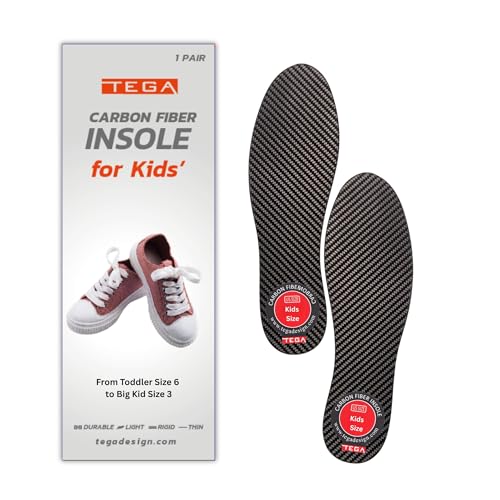
TEGA Kids’ Carbon Fiber Insoles (Big Kid 3)
Taking A Closer Look At The Options
Built around a firm TPU arch shell (a tough thermoplastic plate that holds its shape under load), the IWELA WATER High Arch Support Insoles target shoppers who want a noticeable lift rather than a squishy pillow underfoot. The XL size maps to men’s 8.5–9.5 and women’s 10.5–11.5, and the brand rates it for users 220 lbs and up, which signals extra reinforcement in the arch and heel zones.
For flat-footed commuters and warehouse workers, the corrective shape matters more than plush cushioning: plantar fascia pain often traces back to a low arch that collapses inward, and a rigid cradle can take pressure off the band of tissue running along the sole. Compared to the cushioned FLYSTORY pick below, this one trades softness for structure, so it feels less spa-like and more orthopedic on the first walk.
Strengths Worth Knowing
- Firm TPU arch shell maintains its lift through a full work shift without flattening
- Rated for 220 lbs and up, which speaks to denser construction in the heel post
- Targeted shape helps reduce the inward roll common with flexible flat feet
- Fits standard work boots and casual lace-ups without trimming in most cases
Things To Consider
- Firm feel can take a week of short wear periods before the foot adapts
- Runs small in some shoe profiles, so measuring the existing footbed first is smart
Key Specs
Who It Suits Best
Heavier adults and anyone logging long shifts on concrete who want real arch lift rather than foam cushioning.
Consider Something Else When
The FLYSTORY 4D Cloud Insoles suit shoppers who prefer a soft, memory-foam feel under a flatter arch cradle.
The FLYSTORY 4D Cloud Insoles lean into cushion over correction, pairing an ergonomic arch shape with a PU foam top layer (a soft, springy synthetic foam that rebounds under weight) and shock-absorbing structure. The pack includes two pairs in XL, covering men’s 6.5–7.5 and women’s 8.5–9.5, so casual wearers can rotate between work and weekend shoes.
Flat-footed shoppers who find rigid orthotics too aggressive often land on memory-foam picks like this one. The arch contour still nudges the foot into better alignment, but the surface feels closer to a sneaker sockliner than a clinical plate. Compared to the IWELA WATER pick above, it trades durable structure for a softer first step, which suits office workers, teachers, and parents on the move.
Real Benefits
- PU memory foam top layer cushions the heel through long days of standing
- Ergonomic arch cradle reduces strain without the rigid feel of a hard plastic shell
- Two-pair pack stretches the value across multiple shoes
- Lightweight enough to slip into running shoes without weighing them down
Honest Caveats
- Foam compresses faster than rigid alternatives, so plan on replacing every few months
- Lighter corrective feel may not satisfy shoppers needing firm heel control
- Trim-to-fit may be needed for narrow dress shoes
Made For
Walkers, retail workers, and anyone easing into arch support with a softer profile and a budget-friendly two-pack.
Look Elsewhere When
Heavier adults needing firm structure should look at the IWELA WATER High Arch Support Insoles instead.
The TEGA Toe Separators break from the insole format entirely: soft silicone spacers slip between the toes to ease crowding, reduce bunion pressure, and encourage a more natural foot splay. The large size fits adult feet dealing with overlapping toes, hammertoes, or chronic forefoot pain that flares after long shifts in tight dress shoes.
Flat-footed shoppers often overlook the role of the forefoot in overall comfort. When toes collapse inward, the arch follows, so gentle alignment at the front of the foot can complement the rear-foot support of an insole. Unlike the IWELA WATER and FLYSTORY picks, this TEGA entry is worn barefoot around the house, after workouts, or during evening wind-down routines rather than inside a shoe.
The Helpful Details
- Soft silicone flexes with the foot instead of pinching between toes
- Reusable design rinses clean with mild soap and water
- Wearable during stretching, yoga, or barefoot time at home
- Large size accommodates wider adult feet with overlapping toes
Points To Note
- Not a substitute for in-shoe arch support during daily walking
- Wearing them inside closed shoes may cause crowding
Best Suited To
Shoppers with bunions, hammertoes, or forefoot crowding who want gentle nightly correction.
Swap It Out When
Runners who need in-shoe correction should consider the TEGA Carbon Fiber Insole with Arch Support for combined arch and heel control.
Where cushioned insoles aim for comfort, the TEGA Morton’s Extension Orthotic is a precision tool: a rigid carbon fiber plate that extends beneath the big toe to restrict its bending motion. The W10/M9 trim covers women’s 10 and men’s 9 foot lengths, with additional sizes available to match different footbed measurements.
This design serves a specific crowd, namely people with Morton’s toe (a longer second metatarsal that throws off forefoot balance), turf toe injuries, hallux limitus or rigidus (stiff or locked big toe joints), and arthritis at the first joint. It does not deliver arch lift in the traditional sense. Instead, it caps how far the toe can flex, taking pressure off the sore joint. Compared to the broader TEGA arch plate below, this one is targeted, medical, and unforgiving in feel.
Notable Gains
- Rigid carbon fiber plate resists bending across the forefoot for joint offloading
- Trimmable sizing across women’s 6 through men’s 9 foot lengths
- Sold as a full pair, with one for each foot or a spare
Worth Bearing In Mind
- No cushioning layer, so adding a soft top cover is common
- Sizing requires measuring and removing the original insole first
Quick Facts
Who Should Grab It
Shoppers with Morton’s toe, turf toe, or stiff big-toe joints seeking targeted forefoot restriction.
Skip It When
General flat-foot runners wanting arch lift should pick the TEGA Carbon Fiber Insole with Arch Support for broader correction.
The TEGA Carbon Fiber Insole with Arch Support is the most versatile plate in this roundup: a rigid shell combined with memory foam cushioning, a gel heel pad, and a breathable fabric top cover. Sizing spans women’s 6–9 and men’s 4.5–7.5, with extra options for larger feet, so it fits a wide spread of running and cross-training shoes.
Flat-footed runners often need both lift and impact absorption, and this TEGA entry tries to deliver both at once. The deep heel cup stabilizes the rear foot, while the arch contour tackles overpronation (the inward rolling of the ankle during each step). Compared to the plain athletic plate in pick 6, this one trades a touch of rigidity for everyday comfort.
The Good Stuff
- Carbon fiber base paired with memory foam for a hybrid feel underfoot
- Gel heel pad absorbs impact during longer runs and court sessions
- Deep heel cup holds the rear foot steady on hard pavement
- Breathable fabric top layer helps on warm training days
Trade-Offs To Consider
- Adds noticeable height inside the shoe, which can affect fit in tighter sneakers
- Heavier than a pure foam insert, so casual shoes may feel bulky
Feature Snapshot
Right Fit For
Recreational runners and gym-goers with flat feet or overpronation who want cushion and structure in one plate.
A Better Fit Elsewhere
Shoppers needing a stricter, no-cushion athletic plate should look at the TEGA Carbon Fiber Insole for Turf Toe in pick 6.
The TEGA Carbon Fiber Insole for Turf Toe strips the cushioning layer for a pure rigid plate, the same approach trainers and rehab specialists use to keep the forefoot from flexing after injury. It fits women’s 5–7 and men’s 6 ranges, with extended sizes for larger athletic profiles.
This pick is less about daily comfort and more about protecting a healing foot. Court players, hikers, and trekkers recovering from turf toe or hallux rigidus often slip these in to limit how far the big toe bends on push-off. The trade-off is that it feels hard underfoot, so it is rarely an everyday casual-wear option.
Reasons It Performs
- Stiff carbon fiber shell resists bending during explosive court and trail moves
- Lightweight plate adds minimal bulk inside basketball or hiking shoes
- Sold as a pair for bilateral use or a spare
Points To Keep In Mind
- No foam top layer, so comfort relies on the shoe’s existing sockliner
- Not designed for casual everyday wear or low-impact walking
The Right Fit
Athletes recovering from forefoot injuries who need a protective plate during return-to-play drills.
Where Another Pick Suits Better
Flat-footed runners wanting everyday correction should turn to the TEGA Carbon Fiber Insole with Arch Support in pick 5.
The TEGA Kids’ Carbon Fiber Insoles target a specific pediatric concern: idiopathic toe walking (habitual tiptoeing with no clear medical cause). The rigid plate sits beneath the existing insole, encouraging the heel to strike first by making toe-off harder to sustain. Sizing covers little kid 9.5 through big kid 13, with this listing covering Big Kid 3.
Pediatricians and pediatric orthopedic specialists often recommend this kind of plate as part of a broader gait-correction plan, which is why I included it alongside the adult corrective picks. Parents should view it as one tool in a larger conversation with a clinician, not a standalone fix.
Key Advantages
- Rigid carbon fiber discourages tiptoe gait over weeks of consistent wear
- Slips beneath the original insole rather than replacing it
- Handcrafted build sized for growing feet from little kid through big kid
Where It Is Less Suited
- Not a substitute for pediatric evaluation when toe walking is persistent
- Hard plate changes shoe fit, so dedicated athletic shoes often work best
At A Glance
Perfect Match For
Parents working with a clinician to address childhood tiptoe walking with an at-home gait tool.
Reach For A Different Pick When
Adults recovering from forefoot injuries should pick the TEGA Carbon Fiber Insole for Turf Toe for a similar but grown-up fit.
What Matters Most When Choosing Arch Supports For Flat Feet
Match The Support Type To The Foot Shape
Flat feet fall on a spectrum. Some collapse fully under load and need a firm plastic shell; others are simply flexible and benefit more from cushioned contouring. A rigid TPU or carbon fiber plate gives the strongest lift, while memory foam insoles offer comfort without aggressive correction. Pickers who can press a thumb into the arch and feel it sink should usually start with rigid support, while those with mild flattening often do well on foam.
Think About Where The Insole Will Live
A thick, cushioned insole may overwhelm a snug dress shoe or a low-volume running sneaker. Slim carbon fiber plates slip into tighter athletic profiles without squeezing the toes. Consider the closet first: most flat-footed shoppers rotate between work boots, casual shoes, and trainers, so a multipair pack like the FLYSTORY set or a single corrective plate may serve different wardrobes better.
Pay Attention To Heel And Forefoot Cues
Heel pain and forefoot pain point to different needs. Aching heels usually respond to deep heel cups and gel padding, while sore forefeots benefit from Morton’s extension plates or rigid shells. Shoppers with chronic big-toe stiffness should think rigid and unyielding, not soft.
Size By Footbed, Not Just Shoe Size
Different brands size their insoles differently, so removing the existing footbed and measuring its length is the most reliable approach. Trim-to-fit plates add flexibility, but foam inserts usually need a close match out of the package to avoid bunching or sliding inside the shoe.
Key Considerations Across These Picks
Mistakes Worth Dodging
Shoppers often grab the cheapest foam insert and assume any cushion equals support. The honest read is that a flat foam pad usually flattens further under a low arch, leaving the foot in the same position a month later. Another common trap is wearing a rigid orthotic inside a shoe that’s too tight, which compresses the toes and undoes the arch benefit. Measuring the existing footbed and picking a shoe with a removable insole gives the corrective plate room to do its job.
Where The Extra Money Goes
Premium plates in this category tend to invest in carbon fiber shells, contoured heel cups, and layered gel or memory foam systems rather than thicker foam. The upgrade payoff shows up over months of wear: a denser shell holds its shape under daily load, while a cheaper foam insert compresses and loses lift. For heavier adults, athletes, or anyone dealing with chronic pain, that durability difference is usually the deciding factor.