

A bunion changes the way a shoe feels. The bump at the base of the big toe grinds against the upper, the arch collapses inward to compensate, and by evening the whole forefoot aches. I have talked to plenty of people who describe that slow build-up of fatigue, and the right insole usually softens the arc of the day more than any gel pad or toe spacer will.
The seven options below cover different priorities: custom-fit comfort, plush cushioning for long shifts, firmer medical-grade correction, and athletic support that still respects a sore joint. None of them will reverse a bunion, but the right pair can change how a shoe treats the rest of the foot.
The Shortlist At A Glance

Dr. Scholl’s Custom Fit Orthotics 3/4 Length Inserts CF 110

FLYSTORY 4D Cloud Insoles Arch Support (XL, 2 Pairs)

GoSkala Professional Medium Arch Support Inserts for 230+ lbs

PowerStep ProTech Full Length Orthotic Insoles

PowerStep ProTech Control Orthotic Insoles

MOVE Game Day Performance Insole
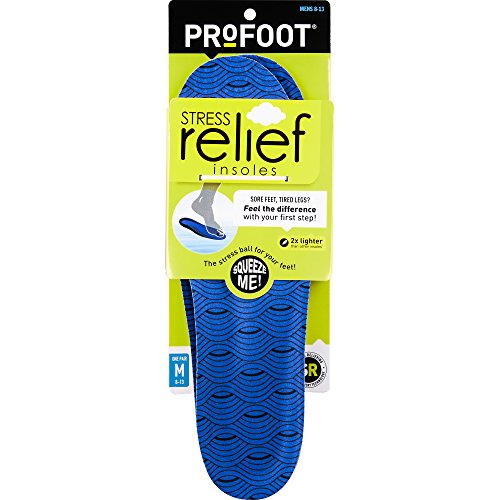
Profoot Stress Relief Insole Men’s 8-13
More Details On Our Top Picks
What separates this Dr. Scholl’s insert from most drugstore foam pads is the mapping step. You stand on a pressure mat at the retailer, the system reads your arch height and pressure distribution, and the insole that comes out of the box is shaped around that reading rather than a generic medium arch. For a bunion sufferer whose big-toe joint collapses inward, that asymmetry is the whole point.
The 3/4 length leaves the toe box uncluttered, which matters when the forefoot already feels crowded. It slides into dress shoes, loafers, and casual sneakers without forcing a fit adjustment. Compared to the FLYSTORY 4D Cloud Insoles further down, this is a more corrective, less cushy design.
The Value In It
- Arch shape is matched to your pressure profile at the fitting, so the lift actually fits where your foot needs it.
- The 3/4 cut leaves extra room for a swollen forefoot or a wide toe box.
- Reported to address heel, arch, knee, lower back, and general fatigue in one piece.
- Moves between shoes easily, so one set can serve a rotation of footwear.
Honest Caveats
- The custom-fit step depends on the retailer’s machine being calibrated; without that step you are back to a generic shape.
- Not a full-length insole, so the forefoot cushioning is thinner than what the FLYSTORY 4D Cloud Insoles offer.
Built With In Mind
People juggling heel, knee, and arch discomfort who want one insole that addresses the whole lower chain.
Skip It When
Shoppers wanting plush, memory-foam cushioning under the ball of the foot should look at the FLYSTORY 4D Cloud Insoles instead.
Where the Dr. Scholl’s pick leans corrective, the FLYSTORY 4D Cloud Insoles go soft. The PU foam (a flexible polyurethane foam) compresses under the forefoot and rebounds slowly, which feels almost therapeutic during a long shift on concrete. The arch contour is sculpted into the foam rather than built as a separate plastic shell.
Two pairs ship in the box, so you can drop one set in work shoes and another in weekend sneakers without swapping. For a bunion, the cushioning matters because a softer forefoot lets the big-toe joint sit in a less pinched position with each step. Compared to the GoSkala insert that follows, this one is far less rigid.
What Pays Off
- Memory-foam feel that absorbs the sting of tile and concrete floors.
- Two pairs per order makes it easy to keep work and casual shoes covered.
- XL sizing covers men’s 10.5-12 and women’s 12-plus footprints.
- Listed to address plantar fasciitis, heel discomfort, flat feet, and bunion-related pressure.
Trade-Offs To Consider
- The soft build flattens faster than firmer orthotics, so expect to replace them more often than the PowerStep ProTech inserts.
- Thick foam can crowd tighter shoes; you may need to remove the stock insole first.
Feature Snapshot
Made For
Servers, teachers, healthcare workers, and anyone on their feet for ten-hour stretches who wants plush relief.
Where Another Pick Suits Better
Shoppers needing firmer, motion-control correction should reach for the PowerStep ProTech Control Orthotic Insoles.
Most over-the-counter insoles are designed around a 150-180 lb wearer. GoSkala engineered this one specifically for people over 230 lbs, which means a taller arch wall and a denser foam blend that does not pancake after a few weeks. For a heavier frame with a bunion, that firmness is what keeps the big-toe joint from drifting further inward.
The insert layers a three-dimensional support cradle through the forefoot, arch, and heel. That kind of full-foot geometry is closer to what you would see from a custom lab than from a generic foam pad. It also distinguishes this pick from the FLYSTORY 4D Cloud Insoles, which prioritize cushion over correction.
A Few Strong Suits
- Engineered for wearers above 230 lbs, so the foam and shell hold their shape under heavier loads.
- Three-zone cradle supports the forefoot, arch, and heel as a single system.
- Listed as suitable for athletic and casual footwear.
- Targeted at plantar fasciitis, flat feet, and bunion-related pressure distribution.
Points To Note
- The dense build takes up noticeable volume, so slim dress shoes may feel tight.
- Higher arch height can feel aggressive during the first week; a gradual break-in is common.
Right Fit For
Larger or heavier wearers who need an insole that will not flatten out and who want firm arch lift.
Look Elsewhere When
Lighter shoppers wanting a gentler everyday feel will find the Profoot Stress Relief Insole easier to wear right away.
The PowerStep ProTech line is what podiatrists reach for when a patient needs a real orthotic, not a foam upgrade. The full-length shell runs from heel to toe, which means the arch support and the heel cup work together to control pronation, the inward roll of the foot that worsens bunion pressure.
A double layer of EVA foam (a lightweight, slightly firmer cushioning foam commonly used in orthotics) wraps the plastic core, so the insole feels supportive without feeling like a slab. Made in the USA. It is noticeably more structured than the Dr. Scholl’s Custom Fit insert, which favors a thinner 3/4 cut.
Benefits That Matter
- Full-length design supports the entire foot, which helps unload the big-toe joint.
- Listed for plantar fasciitis, arch pain, mild-to-moderate pronation, and bunion-related discomfort.
- Built in the USA to medical-grade standards.
- Memory-foam top layer softens the feel of the rigid shell underneath.
Honest Caveats
- Replaces the stock insole entirely, so it does not work in shoes where the original insole cannot be removed.
- Higher price tier than foam-only picks, which matters if you need to outfit several pairs of shoes.
Quick Facts
Best Suited To
Daily-wear users with removable insoles who want podiatrist-style correction in an off-the-shelf product.
A Better Fit Elsewhere
Slim, non-removable footwear is a better match for the Dr. Scholl’s Custom Fit 3/4 Length Inserts.
The Control version sits one notch above the standard ProTech. Where the regular ProTech supports mild-to-moderate pronation, this model adds a deeper heel cup and a firmer arch post designed for heavier frames and more aggressive inward roll. For a bunion paired with flat arches, that extra control is often the difference between an insole that helps and one that just feels nice.
It carries the same podiatrist-designed, American Podiatric Medical Association (APMA) accepted credentials as its sibling. The Poron heel cushion, a high-performance urethane foam known for absorbing shock without bottoming out, softens the rear-foot strike. It is the most prescriptive option in this lineup and the one I would point a pronator toward first.
Features That Help
- Deeper heel cup and firmer arch post for stronger pronation control.
- Poron shock-absorbing layer in the heel softens impact on hard pavement.
- Podiatrist-designed and APMA-accepted for recognized foot-health standards.
- Targets plantar fasciitis, arch pain, and heel spurs in addition to bunion pressure.
Worth Bearing In Mind
- The aggressive shape feels firm during the first week; expect a break-in period.
- Takes up more volume than the standard ProTech, so slim-fitting shoes will not work.
Whose Shelf It Belongs On
Overpronators with collapsing arches who need firm motion control and a deeper heel cradle.
Not Your Match When
Mild pronators who just want cushioning will get more comfort per dollar from the FLYSTORY 4D Cloud Insoles.
MOVE’s Game Day insole was designed for athletes who log serious court time, and that heritage shows in the foam profile. It cushions the forefoot on hard landings and rebounds quickly enough to handle repeated sprint efforts. For a recreational player with a bunion, the front padding softens the impact that usually drives pain up through the big-toe joint.
The brand was co-founded by NBA guard Damian Lillard and the insole is positioned as their most versatile everyday-sport pick. Compared to the FLYSTORY 4D Cloud Insoles, this one is tuned for lateral movement rather than long standing shifts.
Well-Handled Touches
- Sport-oriented cushioning that responds to quick cuts and repeated impact.
- Branded as a versatile all-day athletic insole rather than a sport-specific insert.
- Available sizing covers common men’s and women’s ranges.
- Listed use cases include court, field, and pavement wear.
Possible Compromises
- Athletic foam flattens faster under purely standing use than under running use.
- Less corrective than the PowerStep ProTech line, so it will not control heavy pronation.
Who Should Grab It
Active wearers, gym-goers, and recreational athletes who want cushioning that can keep up with movement.
Reach For A Different Pick When
Shoppers needing corrective arch control should look at the PowerStep ProTech Full Length Orthotic Insoles instead.
Profoot markets this insert as a stress ball for the feet, and that framing is more accurate than it sounds. The foam compresses at pressure points and slowly rebounds, which is the kind of feel most people want from an everyday casual shoe. A bunion benefits because the bunion ridge no longer presses against a hard midsole.
It is trimmable, so a single pair can be cut down to fit anything from a men’s 8 dress shoe to a 13 sneaker. Compared to the MOVE Game Day insole, this is a softer, more relaxed pick built for walking and standing rather than sprinting.
Points In Its Favor
- Trimmable design fits men’s 8 through 13 in a single package.
- Lightweight build suits slip-ons, loafers, and casual sneakers.
- Pressure-relieving foam eases forefoot fatigue over long days.
- Lower profile than the PowerStep ProTech line, so it fits tighter footwear.
Things To Weigh Up
- Light cushioning does not control pronation the way the PowerStep ProTech Control Insoles do.
- Stock insole usually needs to be removed first, which rules out glued-down linings.
Perfect Match For
Casual wearers who want a low-fuss insole that drops into a rotation of everyday shoes.
Swap It Out When
Heavier frames needing real arch lift should reach for the GoSkala Professional Medium Arch Support Inserts.
What To Weigh Before Choosing Arch Supports For Bunions
Arch support for a bunion is not the same as arch support for plantar fasciitis, even though the two conditions share shelf space. A bunion shifts the big-toe joint out of alignment, and the best insole redistributes pressure so the rest of the foot stops compensating.
Arch Height And Foot Shape
A medium arch insert fits roughly two-thirds of wearers, but a low or high arch changes the equation. The GoSkala insert is built around a medium contour for heavier frames, while the PowerStep ProTech Control Insoles push higher for pronators. People with very flat feet often need a firmer post than foam-only picks can deliver.
Toe Box And Shoe Volume
A bunion already crowds the forefoot, so a thick orthotic can turn a comfortable shoe into a torture chamber. The Dr. Scholl’s Custom Fit 3/4 cut sidesteps this by leaving the toe area open, while full-length picks like the PowerStep ProTech require shoes with removable stock insoles.
Cushioning Versus Correction
Foam-only insoles such as the FLYSTORY 4D Cloud and Profoot Stress Relief absorb shock without correcting alignment. Structured inserts such as the PowerStep ProTech and GoSkala do both. The right balance depends on whether the bigger problem is fatigue or instability.
Picking The Right Match For Your Routine
Common Slip Ups Shoppers Hit
The most frequent mistake is grabbing the softest insert on the shelf and assuming softness equals support. For a bunion, foam alone does not stop the big-toe joint from drifting inward, so an insole with a real arch post is usually worth the trade-off in bulk.
Another trap is wearing an orthotic that does not match the shoe. Full-length structured inserts need a removable stock insole and enough depth, while 3/4 length and foam picks fit tighter casual shoes. Buying without checking the original insole leads to the insert-on-top-of-insert shuffle that never feels right.
Why Top Tier Costs More
The price gap between the PowerStep ProTech line and a basic foam pick is real, and it shows up in three places: the shell material, the heel-cup geometry, and the foam density. Medical-grade plastics hold their shape longer, which means the insole does not pancake after a month of daily wear.
For shoppers logging real mileage on their feet, the upgrade usually pays for itself in durability and in less wasted money replacing flattened foam insoles. For occasional wear, a softer pick like the Profoot Stress Relief is the more sensible choice.
Frequently Asked Questions
Do arch supports actually help bunions?
An insole cannot shrink a bunion, but it can redistribute pressure across the midfoot and reduce the inward roll that worsens joint stress. Many wearers report less end-of-day aching once the arch is properly supported.
What type of insole is best for a bunion?
Medium-to-firm arch support with a structured heel cup tends to work best because it stabilizes the foot and takes load off the big-toe joint. Soft-only foam can feel comfortable but rarely corrects the alignment issue driving the pain.
How long does it take to adjust to a new insole?
Most structured orthotics need a break-in period of one to two weeks, with shorter wear sessions at first. Softer foam inserts usually feel natural from day one, though they flatten faster.
Can I use the same insole in multiple pairs of shoes?
Only if the shoes accept the same length and shape. A 3/4 length insert such as the Dr. Scholl’s Custom Fit moves between shoes easily, while a full-length PowerStep ProTech needs to live in one shoe at a time unless you buy multiple pairs.
Should I replace my insole regularly?
Foam-only picks typically need replacing every six to twelve months under daily wear. Medical-grade orthotics last longer, but the top foam layer still compresses and benefits from periodic replacement.