

Long days on hard floors, long shifts on your feet, or a stubborn arch that protests every morning, the right insole changes how the whole body moves. I’ve put together seven arch support pads that cover genuinely different needs, from sport-driven shock absorption to slim gel pads that slip into dress shoes. Each one earns its spot for a specific reason, and I’ll point you to the right match for your feet and your routine.
The Picks In Brief

Dr. Scholl’s Custom Fit 3/4 Length Arch Support Inserts CF420
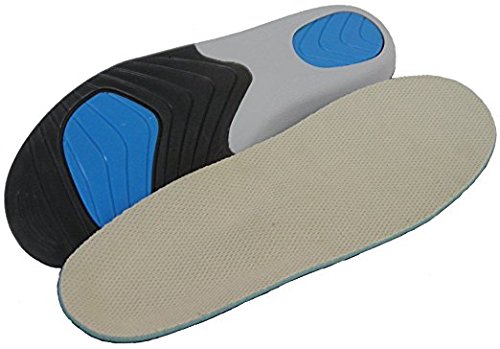
Optimal Full Orthotic Motion Control Insole with Met Pad by Ciabatta’s

Dr. Scholl’s Sport Insoles (Pack of 2)
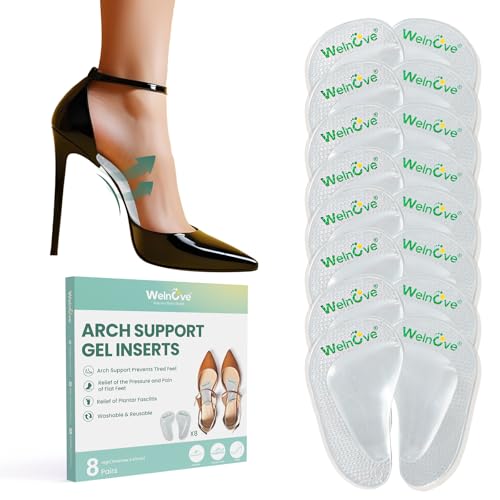
Welnove 8-Pair Gel Arch Support Insoles 0.47″ Height

DuyiCaCa Soft Gel Arch Pads for Flats

DuyiCaCa High Arch Non-Slip Arch Support Pads

DuyiCaCa Low Profile Non-Slip Arch Support Pads
A Breakdown Of The Leading Choices
Most people don’t need a clinical-grade orthotic. They need something that takes the edge off eight hours on hardwood floors or a commute across a parking lot in cheap sneakers. The Dr. Scholl’s Custom Fit CF420 is built for that middle ground, a 3/4-length insert (meaning it stops just before the toes, so it slips into dress shoes and casual lace-ups without crowding the toe box) shaped around arch type and body weight.
The 3/4 cut is the quiet win here. Full-length insoles fight you every time you slide into a pair of flats or oxfords, while this one tucks under the heel and arch where the support actually does work. For someone standing at a register, walking a hospital corridor, or just tired of sore feet by dinner, the trade-off feels fair.
A Favorable Mix
- Customized orthotic geometry tuned by arch type and weight
- 3/4-length profile slips into oxfords, loafers, and casual sneakers without bunching
- Pressure-dispersing design helps with heel and arch fatigue across long days
- Lower-profile option than most full-length orthotics, reducing fit issues
Things To Consider
- The 3/4 cut leaves the forefoot unsupported, so runners may want a sport-specific insert instead
- Breaking-in over a few days is common; expect a short adjustment window
At A Glance
Whose Shoes It Belongs In
People who want a no-fuss, everyday arch fix for office shoes, casual sneakers, or weekend errands without committing to a sport-specific or clinical-grade insert.
Look Elsewhere When
Runners and high-mileage walkers will get better shock absorption from the Dr. Scholl’s Sport Insoles covered further down the list.
When arch support turns into a structural correction project, full-length orthotics enter the chat. The Optimal Full Orthotic Motion Control Insole with Met Pad (the met pad, or metatarsal pad, sits behind the ball of the foot to spread pressure and ease forefoot pain) is built for people whose feet roll inward, a gait pattern called overpronation, where the arch collapses slightly during each step. It’s a heavier-duty tool than the Dr. Scholl’s CF420 above, designed by certified pedorthists (footwear specialists trained in orthotic fitting).
The combination of a cupped gel heel crash pad and a metatarsal cushion means the foot gets guided rather than simply lifted. For anyone whose ankles wobble by mile three or whose heels sting on concrete, that’s a real upgrade. The trade-off is bulk; this won’t disappear into a pair of ballet flats.
Strengths Worth Knowing
- Full-length orthotic gives heel-to-toe structure for serious motion control
- Cupped gel heel pad softens landing impact on hard surfaces
- Metatarsal pad helps spread pressure across the ball of the foot
- Designed by certified pedorthists rather than a generic mold
Trade Offs
- Bulkier than 3/4-length inserts, so tight-fitting shoes may not close properly
- Size is fixed in narrow ranges (Women’s 7-8 / Men’s 6-7 here), so checking the size chart matters
Right Fit For
Overpronators, people with plantar fasciitis flare-ups, and workers on concrete floors who need firm correction rather than gentle cushioning.
A Better Fit Elsewhere
Anyone wanting subtle lift in flats or low-profile shoes should look at the DuyiCaCa Low Profile Non-Slip Arch Support Pads instead.
Compared to the everyday focus of the CF420, the Dr. Scholl’s Sport Insoles lean into a different problem: rebound. The gel waves built into the forefoot compress on impact and bounce back, a design choice intended to reduce muscle fatigue over long runs or court sessions. For athletes logging real mileage, that softer rebound is the difference between finishing a 5K and limping through the cooldown.
Two insoles ship in the box, which quietly doubles the value for anyone rotating between running shoes and gym sneakers. The catch is that “sport-tuned” means firmer arch support than casual shoppers expect. Couch-to-5K starters sometimes overcorrect with these.
Standout Benefits
- Massaging gel absorbs impact on each step, easing stress on knees and lower back
- Sport-tuned geometry keeps the foot centered during lateral movement
- Pack of 2 lets you swap insoles between two pairs of shoes
- Sized for Men’s 8-14, a common men’s athletic range
Points To Note
- Firmer feel than casual insoles, so very flat or sensitive feet may need a break-in period
- Not cut down to a 3/4 profile, so they only fit roomier sneakers and trainers
Feature Snapshot
Made For
Runners, gym-goers, and weekend athletes who want gel-driven shock absorption underfoot during high-impact sessions.
Consider Something Else When
Casual walkers who just want subtle arch lift should reach for the Welnove 8-Pair Gel Arch Support Insoles later in this list.
Bulk packs feel unglamorous until you’ve stuck an adhesive insert in every pair of shoes you own. The Welnove 8-Pair Gel Arch Support Insoles arrive as a multi-pack of adhesive gel pads at 0.47″ of lift, sized for people with flat feet or recurring plantar fasciitis (inflammation of the band of tissue running along the bottom of the foot). Eight pairs cover most wardrobes without rationing.
The lift here is more pronounced than the slim DuyiCaCa pads further down. For very flat arches, that extra height matters, though it also crowds tighter-fitting shoes. The adhesive backing keeps pads from sliding around during long walks, but the gel does compress over time.
Well-Handled Touches
- Eight-pair bulk pack covers an entire shoe rotation at a low per-pair cost
- 0.47″ arch lift gives meaningful support for flat feet
- Soft gel material cushions impact without the rigidity of plastic orthotics
- Adhesive backing keeps pads planted during walking and standing shifts
Worth Noting
- Adhesive pads lose tack over weeks of wear and eventually need replacement
- The 0.47″ lift is taller than most casual inserts, so dress shoes may feel tight
Best Suited To
People with flat feet or plantar fasciitis pain who want a low-cost way to spread arch support across many pairs of shoes.
Swap It Out When
Anyone needing firmer, structured correction should consider the Optimal Full Orthotic Motion Control Insole with Met Pad from earlier in this roundup.
High arches (a foot shape where the middle of the foot curves noticeably upward off the ground) need a different conversation than flat feet. The DuyiCaCa Soft Gel Arch Pads for Flats lean into that with a 0.53″ lift, the tallest of the gel pads in this roundup, specifically tuned to cradle a higher arch and ease the strain that builds through long afternoons in flats or low-profile sneakers.
Unlike the bulkier Welnove pack, this is a focused, smaller-footprint pad meant for dress shoes and casual flats. The gel stays softer underfoot than rigid plastic, which keeps the pad from feeling like a brick when you step down. For people whose arches curve sharply upward, that combination of lift and softness hits a sweet spot.
Practical Advantages
- 0.53″ arch lift supports high arches where shallower pads fall short
- Soft gel construction cushions without the rigid feel of plastic orthotics
- Slender profile fits inside flats, loafers, and low-cut sneakers
- Designed for women’s foot shapes and dress-shoe geometry
Small Caveats
- The pronounced 0.53″ lift may feel excessive for low-arched or neutral feet
- Adhesive pads need periodic reapplication as the gel loses tack
Who It Suits Best
Women with naturally high arches who want a soft, supportive pad that fits inside flats or casual shoes without overpowering the fit.
Reach For A Different Pick When
Lower-arched shoppers wanting a subtler lift should look at the DuyiCaCa Low Profile Non-Slip Arch Support Pads covered last.
If the previous DuyiCaCa pad sounds right but you’re worried about slipping, the High Arch Non-Slip version keeps the 0.53″ lift and adds a non-slip backing intended to grip the insole of the shoe rather than slide with every step. For commuters on slick sandals or anyone chasing a toddler around the house, that grip matters more than the spec sheet suggests.
The fit story is similar to its sibling: tall lift, soft gel, slender enough for flats and casual sneakers. The difference is stability underfoot, which becomes the deciding factor once you’re walking fast or moving through busy spaces.
Noteworthy Benefits
- Non-slip backing holds the pad in place during brisk walking or active wear
- 0.53″ lift matches the height needed for pronounced arches
- Soft gel feels gentle underfoot compared to rigid orthotic shells
- Slender silhouette stays out of the way in flats and low-cut shoes
Honest Caveats
- Adhesive may leave a faint residue when removed from shoe insoles
- Same tall lift as the previous DuyiCaCa pad, so neutral arches may find it aggressive
Perfect Match For
High-arched shoppers who walk briskly or move through busy environments and want a pad that won’t slide around underfoot.
Not Your Match When
Shoppers wanting a subtle, low-profile lift should turn to the DuyiCaCa Low Profile Non-Slip Arch Support Pads that follow.
Sometimes the goal is restraint. The DuyiCaCa Low Profile Non-Slip Arch Support Pads drop the lift down to 0.36″, short enough to vanish into sandals, ballet flats, or dress shoes where a taller pad would crowd the fit. For moderate arches or anyone who just wants gentle lift, that slim profile beats forcing a chunky orthotic into a delicate shoe.
The non-slip backing carries over from the previous DuyiCaCa pad, so the low height doesn’t come at the cost of sliding around inside the shoe. The honest read: this is a comfort and alignment nudge, not a clinical correction. For most dress-shoe days, that’s exactly enough.
Good Reasons To Consider
- 0.36″ slim profile fits sandals, flats, and dress shoes without crowding
- Non-slip backing keeps the pad planted during walking
- Provides moderate arch lift for everyday alignment support
- Soft construction keeps pressure gentle rather than aggressive
Where It May Fall Short
- Lower lift won’t satisfy high-arched feet that need the taller 0.53″ pads
- Adhesive pads need replacing over months of regular wear
Built With In Mind
Women who wear flats, loafers, or sandals most days and want subtle arch contact without changing how their shoes fit.
Another Choice May Suit
High-arched walkers wanting stronger lift should pick the DuyiCaCa Soft Gel Arch Pads for Flats earlier in this roundup.
Matching Arch Support Pads To The Way You Actually Walk
Start With Your Arch Shape, Not The Brand
The first fork in the road is arch height. Flat feet (very little curve under the foot) want taller lifts like the 0.47″ Welnove pads or structured full-length orthotics. High arches need supports tuned to cradle that curve, the 0.53″ DuyiCaCa pads. Neutral arches usually do fine with slimmer pads or trim-to-fit insoles like the Dr. Scholl’s CF420.
Match The Pad To The Shoe
Dress shoes and flats rarely accept full-length orthotics. Slim gel pads or 3/4-length inserts slide in without crushing the toe box. Athletic shoes have room for sport insoles like the Dr. Scholl’s Sport pack. Boots and casual sneakers accommodate everything. Picking the pad that fits the shoe beats forcing a clinical insert into a delicate flat.
Think About Your Day, Not Just Your Feet
A nurse walking 10,000 steps on tile needs different support than someone commuting to a desk job. Standing-heavy routines benefit from gel cushioning and metatarsal relief. Runners and weekend athletes need sport-specific shock absorption. Casual walkers usually do well with simple adhesive pads that lift the arch gently without overcorrecting.
Material And Replacement Matter
Gel pads cushion softly but compress and lose adhesion over weeks of wear. Rigid orthotics last longer but feel stiffer underfoot. Adhesive-backed gel pads are replaceable and cheap, while full-length inserts can be moved between shoes. Picking the format that fits your maintenance tolerance keeps the support consistent instead of forgotten in a drawer.
What Separates Premium Picks From Basic Pads
Mistakes Worth Dodging
Buying the tallest arch lift you can find, regardless of your arch shape, often backfires. Tall pads on neutral arches create pressure where none belongs, leading to new discomfort. Skipping the shoe-fit check is another common slip; pads that don’t sit flat bunch up and shift during walking, undoing whatever support they offer. Finally, ignoring wear time leaves people blaming the pad when the gel has already flattened. Adhesive gel pads need replacement every few months under regular use.
When Paying Up Pays Off
Higher-tier arch support pads earn their cost through firmer geometry and certified design. The Optimal Full Orthotic from this list is built by certified pedorthists, which is a meaningful step up from generic gel pads for anyone with a structural correction need. Spending more on a Dr. Scholl’s Sport insole versus an adhesive gel pad also buys shock-absorbing gel waves that hold up under athletic load. The honest read: if your foot pain is mild and shoe-specific, a budget gel pad is plenty. For chronic arch or heel issues, the upgrade to a structured orthotic usually pays for itself in fewer bad days.
Frequently Asked Questions
How Do I Know What Arch Height I Have?
Wet your foot and step onto a piece of paper or a dry surface. A wide, flat footprint means low or flat arches. A footprint with a noticeable inward curve means neutral or high arches. Picking a pad matched to that shape matters more than guessing.
Can Arch Support Pads Help With Plantar Fasciitis?
Plantar fasciitis responds to consistent arch lift and cushioning. Pads that raise the arch take strain off the inflamed band of tissue running along the bottom of the foot. Pads alone may not resolve severe cases, but they are a common part of a broader comfort routine.
How Often Should Gel Arch Pads Be Replaced?
Adhesive gel pads typically last a few months under regular use before the gel compresses and the adhesive weakens. Replace them when the cushioning feels flat or the pad starts sliding.
Will Arch Pads Make My Shoes Feel Tight?
Some will. Full-length orthotics and taller gel pads change how shoes fit, especially flats and dress shoes. Slim 3/4-length inserts and low-profile gel pads are designed to slip in without crowding the fit.
Can I Move Arch Pads Between Pairs Of Shoes?
Full-length and 3/4-length inserts move easily between shoes. Adhesive gel pads stick to one insole at a time and need reapplication when switched, which can wear down the adhesive faster.