

Shin splints have a way of turning a routine run into a negotiation. Every stride pulls at the lower leg, and the wrong insole only deepens the drag. I’ve spent enough time around runners, retail workers, and weekend hikers to know that the difference between a sore week and a steady one often lives inside the shoe. Good arch support redistributes load along the foot, softens impact before it reaches the tibia (the large shin bone), and keeps the lower leg from doing all the braking on its own.
This list walks through seven orthotic inserts built to ease that strain. Some lean medical and structured, others feel more like an everyday upgrade. Either way, the right pair should match your arch height, your shoe volume, and the kind of miles you log.
An Overview Of The Picks

TECRUN Plantar Fasciitis Insole Arch Support Inserts

PowerStep ProTech Full Length Orthotic Insoles
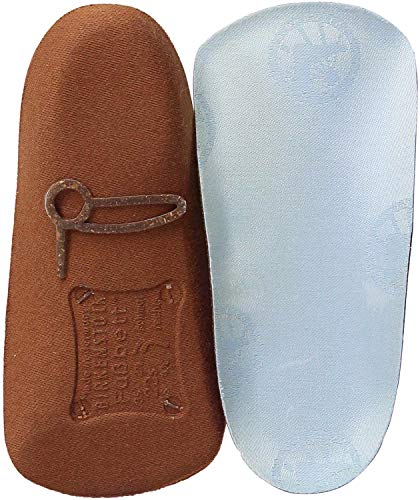
Birkenstock Blue Footbed-Arch Support Flat

Superfeet All-Purpose Medium Arch Insoles (Blue)

Superfeet Women’s High Impact Support Insoles (Berry)
Pedag Plantar Fasciitis German-Made Orthotic Insoles
Superfeet Wide-Fit Support Insoles (WideGreen)
The Strengths Of Each Pick
The TECRUN insole is built around a sizing philosophy most inserts skip: instead of trimming to fit, you pick from ten sizes and four arch heights. That distinction matters for anyone whose arches sit outside the standard medium profile, and for households sharing a single insert style.
Where the PowerStep ProTech leans clinical, TECRUN feels more like an everyday comfort insert with a structured core. Runners easing back from a shin splint episode may appreciate that the arch cradle sits high enough to support without feeling like a wedge underfoot.
Notable Upsides
- Four arch height options cover high, normal, low, and flat-footed profiles in a single product line.
- Ten size options mean most shoppers skip the trimming step entirely, which helps first-time orthotic users.
- Targets pain along the plantar fascia (the band of tissue running under the foot), heel, knee, hip, and ankle, so it pulls double duty for shin splint recovery.
- No trimming required reduces the risk of cutting the insole too short and losing heel cup support.
Points To Keep In Mind
- The foam tends to compress faster than denser cork or memory foam alternatives, depending on daily mileage.
- Wider shoes are a better match, since the arch geometry assumes room for the heel cup.
Quick Facts
Right Fit For
Runners and walkers with non-standard arches who want a structured insert without trimming or heat molding.
Consider Something Else When
Shoppers needing a heavier-duty, memory-foam feel for long shifts on concrete should look at the PowerStep ProTech instead.
PowerStep has built a reputation in the orthotic aisle, and the ProTech is its more cushioned, full-length entry. The shell runs from heel to toe with a memory foam top layer, and the brand calls out shin splints, plantar fasciitis, and Achilles tendonitis as the conditions it aims to address.
Compared to the TECRUN entry, the ProTech feels denser underfoot. Retail workers and new runners tend to gravitate here when they want something that holds its shape after a long shift.
Everyday Perks
- Full-length design delivers contact along the entire foot, which helps distribute pressure away from the tibia.
- Memory foam top layer softens heel strike, a common trigger for shin splint flare-ups on hard pavement.
- Built in the USA and marketed as medical grade, which appeals to shoppers who want clinical credibility.
- Supports mild to moderate pronation (the inward rolling of the foot during walking), addressing one root cause of shin strain.
Trade Offs
- It runs thicker than casual insoles, so slim-fitting fashion shoes often reject it.
- The structured arch can feel aggressive during the first few wears as the foot adjusts.
Who Will Love This
Daily runners, retail staff, and anyone logging long hours on hard floors who want structured arch support with extra cushioning.
Skip It When
You need a slim-profile insert for dress shoes or tight-fitting loafers, where the Superfeet WideGreen offers more breathing room.
The Birkenstock Blue Footbed reads more like a transplant than an insole. Pulled from the brand’s flagship sandal, this flat cork-and-latex insert carries the same contoured shape that has defined the company’s footwear for generations.
Unlike the foam-heavy TECRUN and PowerStep entries, this one rewards patience. It molds to the wearer’s foot over time, which means the first week feels firmer than expected. Owners who commit to the break-in usually end up with a custom-shaped bed that outlasts foam alternatives.
Notable Gains
- Cork-latex blend molds gradually to the foot’s contours, creating a semi-custom shape.
- The deep heel cup stabilizes rear-foot motion, which reduces the rotational stress that feeds shin splints.
- Cork resists compression far longer than typical EVA foam (a common, lightweight cushioning material).
- The brand traces its footbed design back over two centuries of German shoemaking.
Honest Caveats
- The flat profile fits low-volume shoes best; tight sneakers may crowd the toe box (the front area of the shoe where the toes sit).
- The initial firmness can deter shoppers expecting immediate plush cushioning.
- Cork is sensitive to standing water, so wet boots or sweaty gym shoes can shorten its lifespan.
The Right Fit
Long-time shoe owners who prefer a molding, orthopedic feel and plan to keep the same pair of footwear for a year or more.
Reach For A Different Pick When
Runners needing high-impact foam rebound should consider the Superfeet Women’s High Impact Berry insole for more bounce.
The blue Superfeet is the company’s flagship and the one most casual shoppers recognize. Its medium arch profile fits the broadest slice of the population, and the structured heel cup does the heavy lifting for lower-leg alignment.
Where the PowerStep ProTech leans into cushion, the blue Superfeet pushes stability. That makes it a common pick for hikers, service workers, and anyone whose day involves uneven terrain rather than straight-line running.
Useful Touches
- The structured medium arch suits the majority of feet without forcing an aggressive correction.
- Trim-to-fit sizing lets one insole serve multiple pairs of shoes, which helps households stretching a budget.
- The high-density foam resists compression, so daily walkers typically get more mileage per pair.
- Stabilizing shape reduces stress on ankles, knees, and the lower back, not just the feet.
Softer Spots
- High-arched shoppers may find the medium profile too low, since Superfeet sells a green variant specifically for higher arches.
- Trim-to-fit requires careful measurement; an over-trimmed insole loses heel cup contact and reduces support.
Best Suited To
Active adults with medium arches who want one reliable insole for work boots, sneakers, and weekend hikes.
Swap It Out When
You need a wide-foot option for shoes marked 3E or wider, where the Superfeet WideGreen serves noticeably better.
The Berry insole is Superfeet’s high-impact answer for women who run, jump, or train hard. The brand shapes its arch to match the biomechanics (the way the body moves during activity) typically measured in female athletes, with extra forefoot cushioning to soften landings.
Relative to the blue Superfeet, the Berry is firmer under the arch and more forgiving under the ball of the foot. Runners dealing with shin splints often respond well to that combination, since impact loads the tibia hardest during the forefoot-strike phase.
Good Reasons To Consider
- High-impact foam disperses landing force more evenly across the footbed.
- Sized specifically for women’s running shoes, so it avoids the bulk that generic unisex inserts sometimes add.
- The arch profile supports the biomechanics most commonly linked to female runner injuries.
- Trim-to-fit design adapts to multiple pairs of training shoes.
Some Limits To Know
- Sizing tops out around women’s 12, so shoppers above that range need a different model.
- The dense foam takes longer to break in than softer alternatives.
Made For
Female runners, CrossFit athletes, and court sport players whose training loads the lower leg heavily.
Where A Sibling Pick Shines
Male runners or shoppers outside the listed size range should pair up with the Superfeet All-Purpose Blue, which fits a broader audience.
Pedag takes a different route: a heat-moldable footbed that shoppers shape at home with a hairdryer. The arch contour, made of natural latex layered with activated charcoal, softens under heat and resets as it cools.
Unlike the off-the-shelf fit of the TECRUN, the Pedag rewards a few minutes of hands-on setup. Shoppers who like the idea of a customized footbed without a clinic visit tend to find the process worth the effort.
Real Benefits
- Heat-moldable arch means the insole adapts to the wearer’s foot rather than forcing the foot to adapt to the insole.
- Natural latex offers a softer, more forgiving feel than cork or dense foam alternatives.
- Activated charcoal helps manage odor, useful for hot climates and gym shoes.
- German-made construction carries a reputation for tight tolerances and consistent layering.
Worth Bearing In Mind
- The molding step adds complexity; shoppers who skip it end up with a generic arch profile.
- Lateks sensitivity is worth considering for anyone prone to skin reactions.
Feature Snapshot
Whose Shelf It Belongs On
Detail-oriented shoppers who want a near-custom footbed and don’t mind a brief setup with a hairdryer.
Look Elsewhere When
You need a ready-to-use insole straight from the box, where the Superfeet Blue or PowerStep ProTech skips the molding step.
Superfeet’s WideGreen tackles a problem most inserts ignore: feet wider than the standard D width. The shape stretches from 3E to 6E, covering everything from moderately wide feet to the extra-extra-wide range common in work boots and specialty footwear.
Where the blue Superfeet assumes a typical foot volume, the WideGreen gives toes room to splay. For warehouse staff, nurses, and tradespeople standing twelve-hour shifts, that breathing room often matters as much as the arch itself.
Useful Strengths
- Accommodates foot widths from 3E through 6E, a range most standard inserts skip.
- Built for all-day workers, so the foam and shell hold up under long shifts.
- Maintains the structured heel cup the brand is known for, which keeps rear-foot motion controlled.
- Works well in wide work boots, hiking boots, and casual shoes with extra volume.
Practical Considerations
- Too wide for narrow or standard-width shoes, where it shifts inside the footbed.
- Trim-to-fit sizing requires careful adjustment before first wear.
Perfect Match For
Tradespeople, nurses, and warehouse workers with wide feet who need arch support that holds up across long shifts.
A Better Fit Elsewhere
Shoppers with standard or narrow feet should choose the Superfeet Blue medium-arch insole for a more accurate fit.
What Matters Most Before Choosing Arch Support Insoles For Shin Splints
The first thing I look for is arch height. Arch support that misses your actual profile tends to make shin pain worse, not better. A quick wet test (wet the foot, step on paper, and read the imprint) tells you whether you sit high, medium, low, or flat, and most inserts in this list specify which profile they target.
Next comes shoe volume. Dense orthotics like the PowerStep ProTech need room to sit flat inside the shoe. Cramming them into a slim fashion sneaker lifts the heel and changes your gait (the way you walk), which can shift shin stress elsewhere. Wide-footed shoppers often do better in the Superfeet WideGreen than a standard medium-arch insole.
Cushioning matters, but not as much as alignment. Foam softens impact, yet the underlying arch geometry is what redirects load away from the tibia. Memory foam and latex add comfort, while cork and dense plastics add structure. Most shin splint sufferers benefit from a balance of both.
Finally, think about break-in. Cork and heat-moldable inserts reward patience, while foam inserts feel right almost immediately. Pick the trade-off that matches how soon you need relief and how often you’ll switch shoes.
Common Shopping Slip Ups Worth Dodging
Common Shopping Slip Ups
The most common mistake I see is buying an insert sized to the shoe rather than the foot. Shoe sizes vary by brand, and an insole that matches the box may still leave a gap under the arch.
Another trap is skipping the break-in. Even a well-matched orthotic can feel awkward for the first week, and shoppers who abandon it on day two never get to experience the benefit. Give structured inserts at least a week of regular wear before deciding.
Where The Extra Money Goes
Premium inserts in this category usually spend their budget on materials. Cork, natural latex, and medical-grade foams last longer and resist compression better than the basic EVA found in cheaper options.
Higher-tier models also tend to include a deeper heel cup and a more contoured arch, which improves alignment under load. For daily runners and standing workers, that extra structure often justifies the upgrade within the first season of use.
Frequently Asked Questions
Do arch support insoles actually help with shin splints?
They can, since shin splints often start with overloaded arches and overpronation. A properly matched insole redistributes that load along the foot before it reaches the tibia.
The relief isn’t instant, and the insole must fit your arch height and shoe volume to work well.
How long does it take to break in a new insole?
Most foam-based inserts feel comfortable within a few days, while cork and heat-moldable options take one to two weeks to settle.
Short break-in periods with structured inserts often feel firm at first, which usually softens as the footbed warms and adapts.
Can I use the same insole across multiple shoes?
Trim-to-fit designs like the Superfeet line and the Pedag are built to move between pairs, so one insole can serve work boots, sneakers, and casual shoes.
Moving insoles too often shortens their lifespan, since the foam compresses differently in each shoe.
Are memory foam insoles better than cork or latex?
Memory foam cushions impact well but compresses faster than cork or dense latex. Cork and latex trade a firmer feel for longer structural life.
Runners logging heavy mileage often prefer cork or dense foam, while casual walkers usually like the softer feel of memory foam.
Should I replace my insoles every year?
Most structured insoles hold up for roughly six to twelve months of regular use before the arch loses definition. Heavier mileage shortens that window.
Visible creasing, a flattened heel cup, or returning shin pain are the usual signs that a replacement is due.