Flat feet have a way of making themselves known. The dull ache after a long shift, the sharp morning step out of bed, the way your knees start complaining by Wednesday. Finding the right arch support isn’t about chasing a magic cure; it’s about matching the right tool to your foot, your day, and the shape of your arch. This roundup walks through nine options worth a serious look, from adjustable sleeves to orthopedic kids’ boots, so you can stop guessing and start walking easier.
Your Options, Compared

JL-Group Adjustable Arch Support Inserts

Memo Malmo Children’s Orthopedic AFO Boot

10 Seconds 3210 Motion Control Insoles

10 Seconds 3720 Stability Insole
Footlogics Fun Kids Orthotic Insoles

Memo Honos Orthopedic Ankle Sandal

PROFOOT Triad Orthotic Insoles

Profoot Triad Men’s Orthotic Insoles (2-Pack)
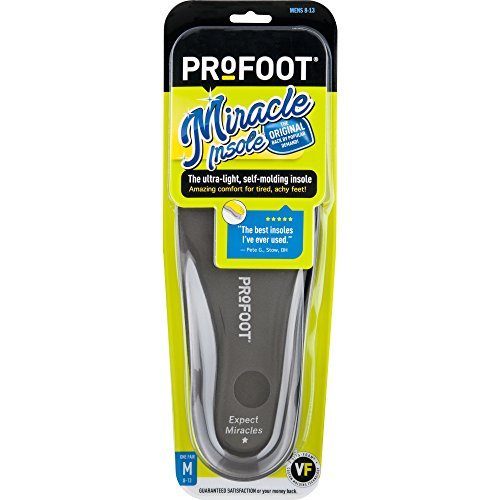
PROFOOT Original Miracle Memory Foam Insole
A Breakdown Of The Leading Choices
If you’re stepping into arch support for the first time, the JL-Group Adjustable Arch Support Inserts make the learning curve gentler than most. The sleeve-style design wraps the midfoot and delivers a 0.35-inch arch pad that you can swap out as your foot adapts. That’s a real win for anyone whose arches have flattened over years and need a slow ramp rather than a hard push.
Unlike the bulkier orthopedic boots reviewed later, this one slides into regular shoes without taking up half the toe box. Morning routines get easier when your first few steps don’t feel like walking on broken glass, and the adjustability means you can tune support across a week instead of committing on day one.
Real Benefits
- Replaceable pads let you step up support gradually as tolerance builds
- Targeted compression helps with heel and arch discomfort during long days on your feet
- Slim profile fits in sneakers, work shoes, and casual flats without crowding
- Works across flat feet, fallen arches, and high arches, which keeps sizing simple
Worth Bearing In Mind
- The 0.35-inch pad can feel intrusive in low-volume dress shoes
- Sleeve-style wraps run warm in humid summer commutes for some wearers
- Replacement pads wear out before the sleeve itself, depending on use
Quick Facts
Right Fit For
Adults easing into arch support who want to test the feel before committing to a rigid insole.
Swap It Out When
You need firm, full-length support for long warehouse shifts, where the 10 Seconds 3210 Motion Control Insoles offer a more structured platform.
The Memo Malmo sits in a different category from the rest of the list: it’s an AFO-style boot, which means ankle-foot orthosis, designed to guide a child’s foot position while they walk. Sized in Little Kid 10.5 and 11, it fits smaller frames where typical over-the-counter inserts simply slide around.
Compare that to the JL-Group sleeve in the previous review, which targets mild adult discomfort. This boot is built for structural correction during a window of growth that matters most. Parents navigating a pediatric podiatrist’s advice often find these boots complement a guided therapy plan rather than replace it.
What It Does Well
- Ankle-and-foot guidance supports proper alignment during walking and play
- Specific Little Kid sizing fits smaller feet where adult insoles fail
- Sturdy boot construction handles active school-aged kids
- Orthopedic design aligns with pediatric therapy plans
Trade-Offs To Consider
- Bulky profile limits which shoes can fit over the boot
- Specialty sizing means growth spurts require replacement sooner than expected
- Higher price than casual insoles, so it’s a deliberate investment
Best Suited To
Parents of small children with flat foot posture who are working with a specialist on corrective footwear.
Look Elsewhere When
Your child mainly needs everyday in-shoe comfort for school and sneakers, where the Footlogics Fun Kids Orthotic Insoles offer a lighter, trim-to-fit alternative.
The 10 Seconds 3210 is not playing around. With very high arch firmness, a medium arch height, and high cushion built around shock-absorbing foam, this insole targets the kind of pounding feet take during delivery routes, warehouse shifts, and other movement-heavy workdays.
Earlier picks like the JL-Group sleeve offer adjustable softness. This one skips the gentle ramp and goes straight to structured motion control. The non-binding tray is designed to flex with quick, irregular movements, so your foot isn’t fighting the insole every time you pivot.
Everyday Advantages
- Very high firmness handles heavy impact across long shifts
- Shock-attenuating foam softens heel strikes and joint stress
- Motion-control tray supports quick pivots during active tasks
- M 10 / W 12 sizing covers many adult foot profiles
Points To Keep In Mind
- High firmness can feel rigid under dress shoes or loafers
- Full-length construction needs trimming for narrow toe boxes
- Heavy-duty foam adds noticeable bulk inside tighter footwear
Made For
Adults clocking serious hours on hard floors who need structural support more than gentle cushioning.
Consider Something Else When
You spend most days at a desk with light walking, where the PROFOOT Original Miracle Insole delivers softer, moldable comfort instead.
The 3720 is the sibling to the 3210, but the priorities shift: high arch height, firm cushioning, and high shock absorption built around memory foam with an embedded stability plate. Where the 3210 chases motion control, this one aims at fatigue relief for long standing workdays in metropolitan settings.
Compared to the PROFOOT Triad reviewed later, the 3720 brings a stability plate that resists flex under the midfoot. The trim-to-fit design lets you match it to your specific shoe size, which matters when an insole fights your foot for space.
Strong Points
- High arch height suits people with naturally elevated arches needing real lift
- Memory foam cushioning reduces fatigue across standing-heavy shifts
- Stability plate limits unwanted flex for steady footing
- Trim-to-fit sizing customizes the insole to your exact foot length
Some Limits To Know
- Firm cushioning feels less plush than pure memory foam options
- High arch profile can overcorrect flat-foot wearers if used wrong
- Plate adds rigidity that some walkers find uncomfortable at first
Right Fit For
High-arched adults logging long metropolitan workdays who want firm structure plus cushion.
A Better Fit Elsewhere
You have genuinely flat feet needing softer moldable support, where the PROFOOT Original Miracle Insole adapts more forgivingly.
Kids won’t wear what they hate, and Footlogics leans into that reality. The Fun Kids insole pairs a deep heel cup and full-length arch support with a kid-friendly design that slides into school shoes, sneakers, and sports footwear alike. Sized for Small Kids 11-13 in this listing, the trim-to-fit profile lets you tailor the length.
Where the Memo Malmo boot reviewed earlier aims at structural correction, this insole handles everyday comfort for active kids. Developed by Australian podiatrists, it covers a wide range of common complaints: Sever’s disease, growing pains, fallen arches, flat feet, and over-pronation.
The Helpful Details
- Deep heel cup stabilizes the rearfoot during playground and sport activity
- Full-length shape replaces stock liners for a complete feel change
- Trim-to-fit sizing grows with your child between shoe sizes
- Fits school shoes, sports shoes, and casual footwear without issues
Where It Is Less Suited
- Yellow color shows scuffs faster than darker alternatives
- Small Kids sizing limits use once feet outgrow the 13 range
- Pair quantity means replacements still cost extra after wear
Made For
Parents of kids 11-13 in shoe size dealing with heel pain, flat feet, or general growth-related foot fatigue.
Swap It Out When
Your child needs structural ankle-foot correction rather than in-shoe comfort, where the Memo Malmo AFO Boot offers a more orthopedic solution.
Most orthopedic footwear hides behind closed toes, but the Memo Honos goes the other direction. This corrective sandal brings ankle-and-foot support into warm-weather months when boots and sneakers feel unbearable. Sized in Little Kid 13 and 13.5, it fits toddlers transitioning out of smaller corrective boots.
Compared to the Footlogics insole reviewed just before, the Honos is a full sandal rather than an in-shoe insert. Parents rotating seasonal footwear for a child in active correction often pair this with closed-toe options during colder months.
The Upside
- Open design keeps feet cool during summer and tropical climates
- Corrective structure supports foot alignment beyond casual sandals
- Ankle strap keeps the foot positioned during active play
- Toddler sizing fits a narrow age window where options are limited
Practical Considerations
- Little Kid sizing caps out quickly as feet grow
- Open-toe design offers less protection on rough playgrounds
- Specialty footwear commands a higher price than standard sandals
Best Suited To
Toddlers in warm climates who need corrective support without the heat of closed-toe orthopedic shoes.
Reach For A Different Pick When
Your child needs everyday in-shoe arch support year-round, where the Footlogics Fun Kids Orthotic Insoles slot into regular sneakers.
PROFOOT has been around long enough that the Triad feels like a familiar face in the arch support aisle. The whole-foot coverage hits the heel, arch, and ball of foot together, addressing the chain of pressure that builds across a long standing day. Sized for Men’s 8-13, the trim is straightforward for most adult sneakers and work shoes.
Earlier picks like the 10 Seconds 3720 lean toward high arches and structured firmness. The Triad is more democratic: built to reduce foot fatigue whether you’re flat-footed or just tired. Pair it with rotation if you wear the same shoes daily, since foam compression sets in after months of use.
Positive Points
- Three-zone support addresses heel, arch, and forefoot in one insole
- Reduces fatigue through long shifts at counters, registers, or on concrete
- Slips into most lace-up shoes without trimming in standard sizes
- Single-pair purchase keeps the upfront cost accessible
Small Caveats
- Foam compresses over months of daily wear and needs replacement
- Men’s 8-13 sizing doesn’t always fit smaller or larger feet cleanly
- Cushioning is comfortable but not as structured as rigid orthotics
Right Fit For
Men standing through retail, hospitality, or warehouse shifts who want one insole covering the whole foot.
Look Elsewhere When
You want a moldable memory foam feel that adapts over time, where the PROFOOT Original Miracle Insole offers a more conforming ride.
The 2-pack version of the Triad takes the same three-zone coverage covered in the previous review and packages it as a rotation set. Urethane foam and gel layered together give the insole a longer working life than the single-pair option, while open-cell construction lets air move through for cooler feet.
The adjustable arch and heel cup let you tweak the fit per foot, which matters more than most people expect. Anyone whose left and right arches aren’t perfectly mirrored will appreciate that flexibility. Heel-friendly construction makes these a sensible fit for shoes with a slight lift.
Useful Touches
- Urethane foam and gel pairing extends usable life across daily wear
- Two pairs let you rotate between shoes without downtime
- Adjustable arch and heel cup fit asymmetric feet better than fixed designs
- Open-cell foam keeps air moving on hot commutes and long shifts
Where It Is Less Suited
- Bulkier layered foam can crowd low-volume casual shoes
- Men’s 8-13 sizing leaves narrower or wider ranges underserved
- Foam-and-gel layering costs more per pair than basic EVA inserts
Made For
Shoppers wanting two pairs to alternate between work shoes and daily sneakers without waiting for insoles to decompress.
Consider Something Else When
You prefer a thinner, single-layer approach for dress shoes, where the PROFOOT Original Miracle Insole lays flatter.
The Miracle Insole closes out the list with a different philosophy: instead of rigid structure, you get a two-layer memory foam design that molds to your foot over the first few wears. The bottom layer absorbs shock and lifts the arch, while the top layer cushions every step. Sized for Men’s 8-13 and cut to fit, it slides into sneakers, boots, flats, sandals, or heels.
Earlier picks like the 10 Seconds 3210 chase maximum firmness for impact-heavy work. The Miracle Insole aims at the opposite end: relief for aching knees, shins, and hips through everyday walking and standing. For most people testing arch support for the first time, that’s a friendlier starting point.
Features That Help
- Two-layer foam molds to foot shape for personalized cushioning
- Shock-absorbing base reduces impact on knees, shins, and hips
- Cut-to-fit sizing works across sneakers, boots, flats, and sandals
- Ultra-light construction keeps shoes from feeling weighted down
Possible Compromises
- Moldable foam compresses faster than rigid orthotics under heavy use
- Lacks a structured plate for serious over-pronation cases
- Cut-to-fit trimming requires careful measuring before first use
Quick Facts
Right Fit For
First-time arch support shoppers who want a forgiving, moldable feel before committing to structured orthotics.
Not Your Match When
You need high firmness and motion control for heavy impact work, where the 10 Seconds 3210 Motion Control Insoles deliver far more structure.
Choosing Arch Support That Actually Works For Your Feet
Arch support isn’t one-size-fits-all, and treating it like a generic purchase leads to wasted money and unused insoles. The first real fork in the road is your arch profile. Flat feet, meaning arches that collapse under weight, usually need firmer support with a deep heel cup to control over-pronation, where the foot rolls inward as you walk. High arches often feel better with cushioned, shock-absorbing designs that let the foot spread naturally without hard pressure points.
Shoe compatibility matters just as much as foot shape. A full-length rigid insole needs a shoe with a removable liner and enough depth, or it crowds your toes and changes your gait. Sleeve-style wraps like the JL-Group fit more easily into everyday shoes but offer less structural correction. Match the insole to the shoe, not the other way around.
For children, the conversation shifts entirely. Kids’ feet change quickly, so trim-to-fit insoles and growth-friendly sizing help you keep up without buying new pairs every few months. When posture or alignment is the bigger concern, orthopedic boots and sandals provide guided correction that casual insoles can’t.
Material plays into comfort and lifespan. Memory foam molds to your foot but compresses faster under daily use. Urethane foam and gel layered together last longer, which is why multi-pack rotations exist. Breathable, open-cell construction helps in humid climates or warm work environments.
Key Considerations Across These Picks
Traps First Timers Fall Into
The most common mistake is buying the firmest insole on the shelf because it feels like the most supportive. Too much firmness too soon can create new pressure points, especially for flat feet unaccustomed to lift. Start with something adjustable or moldable, then step up to rigid orthotics only if discomfort persists. Another trap is ignoring shoe fit: a great insole in a wrong-size shoe just trades one problem for another.
Where The Extra Money Goes
Higher-tier insoles typically earn their keep through layered materials, structured plates, and longer wear life. Memory foam plus gel plus a stability core, as seen in the 10 Seconds 3720, costs more because each layer solves a different problem. For adults logging serious hours or recovering from pain, that investment usually pays back in months of daily comfort rather than weeks.
Frequently Asked Questions
How long does it take for arch support insoles to feel comfortable?
Most people need one to two weeks of gradual wear before arch support feels natural, with shorter sessions on day one and longer use as tolerance builds. Insoles that still feel painful after a month likely don’t match your arch profile.
Can the same insole work in multiple pairs of shoes?
Many full-length and trim-to-fit insoles transfer between shoes as long as the sizing matches, though rotation between pairs can extend the insole’s lifespan. Sleeve-style wraps tend to be more shoe-specific.
Are children’s orthopedic boots necessary if insoles help?
Insoles address comfort and mild support, while corrective boots guide alignment during growth. Pediatric specialists usually recommend boots when posture or gait needs structural correction beyond what an insole can provide.
How do I know if my arches are flat or high?
Wet your foot, step on a flat surface, and check the print: a nearly full footprint suggests flat arches, while a narrow band connecting heel and ball suggests high arches. Many people sit somewhere in between and benefit from moderate support.
Do memory foam insoles really help with arch pain?
Memory foam cushions impact and adapts to your shape, which can reduce strain on aching feet during daily wear. For severe over-pronation or structural issues, firmer orthotics usually outperform soft foam alone.
Closing Remarks
The right arch support turns a tough day into a manageable one, and the wrong pick sits in a drawer after a week. Match the insole to your arch profile, your shoes, and the hours you actually spend standing. Whether you’re easing in with a moldable memory foam option, rotating workhorse pairs across a busy week, or guiding a child’s foot through a growth phase, the nine picks above cover the most common scenarios. Pick the one that fits your life, and your feet will tell you the rest soon enough.