A wobbly landing on a basketball court, an awkward step off a curb, a quick pivot on the soccer pitch, any of these can turn a stable ankle into a liability. Whether you’re returning from a past sprain, dealing with chronic looseness in the joint, or just want extra confidence during lateral sports, the right support can keep you upright. This lineup covers seven distinct approaches to ankle stability, ranging from rigid lace-up braces to breathable compression sleeves, each suited to a slightly different scenario.
The Lineup, Simplified
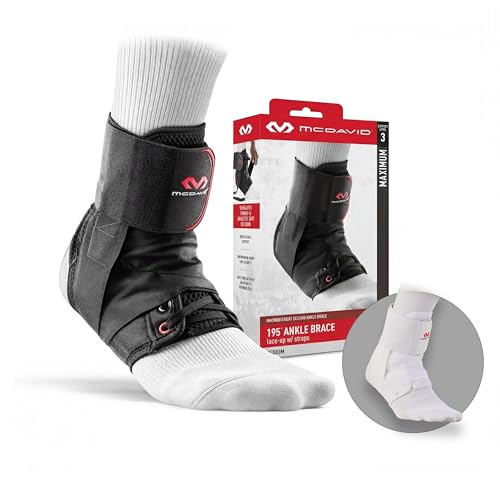
McDavid Lace-Up Ankle Brace Figure 8 Stabilizer

ACE Deluxe Adjustable Ankle Brace (Pack of 2)
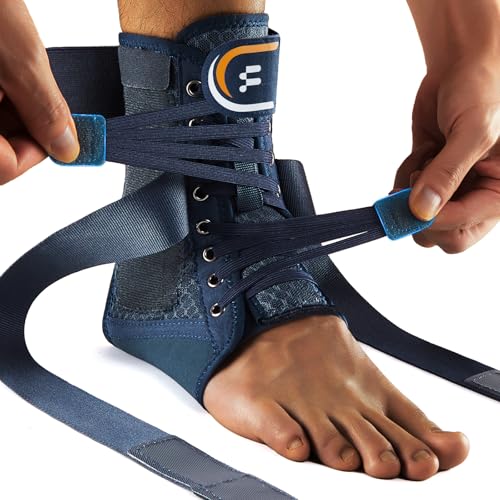
Fitomo Ankle Brace with Removable Side Splints
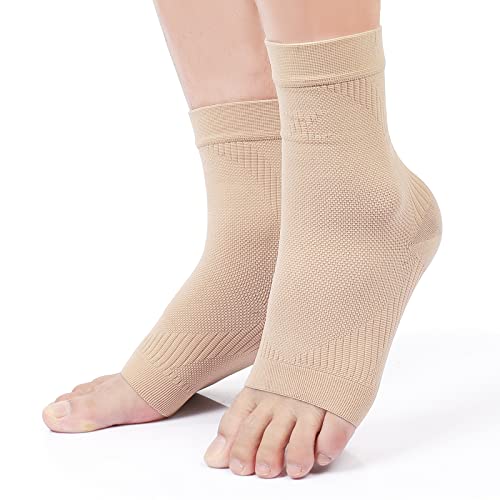
KEKING Ankle Compression Sleeve
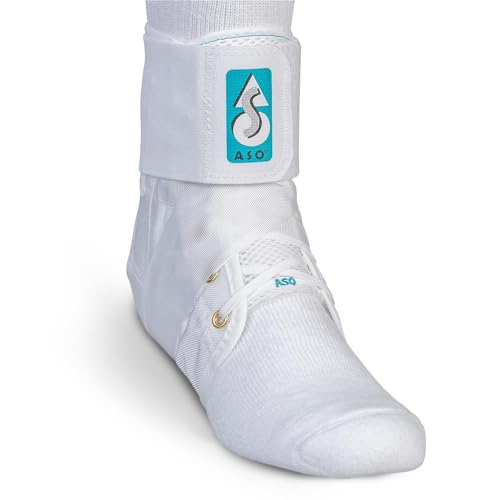
Med Spec ASO Ankle Stabilizer Lace Up

INDEEMAX Copper-Infused Ankle Compression Sleeve

Combat Sports Muay Thai & MMA Ankle Sleeves
Taking A Closer Look At The Options
The McDavid lace-up has been a staple on basketball courts and football fields for years, and the design behind that longevity is straightforward: a figure-8 strapping pattern that wraps over the instep and around the heel, combined with rigid plastic stays on either side of the ankle. The lacing runs across the front, so you can dial in as much compression as your activity demands.
That makes it a strong match for athletes who jump, land, and pivot frequently, particularly in court sports where lateral rolling is the most common injury mechanism. Unlike the sleeker compression options later in this list, the McDavid is built for people who want mechanical support, not just warmth and mild proprioceptive feedback (that’s the body’s sense of joint position).
What Makes Sense
- Figure-8 strapping delivers firm mechanical support against inversion, the inward roll that causes most sprains
- Rigid side stays physically block the ankle from tipping past a safe angle
- Fully adjustable lacing lets you tune compression between practice and game day
- Fits inside most athletic shoes once broken in, with a low-profile cut over the top of the foot
Things To Consider
- Lacing takes longer than slipping on a sleeve, so it’s less convenient for casual wear
- Owners commonly report that the figure-8 strap requires re-tensioning during long sessions to stay snug
Built With In Mind
Court and field athletes who want rigid mechanical support during high-intensity lateral movement, especially after a recent sprain.
Where Another Pick Suits Better
If you mostly want a low-profile sleeve you can forget you’re wearing, the INDEEMAX Copper-Infused Ankle Compression Sleeve slips on faster and disappears inside a dress shoe.
The ACE Deluxe takes a different approach from the lace-up crowd: a wraparound neoprene-style brace with reinforced side stabilizers and a simple strapping system. It ships as a two-pack, which immediately sets it apart for anyone who needs to keep a spare in a gym bag or rotate between braces as they wear out.
This is the kind of brace that works well for everyday life, walking on uneven sidewalks, light jogging, or staying comfortable during a long shift on your feet. It offers moderate stabilization rather than the rigid mechanical block you’d get from a lace-up, which means more flexibility but less aggressive rollover protection. For most casual scenarios, that’s a worthwhile trade.
The Upside
- Two-brace pack delivers solid value for households that need left-and-right or a backup
- Side stabilizers limit lateral motion while still allowing natural forward flexion
- Slip-on wrap design makes it quicker to put on than traditional lace-ups
- Fits comfortably inside a wide range of everyday footwear, from sneakers to work boots
Worth Noting
- Provides moderate rather than maximum support, so it’s not ideal for returning to high-impact cutting sports
- Hook-and-loop fasteners tend to lose grip after months of daily wear and may need eventual replacement
Right Fit For
Walkers, light joggers, and people on their feet all day who want moderate support without the bulk of a rigid brace.
A Better Fit Elsewhere
For serious sprain recovery, the Med Spec ASO Ankle Stabilizer Lace Up is a more protective choice trusted by athletic trainers.
The Fitomo brace stands out for one practical reason: the side stabilizers are removable. You can wear the figure-8 wrap with the splints in for maximum rollover protection, then pull them out as your ankle heals and you want more mobility. That graduated approach makes it appealing during the middle phase of a recovery.
It’s a hybrid in the truest sense, combining the wraparound convenience of the ACE Deluxe with a more structured strapping layout. The figure-8 pattern crosses over the foot and ankle to add compression where most sprains occur, and the adjustable closures let you set the tension independently across different zones. You may find the learning curve on getting the straps right takes a session or two.
Where It Excels
- Removable side splints let you step down support gradually as the ankle recovers
- Triple-strap design combines top compression, figure-8 wrap, and cross straps for layered stability
- Adjustable tension across zones suits activities ranging from desk work to gym sessions
- Works on either foot, which is convenient during bilateral recovery
Points To Note
- More straps mean more time spent dialing in fit, especially the first few wears
- Bulkier than a sleeve, so it requires roomy shoes to fit comfortably
Best Suited To
People in the middle of ankle sprain recovery who want to taper support as they return to normal activity.
Look Elsewhere When
If you’d rather skip the splint-and-strap system altogether, the KEKING Ankle Compression Sleeve offers a much simpler pull-on option.
The KEKING sleeve takes the opposite approach from rigid braces: it’s a knit compression garment that delivers 20-30mmHg of graduated compression, meaning the squeeze is firmer at the foot and lighter as it moves up the leg. That pressure profile is designed to boost circulation and reduce swelling, which is why sleeves like this get used for plantar fasciitis and Achilles discomfort, not just rollover prevention.
It’s best understood as a proprioceptive and therapeutic tool rather than a mechanical block. You’ll feel a snug hug around the joint, which can improve your sense of where your foot is during activity, but it won’t physically stop your ankle from rolling the way a rigid brace can. For runners and walkers dealing with general ankle achiness, that distinction usually works in its favor.
A Few Strong Suits
- Graduated compression supports circulation and helps manage swelling through long days
- Slip-on knit design is far easier to wear than any strap or lace system
- Slim profile fits comfortably inside running shoes and casual sneakers
- Knit construction breathes well during extended wear compared to neoprene
Trade Offs
- No rigid components means it can’t physically block a hard inversion, so it’s not a substitute for a stabilizer brace after a serious sprain
- Compression relaxes over time with repeated washing, so sleeve lifespan is shorter than a wraparound brace
Quick Facts
Who Should Grab It
Runners, walkers, and anyone managing plantar fasciitis or Achilles stiffness who wants all-day comfort over mechanical rigidity.
Skip It When
If you’re returning to sport after a recent sprain that needs real rollover protection, the Fitomo Ankle Brace with Removable Side Splints does that job better.
The ASO (Ankle Stabilizing Orthosis) is one of those products you see taped onto the ankles of college volleyball players and high school basketball guards, and there’s a reason athletic trainers keep reaching for it. It’s a lace-up design with figure-8 straps and stabilizing stays, engineered specifically for sprain recovery and chronic looseness in the joint.
Compared to the McDavid earlier in this list, the ASO leans a bit more toward recovery and prevention of recurring sprains rather than day-to-day athletic wear. The trade-off shows up in fit: it’s slightly bulkier, so you may need a half-size larger shoe to accommodate it. For athletes and chronic-instability cases, that small comfort hit is usually worth the confidence boost.
Real-World Strengths
- Figure-8 strap system is widely recommended by athletic trainers for sprain recovery
- Stabilizing stays on both sides physically limit inversion and the lateral motion that drives most ankle sprains
- Low-profile design under the laces fits in basketball shoes and cleats once broken in
- Trusted track record in clinical and athletic settings for chronic ankle instability
Honest Caveats
- Slightly bulkier than the McDavid, so it often requires loosening laces or sizing up shoes
- Lace-and-strap layout takes longer to put on than wraparound options, an issue for quick changes between sessions
Perfect Match For
Athletes returning from ankle sprains and people with chronic ankle instability who need trusted, trainer-grade mechanical support.
Reach For A Different Pick When
If your main concern is Achilles soreness rather than rollover risk, the KEKING Ankle Compression Sleeve addresses that with less bulk.
The INDEEMAX sleeve is the everyday pick in this lineup. It’s a copper-infused nylon and spandex compression sleeve that prioritizes comfort and odor management, sized to fit inside shoes you’d actually want to wear in public. The copper-ion fiber blend is the kind of detail that matters if you’re wearing the sleeve for eight hours at a desk or on a long flight.
Like the KEKING earlier, this is a proprioceptive sleeve rather than a rigid brace. You’re getting compression, warmth, and improved joint awareness, but no physical barrier to a hard roll. For most office workers, casual exercisers, and anyone who wants ankle support without broadcasting it, that’s exactly the right balance.
Points In Its Favor
- Copper-infused nylon aims to reduce odor during long days of wear
- Spandex blend gives the sleeve enough stretch to slide on easily without bulk
- Slim cut disappears inside dress shoes, sneakers, and casual boots
- Targets plantar fasciitis, Achilles tendonitis, and general sprain-related soreness
Practical Considerations
- No rigid stays means it cannot mechanically prevent a forceful roll, so it’s not suited to high-impact cutting sports
- Sizing is critical; sleeves that run small may feel restrictive, while loose ones lose the compression benefit
Feature Snapshot
Made For
Office workers, commuters, and anyone who needs a discreet sleeve they can wear all day without bulk or fuss.
Consider Something Else When
If you’re heading back onto a basketball court, the McDavid Lace-Up Ankle Brace Figure 8 Stabilizer provides the rigid support a sleeve cannot.
The Combat Sports sleeve is the odd one out in this list, and intentionally so. It’s built for barefoot training in striking arts, where you need ankle support without sacrificing grip on the mat. The slip-on design leaves the heel and toes fully exposed, so you can still pivot, kick, and check a leg sweep without sliding.
That open-foot design is the whole reason it exists. Most ankle braces here assume you’re wearing shoes, but on a grappling mat or in a Muay Thai ring, you can’t have rubber grips sliding around. The polyester blend delivers compression around the Achilles and ankle joint specifically, which is the area most exposed to rolling during explosive kicks and takedowns.
Notable Upsides
- Open-heel and open-toe design preserves barefoot grip on mats and canvas
- Compression targets the ankle and Achilles during kicks, pivots, and sprawls
- Polyester blend balances flexibility and support for high-rep striking sessions
- Slip-on profile is faster to put on than any lace or strap system
Factors To Consider
- Highly specialized for barefoot training, with limited usefulness outside striking and grappling
- Provides compression but no rigid stays, so it won’t stop a hard inversion the way a stabilizer brace can
Whose Shelf It Belongs On
Muay Thai, MMA, and grappling athletes who train barefoot and need Achilles compression without compromising mat traction.
Swap It Out When
If you’re a shod athlete, the Med Spec ASO Ankle Stabilizer Lace Up delivers more comprehensive rollover protection for basketball, soccer, or volleyball.
What Matters Most Before Choosing Ankle Supports To Prevent Rolling
Rigid Brace vs Sleeve vs Wrap
The first decision is structural. Rigid lace-up braces like the McDavid and ASO physically block the ankle from tipping past a safe angle, which is essential during high-intensity cutting sports or after a fresh sprain. Sleeves like the KEKING and INDEEMAX provide compression and proprioception but no mechanical barrier. Wraparound braces with side stabilizers sit in between, offering moderate rollover protection with simpler on-off use.
Support Level vs Comfort
More support almost always means more bulk. A rigid brace needs extra room in your shoe and takes longer to put on. Sleeves disappear into footwear but can’t match the mechanical protection of a laced stabilizer. Match the support level to your activity: court and field sports usually demand rigid braces, while walking, standing, and casual gym work often call for sleeves or moderate wraps.
Recovery vs Prevention
If you’re returning from a recent sprain, look for figure-8 strapping and removable side splints that let you step down support gradually. If you’re managing chronic ankle looseness or just want to reduce rollover risk during sport, a lace-up stabilizer with stays is the safer bet. Sleeves make more sense as a secondary tool for swelling and proprioception rather than primary protection.
Fit, Sizing, and Footwear
Ankle braces that run small cause pressure points and restrict circulation. Those that run too loose lose their mechanical advantage. Always check sizing charts, and remember that rigid braces often require loosening laces or sizing up your shoe. Sleeves are more forgiving but still need accurate measurements at the arch and ankle circumference to deliver proper compression.
Key Considerations Across These Picks
Common Buying Slip Ups
One trap is buying a sleeve when you actually need a rigid brace, or vice versa. Sleeves feel comfortable in the store but can’t stop a hard inversion on the court, while a stabilizer brace feels over-built for a casual walk. Another mistake is ignoring shoe compatibility. A rigid brace that doesn’t fit in your athletic shoes will end up in a drawer, doing nothing for your ankle. Always match the brace style to both the activity and the footwear you’ll actually wear.
Where The Extra Money Goes
Higher-tier ankle braces typically cost more because of better materials and more thoughtful strap systems. Reinforced stays, removable splints, and graduated compression knits all add manufacturing complexity over basic wraps. The upgrade pays off most for athletes who need real rollover protection or anyone recovering from a recurring sprain. For casual use, a mid-range brace often delivers everything you actually need without the premium price tag.
Frequently Asked Questions
Do ankle braces actually prevent rolling?
Rigid lace-up braces and wraparound braces with side stabilizers can physically limit the lateral motion that causes most ankle rolls. Compression sleeves improve joint awareness but don’t mechanically block rolling.
Can you wear an ankle brace all day?
Light compression sleeves are generally fine for all-day wear, but rigid braces can cause pressure points or circulation issues if worn too long without breaks. Listen to your body and remove the brace if you notice numbness or tingling.
How tight should an ankle brace feel?
Snug enough that it doesn’t shift during activity, but not so tight that it cuts off circulation or causes pain. If your toes tingle or the skin under the brace feels numb, loosen it.
Are ankle braces machine washable?
Most wraparound braces can be hand-washed and air-dried. Sleeves vary by material; check the care tag, since heat from dryers can damage knit fibers and reduce compression over time.
Should you wear an ankle brace on both feet?
You typically only need a brace on the injured or unstable side. Wearing one on a healthy ankle can create asymmetry and, depending on the design, may even change your gait enough to cause new issues.
The Takeaway
The right ankle support depends almost entirely on what you’re doing and how much protection you actually need. Rigid lace-up braces are the right tool for high-impact cutting sports and serious sprain recovery. Sleeves and wraps fit better into everyday life, where comfort and ease of use matter more than maximum rollover protection. Pick based on your activity, your shoes, and how much mechanical support your ankle genuinely needs to stay stable.