

A rolled ankle on a wet pavement or a tweaked ligament at the net can sideline you for weeks. The right support shortens that stretch, keeps you mobile while you heal, and stops a bad twist from becoming a repeat offender. Here’s a curated look at seven options that cover compression, stabilisation, and re-entry into sport, each with a clear sense of who it suits best.
The Essentials At A Glance

ACE Deluxe Adjustable Ankle Brace (Pack of 2)

Sleeve Stars Ankle Brace Men & Women (Black/M)

Sleeve Stars Ankle Brace w/ Strap (Light Blue)

Sleeve Stars Compression Ankle Strap (Baby Pink)

Med Spec ASO Ankle Stabilizer Lace Up (Black, LG)
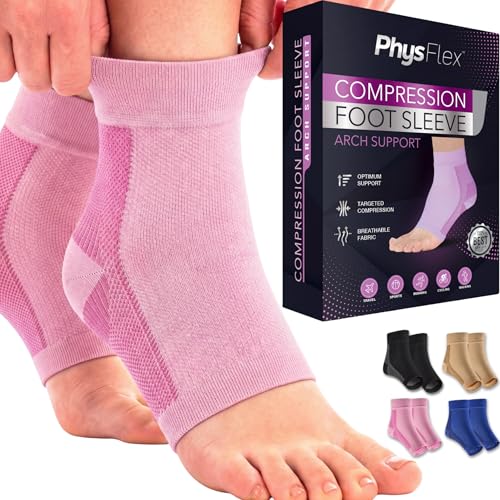
PhysFlex Ankle Compression Sleeve

Fitomo Quick Lace Up Ankle Brace w/ Splints
A Closer Look At Each Pick
ACE has been on pharmacy shelves longer than most of its competitors, and this deluxe adjustable brace leans into that reputation for moderate, no-fuss stabilisation. Side stays help curb the lateral rolling motion that triggers most sprains, while the wraparound design slips on without yanking off a sock or shoe.
It lands comfortably inside trainers and casual shoes, so daily wear isn’t a negotiation. For most people nursing a mild to moderate sprain, this is the dependable starting point before stepping up to something heavier.
Bright Spots
- Reinforced side stabilisers that limit sideways roll during walking
- Adjustable wraparound fit that adapts as swelling changes day to day
- Slim enough profile to wear under most trainers and work shoes
- Pack of two means you always have a clean spare on rotation
Worth Noting
- The hook-and-loop fasteners wear out faster than the brace itself with daily use
- Less useful for high-impact sport where rigid bracing is needed
Who It Suits Best
Anyone returning to desk work and short walks after a mild ankle sprain will find the balance of compression and simplicity spot on.
Consider Something Else When
The Med Spec ASO Ankle Stabilizer Lace Up is a better match for athletes wanting stronger, lace-up support during training.
This Sleeve Stars entry covers the everyday compression niche that pure lace-up braces don’t. The M size fits roughly a 10 to 12 inch ankle circumference, and the stretch-knit fabric feels closer to a sports sock than a medical brace.
It includes a complimentary strap for extra lockdown on rough days, which elevates it above a standard sleeve. For commuters and weekend walkers who want support that disappears under clothing, it’s a friendlier option than the ACE wraparound.
Useful Highlights
- Targeted compression that supports both recovery and preventive wear
- Adjustable strap lets you dial in extra pressure on the joint itself
- Slips into most shoes without forcing a size up
- Breathable enough for all-day office use in warmer months
Small Caveats
- Knit fabric loses elasticity after repeated machine washes
- Not enough rigidity for severe or recurring instability
Made For
Active adults juggling light sport, dog walks, and long days on their feet benefit most from the slim profile.
Skip It When
The ACE Deluxe Adjustable Ankle Brace is the better call if you want quick on-and-off wraparound use without the pull-on sleeve design.
Where the previous Sleeve Stars sleeve focused on the joint alone, this one bundles in dedicated heel protectors for plantar fasciitis and heel spur discomfort. It’s a multi-front approach: compression wrap, adjustable strap, and silicone-style heel cups working in tandem.
Compared to the simpler Black/M sleeve earlier, this version reads more like a small recovery kit than a single brace. Runners and shift workers who stand on hard floors will appreciate the layered coverage through the heel and arch.
What Earns Its Place
- Combines ankle compression, strap, and heel protection in one package
- Adjustable strap customises pressure during swelling flare-ups
- Heel pads cushion impact on concrete and tile floors
- Useful for both sprain recovery and ongoing plantar fasciitis management
Honest Caveats
- Heel pads can shift inside shoes until broken in
- Bulkier profile than pull-on sleeves, so tight-fitting shoes may feel cramped
- More pieces to keep track of if you travel light
Key Specs
Right Fit For
Anyone juggling ankle recovery alongside stubborn heel or arch pain gets the most mileage from this layered setup.
A Better Fit Elsewhere
Pick the PhysFlex Ankle Compression Sleeve instead if you want the simplest possible pull-on design with no extra parts.
This Sleeve Stars variant targets the tendon and ligament crowd specifically. It positions itself around Achilles tendonitis, plantar fasciitis, and broader ligament damage, while still covering the everyday sprain scenario.
The baby pink colourway aside, the strap-driven compression sits somewhere between the slim Black/M sleeve and the more involved Light Blue kit. It’s a strong middle path for anyone whose issue isn’t a single acute sprain but ongoing soft-tissue irritation.
What Helps Most
- Compression strap supports both ligament recovery and tendon comfort
- Useful across sprain, plantar fasciitis, and Achilles flare-ups
- Adjustable tension so you can scale support to swelling levels
- Works inside most casual footwear without forcing a half-size up
Potential Drawbacks
- The pink colour limits appeal for shoppers wanting neutral tones
- Strap tension needs re-tightening during longer wear sessions
Best Suited To
Anyone managing recurring Achilles or arch pain alongside ankle instability gets targeted, layered relief here.
Reach For A Different Pick When
The Fitomo Quick Lace Up Ankle Brace w/ Splints is the smarter call if you need removable rigid stays for the recovery phase.
The ASO has long been a fixture in basketball and volleyball settings, and it shows up here as the most rigid option in the lineup. Lace-up construction paired with figure-8 strapping creates a structured cage around the joint, far closer to a sports brace than a wraparound.
This is the brace to reach for when the goal is return-to-sport rather than walking to the kettle. Anyone graduating from a soft sleeve to something with real lockdown will feel the difference immediately.
A Few Highlights
- Lace-up body plus figure-8 strap delivers serious inversion control
- Trusted by athletic trainers across court and field sports
- Fits inside most trainers once laced correctly
- Useful across acute sprains, chronic instability, and post-injury return
- Reusable season after season with basic care
Factors To Consider
- Lacing takes longer than pulling on a sleeve
- LG sizing assumes a larger ankle, so check measurements carefully
- Less breathable than knit sleeves on hot training days
- Bulkier than the ACE wraparound for casual daily wear
Perfect Match For
Court-sport players and runners returning from a lateral ankle sprain benefit most from the rigid stabilisation here.
Another Choice May Suit
For desk-based recovery with less aggressive support, the Sleeve Stars Ankle Brace Men & Women is a simpler everyday alternative.
PhysFlex leans hard into the compression-sock philosophy: no straps, no stays, just a snug knit that hugs the foot and ankle. The 20-30mmHg rating puts it firmly in the firm-compression category rather than light support.
It’s a low-effort option for shoppers who dislike wrestling with hook-and-loop closures. You pull it on like a sock and forget about it, which suits people managing chronic aches rather than recovering from a fresh injury.
Practical Pluses
- Slip-on design removes setup friction for tired or stiff mornings
- Strong compression (20-30mmHg, a medical-style compression class) targets swelling and arch fatigue
- Breathable knit keeps the joint cooler than neoprene braces
- Works for sprain recovery, Achilles tendonitis, and general foot fatigue
Less Ideal Details
- Firm compression can feel intense for first-time wearers
- Pulling on over swollen feet requires extra patience in the morning
- No structural stays, so it can’t prevent a true lateral roll
Whose Shelf It Belongs On
Anyone managing recurring arch or Achilles soreness who wants grab-and-go compression will appreciate the simplicity.
Look Elsewhere When
The Med Spec ASO Ankle Stabilizer Lace Up makes more sense if you need rigid protection during actual sport, not just compression under everyday shoes.
The Fitomo brings something different to the table: removable side splints that you can keep in during early recovery and pull out as the joint stabilises. The quick-lace system is faster than a traditional figure-8 wrap.
Sizing runs from S (9.5 to 10.5 inch ankle) up to XL, with a recommendation to size up if you sit between brackets. It feels closer to a rehab tool than a casual sleeve, and that’s exactly its strength.
The Helpful Details
- Removable rigid splints let you step down support as recovery progresses
- Quick-lace system saves time versus traditional figure-8 wrapping
- Adjustable across a wide size range from S through XL
- Strong lateral stability for active recovery phases
Some Limits To Know
- Measuring your ankle correctly is essential, and going between sizes means guessing
- Removing and reinstalling splints takes a moment when transitioning phases
Feature Snapshot
Who Should Grab It
Anyone working through a structured rehab plan will value the ability to remove splints as confidence returns.
Swap It Out When
For lighter everyday use without rigid stays, the Sleeve Stars Compression Ankle Strap offers simpler ongoing support.
What To Weigh Before Choosing Ankle Supports For Sprain Uk
Match The Brace To The Phase You’re In
Acute injuries in the first week or so usually want more rigid control, so lace-up options like the Med Spec ASO or Fitomo with splints tend to help most. Once swelling settles and walking feels stable again, a softer sleeve like the PhysFlex or the Sleeve Stars Black/M supports rebuilding without over-bracing the joint. The mistake worth avoiding is wearing a heavy sport brace long after you need it, which can weaken the stabiliser muscles over time.
Size And Footwear Matter More Than People Expect
Ankle circumference, not shoe size, drives the fit on every sleeve and strap-based brace in this list. Measure from heel base to instep with a tape measure for the Fitomo, and check the listed ranges for each Sleeve Stars variant before ordering. A brace that’s too tight restricts circulation, while a loose one shifts inside the shoe and provides almost no support. Plan on wearing it with the shoes you’ll actually train or commute in.
Compression Level Is A Real Spec, Not A Buzzword
20-30mmHg, used on the PhysFlex sleeve, is a recognised compression class (millimetres of mercury, the unit used to grade medical compression garments) meaning firm pressure used in swelling management. Lower or unmarked compression on lighter sleeves is fine for prevention but may feel underwhelming on a freshly sprained ankle. Read the numbers rather than guessing from the product description.
Care And Replacement Set The Real Cost
Knit sleeves lose elasticity after dozens of wash cycles, so rotate between two if you wear a brace daily. Lace-up braces with rigid stays last longer but require the hook-and-loop to be kept clean and free of lint to stay grippy. A spare always comes in handy: items sold in pairs, like the ACE brace, sidestep that issue entirely.
Key Considerations Across These Picks
Common Shopping Slip Ups
Going straight to the most rigid brace on the list is tempting, but for mild sprains or everyday support, that level of lockdown often does more harm than good. Watch for sizing assumptions: ordering your usual shoe size rather than measuring your ankle is the single most common reason braces end up returned. Finally, don’t skip checking whether the brace fits inside the shoes you actually wear; a rigid brace that forces you into bulky trainers often ends up abandoned in a drawer.
Why Top Tier Costs More
The jump from a basic sleeve to the Med Spec ASO or Fitomo isn’t just marketing. You’re paying for rigid stabilisers, figure-8 strapping systems, and materials that survive repeated daily use across a full recovery cycle. For someone returning to court sport or managing chronic instability, that upgrade pays off in fewer re-injuries and longer brace life. For someone nursing a single mild sprain with desk-based work, a softer sleeve covers the same ground at a fraction of the hassle.
Frequently Asked Questions
How long should I wear an ankle brace after a sprain?
Most mild to moderate sprains benefit from brace wear during weight-bearing activity for two to six weeks, then a gradual step-down to a lighter sleeve as confidence returns.
Can I sleep in an ankle brace?
Sleeping in a brace is generally unnecessary unless a clinician has specifically advised it for severe injuries, since elevation and rest tend to do more overnight work than compression.
Are compression sleeves enough for a fresh sprain?
Early on, soft sleeves help with swelling, but adding a strap or rigid splint delivers better lateral protection during the first days of walking and rehab.
How do I clean an ankle brace?
Hand-washing knit sleeves in mild soap and air-drying them preserves elasticity much better than machine cycles, while lace-up braces with stays should be spot-cleaned around the rigid parts.
Will wearing a brace weaken my ankle over time?
Long-term, around-the-clock wear can reduce stabiliser muscle engagement, so most users benefit from phasing out the brace during low-risk activities once healing is complete.
Closing Remarks
The right ankle support depends on where you are in recovery, what shoes you’ll actually wear, and how much structure your joint still needs. Match the brace to the phase, measure properly, and step down the support level as your ankle rebuilds its own stability.