

Arthritis in the ankle turns simple steps into something you think about. Walking the dog, climbing stairs, or standing through a long grocery run can leave the joint swollen, stiff, or quietly aching long after you sit down. A good ankle support takes some of that load off the joint, adds gentle compression, and reminds your muscles where your foot is in space. This roundup covers six options built for everyday arthritis relief, from rigid lace-up stabilizers to soft infrared sleeves. Each one solves a slightly different problem, so the right match depends on how active you stay, how much swelling you deal with, and how much bulk you can tolerate inside a shoe.
A Fast Comparison Of The Options
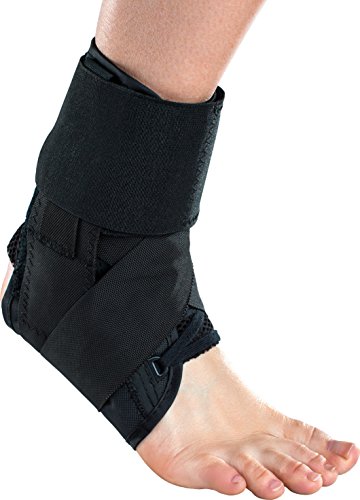
DonJoy Stabilizing Speed Pro Ankle Support Brace
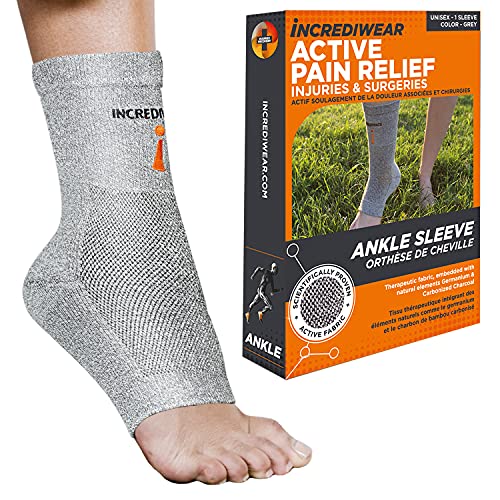
Incrediwear Ankle Sleeve Grey (Small/Medium)
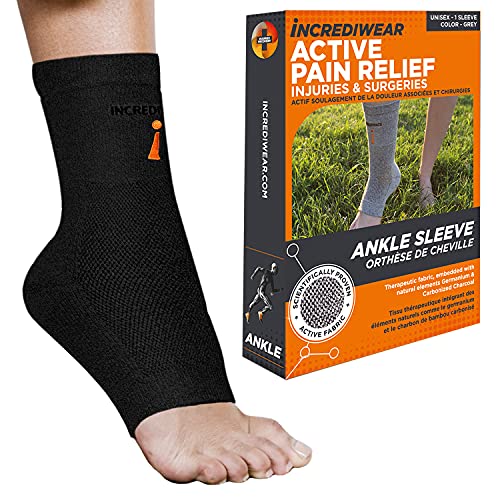
Incrediwear Ankle Sleeve Black (Small/Medium)
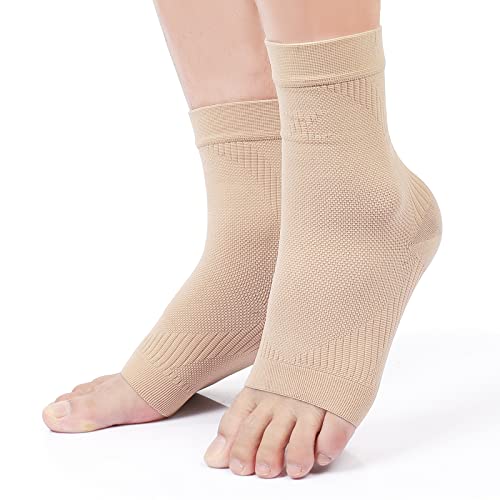
KEKING Ankle Brace Compression Sleeve

Modvel Foot & Ankle Brace Socks
Incrediwear Ankle Sleeve Grey (Large)
The Strengths Of Each Pick
If your ankle arthritis comes with genuine instability, or you simply do not trust the joint on uneven ground, the DonJoy Stabilizing Speed Pro sits at the rigid end of the support spectrum. It pairs an 800-denier ballistic nylon shell, a fabric that shrugs off abrasion and keeps its shape, with a figure-8 strap system that wraps the heel and midfoot. The combination locks the talus (the small bone that sits just above your heel) in place during push-off, which matters most when stairs or curbs enter the picture.
Unlike the soft sleeves lower on this list, this DonJoy relies on lace-and-velcro fastening rather than stretch fabric. That design choice means you dial in exactly how tight it feels and how much side-to-side wobble the brace absorbs. Compared to the Incrediwear sleeve below, you trade all-day comfort for serious mechanical support, so it shines during activity rather than quiet evenings on the couch.
Why It Works Well
- 800D ballistic nylon body that resists tearing at stress points.
- Figure-8 strapping that controls inversion and eversion, the two sideways motions that twist the ankle joint.
- Reinforced eyelet area that keeps the laces from pulling through under load.
- Lace-and-velcro closure that lets you tune tension for different shoes and swelling levels.
Things To Consider
- Bulkier than any sleeve on this list, so low-profile dress shoes are not realistic.
- Takes longer to put on than a pull-on sleeve, which matters on groggy mornings.
- Owners commonly report that the rigid plates need a short break-in period to stop rubbing the ankle bone.
Whose Shelf It Belongs On
Active adults with arthritis plus a history of rolling their ankle, who need mechanical control during hikes, court sports, or long shifts on hard floors.
Skip It When
The KEKING Ankle Brace Compression Sleeve is a better fit for shoppers wanting a low-profile, all-day option without rigid strapping.
The Incrediwear sleeve takes a different path than every other pick here. Instead of squeezing the joint, the fabric is infused with elements that emit far-infrared radiation when warmed by body heat. Infrared here means a band of light energy just below visible light, which the brand says supports local circulation. That distinction matters for arthritis sufferers who find tight compression uncomfortable during a flare, or who simply cannot stand the tingling pressure of a traditional sleeve all day.
Constructed from a Lycra and nylon blend, the sleeve slides on like a sock and disappears under most footwear. Compared to the DonJoy above, you give up mechanical rigidity in exchange for a barely-there feel that still produces a gentle warming sensation. For desk-bound workdays, slow walks, or wearing it to bed on stiff mornings, the trade-off lands well in favor of comfort.
Where It Excels
- Element-infused fabric designed to reflect body heat back as infrared energy.
- Pull-on sleeve design that fits under casual and athletic shoes without bunching.
- No compression squeeze, so it stays wearable during swelling flares.
- Reusable fabric that holds up to repeated hand-washing in most routines.
Honest Caveats
- Provides far less mechanical support than the DonJoy, so it is not ideal for unstable ankles.
- Sizing runs close, and shoppers on the edge between Small/Medium and Large may need to measure first.
Quick Facts
Who It Suits Best
People with mild to moderate arthritis who want a wearable, low-bulk sleeve for everyday tasks and want to avoid the squeeze of classic compression.
Look Elsewhere When
The DonJoy Stabilizing Speed Pro is a better fit for anyone whose ankle gives way sideways or rolls often during activity.
The Black version of the Incrediwear sleeve shares every functional feature of the grey pick above, with one practical difference: a dark colorway that hides under dress pants and office shoes without flashing a medical look. Same Lycra and nylon blend, same infrared-emitting fabric, same pull-on sleeve construction. For shoppers who care about appearance, this detail carries real weight in work or social settings where a beige brace signals “injured” more loudly than people want.
In daily use the sleeve disappears into the sock line, which makes it easier to keep wearing through long meetings or evenings out. The warmth it produces tends to feel more noticeable in cooler rooms than warm ones, which is worth noting if your arthritis tends to act up in air-conditioned offices. Compared to the Modvel sock further down, the fabric is a touch thinner and the fit a bit closer, which some shoppers prefer for slimmer shoes.
The Case For It
- Black colorway that blends with work trousers, dark socks, and boots.
- Infrared-emitting fabric that supports circulation without tight compression.
- Low-profile sleeve that fits easily inside oxfords and casual sneakers.
Worth Noting
- Provides minimal mechanical stabilization compared to lace-up braces.
- Same narrow fit window as the grey version, so accurate ankle measurement matters before ordering.
Made For
Office workers, teachers, and anyone who needs a discreet arthritis sleeve that does not draw attention during a long workday.
Consider Something Else When
The Modvel Foot & Ankle Brace Socks suit shoppers wanting a slightly thicker, sock-style fit for walking or light exercise.
The KEKING sleeve brings graduated compression, meaning the fabric is tightest at the foot and loosens as it climbs the ankle, to a price tier that usually costs more. Rated at 20 to 30 mmHg, a pressure band that medical-grade stockings occupy, the knit pushes fluid up and out of the swollen tissue around the joint. For arthritis sufferers who deal with puffy ankles by evening, that mechanical fluid shift tends to be the most tangible benefit.
The supportive knit wraps both the arch and the heel, which spreads load across more of the foot than a simple tube sleeve. Compared to the Incrediwear options above, the KEKING actually squeezes, which some wearers love for joint feedback and others find too much. Anyone sensitive to compression should know this is not the infrared-style gentle warmth, it is real pressure through the day.
The Value In It
- 20 to 30 mmHg graduated compression that helps move swelling out of the joint.
- Supportive knit that stabilizes the arch and heel together.
- Targets morning stiffness by supporting the joint before it fully loosens up.
- Useful across multiple conditions, including heel spurs and Achilles soreness.
Points To Keep In Mind
- Firmer squeeze than the Incrediwear picks, which can feel restrictive on hot days.
- Pull-on design can be tricky if arthritis limits your hand grip; a donning aid helps.
Feature Snapshot
Right Fit For
Budget-minded shoppers with noticeable swelling who want medical-grade compression without the medical-grade price tag.
Reach For A Different Pick When
The Incrediwear Ankle Sleeve Grey (Small/Medium) suits anyone whose skin gets irritated by tight compression or who prefers warmth over pressure.
The Modvel brace takes the form factor most people recognize, a stretchy sock that pulls over the foot and stops just above the ankle. Made primarily from nylon, the knit delivers calibrated compression that flexes with each step rather than holding the joint rigid. For arthritis sufferers who want support during a long walk, a grocery run, or a light jog, the sock shape stays out of the way and tucks cleanly into sneakers and trainers.
Compared to the KEKING sleeve above, the Modvel runs lighter on compression and heavier on comfort. The trade-off shows up clearly in the feel: less fluid-shifting power, but a much easier pull-on experience for hands that do not grip well in the morning. Owners commonly mention using the Modvel as a recovery sock after a flare, slipping it on after icing to keep the joint cozy.
The Upside
- Sock-style fit that requires no straps, laces, or velcro.
- Nylon knit that breathes better than dense neoprene braces in warm weather.
- Compresses evenly around the foot and ankle for joint feedback during movement.
- Useful across tendonitis, minor sprains, and arthritis recovery days.
A Few Limitations
- Compression level is lower than the KEKING, so it moves less swelling.
- Limited mechanical stabilization, so it is not the right call for an unstable joint.
Best Suited To
Walkers, casual runners, and anyone who wants a sock-style brace for light activity and daily errands.
A Better Fit Elsewhere
The KEKING Ankle Brace Compression Sleeve is the better fit for shoppers whose main symptom is stubborn swelling that needs firmer pressure to calm down.
The Large version of the Incrediwear sleeve finishes out the roundup for shoppers whose ankle and foot measurements push past the Small/Medium window. Same Lycra and nylon blend, same infrared-emitting fabric, just sized for wider or longer feet. Anyone who has tried the smaller version and found it cutting into the toes or bunching at the arch should consider this option seriously before giving up on infrared comfort.
In real-world use, the larger fit makes the sleeve easier to slide on first thing in the morning, which matters when arthritis strikes hardest in the first hour after waking. Compared to the Modvel sock above, the Incrediwear fabric feels thinner and produces more warmth, so it works well as an overnight or under-desk sleeve. The grey colorway pairs with athletic and casual footwear.
Notable Gains
- Larger size accommodates wider feet and higher arches without pinching.
- Infrared fabric technology shared with the smaller Incrediwear options.
- Pull-on design that works well for shoppers with limited hand strength.
- Durable blend that holds up through repeated wash cycles.
Trade-Offs To Consider
- Same minimal mechanical support as the other Incrediwear picks on this list.
Core Details
Who Should Grab It
Shoppers with larger ankles who want the infrared comfort approach in a size that does not squeeze or bunch.
Where Another Pick Suits Better
The KEKING Ankle Brace Compression Sleeve is a better match for anyone needing firmer compression to fight persistent swelling.
What Matters Most Before Choosing Ankle Supports For Arthritis
Know Your Main Symptom
Arthritis in the ankle shows up differently for different people, and the symptom that bothers you most should drive the support you pick. Swelling and puffiness respond best to graduated compression like the KEKING sleeve, which physically moves fluid up the leg. Stiffness and morning aches tend to respond to gentle warmth, which is exactly what the Incrediwear infrared fabric is designed to produce. Instability and the fear of rolling the ankle calls for rigid figure-8 strapping, which is what the DonJoy Speed Pro delivers. Picking the support that matches your worst symptom tends to give the best day-to-day experience.
Think About Where You Will Wear It
A brace that lives in your gym bag has different requirements than one you wear to a desk job. Athletic shoes have room for bulk, so the DonJoy fits well there, while oxfords and dress shoes punish anything tall or stiff. Pull-on sleeves like the Incrediwear and Modvel options sit low on the foot and disappear inside most footwear. The KEKING sleeve lands in the middle and works best in sneakers or roomy casual shoes. Be honest about where the brace will actually live before choosing.
Match The Sizing Method To Your Hands
Arthritis often affects grip strength, so the way a brace goes on matters more than people expect. Lace-and-velcro designs like the DonJoy ask the most of your fingers. Pull-on sleeves are gentler on the hands but still require some stretch to get them over the heel. Measuring your ankle circumference and arch length before ordering avoids the frustration of receiving a brace you cannot comfortably put on.
Plan For Cleaning And Replacement
Sleeves absorb sweat and skin oils, so any support you wear daily needs to be washable. Hand-washing extends the life of knitted sleeves and keeps the elastic from breaking down prematurely. Owners commonly report that keeping a second sleeve in rotation, one in the wash, one drying, doubles the usable lifespan of the product.
Key Considerations Across These Picks
Pitfalls Shoppers Hit
A common trap is choosing a brace based purely on tightness. Compression feels supportive at first, but a sleeve that is too firm can restrict blood flow and irritate swollen skin, the opposite of what arthritis care requires. Another mistake is skipping the size chart and ordering based on shoe size alone, since ankle circumference varies more than foot length. Finally, expect a short adjustment window for any new support, especially rigid ones like the DonJoy, before judging whether it helps.
Where The Extra Money Goes
Higher-tier supports like the DonJoy Speed Pro invest in rigid stays, reinforced eyelets, and abrasion-resistant ballistic nylon, all of which translate to longer product life and stronger mechanical control. In contrast, the value-priced KEKING sleeve spends its budget on compression grading rather than rigid hardware. The upgrade pays off most for active users who need real joint control during demanding movement, while mild everyday arthritis often does fine with a simpler sleeve at a friendlier price.
Frequently Asked Questions
How tight should an ankle support feel for arthritis?
The sleeve should feel snug, not painful. You want firm contact with the skin and a sense of joint feedback, but no numbness, tingling, or color change in the toes. If those signs appear, the brace is too tight.
Can you wear an ankle support all day?
Most sleeves can be worn for the full waking day, though it helps to remove them for an hour or two in the evening to let the skin breathe. Rigid braces like the DonJoy are usually reserved for activity rather than all-day wear.
Should you sleep in an ankle brace for arthritis?
Light sleeves like the Incrediwear infrared options are commonly slept in for warmth and morning stiffness. Rigid braces are not appropriate for sleep, since they can dig into the skin when you are not moving.
Do ankle sleeves help with swelling?
Yes, particularly graduated compression sleeves like the KEKING. The pressure gradient encourages fluid to move up and out of the joint, which can reduce evening puffiness noticeably over a few weeks.
How long does an ankle support usually last?
Knitted sleeves typically last six months to a year with daily wear and regular washing. Rigid braces last longer in terms of structure but may need replacement of Velcro and strap pads over time.
Bottom Line
The right ankle support depends on which symptom bothers you most. Swelling calls for graduated compression like the KEKING sleeve. Morning stiffness and gentle warmth point toward the Incrediwear infrared options. True instability during activity earns the DonJoy Speed Pro a serious look. For most people with everyday arthritis, starting with a comfortable sleeve and adjusting based on real-world wear produces the best long-term result. Pick the brace that matches your worst day, give it a fair trial window, and upgrade only when the symptom you care about actually demands more.