Tendonitis around the ankle turns simple walks into careful negotiations with gravity, and the right sleeve or brace changes the math. You feel it on the first morning commute back, the first slow jog, or the first shift on a concrete floor. The picks below lean on compression knit, lace-up stabilizers, and hybrid designs built for tendinitis, plantar fasciitis, and the everyday sprain that never fully healed. You will find a mix of slim sleeves for shoes, structured braces for heavier support, and socks designed to wear overnight, so your shortlist fits the way you actually live and move.
The Shortlist At A Glance

TechWare Pro Ankle Brace Compression Sleeve 2-Pair Bundle L/XL
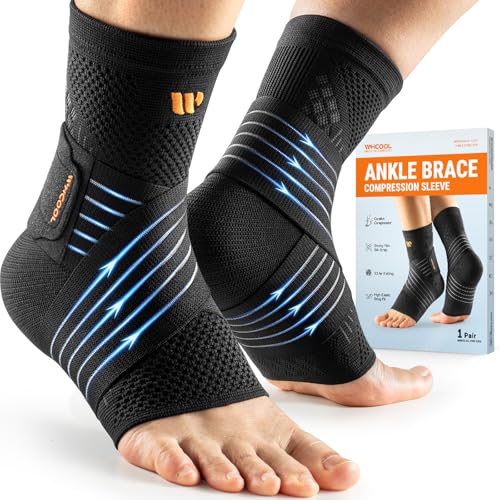
WHCOOL Low-Profile Ankle Brace with Wide Strap (L)

WHCOOL Slim-Fit Quick Lace-Up Ankle Brace with Auto-Shaped Pads (M)

WHCOOL Slim-Fit Quick Lace-Up Ankle Brace White (M)

ZAMST A2-DX Ankle Brace for Heavy Sprains (Right, Large)

Modvel Foot & Ankle Brace Socks Compression Sleeve

Strassburg Sock Plantar Fasciitis Sock with Adjustable Strap (Blue, L)
Why These Options Stand Out
The TechWare Pro sleeve earns its spot because it slips on like a sock and stays out of the way, which matters when your day starts with a commute and ends with a long shift on your feet. The thin knit compresses the Achilles tendon and arch without forcing you to size up your shoes, so it works under most sneakers and casual boots. You feel a snug, even hug rather than a stiff wrap, which is what tendinitis typically responds to in the early recovery phase.
Two sleeves ship in a bundle, one black and one beige, which means a clean spare for travel or laundry days. Moisture-wicking fabric helps if you wear it for evening walks or light workouts. For tendinitis rather than acute injury, this kind of consistent low-grade compression tends to suit daily wear better than bulkier lace-ups.
Useful Strengths
- Slim profile fits inside most athletic and work shoes without pressure points
- Graduated compression supports the Achilles tendon and arch at the same time
- Two-pack means a rotation between washes or between home and the gym bag
- Breathable knit handles long days on feet without trapping heat
- Pull-on design needs no strapping, so application takes seconds
Things To Consider
- Pull-on style offers less fine-tuned tightness than hook-and-loop wraps
- Compression feel depends heavily on sizing accuracy, especially around the L/XL band
Who It Suits Best
Commuters, retail workers, and casual walkers managing early-stage Achilles or posterior tibial tendinitis who want a sleeve that disappears under shoes.
Look Elsewhere When
Runners returning from a heavier sprain will find more structured side support in the WHCOOL Slim-Fit Quick Lace-Up Ankle Brace with Auto-Shaped Pads covered later.
The WHCOOL Low-Profile brace stands out for the wide adjustable strap, which lets you dial in pressure around the ankle rather than committing to a fixed knit tension. You get a sleeve base plus a wide outer wrap, so the brace adapts as swelling fluctuates through the day. Compare that to the TechWare sleeve, which is pull-on only, and you can see why this design appeals to people whose swelling or pain changes hour to hour.
The knit targets the Achilles tendon, heel, and sole with patterned compression that supports the arch without choking it. In real terms, that translates to a brace you can wear from desk work to a short evening walk without retying. For tendinitis paired with mild plantar fasciitis, the combination of sleeve plus strap is a sensible middle ground.
Positive Takeaways
- Wide strap allows custom tightening on either side of the ankle
- Low-profile knit fits most shoes without forcing a half-size adjustment
- Patterned compression supports the Achilles and plantar fascia together
Trade Offs
- Two-part design takes longer to put on than a simple sleeve
- Strap placement may need readjusting after socks change or swelling shifts
Made For
People with variable swelling who want compression they can retune through the day, especially when tendinitis overlaps with plantar pain.
Consider Something Else When
Runners needing lace-up side stabilizers should look at the WHCOOL Slim-Fit Quick Lace-Up Ankle Brace with Auto-Shaped Pads (M) in the next review.
Quick Facts
The black Slim-Fit lace-up earns its place for athletes who want structure without bulk, since two auto-shaped pads sit on either side of the ankle bone to give lateral support during cuts and rebounds. The lace-up front replaces the wide strap found on the WHCOOL low-profile model, so you get firmer compression across the forefoot. For peroneal tendonitis and lateral sprain recovery, that firm wrap matters more than a soft sleeve.
The air-permeable fabric keeps heat down, which tends to matter during longer training sessions. Size M maps to 12 to 13 inch ankle circumferences, so measuring before ordering pays off. People returning to running, court sports, or pickup basketball after a light sprain often need this kind of hybrid design, firm enough to protect, slim enough to fit a trainer.
Notable Upsides
- Auto-shaped pads cushion the ankle bone without sharp pressure
- Lace-up design allows repeatable, symmetrical tightening
- Air-permeable fabric reduces heat build-up during sport
- Lateral stability supports peroneal tendonitis and inversion injuries
Room For Improvement
- Lace-up takes longer to apply than a pull-on sleeve
- Sizing assumes an accurate ankle measurement, and wide feet may want to size up
Best Suited To
Returning runners, court sport players, and gym regulars with mild sprains or peroneal tendonitis who want structured support inside a sneaker.
A Better Fit Elsewhere
Anyone needing heavier Grade III sprain or chronic instability support should turn to the ZAMST A2-DX Ankle Brace covered later.
The white version of the Slim-Fit lace-up shares the same fit system and auto-shaped pads as the black model, so the support profile is identical. The color simply opens the door to white sneakers, light-toned trainers, and certain uniform requirements where a black brace would clash. You get the same hook-and-loop quick closure and lace-up tension, which makes repeat tightening easy across practices.
In team settings, a white brace often disappears visually on the court or field, which matters to athletes who do not want a bulky medical-looking accessory on display. The trade-off shows up in cleaning, since lighter fabric tends to show grass stains, sock lint, and dust more than black. Functionally, expect the same peroneal tendonitis and light sprain coverage as the black sibling.
Where It Excels
- Matches light footwear and uniforms without color clash
- Same auto-shaped pads and lace system as the black version
- Air-permeable knit keeps the foot cool in warm gyms
Points To Note
- Light color shows dirt and sweat marks more readily than darker braces
- Identical sizing demands an accurate ankle measurement in the 12 to 13 inch range
Perfect Match For
Volleyball, pickleball, and tennis players on light courts who want firm support that visually blends with their kit.
Swap It Out When
Buyers who need heavier Grade III sprain bracing should reach for the ZAMST A2-DX Ankle Brace from this list instead.
The ZAMST A2-DX plays a different game than the lace-ups above because it targets heavy sprains and chronic ankle instability with rigid side stabilizers and a reinforced heel cup. Compare that to the WHCOOL Slim-Fit pair, which favors soft pads and flexible lace tension, and the difference is clear. The A2-DX is built for the kind of tendinitis that follows an old Grade III sprain or repeated giving-way episodes, not for first-time minor aches.
The adjustable lace-up front and dual side stays create a semi-rigid frame that limits inversion, which is what peroneal tendonitis typically needs during rehab. Right-foot, large sizing matters here because the brace is side-specific and you want a snug shell. It runs warm and bulky, so it pairs best with a roomy athletic shoe rather than a dress shoe.
What Makes Sense
- Rigid side stabilizers limit inversion during rehab and return-to-sport phases
- Adjustable lace-up lets you set tension precisely per session
- Engineered for heavy sprains, peroneal tendonitis, and chronic instability
Honest Caveats
- Bulky profile needs a roomy athletic shoe and may feel warm on hot days
- Side-specific design means you order carefully for right or left foot
Feature Card
Who Should Grab It
People managing post-sprain rehab, chronic ankle instability, or stubborn peroneal tendonitis that milder sleeves have not resolved.
Reach For A Different Pick When
Everyday wearers with mild Achilles pain who want a low-profile sleeve will be happier with the TechWare Pro Ankle Brace Compression Sleeve from the top of this list.
The Modvel sleeve offers a flexible nylon knit that feels more like a sport sock than a medical brace, which is the appeal for anyone who does not want a heavy wrap on display. Calibrated compression levels target the arch and ankle simultaneously, so it handles both tendinitis and arthritis-style stiffness in one piece. Compared with the TechWare sleeve, the knit feels a touch softer, with less squeeze and more breathability.
The pull-on design stays put during walks, gym sessions, and long shifts, according to widely reported user feedback, without the bulk of a lace-up frame. Owners commonly note that it washes well and holds shape after repeated cycles, which helps if you plan to rotate it daily. For tendinitis paired with mild ligament or arthritic discomfort, the balance of support and softness is the main draw.
The Value In It
- Nylon knit feels lightweight and breathable on long days
- Calibrated compression covers arch, ankle, and Achilles together
- Pull-on fit suits quick wear for walks, errands, and gym sessions
Small Caveats
- No rigid elements, so it is not built for heavy sprain protection
- Compression depends on correct sizing, especially across wide feet
Built With In Mind
Active people managing combined tendinitis, mild arthritis, or post-activity ankle fatigue who prefer a sock-like feel over a brace.
Not Your Match When
Anyone needing overnight dorsiflexion stretching for plantar fasciitis will benefit more from the Strassburg Sock Plantar Fasciitis Sock covered next.
The Strassburg Sock takes a different approach from every other pick on this list because it is built for overnight wear, holding the foot in a slightly dorsiflexed position (toes pulled gently toward the shin) to keep the plantar fascia and Achilles tendon on a low, constant stretch. The adjustable strap lets you set the angle of stretch, which matters when tendinitis makes aggressive stretching painful. In the morning, the ankle often feels less stiff because the soft tissue has not shortened overnight.
Compression knit targets the arch, heel, and ankle together, so it pulls double duty for plantar fasciitis, Achilles tendinitis, and general post-sprain soreness. You sleep in it rather than run in it, which means it complements rather than replaces the daytime sleeves in this roundup. If your worst pain hits the moment your feet hit the floor, that is where this sock earns its keep.
The Case For It
- Adjustable strap sets a custom stretch angle for sensitive tendons
- Worn overnight to reduce morning stiffness in plantar fascia and Achilles
- Compression knit supports arch, heel, and ankle in one garment
Practical Considerations
- Not designed for walking or athletic use during the day
- Takes time to get used to sleeping with the foot held in dorsiflexion
The Right Fit
People whose tendinitis and plantar pain peak at sunrise, and who want a recovery tool that works while they sleep.
Where Another Pick Suits Better
Daytime athletes and runners who need support on their feet should keep the WHCOOL Slim-Fit Quick Lace-Up Ankle Brace with Auto-Shaped Pads in their kit instead.
What To Weigh Before Choosing Ankle Braces For Tendonitis
Compression Level And Knit Weight
Compression knit is fabric engineered to squeeze the ankle and arch at a steady pressure, which helps calm swelling around an inflamed tendon. Light compression suits early-stage tendinitis and all-day wear, while firmer compression helps when swelling spikes after activity. Thin knits fit inside most shoes, which matters if you plan to wear the brace to work or on a run.
A thicker knit delivers stronger squeeze but often demands a half-size larger shoe. Tendinitis typically responds best to a medium level you can tolerate for hours, not the tightest sleeve you can pull on.
Structure: Sleeve Versus Strap Versus Lace-Up
Sleeves like the TechWare Pro and Modvel options slip on like socks and feel minimalist, which is right for everyday wear. Strap-based designs such as the WHCOOL Low-Profile brace let you retune tightness as swelling changes through the day. Lace-up braces with side stays, including the WHCOOL Slim-Fit pair and the ZAMST A2-DX, add lateral stability for sports and heavier sprain recovery.
Choosing the wrong category is a common reason braces end up unused. A sleeve cannot replicate the side stability of a lace-up, and a heavy lace-up is overkill for mild Achilles soreness.
Sizing And Foot Volume
Most braces list ankle circumference in inches, and accuracy here drives both comfort and effectiveness. A sleeve that is too loose provides almost no compression, while a brace that is too tight can irritate the tendon. Measuring at the narrowest point of the ankle, often called the malleolus (the bony bump on each side), gives the most reliable number.
Wide feet, swelling, or high arches often need a size up rather than a strict circumference match.
When To Step Up To A Brace
Sleeves and socks cover the vast majority of tendinitis cases, but certain signs suggest a structured brace fits better. Recurring giving-way episodes, repeated inversion sprains, or a sprain that never quite healed usually point toward a lace-up with side stabilizers. Overnight stiffness that does not improve with stretching alone is another signal that a sleep sock or a more rigid daytime brace is worth trying.
The right tool depends on the pattern of pain, not just the label on the box.
Key Considerations Across These Picks
Common Buying Slip Ups
The biggest trap is choosing by compression strength alone, since the tightest sleeve is not always the most useful one. People often buy a brace sized for their shoe rather than their ankle, then wonder why the knit feels slack or cuts off circulation. Another slip is skipping measurement of both feet, because ankle circumference can differ enough to change the size you need. Treating tendinitis as a sprain, or vice versa, also leads to wrong-category purchases that sit in a drawer.
What The Higher Tier Buys
Stepping up from a basic sleeve to a lace-up brace adds rigid side stays, a reinforced heel cup, and firmer lace tension that limit inversion. Those features matter most for Grade III sprain rehab or chronic instability, where the ankle rolls without warning. You also pay for tighter quality control on the stabilizer plastics, which tend to last longer under repeated stress. For everyday tendinitis, the extra support is rarely necessary, but for heavier cases, the upgrade pays off in fewer re-injuries and steadier return-to-sport confidence.
Frequently Asked Questions
How tight should an ankle brace for tendonitis feel?
A brace for tendinitis should feel snug and supportive without creating sharp pressure or numbness, and you should still be able to wiggle your toes comfortably. If circulation feels cut off or pain increases during wear, the size or compression level is wrong.
Can I sleep in an ankle brace for tendonitis?
Only braces designed for overnight wear, such as the Strassburg Sock, are intended for sleep, since they hold the foot in a gentle stretch. Standard compression sleeves and lace-ups can trap heat or restrict circulation during long sleep periods and are better reserved for daytime use.
Should I wear an ankle brace all day for tendonitis?
Most people do well wearing a brace during activity and for a few hours afterward, then removing it to let the skin breathe and to check for irritation. Long, continuous wear without breaks can sometimes cause skin irritation or dependence on external support, so short breaks tend to help the tendon keep doing its own stabilizing work.
Do ankle braces help Achilles tendonitis specifically?
Compression sleeves and lace-ups can reduce load on the Achilles tendon and calm swelling during recovery, which is why most tendinitis braces on this list mention Achilles support. A brace works best alongside a stretching and strengthening routine rather than as a stand-alone fix.
How do I clean an ankle brace?
Most knit sleeves and socks can be hand-washed in mild soap and air-dried away from direct heat, which extends elastic life. Lace-up braces with rigid stays usually need spot cleaning around the fabric and a check of the hook-and-loop closures, since lint buildup reduces grip over time.
Bottom Line
The right ankle brace for tendinitis matches the pattern of your pain, not just the severity of the label. Lightweight sleeves serve daily wear and early-stage soreness, lace-ups anchor recovery from mild sprains, and overnight socks handle morning stiffness. Pick the tool that fits the moment, give your tendon time to respond, and let the brace support your routine rather than replace it.