

A nagging pain along the outer ankle that flares when you push off to walk, run, or climb stairs often points to peroneal tendonitis. The right brace takes the load off the irritated tendon while keeping your foot stable enough to keep doing the things you love.
The Picks In Brief

Procare Ankle Support Stabilizer Medium Model 79-81355
DonJoy Stabilizing Speed Pro Ankle Support Brace

Sleeve Stars Ankle Brace Men & Women (Black, Medium)

Sleeve Stars Ankle Brace for Plantar Fasciitis Relief (Light Blue)

Sleeve Stars Compression Ankle Support (Baby Pink)

ZAMST A2-DX Ankle Brace for Heavy Sprains (Right, Large)

Modvel Foot & Ankle Compression Brace Sock
The Picks, Examined More Closely
Procare has been in the orthopedic brace game for decades, and the Model 79-81355 reflects that quiet competence. Built for medium-sized ankles, it uses a lace-up body with figure-8 crossover straps that wrap around the heel and under the arch, holding the talus (the small bone that sits between your heel and shin) in a neutral position while letting the peroneal tendons (the cord-like structures running behind the outer ankle bone) rest.
For runners returning from a flare-up, or anyone on their feet all day at work, this is the brace that disappears into your routine. It slips into most sneakers, and the open-heel design keeps the back of the ankle from getting hot during long shifts. If you’re stepping back into activity after a stretch of rest, the moderate compression feels reassuring without feeling clinical.
Notable Upsides
- Lace-up construction lets you fine-tune the snugness throughout the day as swelling changes.
- Figure-8 strapping (a strap pattern that crosses around the heel) targets the lateral ankle, the exact spot peroneal tendonitis strikes.
- Slim enough to wear inside everyday sneakers without forcing you to size up.
- Open-heel and tongue design helps breathability on warm days or long shifts.
- Hand-washable fabric makes it easy to keep fresh after sweaty sessions.
Things To Consider
- Lacing takes a minute or two, which can feel slow before quick morning workouts.
- Some wearers report the tongue bunching until broken in, which may take a few wears.
Who It Suits Best
Active adults managing mild to moderate peroneal tendonitis who want dependable support that fits inside their regular shoes.
Consider Something Else When
Shoppers needing maximum rigid stabilization for a Grade III sprain will find more structure in the ZAMST A2-DX covered further down.
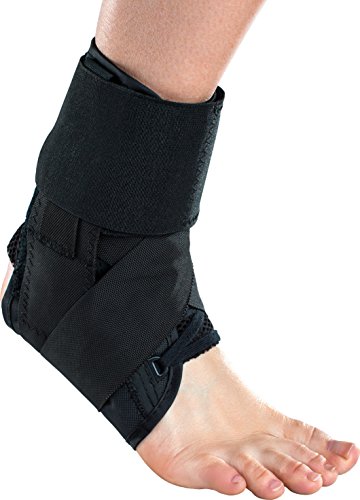
DonJoy built the Speed Pro for athletes who don’t have time to fiddle with thin laces mid-game. The shell uses 800D ballistic nylon (a tough, tightly woven synthetic that resists tearing) with reinforced eyelets (the small holes the lace threads through) that hold up to repeated yanks. You lace once, then the Velcro overlay locks everything in place.
Compare that to Procare’s classic lace-up approach, and the difference shows up in how fast you can get moving. Basketball players cutting on hard courts, volleyball athletes launching into jumps, and soccer players pivoting repeatedly will appreciate the figure-8 strap that cradles the heel while the rigid tongue keeps the front of the ankle centered.
Advantages To Know
- High-denier nylon shell resists abrasion in cleats and court shoes.
- Speed-lace overlay with Velcro closure cuts dressing time significantly.
- Figure-8 strapping pulls the heel inward, offloading the peroneal tendons.
- Low-profile tongue fits inside most athletic footwear without pressure points.
Honest Caveats
- Stiffer materials run warmer than sleeve-style braces in summer.
- Bulkier profile may not suit narrow dress shoes for office wear.
- Premium materials come at a noticeably higher cost than basic sleeves.
Made For
Competitive athletes and serious recreational players who need fast, repeatable support across practices and games.
Where Another Pick Suits Better
Casual walkers and home-based workers will likely prefer the lighter sleeve feel of the Modvel brace covered later in the list.
Sleeve Stars takes a softer approach. This medium-sized sleeve slips on like a sock and adds calibrated compression (graduated squeeze that feels snug but not painful) that helps blood move through the irritated tendon area. An included strap lets you dial in extra lateral support when the ankle feels loose.
For anyone in the early stages of peroneal tendonitis, or for desk workers whose ankles ache by mid-afternoon, this brace covers the basics without bulk. The black color hides under trousers, and the breathable knit keeps sweat from pooling during long commutes.
What Helps Most
- Slip-on design takes seconds to put on before leaving the house.
- Adjustable strap adds targeted lateral pressure when needed.
- Knit fabric breathes well under trousers and casual sneakers.
Points To Note
- Sleeve compression alone won’t stabilize a chronically unstable ankle during cutting sports.
- Sizing between Medium (10 to 12 inches) and other options can confuse first-time shoppers.
The Right Fit
Mild cases of peroneal tendonitis in adults who want a low-profile brace they can wear at work or on long walks.
A Better Fit Elsewhere
Side-line athletes needing rigid support should look at the DonJoy Speed Pro reviewed earlier.
The light blue version of the Sleeve Stars system bundles an ankle wrap with a separate heel protector sleeve, addressing two trouble spots at once. The wrap delivers compression around the ankle joint, while the heel sleeve cushions the fat pad under the calcaneus (your heel bone), which often aches alongside peroneal tendonitis.
For older adults, retail workers on hard floors, or anyone whose foot pain travels between the ankle and the heel, this combo format keeps things tidy. Each piece works independently, so you can wear just the wrap on a hot day or use both during flare-ups.
A Few Highlights
- Two-piece design addresses both ankle and heel pain without overlap.
- Adjustable strap lets you ramp up compression as swelling increases.
- Heel sleeve cushions impact during extended standing shifts.
Small Caveats
- Wearing both pieces can feel warm in summer shoes.
- Heel sleeve adds bulk in snug-fitting flats.
Best Suited To
People dealing with overlapping ankle and heel discomfort who want one bundle instead of separate purchases.
Skip It When
Runners focused purely on ankle stabilization will get more value from the Procare Model 79-81355 reviewed first.
This third entry from Sleeve Stars leans into the brand’s core recipe: a snug knit sleeve paired with an adjustable compression strap. The baby pink color is a small touch, but it matters for shoppers who prefer lighter shades in their gear. Functionally, the brace behaves like the black version covered earlier.
Where this pick stands out is during recovery. After a physical therapy session or a long walk that leaves the tendon angry, the gentle compression feels like a steady hand on the joint. It’s not built for cutting sports, but it serves well during the rebuild phase.
What Pays Off
- Soft knit fabric feels comfortable against sensitive skin during recovery.
- Adjustable strap customizes compression to match swelling through the day.
- Light colorway hides dirt less obviously than black alternatives.
Potential Compromises
- Knit material stretches over months of daily use, reducing compression.
- Not rigid enough for high-impact pivoting sports.
Who Should Grab It
People in the mid-stage of peroneal tendonitis recovery who want comfort-first support during daily routines.
Reach For A Different Pick When
Anyone returning to basketball or trail running will need more structure from the DonJoy Speed Pro.
ZAMST engineered the A2-DX for ankles that need more than fabric compression can offer. Side stabilizers run along both sides of the ankle, while a lace-up front and adjustable straps lock the heel into a neutral position. Available in right-foot configurations (Small, Medium, Large), this large version fits broader frames.
For chronic instability following multiple sprains, or for athletes returning from a Grade III tear, this brace provides structure that sleeves simply can’t match. The trade-off is bulk: you’ll want a roomy athletic shoe to accommodate it.
Useful Touches
- Rigid side stabilizers prevent the rolling motion that aggravates peroneal tendons.
- Adjustable lace-up and strap system lets you stage support as recovery progresses.
- Built specifically for heavy sprains and chronic instability cases.
Things To Weigh
- Bulk means you’ll likely need to size up your athletic shoes.
- Putting it on takes longer than a simple sleeve brace.
- Higher price tier than compression-only alternatives.
Quick Facts
Perfect Match For
Adults managing chronic ankle instability or recovering from severe sprains who need rigid hardware-grade support.
Another Choice May Suit
Those with mild symptoms wanting all-day comfort should consider the Modvel sock-style brace reviewed next.
Modvel approaches the brace category from a sock-design angle. Pull it on like a sock, and the knit fabric wraps the ankle and midfoot in calibrated compression. For peroneal tendonitis linked to tendon inflammation from overuse, the gentle squeeze can ease discomfort during low-impact activity.
Think errands, dog walks, or light hikes on even terrain. Modvel’s sock format slips into sneakers and casual shoes easily, making it a practical pick for anyone who finds traditional braces too fiddly. Compared to the heavier ZAMST reviewed just before, this is the everyday companion piece.
The Practical Payoff
- Sock-style fit requires zero adjustment time before heading out.
- Knit construction stays comfortable against bare skin without irritation.
- Low profile fits inside casual and athletic footwear without bulk.
Things That May Matter
- No rigid components, so it won’t stabilize a truly unstable ankle.
- Elasticity gradually loosens with frequent machine washing.
Built With In Mind
Casual users with mild tendonitis symptoms who prioritize convenience over clinical-grade stabilization.
Look Elsewhere When
Anyone returning to competitive court sports should invest in the DonJoy Speed Pro’s rigid support instead.
What Matters Most Before Choosing Ankle Braces For Peroneal Tendonitis
Compression Versus Rigid Stabilization
Compression sleeves like the Sleeve Stars and Modvel options rely on graduated squeeze to support blood flow and reduce swelling around the tendon. Rigid braces like the ZAMST A2-DX and DonJoy Speed Pro add hard panels or figure-8 straps that physically prevent the foot from rolling outward, the motion that irritates peroneal tendons most.
For early-stage or mild symptoms, compression often feels more comfortable for daily wear. For chronic instability or post-sprain recovery, rigid hardware makes a meaningful difference in confidence during movement.
Sizing and Foot Specificity
Ankle braces that lean on compression require accurate circumference measurements to deliver the right squeeze. Lace-up and rigid braces use size categories that match shoe size roughly, but checking each brand’s chart prevents returns. Right-foot and left-foot specific models, like the ZAMST A2-DX, need careful matching to your affected side.
Activity Level and Footwear
Your daily movement pattern shapes the best choice. Office workers and casual walkers usually prefer low-profile sleeves that disappear under trousers. Court athletes and trail runners need rigid support, which means roomier shoes to accommodate the bulk. Matching the brace to your dominant activity prevents the frustration of buying something that sits in a drawer.
Wear Duration and Maintenance
Sleeve-style braces typically machine wash on gentle cycles, though elasticity fades over months of daily use. Lace-up and rigid braces handle hand-washing better and last longer with air drying. If you plan to wear the brace through long shifts or sweaty sessions, factoring in cleaning time keeps it effective longer.
Key Considerations Across These Picks
Wrong Turns To Avoid
Buying a rigid brace for mild symptoms often backfires: the bulk and stiffness feel worse than the original pain, and you abandon it within a week. Conversely, choosing a soft sleeve for a genuinely unstable ankle leaves the joint unsupported during the moments that matter most. Matching the brace grade to your actual condition, not your worst-case fear, leads to consistent wear and better outcomes.
What The Higher Tier Buys
The jump from sleeve to rigid brace brings hard stabilizers, reinforced eyelets, and adjustable strap systems that simply don’t exist in compression-only designs. These features matter most when you need to trust your ankle during cutting movements, jumps, or uneven terrain. For shoppers whose activities push the joint hard, the upgrade from a sleeve to a DonJoy or ZAMST often pays back in fewer flare-ups and more confidence on the foot.
Frequently Asked Questions
How tight should an ankle brace feel for peroneal tendonitis?
A brace should feel snug enough to stay in place without sliding, but never so tight that it causes numbness or tingling. You want steady compression that supports the tendon while still allowing normal blood flow.
Can I wear an ankle brace inside my regular shoes?
Sleeve-style braces like the Sleeve Stars and Modvel fit inside most casual and athletic footwear. Rigid braces such as the ZAMST A2-DX and DonJoy Speed Pro typically require shoes with a roomier toe box and slightly larger sizing.
Should I wear the brace all day or only during activity?
For mild tendonitis, wearing the brace during activity and for a short period afterward often works well. For chronic instability, many wearers find all-day use during the recovery phase gives the tendon a consistent break from strain.
How do I clean my ankle brace without damaging it?
Most fabric braces do well with hand-washing in cool water and air drying away from direct heat. Machine washing on gentle cycles works for some knit sleeves, though it shortens the lifespan of the elastic over time.
When should I stop using an ankle brace for peroneal tendonitis?
As symptoms ease and the tendon strengthens through rehabilitation, gradually reducing brace use helps the joint regain natural stability. Persistent pain or recurring instability signals it’s time to reassess with a clinician rather than push through.
Closing Remarks
The right ankle brace for peroneal tendonitis matches the severity of your symptoms, the shape of your daily activity, and the shoes you actually wear. Match the support level to your real life, give each option a fair trial period, and your ankle will thank you with steadier, more comfortable movement.