


Osteoarthritis in the ankle makes every step feel like a negotiation. Stiff mornings, swelling by afternoon, and the nagging worry that a stray curb could turn a routine walk into a setback. The right brace won’t cure the joint, but it can steady your stride, ease that constant ache, and give you the confidence to stay active. This roundup walks through seven solid options across different support levels, from soft compression sleeves to rigid lace-up stabilizers, so you can match the brace to your day rather than the other way around.
Your Options, Compared

ACE Deluxe Adjustable Ankle Brace (Pack of 2)

Modvel Foot & Ankle Compression Brace Sock
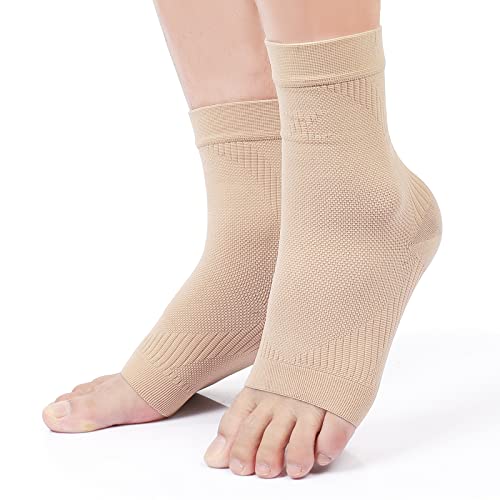
KEKING Ankle Brace Compression Sleeve

ZAMST A2-DX Ankle Brace

Med Spec ASO Ankle Stabilizer

INDEEMAX Copper-Infused Ankle Compression Sleeve

Fitomo Quick Lace Up Ankle Brace
The Details Behind The Selections
The ACE Deluxe Adjustable Ankle Brace is the kind of straightforward, no-frills support that fits naturally into a routine. Its reinforced side stabilizers help limit unwanted side-to-side motion, which matters when an arthritic joint is already fighting inflammation. The wrap-style design slips on without a fight and sits low enough to wear inside most everyday shoes.
You get a two-pack here, which keeps a spare on hand for rotation between hand-wash cycles. Compared with the rigid lace-up options later in this list, this one trades maximum stability for a slimmer profile. Most people with mild-to-moderate osteoarthritis find that balance exactly right for errands, short walks, and around-the-house wear.
Useful Highlights
- Reinforced side panels curb sideways rolling that can aggravate arthritic ankles.
- Adjustable wrap closure lets you fine-tune pressure across the day as swelling shifts.
- Slim profile slips inside most lace-up or casual shoes without forcing a size up.
- Two-pack value means one stays in the wash while the other stays in service.
- Beginner-friendly application, no lacing required.
Things To Consider
- Less structured than the rigid picks on this list, so it won’t suit advanced instability.
- The wrap material can trap heat during long summer walks; hand-washing helps with odor buildup.
Who It Suits Best
Anyone managing early-stage osteoarthritis who wants a comfortable, easy-on brace for daily errands and light walking without committing to a rigid stabilizer.
Where Another Pick Suits Better
Choose the ZAMST A2-DX Ankle Brace instead if your ankle gives way unexpectedly or you need firm, locked-down support during longer activity sessions.
The Modvel brace takes a different route, wrapping the foot and ankle in a knit sleeve that feels closer to a performance sock than a medical brace. Calibrated compression hugs the arch, heel, and Achilles, which helps manage the swelling that often follows a long day on an arthritic joint. It stays in place surprisingly well for a sleeve design.
Where the ACE brace above leans on straps, this one trades rigidity for flexibility. That makes it a natural pick for slipping into sneakers at the gym or under work shoes for an eight-hour shift. For anyone whose arthritis flares are matched by tendon or ligament sensitivity, the dual-purpose design covers both without extra bulk.
What Works In Its Favor
- Knit sleeve design moves naturally with the foot, so it suits runners and walkers alike.
- Targeted compression supports the arch and Achilles without squeezing the heel painfully.
- Thin enough to wear inside standard athletic shoes without crowding your toes.
- Machine-washable fabric simplifies everyday care.
Worth Noting
- No rigid side stabilizers, so it won’t stop a severely unstable ankle from rolling.
- Compression feel can run warm; you may find it heavy during peak summer humidity.
Made For
Active adults with osteoarthritis plus tendon or ligament sensitivity who want compression they can forget they’re wearing while moving through a full day.
Look Elsewhere When
Reach for the Med Spec ASO Ankle Stabilizer instead if your ankle needs a true mechanical lock against rolling during cutting sports or uneven terrain.
The KEKING sleeve lands in the middle ground between the ACE wrap and the Modvel sock. Graduated compression, meaning the pressure is tighter at the foot and lighter toward the calf, encourages fluid to move upward rather than pool around the ankle. For someone whose joint pain gets worse by mid-afternoon, that detail can change how the day feels.
The supportive knit cradles both the arch and heel, which matters when osteoarthritis travels with plantar fasciitis or heel spur irritation. It runs a touch thicker than the Modvel option, so you may want to pair it with roomier footwear. As a generalist compression sleeve, it handles multiple complaints without leaning hard into any one of them.
The Case For It
- Graduated compression supports circulation, helping reduce end-of-day swelling.
- Knit construction stabilizes the arch and heel in one piece, covering common companion issues.
- Slip-on design means no fiddling with straps during a rushed morning.
- Holds up well through regular washing when air-dried away from direct heat.
Trade Offs
- Thicker knit may feel snug inside slim dress shoes.
- Compression strength varies by size selection; measure carefully to avoid a too-tight fit.
Best Suited To
People juggling osteoarthritis alongside plantar fasciitis or Achilles stiffness who want one sleeve that addresses both without overengineering the support.
Not Your Match When
Pick the Fitomo Quick Lace Up Ankle Brace instead if your ankle needs structured side support you can remove as swelling decreases during recovery.
The ZAMST A2-DX is the heavyweight on this list, built for ankles that have stopped fully trusting themselves. Its rigid side stabilizers and lace-up closure create a structured shell around the joint, limiting both inversion (rolling outward) and eversion (rolling inward) that can turn a misstep into a serious setback. For chronic instability paired with osteoarthritis, that mechanical lock brings real peace of mind.
This brace is right-specific and size-specific, so getting the correct fit takes extra care. The trade-off is meaningful: you trade the slim profile of the sleeves above for clinical-grade support that holds up through longer activity. Peroneal tendonitis sufferers will appreciate how the side panels take pressure off the outer ankle, a zone often irritated alongside joint wear.
What Helps Most
- Rigid side stabilizers mechanically prevent the roll patterns that trigger osteoarthritis pain spikes.
- Adjustable lace-up closure customizes fit across swelling changes through the day.
- Targeted design for chronic instability and peroneal tendon complaints, not just general soreness.
- Durable construction holds shape through repeated wear.
A Few Limitations
- Bulky profile requires shoes with enough room; sandals and low-top sneakers won’t fit comfortably.
- Lacing takes longer than a sleeve or wrap, which can frustrate users with limited hand mobility.
- Right-foot-specific sizing means left-ankle shoppers need the mirrored model.
Who Should Grab It
People with severe osteoarthritis, chronic ankle instability, or a history of heavy sprains who need firm mechanical support during high-demand days.
Skip It When
Choose the INDEEMAX Copper-Infused Ankle Compression Sleeve instead for lower-key days when rigidity is overkill and you want something breathable and easy to slip on.
The Med Spec ASO (short for Ankle Stabilizing Orthosis) is the most familiar lace-up style in athletic training rooms, and for good reason. It combines figure-8 strapping with a stabilizing sleeve, recreating the taping pattern trainers apply before games. For an arthritic ankle that needs both mechanical support and a familiar feel, that crossover fits naturally.
Unlike the ZAMST A2-DX above, the ASO is bilateral, meaning it fits either foot, which simplifies ownership. It’s been a fixture on basketball courts and football sidelines for years, which tells you something about its durability under repeated stress. The trade-off is a longer learning curve for the figure-8 wrap, but most users pick it up within a few sessions.
Why It Works Well
- Figure-8 strapping mirrors athletic taping patterns for trusted lateral stability.
- Fits either foot, simplifying sizing and replacement decisions.
- Low-profile design fits inside most athletic shoes once broken in.
- Widely used by athletic trainers, lending confidence to the support structure.
Points To Keep In Mind
- Learning the figure-8 wrap takes patience; first-time users may need to watch a tutorial.
- Elastic straps can stretch out over time with daily wear.
Perfect Match For
Active adults and recreational athletes managing osteoarthritis who want a trainer-trusted stabilizer that supports cutting movements and uneven surfaces.
Another Choice May Suit
Pick the ACE Deluxe Adjustable Ankle Brace instead when you want a quicker, slip-on option for casual daily wear and don’t need athletic-level strapping.
Key Specs
The INDEEMAX sleeve focuses on fabric rather than structure. Copper-infused nylon blended with spandex gives it a soft, breathable feel that slides into a shoe without a fight. For osteoarthritis sufferers who run warm or deal with skin sensitivity, that comfort angle matters as much as the compression itself.
The sleeve handles light stabilization work, useful for walking, casual cycling, or office wear, but doesn’t try to mimic a rigid brace. It also pairs well with socks since the fabric breathes rather than trapping heat. For the right kind of day, that lighter touch is exactly what an arthritic joint wants.
Where It Delivers
- Copper-infused knit blends breathability with light compression for sensitive skin.
- Spandex content keeps the sleeve from slipping during normal activity.
- Slim enough to layer under standard socks and shoes.
- Easy machine-wash care for daily rotation.
Room For Improvement
- No mechanical support, so it’s not built for acute instability or uneven terrain.
- Compression strength may feel light if you need firmer joint locking.
Who Will Love This
Walkers, office workers, and anyone managing osteoarthritis on low-impact days who wants breathable, sock-like comfort over rigid structure.
Reach For A Different Pick When
Choose the ZAMST A2-DX Ankle Brace if your ankle rolls easily or you need protection during demanding activity where a sleeve alone won’t cut it.
Feature Snapshot
The Fitomo Quick Lace Up closes the list with a clever twist: removable side splints. That single feature turns one brace into two support levels. On days when swelling runs high, the splints stay in and lock the ankle down. On calmer days, you can pull them out and wear it as a lighter lace-up sleeve.
The lacing system aims to shorten the dressing time, which matters when morning stiffness makes fine motor tasks harder. Size runs from small through extra-large based on heel-to-instep measurement, so accurate sizing pays off. For osteoarthritis that varies in intensity, this adjustability is a real practical win.
Positive Points
- Removable splints let you dial support up or down without buying a second brace.
- Quick lace design shortens the morning routine for stiff hands.
- Multi-stage strapping supports adjustable compression through changing swelling.
- Wide size range covers most foot profiles when measured correctly.
Honest Caveats
- Sizing requires measuring around the heel and instep, which takes extra effort upfront.
- Lacing takes more practice than a wrap or sleeve, especially during the first few uses.
- Removing and reinstalling the splints can be fiddly for users with limited hand dexterity.
Built With In Mind
Shoppers whose osteoarthritis fluctuates day to day and want one brace that adapts to both calm and unstable stretches without owning two products.
A Better Fit Elsewhere
Pick the KEKING Ankle Brace Compression Sleeve when you want a slip-on sleeve for low-key days and don’t want to deal with laces or removable hardware.
Feature Rundown
What To Weigh Before Choosing Ankle Braces For Osteoarthritis
Support Level Matters More Than Fabric
Osteoarthritis symptoms range from morning stiffness to outright instability, so the support level you pick should match your worst day, not your best. Soft sleeves and wrap braces like the ACE Deluxe or INDEEMAX cover comfort and mild swelling, but they won’t stop a rolling ankle. Rigid lace-up stabilizers like the ZAMST A2-DX or Med Spec ASO bring mechanical support that holds the joint in place during uneven walking. Match the structure to your activity, then check the fabric against your skin sensitivity and heat tolerance.
Shoe Compatibility Often Decides Comfort
A brace only helps if you can actually wear it. Sleeves and thin wraps slide into most sneakers, but rigid stabilizers need shoes with enough room to fit the bulk. Measure your footwear’s interior before choosing a structured brace, and expect to size up your casual shoes if you plan to wear a lace-up model daily. Trying the brace on with your most-used shoes prevents the common mistake of buying excellent support you can’t actually wear outside.
Compression Should Reduce, Not Cut Off
Graduated compression (tighter at the foot, lighter up the calf) helps move fluid back toward the heart, easing the swelling that often tags along with arthritic ankles. Uniform compression can feel supportive at first but may restrict circulation during long wear. Look for socks and sleeves that name their pressure range, like the 20-30 mmHg (millimeters of mercury, the standard unit for compression strength) figure the KEKING sleeve targets. Anything tighter deserves a break every few hours.
Common Pitfalls Worth Dodging
Wrong Turns To Avoid
The most common mistake is choosing a brace based on severity alone rather than your actual day. A rigid brace that locks the ankle down is wasted on a desk job but essential for hiking. The opposite mistake, picking a soft sleeve for active days on uneven ground, leaves the joint unprotected when it matters. Map your support level to your hardest activity, then work down from there.
Where The Extra Money Goes
Premium ankle braces tend to spend the budget on three things: sturdier side stabilizers, breathable technical fabrics, and bilateral or adjustable sizing. The ZAMST A2-DX and Med Spec ASO earn their higher tier through rigid molded panels and trainer-trusted strapping patterns that cheaper wraps can’t replicate. For users with moderate symptoms, a mid-range sleeve delivers most of the comfort benefit without the rigidity tax. The upgrade is worth it when instability or recurring tendon pain is part of your picture.
Frequently Asked Questions
Do ankle braces actually help with osteoarthritis pain?
Compression and stabilization reduce the micro-motions that irritate an arthritic joint, which often translates into less aching during daily activity. A brace won’t reverse cartilage wear, but it can make walking, standing, and light exercise more tolerable.
Should I wear an ankle brace all day?
Most users wear a brace during activity and remove it for rest periods to let the skin breathe. Continuous wear can cause moisture buildup or skin irritation, so a few hours on and a few hours off tends to work better than around-the-clock use.
Can I wear an ankle brace inside my regular shoes?
Slim sleeves and wrap braces fit most standard footwear, but rigid lace-up stabilizers usually require shoes with extra room. Trying the brace on with your go-to sneakers before wearing it outside saves a lot of frustration.
How do I know if I need a sleeve or a rigid brace?
Sleeves handle swelling, mild soreness, and light activity, while rigid braces address instability, recurring rolls, and heavier demand. If your ankle gives way on uneven ground or stairs, rigidity matters more than compression.
Are copper-infused fabrics better than regular compression sleeves?
The copper in fabrics like the INDEEMAX sleeve primarily helps with odor control and may add breathability, but it doesn’t change the mechanical support. Choose based on fit and comfort, treating copper as a comfort feature rather than a performance upgrade.
Bottom Line
Ankle osteoarthritis rewards a thoughtful match between joint, activity, and brace. Soft sleeves earn their place on quiet days when swelling and stiffness lead the symptoms, while rigid lace-ups earn theirs when instability threatens to interrupt the day. Start with your hardest activity, choose a brace that handles it well, and adjust as your symptoms shift. That simple pairing usually beats any single-product solution.