

Sliding into second, pivoting on a grounder, or jumping for a line drive puts the same demand on your ankles game after game. The right support keeps you moving through innings instead of sitting them out. These seven picks cover everything from light compression for prevention to rigid stabilizers for sprains that need real structure.
The Essentials At A Glance

Sleeve Stars Ankle Brace Men & Women Support

Sleeve Stars Ankle Brace with Heel Protectors

Sleeve Stars Ankle Support for Ligament Damage
KEKING Ankle Compression Sleeve

ZAMST A2-DX Lace-Up Stabilizer Brace
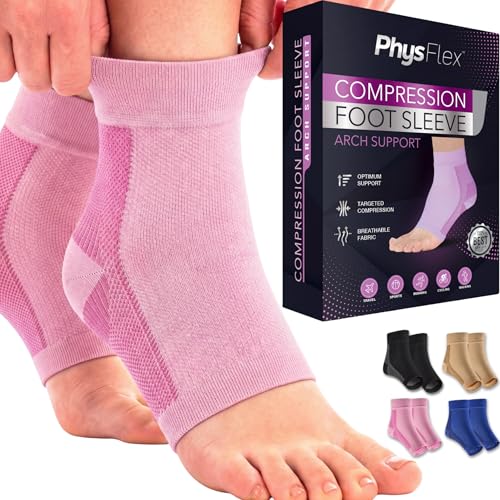
PhysFlex Ankle Compression Socks

Fitomo Quick Lace-Up Ankle Brace with Splints
The Details Behind The Selections
This Sleeve Stars model is the sort of brace most players end up grabbing first: a neoprene-style sleeve with an extra adjustable strap that lets you dial in tighter compression over the joint. The medium sizing covers roughly a 10 to 12 inch ankle circumference, which fits a wide range of high school and adult players without much fuss.
The design focuses on compression, which means it warms the joint and limits excessive side-to-side roll during lateral cuts to a ball. Compared to the heavier lace-up picks later in this list, this one slips on quickly, so you can throw it on in the dugout between innings.
Well-Handled Touches
- The adjustable strap lets you tune compression across the ankle, useful when swelling shifts mid-game.
- Single-piece construction means fewer seams to chafe under a tall sock or cleat.
- Compresses the joint without the bulk of rigid stays, so it fits inside most cleats.
- Versatile enough for practice, weight room work, and game day.
Things To Consider
- Lacks rigid side stabilizers, so it is better for prevention than for acute sprains.
- The neoprene material can hold heat during long summer games.
Who It Suits Best
Recreational and high school players who want general compression and mild support during practices and games.
Look Elsewhere When
A player coming back from a Grade III sprain will find the ZAMST A2-DX a stronger match.
Light blue and soft, this Sleeve Stars brace adds a foam heel protector and a wraparound strap, so it covers both the ankle joint and the back of the heel. The added padding matters for catchers and catchers’ equivalents who spend innings on their feet and feel soreness where the cleat cups the heel.
The brace compresses around the joint much like the first pick on this list, but with more attention to the plantar fascia. For baseball players who feel heel discomfort during or after long tournaments, that padding can make the difference between playing through the weekend and sitting out Sunday.
Reasons It Performs
- Heel padding reduces pressure where cleats tend to dig into soft tissue.
- Adjustable strap wraps around the arch for extra lift under the midfoot.
- Light enough to wear during practices without overheating.
- Offers a softer feel than the rigid picks further down the list.
Trade Offs
- Heel padding adds bulk that some players notice inside tighter cleats.
- Compression is moderate, so it won’t replace a true lace-up stabilizer.
- Foam inserts can flatten with heavy use over a long season.
Made For
Catchers, first basemen, and any player who feels heel soreness after long days on the field.
Consider Something Else When
Pitchers who want simpler ankle compression without heel padding will prefer the Sleeve Stars brace in pick 1.
Baby pink aside, this is the most medically focused Sleeve Stars option on the list, marketed toward ligament damage, mild sprains, and Achilles tendonitis. The compression strap wraps higher around the joint, which helps when the source of discomfort sits above the ankle bone rather than below it.
Players returning from a minor inversion sprain often need that extra support for a few weeks before returning to normal play. The sleeve-style design keeps it breathable enough for doubleheaders in warm weather, though the trade-off is less rigid structure than the ZAMST brace offers.
A Favorable Mix
- Adjustable strap targets the upper ankle, where ligaments take the most strain.
- Thin enough to layer under a standard baseball sock.
- Helps manage Achilles soreness during the early season ramp-up.
Points To Note
- Colorways may not match every team’s uniform preferences.
- Compression alone will not stabilize a Grade II or higher sprain.
Best Suited To
Players working through mild ligament or tendon soreness who want compression without rigid hardware.
Not Your Match When
Someone who needs serious lateral control during cutting movements will get more from the Fitomo lace-up brace in pick 7.
Feature Snapshot
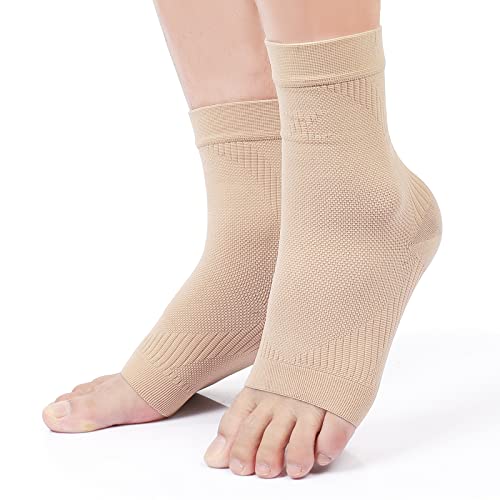
The KEKING sleeve takes a different route than the Sleeve Stars wraps. Graduated compression (tighter at the ankle and looser toward the calf) helps push swelling back up the leg during long days on the diamond. There’s no strap to fiddle with, which is a real perk before a first pitch.
Players who log long tournaments or back-to-back doubleheaders often reach for this kind of sleeve between games. It works under a sock, slips into most footwear, and adds warmth without rigidity. For pure compression, it competes closely with the PhysFlex socks in pick 6.
Real-World Strengths
- Graduated compression supports circulation during recovery between innings or games.
- No straps or buckles means nothing to adjust mid-game.
- Targeted knit over the arch and Achilles adds structure where it counts.
- Slides on like a sock, helpful for youth players still learning bracing habits.
Worth Noting
- Knit sleeves can run warm in summer heat.
- Without rigid stays, it won’t guard against hard inversion events.
Perfect Match For
Players who want simple, sock-style compression for warmups and recovery rather than structural support.
Reach For A Different Pick When
You need true lateral stabilization during play, in which case the ZAMST A2-DX is the stronger choice.
The ZAMST A2-DX is the most structured option in this roundup. Built for heavy sprains and chronic instability, it combines a lace-up front with rigid side stabilizers that resist the inversion motion responsible for most baseball ankle injuries. The right-foot, large sizing fits athletes with bigger frames, and the brand offers smaller and medium sizes as well.
This brace is heavier and slower to put on than anything else on the list, which is exactly the point. You trade convenience for control. For a player returning from a Grade III sprain or dealing with a chronically loose joint, that trade is usually worth it.
What Earns Its Place
- Rigid side stabilizers prevent the lateral roll that causes most inversion sprains.
- Lace-up design lets you tune fit precisely across the forefoot and ankle.
- Built to handle high-impact lateral movement common in baseball.
- Sized specifically for the right foot, which can improve fit compared to universal designs.
Room For Improvement
- Heavier than compression sleeves, so it may feel bulky inside standard cleats.
- Takes longer to put on than pull-on braces.
- Overkill for players who only want mild support.
Who Should Grab It
Players returning from a significant sprain or anyone with chronic ankle instability that hasn’t responded to lighter support.
Swap It Out When
Your ankle just needs general compression during a routine season, in which case the Sleeve Stars brace in pick 1 is a lighter everyday option.
Quick Facts
PhysFlex leans further into the sock concept, using firm graduated compression to support both the foot and the ankle in a single slip-on piece. For players who dread strapping on a brace before every game, this is the closest thing to wearing a thick sock.
The compression is firm, which means sizing matters more than with looser sleeves. You may find the pressure noticeable at first, though most players adjust within a few innings.
The Value In It
- Combines foot and ankle compression in one piece, so nothing shifts mid-play.
- Breathable knit helps manage moisture during summer ball.
- Easy enough for younger players to use without help.
- Affordable option for stocking team dugouts.
Honest Caveats
- Firm compression can feel tight during the first few wears.
- Less structural support than wraps or lace-ups.
Right Fit For
Players who want preventive compression without the bulk of a wrap or stabilizer.
A Better Fit Elsewhere
Anyone needing targeted ligament support will get more from the Sleeve Stars brace in pick 3.
Fitomo’s lace-up closes the list with a modular approach. Removable side splints let you step down from heavy support to lighter compression as the ankle heals, which makes it useful across a full recovery timeline. The quick-lace design also speeds up application compared to traditional lace-ups.
Sizing runs from small to XL based on ankle circumference, so measuring around the heel and instep helps dial in the right fit. Compared to the ZAMST A2-DX, this brace offers similar adjustability with a more flexible starting point.
Useful Strengths
- Removable splints let you scale support up or down through recovery.
- Quick-lace system is faster than traditional lace-ups.
- Wide size range covers youth through adult players.
- Works for both right and left ankles.
Possible Compromises
- Bulkier than a basic compression sleeve, especially with splints in place.
- May require trimming or readjusting the laces for a perfect fit.
Whose Shelf It Belongs On
Players and parents managing a multi-stage recovery who want one brace that adapts over time.
Where A Sibling Pick Shines
For pure prevention without splints, the PhysFlex socks in pick 6 stay lighter on the foot.
Feature Card
What Matters Most Before Choosing Ankle Braces For Baseball
Support level sits at the top of the decision tree. A player with no history of ankle problems usually wants light preventive compression, the kind a sleeve like the PhysFlex or KEKING delivers. Someone recovering from a moderate or severe sprain needs lateral control, which means rigid stabilizers like the ZAMST A2-DX or Fitomo lace-up. Compression sleeves warm the joint and reduce swelling; lace-ups stop the ankle from rolling.
Fit and sizing matter more than brand. Measure the ankle circumference around the heel and instep, then check the brace’s size chart. A brace that’s too tight cuts off circulation, while one that’s too loose shifts during play and loses its protective value. For youth players, room to grow is worth considering since ankles often change size between seasons.
Cleat compatibility affects whether you’ll actually wear the brace. Some rigid lace-ups feel bulky inside low-cut baseball cleats, while thin sleeves disappear under most socks. Try the brace with your actual game footwear before committing, especially if you wear molded or metal spikes that fit snugly.
Use case timing matters too. A brace for practice may not be the one you want for game day. Many players keep a compression sleeve for daily use and a more rigid brace for return-to-play phases, which is why modular options like the Fitomo pick appeal to multi-stage recoveries.
Key Considerations Across These Picks
Where Shoppers Go Wrong
The most common mistake is choosing a brace based on the severity of pain rather than the type of support. Soft compression feels comfortable but does nothing for lateral stability, so a player rolling their ankle repeatedly in a sleeve needs a different tool entirely. The reverse also happens: players skip light compression because they assume only rigid braces work, when in fact sleeves prevent fatigue and swelling during long tournaments.
Another pitfall is ignoring sizing. Most braces either compress effectively or they don’t, and the dividing line usually comes down to a quarter inch of ankle circumference. Measuring before ordering saves the return hassle.
Where The Extra Money Goes
Higher-tier braces earn their cost through rigid stabilizers, foot-specific shaping, and modular designs. The ZAMST A2-DX and Fitomo brace cost more because the hardware inside them actually stops the ankle from rolling rather than just warming the joint. For a player with chronic instability, that hardware is the difference between finishing the season and missing months.
The upgrade is harder to justify for players who only want general compression. In those cases, a sleeve-style brace like the Sleeve Stars or KEKING delivers nearly all the benefit at a fraction of the cost.
Frequently Asked Questions
Do ankle braces weaken the ankle over time?
Used during activity, ankle braces don’t typically weaken the joint. They provide external support while the muscles and ligaments do their work. During rest and rehab, follow a clinician’s guidance about when to remove support.
Can I wear these braces inside baseball cleats?
Sleeve-style braces fit inside most cleats without issue. Lace-up braces with rigid stays tend to feel bulkier, especially in low-cut models. Trying the brace with your actual cleats before relying on it during a game is the safest approach.
How tight should an ankle brace feel?
A properly fitted brace feels snug and supportive without causing numbness or tingling. You should be able to slide one finger under the strap. If your toes change color or feel cold, the brace is too tight.
Should I wear a brace on both ankles for prevention?
If only one ankle has a history of problems, bracing both can feel overcorrected and restrict movement. Many players only brace the at-risk side. For players with bilateral instability, bilateral bracing makes more sense.
When should I move from a soft sleeve to a rigid brace?
Soft sleeves work well for prevention and mild soreness. Move to a rigid or lace-up brace when there’s a history of repeated rolling, a recent moderate or severe sprain, or chronic looseness that doesn’t improve with compression alone.
Wrap Up
The right ankle brace depends on where you are in your season and what your ankle actually needs. Light compression sleeves handle prevention and recovery, while lace-ups and rigid stabilizers step in when structure matters most. Pick based on your real situation, fit it with your cleats, and let the brace do its job while your ankles stay ready for the next inning.