Ankle injuries don’t wait for convenient timing. One awkward landing on a trail run, one rolled step off a curb, one too-eager return to basketball after a layoff, and suddenly you’re hunting for a brace that actually helps rather than one that bunches inside your shoe. The right support depends on what your ankle is doing right now: light compression during a long workday, structured stability while a sprain heals, or rigid reinforcement when chronic instability keeps flaring up. This list sorts through eight widely available braces and sleeves to match different injury stages, activity levels, and shoe compatibility needs, so you spend less time guessing and more time walking comfortably.
The Picks In Brief

Modvel Foot & Ankle Brace Socks Compression Sleeve
MODVEL Slim Lace Up Ankle Brace Figure 8 Wrap

Modvel Foot & Ankle Brace Socks with Adjustable Strap
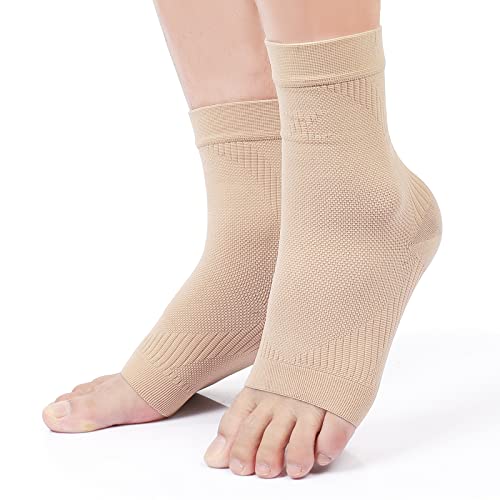
KEKING Ankle Brace Compression Sleeve

ZAMST A2-DX Ankle Brace for Heavy Sprains

Sleeve Stars Ankle Brace Men & Women Support

Sleeve Stars Ankle Brace for Plantar Fasciitis Relief

Sleeve Stars Ankle Support for Ligament Damage
The Details Behind The Selections
For anyone managing a mild sprain, recurring tendonitis, or the slow ache of plantar fasciitis, this sleeve-style brace offers a low-fuss solution that slips into a sneaker without bulk. The knit fabric applies graduated compression (a squeeze that’s tighter at the foot and looser up the leg) around the arch and ankle, which can help reduce swelling during long shifts on your feet or a steady stream of errands. It works for both men and women, and the stretchy material accommodates moderate swelling without feeling restrictive.
Runners logging easy miles, retail workers standing through double shifts, and weekend hikers who want light joint reassurance will likely appreciate the balance this sleeve strikes. It is not built for high-grade sprains, but for everyday compression and preventive support, it covers the basics well.
Key Advantages
- Slim profile fits comfortably inside most athletic footwear
- Graduated compression supports the arch and heel simultaneously
- Stretchy knit accommodates moderate swelling during flare-ups
- Machine-washable fabric simplifies routine cleanup
- Unisex sizing works across a wide range of foot shapes
Things To Consider
- Provides light support rather than rigid stability for serious injuries
- Knit fabric may retain heat during hot-weather use
Who It Suits Best
Walkers, runners, and workers needing gentle compression for mild ankle discomfort and preventive joint support.
Consider Something Else When
The MODVEL Slim Lace Up Ankle Brace Figure 8 Wrap suits active users wanting structured figure-8 strapping rather than sleeve-only compression.
Unlike the pure sleeve approach of the Modvel Foot & Ankle Brace Socks Compression Sleeve, this option leans on lace-up construction with figure-8 strapping, the classic crisscross pattern athletic trainers use to tape a wobbling ankle. Soft pads cushion the pressure points where straps meet skin, and the slim profile still fits inside casual shoes, so you are not forced into a bulky basketball sneaker just to get stability.
For adults and teens dealing with recurring ankle giving-way episodes, or anyone returning to court sports after a moderate sprain, the combination of adjustable laces and figure-8 tension makes the brace feel more like a custom wrap than a one-size-fits-all sleeve.
Noteworthy Benefits
- Figure-8 strapping pattern mimics professional athletic taping
- Soft padding reduces strap bite during extended wear
- Adjustable laces let you fine-tune tightness per foot
- Slim cut fits inside standard athletic and casual shoes
Honest Caveats
- Lacing takes longer to put on than a pull-on sleeve
- Less effective for swelling control compared to knit compression sleeves
- May require occasional re-tightening during high-motion activity
Made For
Athletes and active adults managing mild to moderate ankle instability who prefer the feel of a structured wrap over a stretchy sleeve.
Skip It When
The ZAMST A2-DX Ankle Brace for Heavy Sprains suits shoppers needing rigid side stabilizers for more serious injury recovery.
This third Modvel entry takes the base sleeve concept and layers in a removable adjustable strap, giving wearers something the earlier compression socks cannot: the ability to dial in extra tension over the joint when swelling spikes or after a particularly active day. The strap wraps around the ankle joint itself, so users can tighten it during high-impact moments and loosen it for desk work without removing the entire sleeve.
People recovering from a recent sprain, those with morning stiffness from arthritis, or anyone whose swelling changes throughout the day will likely find the dual-layer approach practical. The compression knit still covers the arch and Achilles, while the strap handles the dynamic stability role.
Useful Highlights
- Removable strap lets you add or release compression on demand
- Compression knit covers arch, ankle, and Achilles in one piece
- Strap can be repositioned based on swelling location
- Suitable for use on either foot without buying a left or right specific model
Worth Noting
- Strap adds a slight learning curve to application
- Slightly thicker than pull-on-only sleeves, which can limit shoe fit
Right Fit For
Recovery patients and arthritis sufferers who want both passive compression and adjustable joint support in a single brace.
Look Elsewhere When
The KEKING Ankle Brace Compression Sleeve suits shoppers who prefer simple pull-on graduated compression without added straps.
Compression sleeves earn their keep by squeezing tissue just enough to encourage blood flow and reduce pooling, and this KEKING option focuses squarely on that single job. The knit fabric targets the arch and heel with graduated tension, which can ease the morning stiffness that often comes with plantar fasciitis or Achilles irritation. There is no strap, no lace, no hardware, just a pull-on sleeve designed to disappear under a sock.
Office workers with sore heels, joggers adding mileage to their training, and people on their feet all day in healthcare or hospitality settings can wear this sleeve for hours without much fuss.
A Few Highlights
- Graduated knit compression supports arch, heel, and ankle simultaneously
- Simple pull-on design requires no adjustment
- Low profile works under dress socks and casual shoes
- Stretch fabric accommodates mild to moderate swelling
Points To Keep In Mind
- No structured stabilization for serious sprains
- Compression may feel too firm for users with sensitive circulation
Feature Card
Best Suited To
Plantar fasciitis sufferers and anyone seeking steady compression for arch and heel discomfort during long workdays.
A Better Fit Elsewhere
The Sleeve Stars Ankle Brace for Plantar Fasciitis Relief suits shoppers wanting heel cushions paired with compression.
The other picks on this list mostly handle mild compression or moderate wrap-style support. The ZAMST A2-DX plays a different game entirely: it is built for grade II and grade III sprains, which are the kinds where ligaments are partially or fully torn, and the ankle feels genuinely unstable. Side stabilizers (rigid plastic pieces running along the inside and outside of the joint) restrict twisting motion, while adjustable lace-up straps let you dial in the exact level of immobilization needed at each stage of recovery.
This is a brace for someone coming off a serious injury under medical guidance, or anyone dealing with chronic ankle instability that has not responded to lighter sleeves. Right-foot specific sizing in this listing means you’ll want to confirm orientation before checking out.
A Favorable Mix
- Rigid side stabilizers restrict harmful twisting motion
- Adjustable lace-up design allows for staged recovery support
- Built for grade II and grade III sprains and chronic instability
- Structured construction holds up through rehabilitation protocols
Trade Offs
- Bulky profile requires roomier athletic shoes
- Right-foot-specific orientation in this listing
- Overkill for mild sprains or preventive use
- Takes practice to lace correctly for proper stabilization
Who Will Love This
Post-injury patients and chronic instability sufferers who need rigid support beyond what compression sleeves offer.
Another Choice May Suit
The MODVEL Slim Lace Up Ankle Brace Figure 8 Wrap is a better match for users wanting lighter lace-up security without rigid stays.
Sleeve Stars offers a straightforward compression sleeve with a complementary adjustable strap, giving you a setup close to what the Modvel Foot & Ankle Brace Socks with Adjustable Strap provides but at a slightly different price point and fit profile. The sleeve itself slips on like a sock and applies uniform compression around the joint, while the strap lets you boost stability during activity and loosen it for rest.
For shoppers who want a no-frills recovery tool, this medium-sized option fits ankles measuring 10 to 12 inches in circumference and handles the basics of sprain support and tendonitis relief without specialized hardware.
Strong Points
- Adjustable strap adds customizable stability on top of sleeve compression
- Unisex design works for men and women
- Effective for general sprain, tendonitis, and heel discomfort
- Simple application suits first-time brace users
A Few Limitations
- Single sizing option in this listing limits fit precision
- Lacks rigid components for serious instability cases
Perfect Match For
First-time brace users and shoppers wanting a versatile sleeve-plus-strap combo for everyday recovery needs.
Reach For A Different Pick When
The ZAMST A2-DX Ankle Brace for Heavy Sprains is the better call for shoppers needing rigid stabilization after a serious injury.
Plantar fasciitis pain tends to peak with those first steps out of bed in the morning, and this Sleeve Stars brace pairs compression with gel-style heel protectors to soften that initial impact. The compression sleeve wraps the ankle and arch, while the cushioned pads sit under the heel to absorb shock during walking. An adjustable strap lets you increase tension over the plantar fascia ligament when needed.
People whose heel pain flares up after long periods of sitting, nurses and teachers pacing hard floors, and runners returning from a fascia injury will likely appreciate the dual approach to cushioning and compression.
The Good Stuff
- Heel protector pads cushion first-step morning pain
- Compression sleeve supports arch and ankle simultaneously
- Adjustable strap targets plantar fascia tension
- Light blue fabric differentiates from standard black options
Room For Improvement
- Heel pads add bulk that may not fit narrow shoes
- Pads require occasional repositioning during wear
Who Should Grab It
Plantar fasciitis sufferers and heel pain patients who want both compression and cushioned support in a single package.
Where Another Pick Suits Better
The KEKING Ankle Brace Compression Sleeve is the better match for shoppers wanting low-profile compression without heel pads.
The final entry in this Sleeve Stars trio focuses on ligament damage and Achilles tendonitis, two complaints that tend to linger long after the initial injury. The compression sleeve wraps the joint with steady pressure, and the bundled strap lets wearers apply extra compression over the affected ligament during activity. The baby pink color option adds a styling choice that differs from the standard black braces filling this category.
Recreational athletes managing repeat ankle sprains, walkers building back mileage after an Achilles flare-up, and anyone wanting ongoing support through daily life will find this combo functional for the long haul.
Everyday Advantages
- Targeted compression supports damaged ligaments during recovery
- Adjustable strap adds extra tension over the affected area
- Effective for both ligament and Achilles tendonitis complaints
- Baby pink color offers a non-standard styling option
Minor Gripes
- Color option may not appeal to all shoppers
- Strap tension requires adjustment throughout longer wear sessions
Built With In Mind
Repeat sprain sufferers and Achilles tendonitis patients who need ongoing compression support through daily activities.
Swap It Out When
The Modvel Foot & Ankle Brace Socks with Adjustable Strap suits shoppers wanting a similar strap-and-sleeve setup in a more neutral colorway.
Matching The Right Brace To Your Situation
The ankle support market breaks down into three practical tiers, and matching your situation to the right tier saves money and frustration. Compression sleeves (knit, pull-on, no hardware) handle mild sprains, plantar fasciitis discomfort, and preventive joint care during long days on your feet. Wrap-style braces with figure-8 strapping add moderate stability for active users recovering from a first-time moderate sprain or managing occasional giving-way episodes. Rigid braces with side stabilizers step in for grade II and grade III sprains, post-surgical recovery, or chronic instability that has not responded to lighter options.
Shoe compatibility matters more than most shoppers expect. A sleeve that fits comfortably in a running shoe may feel tight inside a casual loafer, and a rigid brace essentially requires an athletic sneaker with room to spare. Foot size, ankle circumference, and left-versus-right orientation all affect fit, and the right brace on the wrong foot can rub, slip, or fail to stabilize properly. Measure your ankle at the narrowest point above the bone before settling on a size.
Activity intensity also drives the decision. A desk worker managing tendinitis needs different support than a basketball player returning from a lateral ankle sprain. The honest read is that lighter braces reward consistent wear throughout the day, while structured braces earn their value during the specific activities that stress the joint most.
Key Points Worth Keeping In Mind
Slip Ups Shoppers Commonly Make
The most common mistake is choosing a brace based on the severity of the original injury rather than the current state of the joint. A heavy-duty rigid brace worn for a mild strain adds bulk without benefit, while a soft sleeve chosen for a serious sprain fails to prevent re-injury. Match the brace to where your ankle is in recovery, not where it started.
A second trap is skipping the sizing step. Ankle braces that fit one shopper perfectly can cut into another shopper’s skin or slide down during activity. Measuring your ankle circumference and checking the sizing chart before ordering saves the hassle of returns and exchanges.
Why Premium Options Cost More
Higher-tier braces like the ZAMST A2-DX carry a price premium because they integrate rigid components, layered strapping systems, and engineered fabrics designed for serious injury rehabilitation. The extra cost reflects materials that hold up through repeated use during recovery protocols, not just marketing. Shoppers facing a real grade II or grade III sprain typically find the upgrade pays off in stability and confidence during the healing window, while those managing mild discomfort rarely need the extra structure.
Frequently Asked Questions
How long should you wear an ankle brace each day?
Most compression sleeves and wrap-style braces can be worn throughout waking hours, but you should remove them before sleep unless a medical professional advises otherwise. Rigid braces during rehabilitation are typically worn only during weight-bearing activity.
Can you wear an ankle brace inside a regular shoe?
Slim compression sleeves fit inside most athletic and casual shoes without issue. Lace-up wrap braces generally require slightly roomier footwear. Rigid stabilizer braces usually need an athletic sneaker with extra width or removing the insole.
Do ankle braces weaken the muscles over time?
Used appropriately, braces provide support during activity without replacing muscle function. Extended wear without gradual strengthening exercises may reduce reliance on the brace, so pairing brace use with rehab exercises is wise during recovery.
What’s the difference between a sleeve and a wrap brace?
A sleeve pulls on like a sock and applies uniform compression. A wrap brace uses straps, laces, or figure-8 patterns to provide adjustable stability. Sleeves handle mild support; wrap braces address moderate instability.
When should you see a doctor instead of self-treating with a brace?
Severe swelling, inability to bear weight, visible deformity, or pain that does not improve within a few days of home treatment warrants professional evaluation. Braces support recovery but do not replace assessment of serious injuries.
Wrap Up
The right ankle brace depends less on brand and more on what your joint needs today: gentle compression during long days, adjustable wrap stability for active recovery, or rigid support for serious sprains and chronic instability. Match the brace to your current situation, confirm sizing before ordering, and build brace use into a broader recovery routine that includes rest and gradual strengthening.