


An ankle twist on the trail, a rolled joint in a basketball game, a flare-up of plantar fasciitis that makes the first ten steps in the morning feel like walking on glass. Ankle support is one of those small pieces of gear that quietly decides whether your training stays on track or your week gets derailed. The picks below lean on compression sleeves, lace-up stabilizers, figure-8 strapping, and rigid side stays, covering both light everyday support and the heavier-duty bracing needed for chronic instability or post-injury recovery. Whether you lace up for pickup games, log miles on the road, or just want your old ankle to feel less fragile on uneven sidewalks, there’s a fit here worth a closer look.
The Shortlist At A Glance

Bauerfeind Sports Ankle Support Dynamic (L, Rivera)

Modvel Foot & Ankle Brace Socks Compression Sleeve
MODVEL Slim Lace Up Ankle Brace with Figure 8 Strap

Modvel Foot & Ankle Brace Socks with Adjustable Strap
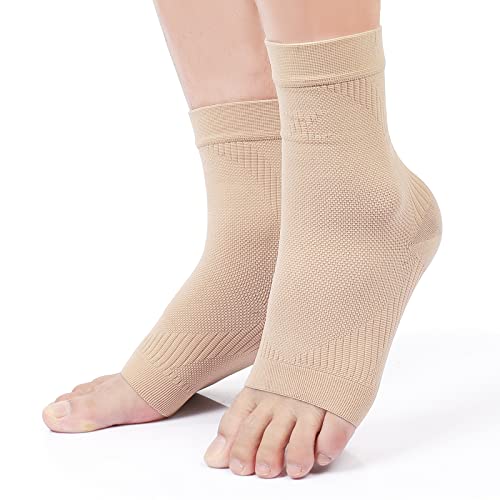
KEKING Ankle Brace Compression Sleeve

ZAMST A2-DX Ankle Brace (Right, Large)

Bauerfeind Sports Ankle Support with Figure-8 Strap

Bauerfeind MalleoTrain Ankle Support (Titan, Size 3)
What Each Pick Brings To The Table
Slipping into a sneaker without fighting extra bulk matters when you’re logging miles or cutting on a court. The Bauerfeind Sports Ankle Support Dynamic uses a slim, anatomically shaped knit sleeve that sits flat inside athletic footwear, so you get compression without the awkward bunching you sometimes feel with thicker neoprene wraps.
It’s the kind of brace you forget you’re wearing after the first quarter, which is honestly the goal during a long run or a rec-league game. Compared with the heavier duty options later in this list, this one trades rigid support for breathable comfort and consistent light compression.
Where It Excels
- Lightweight knit fabric breathes well during warm workouts
- Slim profile fits inside running shoes and court shoes without crowding
- Washable construction makes it practical for daily training use
- Medical-grade compression supports proprioception (your sense of joint position)
- Anatomical shape reduces hot spots and bunching behind the ankle bone
Worth Noting
- No rigid stays, so it’s not the right tool after a severe sprain
- Sizing runs tight; measure carefully if your ankle sits between sizes
Key Specs
Who It Suits Best
Runners, basketball players, and soccer players who want light compression and a barely-there feel during every training session.
Look Elsewhere When
Pick the ZAMST A2-DX if you’ve recently rolled your ankle badly and need rigid side stays rather than just a sleeve.
Not every ankle needs a rigid brace, and not everyone wants to mess with laces mid-day. The Modvel Foot & Ankle Brace Socks pull on like a snug athletic sock, which makes them approachable for first-time brace users who just want a step up from a plain compression sock.
They wrap the foot and lower ankle in a stretchy knit that hugs the arch and Achilles without squeezing them off. Think of them as a thicker, more structured cousin of the running socks you already own, only with added support built into the weave.
What Works In Its Favor
- Slip-on design means no fiddling with straps or buckles
- Soft edges stay comfortable under shoes during long workdays
- Flexible enough for casual walking, light jogging, or recovery days
- Works for both arch discomfort and general ankle fatigue
Trade Offs
- Compression loses firmness after multiple washes
- Limited structural support compared with the lace-up picks below
Made For
Everyday wearers dealing with mild tendonitis, arthritic stiffness, or general ankle fatigue who want a sock-simple solution.
Skip It When
Reach for the MODVEL Slim Lace Up Ankle Brace if you need the lock-down feel of an actual figure-8 wrap.
If you’ve already had one bad sprain and don’t want a repeat, the MODVEL Slim Lace Up Ankle Brace takes a familiar approach: a low-profile lace-up body plus a figure-8 strap that mimics athletic taping. The strap pulls the heel inward to limit the rolling motion that caused the original injury.
It runs slimmer than most laced braces, so you can still slide it into a sneaker without untying the laces every five minutes. Soft padding along the strap keeps the figure-8 pattern from digging into the top of your foot during long days on your feet.
Advantages To Know
- Figure-8 strap pattern limits inversion (the ankle rolling outward)
- Lace-up body lets you fine-tune tightness across the foot
- Slim enough to wear under most athletic and casual shoes
- Works as a daily-use brace, not just a recovery tool
Honest Caveats
- Lacing takes practice if you’ve never used a tied ankle brace
- Soft pads may shift slightly on very narrow ankles
Best Suited To
Athletes returning from a mild-to-moderate sprain who want real structural support without a bulky rigid brace.
A Better Fit Elsewhere
Step up to the ZAMST A2-DX if your doctor has flagged chronic instability or repeated Grade II or III sprains.
Some days your ankle is puffy and angry. Other days it feels almost normal. The Modvel Foot & Ankle Brace Socks with Adjustable Strap blend a sock-style sleeve with a removable wrap strap, so you can dial compression up or down as swelling shifts throughout a flare-up.
It’s a useful middle path between the simpler sock sleeve above and the bulkier lace-up options. You pull on the knit first, then decide whether you need the extra strap around the ankle for lateral stability or just the gentle compression for a desk day.
The Upside
- Adjustable strap lets you customize compression on swollen days
- Strap removes entirely when you only want light support
- Targets both arch discomfort and ankle instability
- Slip-on sock base works under most shoes
Possible Compromises
- Strap repositioning takes a moment until you get the hang of it
- Knit fabric can trap heat in summer workouts
Feature Snapshot
Who Will Love This
People managing plantar fasciitis or tendonitis alongside ankle weakness who need one brace that adjusts across the day.
Another Choice May Suit
Go with the KEKING Ankle Brace Compression Sleeve if you’d rather skip the strap entirely and rely on a graduated knit.
When the goal is steady, all-day compression without a learning curve, a basic knit sleeve is hard to beat. The KEKING Ankle Brace Compression Sleeve uses graduated compression, meaning the pressure is firmer at the foot and loosens as it climbs the ankle, which encourages circulation rather than just squeezing.
It covers a broad list of common complaints, from plantar fasciitis in the morning to Achilles stiffness after a long walk. The trade-off is no rigid structure, so this works best as a recovery and prevention tool, not a post-injury stabilizer.
Real Benefits
- Graduated knit supports venous return (blood flow back up the leg)
- Stretches over the heel and arch without bunching
- Useful for plantar fasciitis, Achilles discomfort, and minor swelling
- Discreet under work pants or running tights
Small Caveats
- Compression is uniform across sizes, so sizing up can soften the fit
- Not enough support on its own for a fresh, significant sprain
Perfect Match For
Runners, teachers, and healthcare workers who spend hours on their feet and want daily compression at a low cost.
Reach For A Different Pick When
Pick the Bauerfeind Sports Ankle Support Dynamic if you want a more anatomically shaped sleeve with finer knit detailing.
For a Grade III sprain or a chronically unstable ankle that gives out on uneven ground, soft sleeves just aren’t enough. The ZAMST A2-DX combines a lace-up closure with rigid side stabilizers that hold the ankle from rocking side to side while still allowing the natural flex you need to walk.
It feels substantial on the foot, so it’s not the brace you wear to a quick coffee run. Think of it as the heavy-duty option you reach for during rehab, return-to-sport protocols, or work shifts on ladders and stairs.
What Earns Its Place
- Rigid side stabilizers resist inversion and eversion (rolling in either direction)
- Lace-up body lets you adjust tightness across the foot and ankle
- Built for heavy sprains and peroneal tendonitis support
- Adjustable straps add extra lock-down over the heel
Factors To Consider
- Bulky profile crowds standard athletic shoes
- Higher learning curve than a simple pull-on sleeve
Quick Facts
Whose Shelf It Belongs On
Anyone working through a significant sprain or living with chronic ankle instability who needs serious lateral control.
Where A Sibling Pick Shines
Try the Bauerfeind Sports Ankle Support with Figure-8 Strap for athletic activity where rigid stays feel like overkill.
Hand-taping an ankle before every practice gets old fast, and the Bauerfeind Sports Ankle Support with Figure-8 Strap exists for exactly that reason. It uses a stretchy knit base with an integrated figure-8 taping strap that reproduces the wrapping pattern trainers use on the sideline.
The knit combines polyester and elastane, which keeps the brace light enough to forget under a sock while still hugging the joint. Compared with the Bauerfeind Dynamic sleeve earlier in this list, this model focuses more on lateral protection than on all-around compression.
Good Reasons To Consider
- Figure-8 strap mimics professional athletic taping technique
- Targeted compression over the lateral ligaments (the outside ankle ligaments most often sprained)
- Lightweight knit for fast-paced sports like basketball and volleyball
- Durable construction holds up across long seasons
Room For Improvement
- Strap takes a couple of wears to learn the right tension
- Less padding than the bulkier ZAMST brace for severe injuries
The Right Fit
Volleyball, basketball, and soccer players with a history of lateral sprains who want a taping-like feel without pregame tape jobs.
Swap It Out When
Move to the Bauerfeind MalleoTrain if your priority is recovery comfort with massage-pad inserts rather than on-court taping.
Post-injury healing is when compression alone isn’t enough, and gentle joint stimulation can help. The Bauerfeind MalleoTrain uses a contoured knit sleeve with viscoelastic massage pads (soft silicone-like cushions) positioned over the medial and lateral ankle bones. As you move, those pads press against the tissue and help reduce swelling.
It’s not built for cutting on a basketball court. Instead, it shines during the quieter weeks of rehab when you’re walking, doing light physical therapy, and trying to keep swelling down between sessions.
Notable Upsides
- Viscoelastic pads deliver gentle massage with movement
- Anatomical knit reduces edema (fluid buildup) around the ankle bones
- Useful for ligament weakness and post-twist pain relief
- Slim profile fits inside most everyday shoes
Practical Considerations
- Right-foot specific design (this variant); confirm side before ordering
- Knit can feel warm during long summer wear
Feature Snapshot
Built With In Mind
People in the middle weeks of ankle rehab who want compression plus active massage during daily walking and light therapy.
Not Your Match When
Choose the ZAMST A2-DX instead if you need rigid side protection during heavy return-to-sport training.
What To Weigh Before Choosing Ankle Athletic Braces
An ankle brace only helps if it matches the problem. Sleeve-style compression works well for tendonitis, plantar fasciitis, and proprioception (your body’s sense of joint position) during athletic cuts. Lace-up braces with figure-8 straps suit mild-to-moderate sprains where lateral ligaments need backup. Rigid side-stabilizer braces earn their place during Grade II and III sprain recovery or chronic instability where the joint gives out without warning.
Sizing matters more than fabric choice. A brace that’s even slightly too loose will slide inside the shoe and bunch, while one that’s too tight cuts off circulation. Measure the circumference of your ankle at the narrowest point above the ankle bone and compare against the manufacturer’s chart before ordering.
Footwear compatibility is the other variable that decides whether you’ll actually wear a brace. Low-cut running shoes and basketball shoes swallow slim knit sleeves easily but can crowd bulky lace-ups. If you live in boots or wide work shoes, you have more room for a heavy-duty design.
Finally, match the brace to the activity. Daily walking and light training call for compression sleeves. Court sports with frequent lateral cuts call for taping-style figure-8 straps. Construction work, ladder climbing, and return-to-sport after a serious sprain call for rigid lace-up stabilizers. Picking the right category is more than half the decision.
Pitfalls Worth Dodging And Where The Money Goes
Common Shopping Slip Ups
Buying a sleeve when you need a stabilizer is the most common mistake. People see “ankle brace” and grab a soft compression sock, then wonder why it doesn’t stop the rolling sensation during a basketball game. Match the brace type to the actual problem: compression for swelling and proprioception, figure-8 straps for lateral protection, rigid stays for serious sprains. Skipping the sizing chart is the second pitfall. Ankle braces are sized by circumference, not shoe size, and a wrong size quietly makes the whole experience worse.
What The Higher Tier Buys
Premium ankle braces tend to use knit fabrics rather than neoprene, which breathes better and holds compression longer across repeated washes. You also get anatomical shaping, where the brace mirrors the curves of the ankle instead of being a straight tube. Viscoelastic massage pads, side stabilizers, and figure-8 taping straps all add targeted function you won’t find in entry-level sleeves. The honest read is that the upgrade pays off most during longer training cycles and during rehab, when a better fit and better materials add up across many wears.