


A 1-cup serving of this dairy-free blend typically delivers 40–60 calories, 4–5 grams of mostly unsaturated fat, 1–2 grams of plant protein, and a mineral load of calcium, magnesium, phosphorus, and iron that outperforms most other plant milks. Fortified versions close the gap with dairy on calcium and add vitamin D and B12, while unfortified homemade versions keep ingredients to seed and water but lose those added micronutrients.
Here, the focus stays on what a glass of sesame milk actually does in your day, where the science holds up, and where the label language can mislead. You’ll see a side-by-side comparison with cow, almond, soy, and oat milk, a clear look at sesame as a major allergen, and a tested homemade ratio you can use tonight.
What Sesame Milk Is and How It’s Made
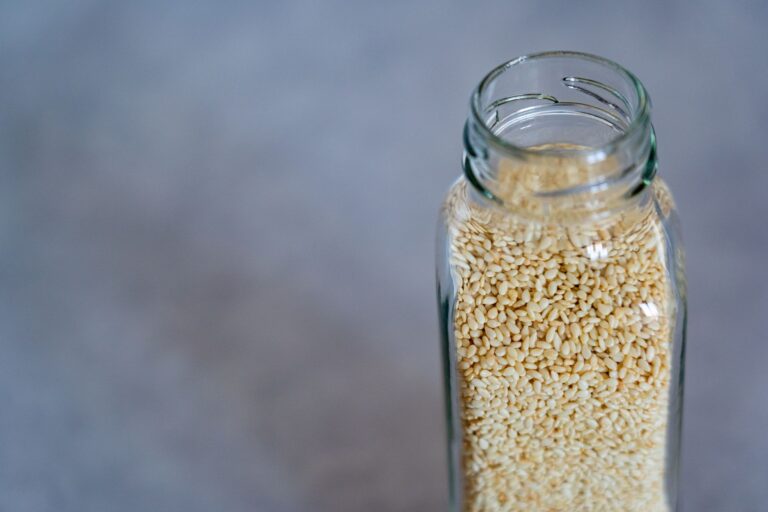
Sesame milk starts with seeds from the sesame plant (Sesamum indicum), either hulled or unhulled, raw or lightly toasted, and turns them into a thin, creamy drink with a faint bitter edge. The seeds soak, blend with fresh water, and pour through a fine mesh or nut-milk bag to remove the gritty solids.
Store-bought vs. homemade processing
Commercial brands homogenize, pasteurize, and fortify the base, and many add stabilizers like gellan gum to keep the texture consistent in the carton. A store-bought bottle of sesame milk typically lists around 40–60 calories per cup, with calcium carbonate and vitamin D added to compete with dairy. Homemade sesame milk stays simpler, just seed and water, but it skips the fortification step, so the calcium and vitamin D numbers will read lower than a commercial brand can offer.
Taste, texture, and where to find it
The flavor is nuttier than almond milk, with a faint bitter edge from the seed hulls that some people love and others soften with a pinch of salt or a Medjool date. Body-wise, it sits between rice milk (very thin) and oat milk (creamy and heavy), making it a flexible splash for coffee or porridge. In the U.S., sesame milk is still a specialty item rather than an aisle staple, but it has been turning up at Whole Foods Market and in well-stocked natural grocers, and it remains a long-standing ingredient across Middle Eastern, East Asian, and South Indian kitchens, where tahini and sesame pastes anchor regional cooking.
The Nutritional Profile of Sesame Milk at a Glance
A plain, unsweetened cup of sesame milk usually lands at 40–60 calories, with 1–2 grams of plant protein, 4–5 grams of fat (mostly unsaturated), and 1–2 grams of carbohydrate. The exact numbers shift with brand and fortification, but the shape stays consistent: low in sugar, light on protein, and surprisingly rich in minerals for a plant milk.
| Nutrient (per 1 cup, plain) | Typical Sesame Milk | Notable For |
|---|---|---|
| Calories | 40–60 | Lower than cow’s milk and most oat milks |
| Protein | 1–2 g | Far below dairy or soy; about on par with almond |
| Fat | 4–5 g | Mostly unsaturated, including omega-6 |
| Carbohydrate | 1–2 g | Very low sugar in unsweetened versions |
| Calcium | 200–350 mg (fortified) | Rivals dairy only when fortified |
| Iron | 0.5–1.5 mg | Higher than most plant milks |
| Magnesium | 20–50 mg | Useful for muscle and nerve function |
| Phosphorus | 100–200 mg | Supports bone and energy metabolism |
Sesame milk also carries sesame’s bioactive lignans, sesamin and sesamol, which research has linked to antioxidant and lipid-modulating effects in small human studies. Homemade versions miss the fortification, so the calcium, vitamin D, and B12 numbers on a homemade batch reflect the seed’s natural content, which is meaningful but lower than a fortified carton.
Sesame Milk vs. Cow, Almond, Soy, and Oat Milk
Each plant milk has a different strength, and sesame milk is no exception. The clearest way to see where it lands is to line it up next to the four most common alternatives on the shelf.
| Per 1 cup, unsweetened | Sesame Milk | Cow’s Milk (2%) | Soy Milk | Almond Milk | Oat Milk |
|---|---|---|---|---|---|
| Calories | 40–60 | 120 | 80 | 30–40 | 120 |
| Protein | 1–2 g | 8 g | 7 g | 1 g | 3 g |
| Fat | 4–5 g (mostly unsaturated) | 5 g (more saturated) | 4 g (unsaturated) | 2.5 g (mostly unsaturated) | 5 g |
| Calcium (fortified) | 200–350 mg | 280 mg | 300 mg | 450 mg | 350 mg |
| Cholesterol | 0 mg | 20 mg | 0 mg | 0 mg | 0 mg |
That breakdown places sesame milk in a clear lane: low in protein, but ahead of almond and rice on iron and magnesium, and ahead of oat milk on sugar and calorie count. For a daily protein workhorse, soy and dairy still lead. For a calcium-fortified swap that mimics dairy, both sesame and soy get there, but only with added vitamin D and calcium carbonate. Sesame milk vs almond milk comes down to fat: sesame delivers more omega-6–rich unsaturated fat and noticeably more iron, while almond milk stays the leaner, lower-calorie option.
Evidence-Backed Benefits of Drinking Sesame Milk
The benefits of sesame milk come from three places: the seed’s mineral density, the unsaturated fat and lignan profile, and the absence of lactose, cholesterol, and cow’s milk protein that trigger reactions in sensitive people. None of these effects are dramatic on their own, but stacked together they make a solid case for a regular glass.
Bone health and the calcium-magnesium-phosphorus trio
Sesame is one of the richest plant sources of calcium on a per-gram basis, and the milk carries a meaningful share of that, especially when fortified. The magnesium and phosphorus work alongside calcium to support bone density, and the addition of vitamin D in fortified versions is what allows your gut to absorb that calcium efficiently.
Heart-friendly fats and lignans
The fat in sesame milk skews unsaturated, with omega-6 fatty acids leading the way and no cholesterol. Lignans like sesamin have been studied in small human trials for improving cholesterol ratios and reducing LDL oxidation, though the doses used in research often run higher than what a single cup of milk provides. The overall pattern still fits a heart-conscious diet: low saturated fat, no cholesterol, and a steady supply of unsaturated fats.
Lactose-free, dairy-free, and allergen-flexible
Sesame milk is naturally free of lactose and cow’s milk protein, so it works for people with lactose intolerance, cow’s milk protein allergy, or galactosemia. It also offers a useful option for anyone avoiding soy, which is a common plant-milk allergen, especially in infant formula.
Side Effects, Allergy Risks, and Who Should Avoid It
That safe for most adults, but it carries one risk that deserves more attention than it usually gets. The FDA added sesame to the list of major U.S. food allergens in 2023, alongside milk, egg, fish, shellfish, tree nuts, peanuts, wheat, and soy, and reactions to sesame are rising quickly, including anaphylaxis in some cases.
Allergy and cross-reactivity risks
Sesame allergy prevalence in the U.S. has climbed sharply over the past decade, and reactions can range from oral itching and hives to full anaphylaxis. People with tree nut or peanut allergies occasionally show cross-reactivity with sesame, so introducing sesame milk without prior exposure deserves a conversation with a clinician.
Antinutrients, oxalates, and drug interactions
Sesame seeds carry oxalates and phytates, plant compounds that can bind calcium and iron and reduce how much your body actually absorbs. Soaking the seeds before blending helps bring phytate levels down, but it doesn’t eliminate the effect, so an unfortified, all-homemade sesame milk diet could quietly contribute to a mineral gap. Sesamin has also been shown in small studies to amplify blood-pressure-lowering medication, and the oxalate load matters for anyone with a history of calcium-oxalate kidney stones.
Skip sesame milk or check with a clinician first if you have a known sesame allergy, take blood-pressure medication or warfarin, or have a history of calcium-oxalate kidney stones.
Groups that need extra caution
Infants and toddlers under one should not drink sesame milk as a main beverage, since the protein and calorie profile doesn’t match breast milk or formula. Pregnant or nursing people, anyone on prescription medication, and people with chronic kidney disease or a history of kidney stones should also check with a qualified healthcare professional before making sesame milk a daily habit, especially in large amounts.
Once you’ve weighed the cautions, picking the right source or recipe becomes a practical next step.
Making Sesame Milk at Home and Choosing a Reliable Store-Bought Brand
A homemade batch takes about 10 minutes of hands-on time and a nut-milk bag, and it gives you full control over the ingredient list. A tested ratio is one cup of rinsed, soaked sesame seeds to three to four cups of water, blended on high for about 90 seconds, then strained through a nut-milk bag.
Homemade recipe and storage
Soak the seeds for at least 4 hours, or overnight in the fridge, then drain and rinse. Blend with fresh water, pour through a nut-milk bag, and squeeze to extract the milk. One cup of seeds yields roughly three cups of finished milk, which keeps in a sealed jar in the fridge for 3–4 days. Toasting the seeds dry before blending deepens the flavor but slightly reduces vitamin C retention, so skip the toast when you want the freshest possible taste.
What to look for on a store-bought label
Commercial sesame milk is worth buying only when the label shows the work. Look for a fortified calcium level of at least 100 mg per serving, added vitamin D and B12, no added sugar in the plain version, no carrageenan, and a clear “contains sesame” allergen statement. Many small-batch brands use a short ingredient list, sesame seeds, water, a touch of salt, and a calcium-and-vitamin-D blend, which is the cleanest combination to aim for.
Smart ways to use it
Sesame milk works best where the nutty, slightly bitter note is an asset rather than a compromise. Use it in coffee with a pinch of salt to cut bitterness, pour it over overnight oats with cinnamon, blend it into savory soups as a tahini-adjacent base, or whisk it into a quick sesame porridge with a drizzle of honey.
Bottom Line
A low-sugar, mineral-rich, dairy-free option with a flavor profile that holds up in coffee and savory cooking earns this drink a real place in the plant-milk lineup, though not as a primary protein source. The bigger picture is that sesame is now a top-9 U.S. allergen and the milk carries antinutrients that can blunt calcium and iron absorption, so an unfortified, all-homemade version is not a complete dairy swap. Pick a fortified brand for daily use, soak and strain carefully when making it at home, and treat any sesame allergy history as a hard stop before the first glass.
FAQ
Is sesame milk good for you?
Most people can safely include this fortified option in their diet, since each cup delivers unsaturated fat, calcium, magnesium, and iron with very little added sugar. It is low in protein, so pair it with protein-rich foods throughout the day rather than relying on it as a meal replacement.
What are the side effects of drinking sesame milk?
Sesame allergy tops the list of concerns, triggering reactions that range from mild itching to life-threatening anaphylaxis, while oxalates and phytates in the seeds can gradually reduce calcium and iron absorption. People on blood-pressure medication or with a history of calcium-oxalate kidney stones should check with a clinician first.
Is sesame milk healthier than almond milk?
Roughly twice the protein, noticeably more iron and magnesium, plus extra unsaturated fat give this drink a clear edge over almond milk, though almond milk stays lighter in calories. For a daily mineral lift, sesame has the edge, and for a lean splash in coffee, almond still wins on calorie count.
Does sesame milk contain calcium?
Naturally occurring calcium from the seed provides a modest baseline, but most commercial brands add calcium carbonate to bring each cup to 200–350 mg, on par with dairy milk. Homemade sesame milk without fortification delivers noticeably less calcium than a store-bought carton.
Can you be allergic to sesame milk?
Yes, sesame allergy is now recognized as a major U.S. food allergen by the FDA, and reactions can be severe. Anyone with a known sesame allergy should avoid sesame milk entirely, and people with tree nut or peanut allergies should talk to a clinician before trying it.
How is sesame milk made?
Soaking the seeds for several hours softens them before they go into a blender with fresh water, after which the mixture passes through a fine mesh or nut-milk bag to catch the solids. Commercial brands then homogenize, pasteurize, and fortify the liquid, while homemade versions stay as a simple seed-and-water blend.