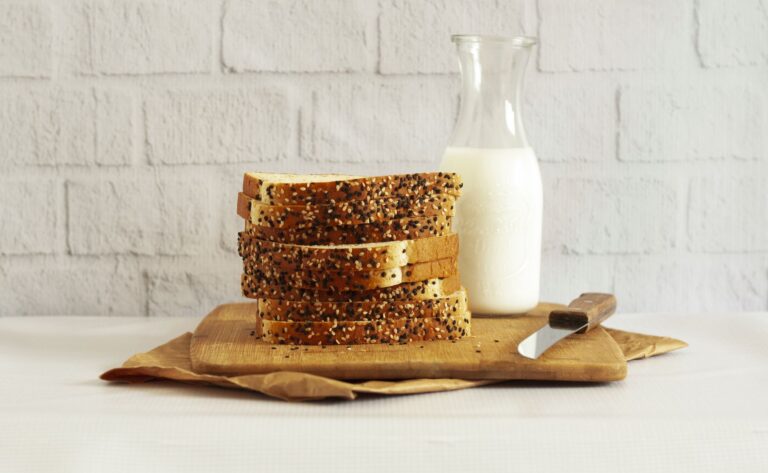

A few crimson threads of Crocus sativus steeped in warm milk create a centuries-old infusion, often lightly sweetened with honey for a drink prized for its nutritional profile and soothing effects. A single cup delivers roughly 150 to 200 calories, a full hit of calcium and complete protein from the milk, and trace minerals plus bioactive compounds like crocin, safranal, and picrocrocin. When you prepare it correctly, drinking it before bed supports sleep onset, steadier mood, and skin resilience.
This practical walkthrough unpacks saffron milk from cup to chemistry, showing curious home cooks and wellness-minded sleepers exactly how crocin, safranal, and picrocrocin translate into calmer evenings, steadier moods, and healthier skin.
What Saffron Milk Is and Where It Comes From
Known across India as kesar doodh, this golden-hued drink traces its roots to Ayurvedic texts, Persian healing traditions, and the lavish banquets of Mughal court kitchens. Your base is usually whole or low-fat cow’s milk, though almond, oat, and cashew versions work in plant-based diets with slightly different absorption of fat-soluble crocin. The flavor comes from three saffron-specific molecules: crocin paints the color, safranal gives the honeyed aroma, and picrocrocin carries the slightly bitter taste that signals real saffron rather than cheap substitutes like safflower.
The Three Compounds That Define Real Saffron
Crocin is the pigment, a carotenoid that dissolves in fat and lends saffron its red-gold color. Safranal is the volatile oil that produces the unmistakable scent and forms during the drying of the stigma. Picrocrocin is the bitter precursor that breaks down partly into safranal during digestion, contributing to the anti-inflammatory cascade you feel in your joints and sinuses.
When a deep red thread releases color slowly in warm milk and tastes slightly bitter rather than sweet, you are looking at the real thing. The international ISO 3632 grade classifies Category I as the highest quality, and lot concentrations of crocin, safranal, and picrocrocin are measured by laboratory spectroscopy.
The Nutrition Profile Behind a Single Cup
One cup of whole cow’s milk with a teaspoon of honey and a pinch of saffron lands near 180 calories, with about 8 grams of complete protein, 12 grams of sugars, and roughly 8 grams of fat. Low-fat milk drops the calories closer to 150 but slightly reduces crocin absorption because crocin is fat-soluble. Most of the macronutrients come from the milk, not the saffron.
Macronutrients and Micronutrients in One Serving
The milk base supplies calcium near 300 milligrams per cup, along with vitamin D (when fortified), vitamin B12, phosphorus, and riboflavin. Saffron itself contributes trace iron, magnesium, manganese, and selenium, though the amounts per cup are small because only a few threads go in.
The real nutritional story sits in the bioactive phytochemicals. Crocin and safranal are not nutrients in the traditional sense, but they drive most of the documented health effects, and they are the reason the calories-to-benefit ratio of saffron milk is unusually high for such a small serving.
Because those three compounds drive most of what makes the drink worthwhile, the next step is tracing how each one behaves once it reaches the bloodstream.
| Nutrient | Source | Approximate Amount per Cup |
|---|---|---|
| Calories | Whole milk + honey | 150 to 200 |
| Protein | Milk | 7 to 8 g |
| Calcium | Milk | 280 to 300 mg |
| Vitamin B12 | Milk | 1.1 to 1.4 mcg |
| Iron | Saffron | 0.2 to 0.4 mg |
| Magnesium | Saffron + milk | 20 to 30 mg |
How Crocin, Safranal, and Picrocrocin Work in Your Body
Once saffron hits your digestive system, crocin absorbs faster when paired with dietary fat, which is why whole milk outperforms skim in releasing the full color and effect. From the gut, crocin travels into circulation and acts as a potent antioxidant, scavenging free radicals and protecting delicate retinal cells in your eyes from oxidative stress, a pathway that has drawn interest in age-related macular degeneration research.
Safranal behaves differently. It crosses your blood-brain barrier and modulates GABA and serotonin signaling, the main reason saffron milk is associated with calmer mood and smoother sleep onset. Picrocrocin converts partly into safranal during digestion and contributes to the anti-inflammatory cascade by lowering inflammatory markers in cell studies.
The Three Mechanisms That Drive the Benefits
Think of the three compounds as a small team. Crocin handles oxidative stress at the cellular level. Safranal tunes your neurotransmitter balance, particularly GABA for relaxation and serotonin for stable mood. Picrocrocin bridges them by adding anti-inflammatory support that influences everything from joint comfort to skin calmness.
Real saffron, dosed correctly, behaves more like a functional food than a flavoring. The evidence for mood, sleep, and eye support comes from these three molecules working together, not from saffron as a generic spice.
Evidence-Based Benefits for Sleep, Mood, and Skin
Clinical trials using saffron extracts at 30 milligrams per day show meaningful reductions in mild depressive symptoms compared with placebo, a dose that translates to roughly 8 to 12 threads steeped overnight. The same range of evidence shows faster sleep onset and better perceived sleep quality, especially when consumed 60 to 90 minutes before bed.
Skin benefits come mainly from crocin’s antioxidant activity, which may support elasticity and help defend against UV-related oxidative stress. Eye research is earlier but promising, with small trials suggesting saffron supplementation can improve retinal function in early age-related macular changes.
Sleep, Mood, and Skin in Practical Terms
For sleep, the calming effect appears tied to safranal’s modulation of GABA, the same neurotransmitter pathway that anti-anxiety drugs target, though much more gently. For mood, the 30-milligram threshold seems to matter: doses below 20 milligrams per day rarely show significant effects, while 30 to 50 milligrams consistently outperform placebo.
For skin, the most consistent result is reduced oxidative stress markers after 6 to 8 weeks of regular use, though topical saffron extracts have a longer research history than the milk form. Your best window for sleep is 30 to 60 minutes before bed, on an otherwise light stomach so crocin absorption is not competing with a heavy meal.
A Precision Method for Making Saffron Milk at Home
Start by steeping 8 to 12 saffron strands in two tablespoons of warm milk, not boiling, for 15 to 20 minutes. This pre-soak releases crocin and safranal gradually, preserving volatile aroma that high heat would otherwise destroy.
Step-by-Step Brewing Process
- Bloom the saffron: Steep 8 to 12 threads in 2 tablespoons of warm whole milk for 15 to 20 minutes until the color turns deep amber.
- Heat the main batch: Warm 1 cup of whole or 2% milk to no more than 70 degrees Celsius, well below a rolling boil, to protect safranal.
- Combine and stir: Pour the bloomed saffron milk into the warm base and stir gently for one to two minutes.
- Cool before sweetening: Let the milk cool below 60 degrees Celsius before adding raw honey so its enzymes stay intact.
- Add complementary spices: A pinch of cardamom or nutmeg deepens flavor without weakening saffron’s effect.
Why Whole Milk Works Better for You
Crocin is fat-soluble, so the milk fat percentage directly affects how much pigment enters your bloodstream. Whole milk releases more color and more crocin than skim, and 2% sits in the middle as a reasonable compromise. Plant milks still work but pair better with a small spoon of ghee or coconut oil to mimic the fat carrier.
Those adjustments only matter if the dose itself stays within safe limits, which depends on body weight, health status, and the concentration of the strands you used.
Skip the boiling step. Safranal begins to evaporate around 80 degrees Celsius, and a rolling boil will leave your cup with color but no aroma, which is the opposite of what the evidence supports.
Safe Dosage, Side Effects, and Who Should Avoid It
Therapeutic doses in research range from 30 to 150 milligrams of saffron per day, which equals about 8 to 40 threads. Culinary use in a single cup of milk typically falls under 30 milligrams and is considered safe for most adults. Intake above 5 grams per day, a 50-fold jump, can trigger nausea, vomiting, dizziness, and in rare extreme cases liver stress.
Drug Interactions and Special Populations
Saffron can interact with blood thinners like warfarin, antihypertensives, antidepressants (especially SSRIs and MAOIs), and anticonvulsants. Pregnant women should limit saffron to normal cooking amounts because higher doses may stimulate uterine contractions, a concern that traditional Persian medicine has long flagged.
A simple test for purity: real threads release color slowly in cold water and taste slightly bitter, not sweet. Safflower, the common adulterant, bleeds color fast and lacks the bitter picrocrocin signature.
| Dosage Range | Effect | Safety Note |
|---|---|---|
| Under 30 mg/day | Culinary, subtle | Safe for most adults |
| 30 to 150 mg/day | Therapeutic, studied range | Monitor with your doctor if on medication |
| 1.5 to 5 g/day | Risk of nausea, dizziness | Avoid without supervision |
| Above 5 g/day | Toxic, possible liver effects | Do not consume |
Who Should Pause Before Drinking It
Anyone on blood thinners, blood pressure medication, or mood-altering drugs should check with a prescribing physician before making saffron milk a nightly habit. Pregnant and breastfeeding women should keep intake to cooking amounts, and people with a known allergy to plants in the Iridaceae family should avoid it entirely.
Saffron Milk Compared with Turmeric Milk and Other Golden Drinks
Both drinks earn their golden label honestly, but the active compounds point in different directions. Saffron leads on mood and sleep evidence, supported by clinical trials at 30 milligrams of crocin and safranal daily. Turmeric leads on joint and systemic anti-inflammatory data, driven by curcumin paired with black pepper for absorption.
Side-by-Side Comparison
| Factor | Saffron Milk | Turmeric Milk |
|---|---|---|
| Best evidence for | Mood, sleep, eye health | Joint comfort, inflammation |
| Key compound | Crocin, safranal | Curcumin |
| Flavor | Floral, slightly bitter | Earthy, peppery |
| Cost per cup | High | Low |
| Best time | Before bed | Anytime, often evening |
Choosing Between Them, or Combining Both
If your main goal is calmer evenings and smoother sleep, saffron wins on the strength of the clinical evidence. If your focus is general anti-inflammatory support or joint comfort, turmeric delivers more consistent results at a fraction of the cost. Combining the two spices in one cup is safe at normal culinary doses and may offer complementary antioxidant coverage, though your cost is meaningfully higher than turmeric alone.
For people taking medications for blood pressure, mood, or blood clotting, the saffron side carries more interaction risk than turmeric, so professional guidance matters more there. Anyone pregnant or trying to conceive should lean toward turmeric-only versions until a doctor clears higher saffron use.
That caution sets up a useful comparison with the other golden drinks people reach for, since most carry a far milder risk profile than saffron does.
The Bottom Line
Saffron milk earns its reputation when treated as a dose-dependent functional beverage, not a generic warm drink. The benefit comes from crocin and safranal at 30 milligrams or more per day, prepared at moderate heat with whole milk for proper absorption, and consumed 30 to 60 minutes before bed. Stay well under 1.5 grams, watch for medication interactions, and skip the boiling step that destroys the very compounds you are paying for.
FAQ
What are the side effects of drinking saffron milk every day?
At culinary doses under 30 milligrams per day, side effects are rare and usually limited to mild digestive upset. Above 1.5 grams daily, saffron can cause nausea, vomiting, dizziness, and in extreme cases liver stress, so staying within the studied range matters.
Is saffron milk safe during pregnancy?
Small cooking amounts are generally considered safe, but therapeutic doses above 30 milligrams should be avoided because saffron may stimulate uterine contractions. You should consult a qualified healthcare professional before making it a daily habit during pregnancy or breastfeeding.
How much saffron should you add to milk?
For a single cup, 8 to 12 threads (about 20 to 30 milligrams) is the sweet spot supported by the research. Using more does not increase benefits linearly and raises the risk of side effects.
Can saffron milk help you sleep better?
Yes, the evidence for sleep is consistent at 30 milligrams or more per day, mainly because safranal modulates GABA and serotonin pathways. Drinking it 30 to 60 minutes before bed gives the compounds time to take effect.
Does saffron milk improve skin health?
Crocin’s antioxidant activity may protect your skin cells from oxidative stress and support elasticity over 6 to 8 weeks of regular use. Topical saffron extracts have a longer research history than the milk form, but the internal antioxidant effect still applies.
What is the best time to drink saffron milk?
For sleep and mood benefits, 30 to 60 minutes before bed works best. For general antioxidant support, any consistent daily time on a light stomach will do, though evenings dominate the traditional use pattern.